Most requests on a plane are harmless. Someone wants an extra pillow, a second bag of pretzels, or a seat swap so a couple can sit together. Flight attendants field hundreds of these small asks every week without a second thought.
But after more than a decade in the cabin, certain phrases and requests start to stand out from the noise. They are not always dramatic. Sometimes they are quiet, oddly specific, or repeated in a way that feels off. Airlines now train crews to notice these patterns, because a request that sounds ordinary on the surface can sometimes point to something the passenger asking it would rather no one noticed.
When someone insists on speaking for a seatmate
One of the clearest patterns flight attendants are trained to watch for is a passenger who answers every question directed at the person beside them. If a crew member asks a young traveler whether they need anything and the adult next to them jumps in first, every single time, that is not just protective behavior. Training materials built around real cases describe this exact dynamic as a red flag worth documenting.
In-flight crews are taught to look for passengers who appear frightened, ashamed or nervous, people traveling with someone who doesn’t appear to be a parent or relative, and companions who insist on speaking for the other person, don’t let them out of their sight, or become defensive when questioned.[1] None of that proves anything on its own. It is the combination, and the persistence, that tends to matter most.
Requests to be reseated next to an unrelated minor
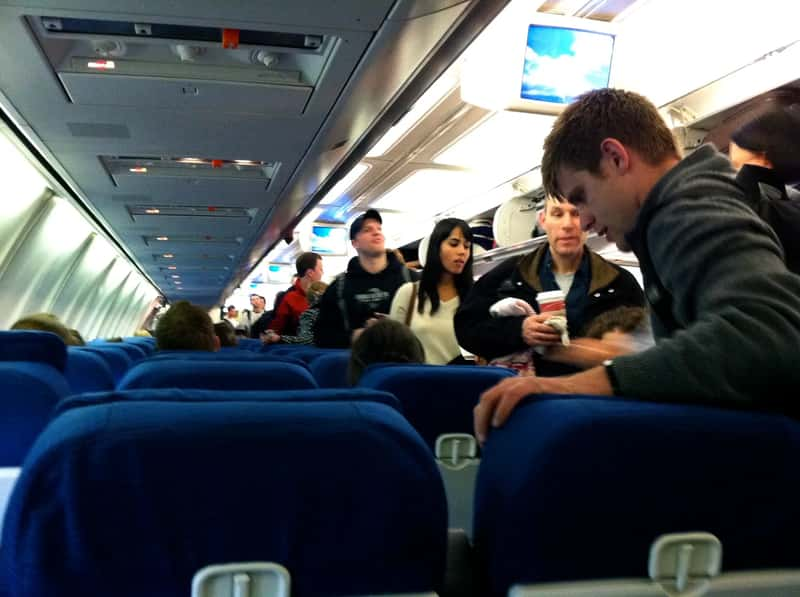
Seat swap requests happen constantly, and almost all of them are exactly what they look like: a parent wanting to sit with a child, or a couple hoping to avoid a middle seat between strangers. Occasionally, though, an adult asks to move next to a child or teenager they have no clear relationship to, and the request comes with a story that shifts slightly depending on who is asking.
Unusual relationships between young passengers and an older, controlling adult can suggest a case of human trafficking, particularly when the younger passenger makes unusual hand signals or seems reluctant to speak freely.[2] Crews are not expected to confront anyone directly. They are trained instead to note the details and pass them along quietly to the flight deck.
Never letting a companion out of sight, even in the aisle
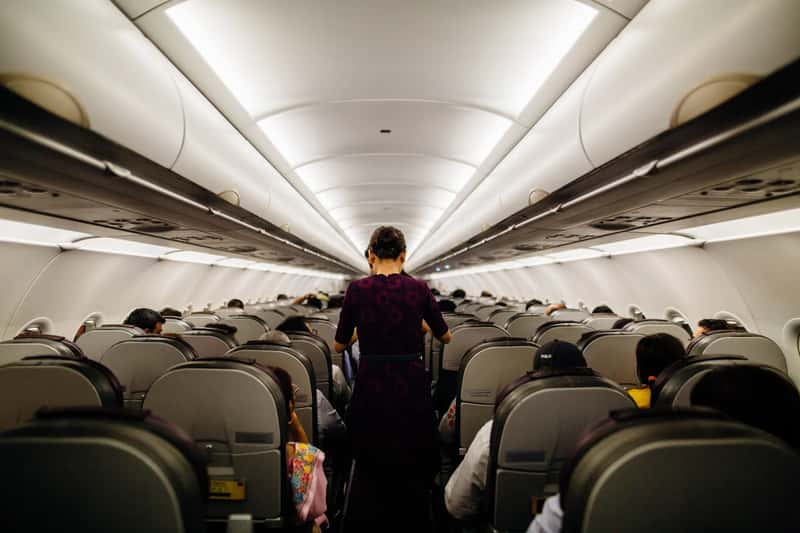
A request to walk a companion to the lavatory and wait right outside seems considerate at first glance. Do it on every single trip, though, and it starts to read differently to someone who has seen the pattern before.
Crews are also taught to notice if someone insists on speaking for the alleged victim, doesn’t let them out of their sight, or becomes defensive when questioned about the arrangement.[1] The concerning detail is rarely one bathroom trip. It is the refusal to ever let the other person move independently for the entire flight.
Asking for “just one more” after being cut off
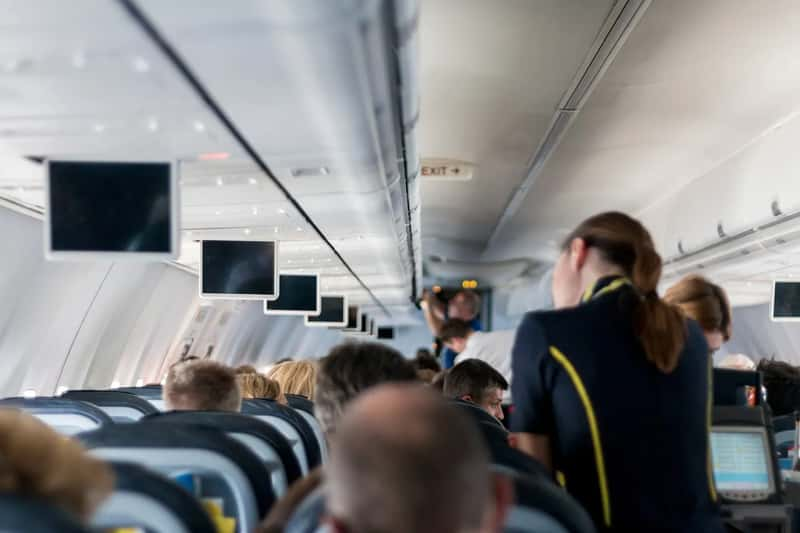
Every flight attendant has fielded this request. A passenger has clearly had enough, service is politely paused, and the requests keep coming anyway, sometimes through a different crew member or a seatmate asked to order on their behalf. It is one of the most common precursors to a disruption crews watch for during boarding and mid-flight service alike.
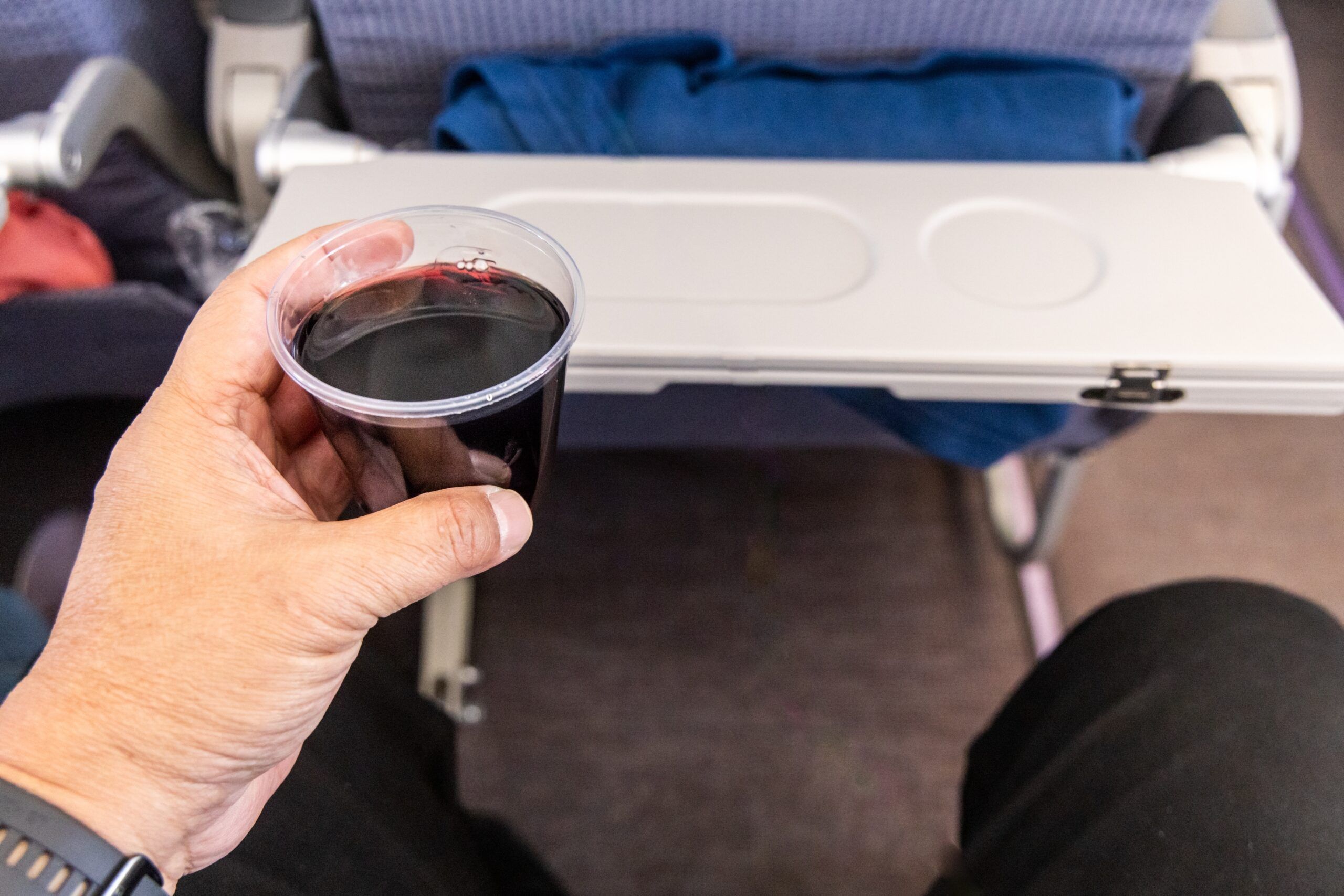
Passengers who drink too much or seem impaired before a flight can be offloaded during boarding if necessary, and if someone drinks too much during the flight itself, they can be refused any further alcoholic drinks.[2] The request to keep drinking after that refusal is exactly the moment crews start preparing for a possible escalation later in the flight.
Trying to bring or mix in outside alcohol

Occasionally a passenger will ask a flight attendant to pour a mixer over something already in their own cup, or quietly request ice with no explanation of what it is for. It is a small, oddly specific ask that experienced crew members recognize almost immediately.
Passengers are not allowed to bring their own alcohol onboard to drink during a flight, since this is illegal, and flight attendants are permitted to confiscate such items until the aircraft lands.[2] A request framed as harmless, like asking for extra ice or a mixer with no drink order attached, is often an attempt to work around that rule rather than a genuine oversight.
Asking for water to take unlabeled pills mid-flight

This one comes up more often than most passengers would expect, and it is rarely as simple as someone taking their regular prescription. A request for water alongside a small handful of pills, especially after drinks have already been served, tends to catch a crew member’s attention.
One of the most common triggers flight attendants encounter after over a decade in the role is passengers mixing alcohol with sleeping pills in an attempt to sleep through the flight.[3] It sounds like a personal choice more than a warning sign, until it starts affecting the passenger’s ability to respond to instructions or their own basic safety mid-flight.
Fixating on exit row seats without a clear reason
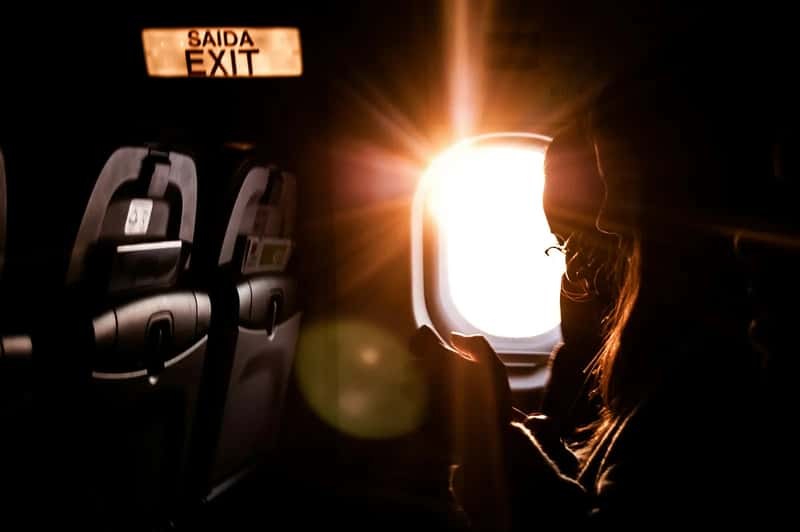
Wanting extra legroom is understandable, and exit rows are popular for that reason alone. What stands out to crews is a passenger who pushes hard for that specific seat, asks detailed questions about how the door mechanism works, or seems unusually focused on the exit itself rather than the legroom.
Attempting to tamper with or force open emergency exits during flight has become a serious and increasing threat to aviation safety, with several recent incidents involving passengers assaulting crew members in the process.[4] A single question about an exit is nothing. A pattern of fixation on it, paired with agitation, is treated far more seriously.
Asking crew not to mention a companion’s condition
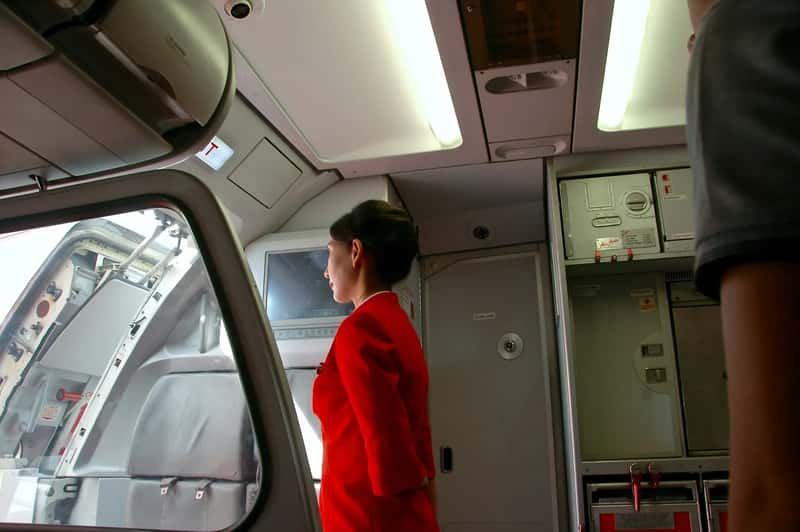
Sometimes a passenger will quietly ask a flight attendant to skip checking on the person beside them, framing it as a kindness, saying the companion just needs rest or gets anxious with attention. It can be a completely genuine request. It can also be an attempt to keep a crew member’s eyes away from someone who looks unwell, frightened, or injured.
Crews are trained to look for passengers who appear frightened, ashamed or nervous, along with children or adults who appear bruised or battered, regardless of what the person traveling with them says.[5] That training exists precisely because the person asking for privacy on someone else’s behalf is not always the one who needs it respected.
Refusing to let a companion answer simple, direct questions
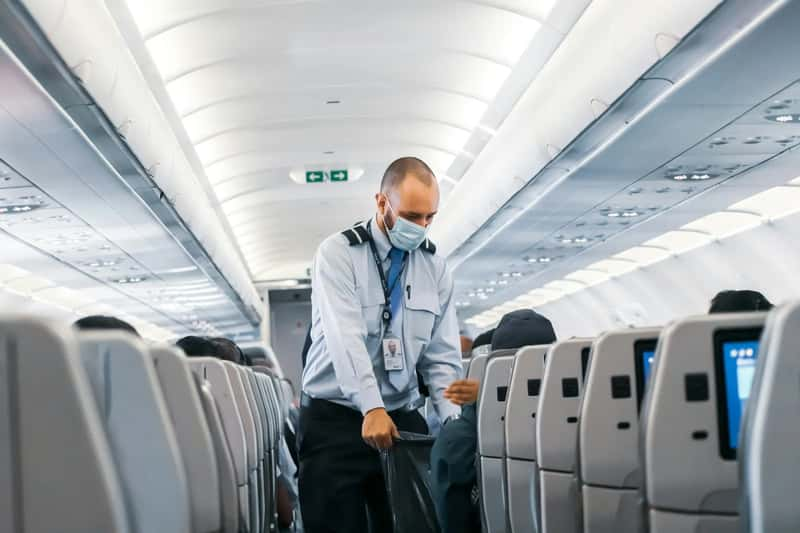
A flight attendant might ask something as basic as whether a passenger wants coffee or tea, and get an answer from the person next to them instead, every time, without exception. On its own that is just an overly helpful travel companion. Combined with other behaviors, it becomes one of the clearest indicators crews are trained to document.
Former trafficking victims who have shared their experiences directly with flight attendants during training sessions describe crews being taught to look for passengers who appear frightened, ashamed or nervous, and for people traveling with someone who does not appear to be a parent or relative.[6] The goal is never for a flight attendant to intervene on the spot. It is to notice, record, and pass the information to the flight deck so trained authorities can follow up on the ground.
What crews actually do with these signals
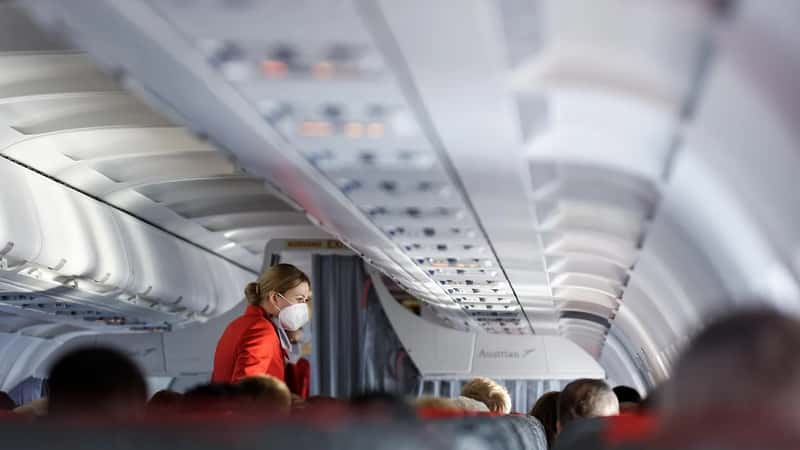
None of these nine situations are treated as proof of anything by themselves. Crews are specifically trained not to confront passengers directly or attempt a rescue mid-flight, since doing so can put both the victim and the crew member at greater risk. Instead, the standard response is quiet observation, a note passed to the captain, and a call ahead so law enforcement can meet the flight on arrival if warranted.
Federal law now requires air carriers to train flight attendants, ticket counter agents, gate agents, and other frontline workers to recognize and report suspected instances of human trafficking, a requirement that has expanded steadily since 2016.[7] That legal backbone is part of why a request that seems small to a passenger can trigger a much larger, mostly invisible chain of communication behind the scenes.