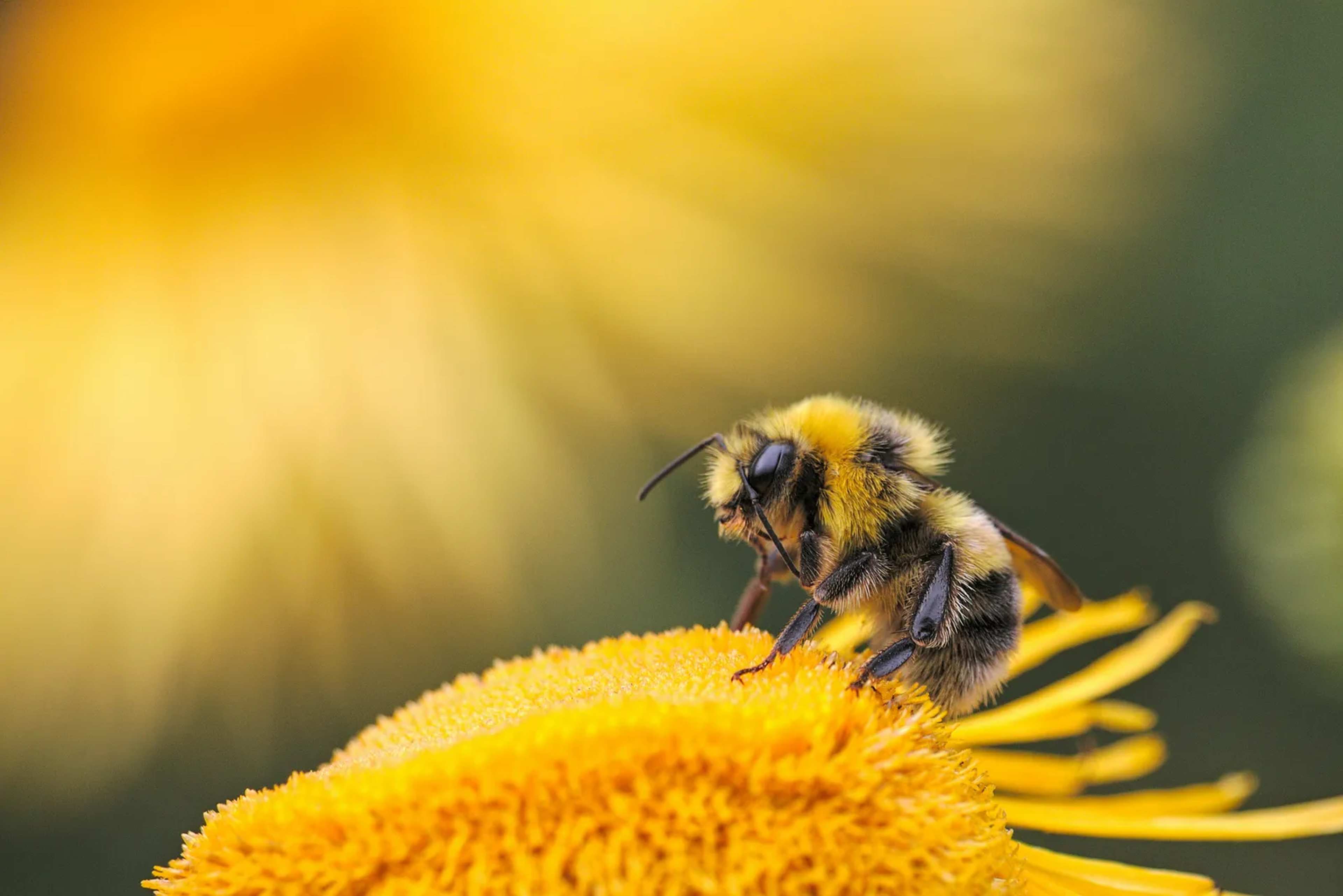
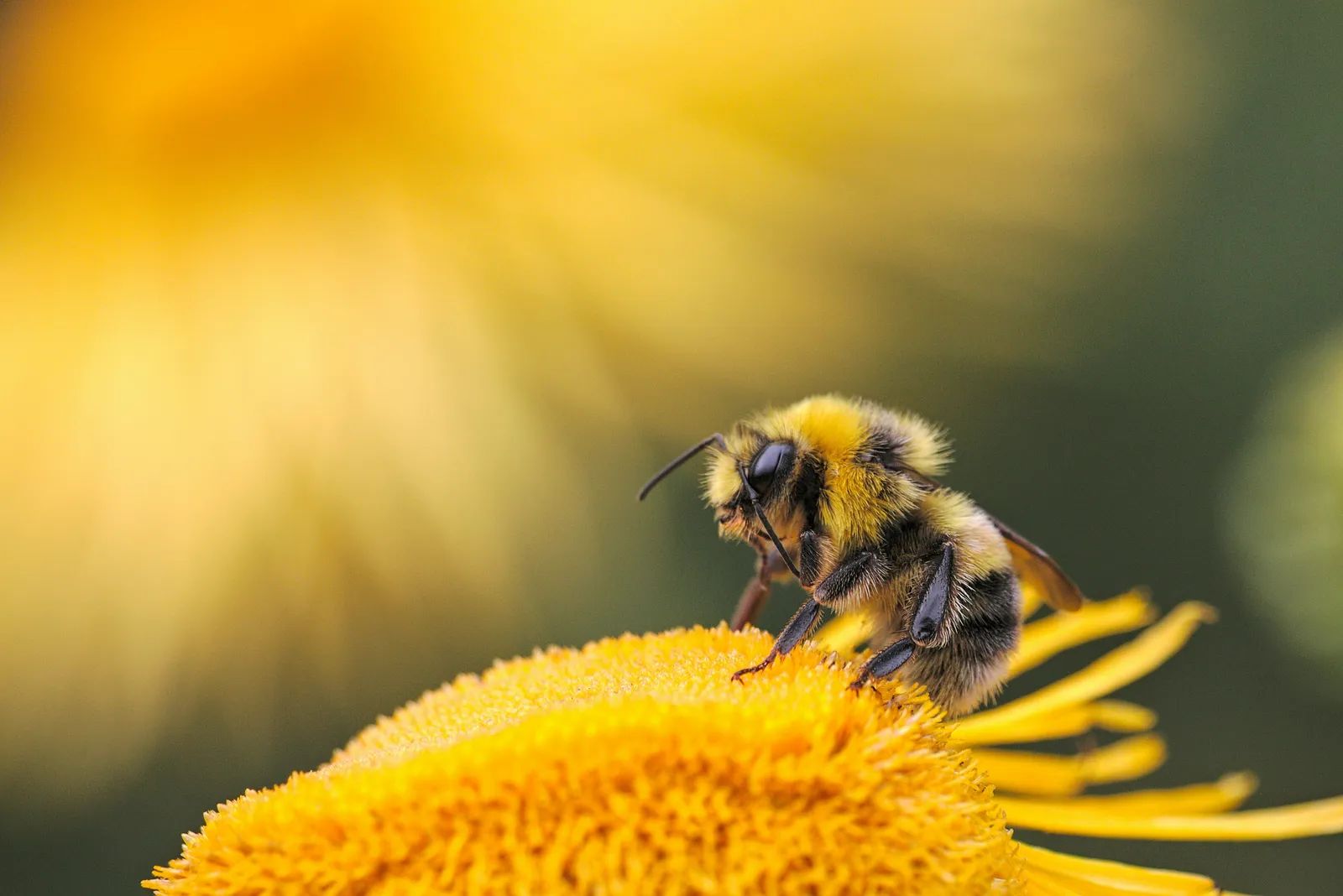
Urban air carries more than exhaust and haze. It also carries chemicals that quietly rewrite the scent signals flowers send to pollinators. A recent review of existing studies shows these changes make it measurably harder for bees and other insects to locate the food they need. ## Measured Drops in Performance Researchers combined results from 22 earlier studies to gauge the effect of two common pollutants. Ozone, a key ingredient in urban smog, lowered pollinator success by an average of 42 percent. Nitrogen oxides from vehicles and power plants cut performance by roughly 46 percent. When both pollutants were present, the combined reduction reached 68 percent. These figures reflect how well insects could locate and respond to floral scents under different pollution levels. The analysis appeared in Frontiers in Ecology and the Environment and was summarized by The Wildlife Society. ## Chemical Changes to Floral Scents Both ozone and nitrogen oxides react with the volatile compounds that give flowers their distinctive smells. The reactions either break the molecules apart or create new ones that no longer match what pollinators have learned to recognize. As a result, the chemical trail leading to nectar and pollen becomes weaker or misleading. Specialist pollinators that depend heavily on precise scent cues suffer more than generalists. Diurnal and nocturnal insects also face different risks because pollutant concentrations shift throughout the day. These patterns suggest that timing and species traits both influence how severely any given population is affected. ## A Window of Elevated Risk James Ryalls, the lead author and a researcher at the University of Reading, noted that ozone levels are expected to keep rising through 2050. He described the coming two to three decades as a difficult period for pollinators. Once cleaner fuels become widespread, ozone concentrations should fall and give insect populations a chance to recover. The projection rests on current emission trends and does not account for unexpected policy changes or technological breakthroughs. Still, the timeline underscores that the pressure on pollinators is not a distant future concern but one already unfolding. ## What the Findings Leave Open The review draws on existing experiments rather than new field trials, so real-world conditions may produce different outcomes. Interactions among multiple pollutants, varying flower species, and changing weather patterns remain only partly understood. Continued monitoring will be needed to track whether the measured declines translate into lasting population effects. The core message is straightforward: invisible changes in the air are altering a fundamental interaction between plants and their pollinators. How societies respond to air quality in the next few decades will shape whether that interaction remains reliable. ([1])
Air Pollution Scrambles How Bees Smell Flowers

Matthias Binder
October 23, 2026 · 3 min read
🔥 Would you like to save this?
We’ll email this post to you, so you can come back to it later.
Matthias Binder
Matthias a curious globetrotter who collects moments from night markets, coastlines, and tiny mountain villages. Plans trips around local food, scenic trains, and the best views at golden hour.
View Profile & Articles