The global struggle for clean air has reached a defining moment. Recent international monitoring data reveal a shocking reality about the state of our atmosphere worldwide. While countries across the globe battle dangerous pollution levels that threaten human health and environmental stability, only nine countries and territories have managed to achieve air quality standards that meet the World Health Organization’s strict safety guidelines.
Estonia: The Baltic Leader’s Environmental Revolution
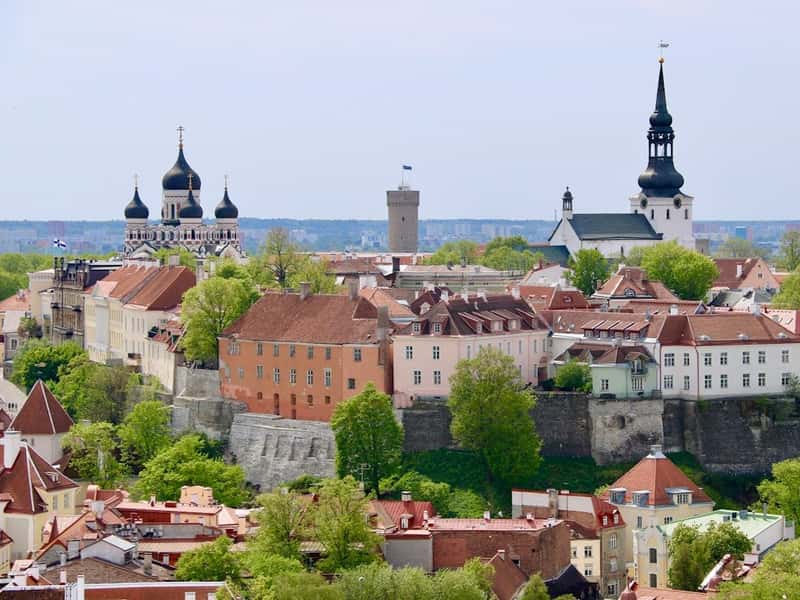
Estonia stands among just nine countries and territories that met the WHO’s annual PM2.5 guideline of 5 micrograms per cubic meter of air in 2023. In Europe, Iceland had the cleanest air, with 4µg/m3, followed by Estonia with 4.7µg/m3 and Finland with 4.9µg/m3. This remarkable achievement represents a dramatic transformation for a nation that relied entirely on fossil fuels just three decades ago. Estonia – a country which up to 30 years ago depended entirely on fossil fuels but now produces a third of its electricity from renewable energies, with the aim of reaching 100% by 2030 – has fallen by 57% since 1990.
Finland: Nordic Excellence Through Urban Innovation

Finland joined the exclusive group of countries and territories meeting WHO air quality standards alongside Australia, Estonia, Grenada, Iceland, Mauritius, New Zealand, Bermuda, and French Polynesia. Finland, for its part, stands out for its adoption of urban mobility. Clean energies in public transport and promotion of walking and cycling are other strategies it has deployed. Helsinki is an exceptional example of this. The nation has invested heavily in renewable energy infrastructure and sustainable transportation systems that have produced measurable improvements in air quality. Air pollutants cause between 1,600 and 2,000 premature deaths in Finland every year, according to the Finnish Ministry of Environment.
Iceland: Renewable Energy Powerhouse
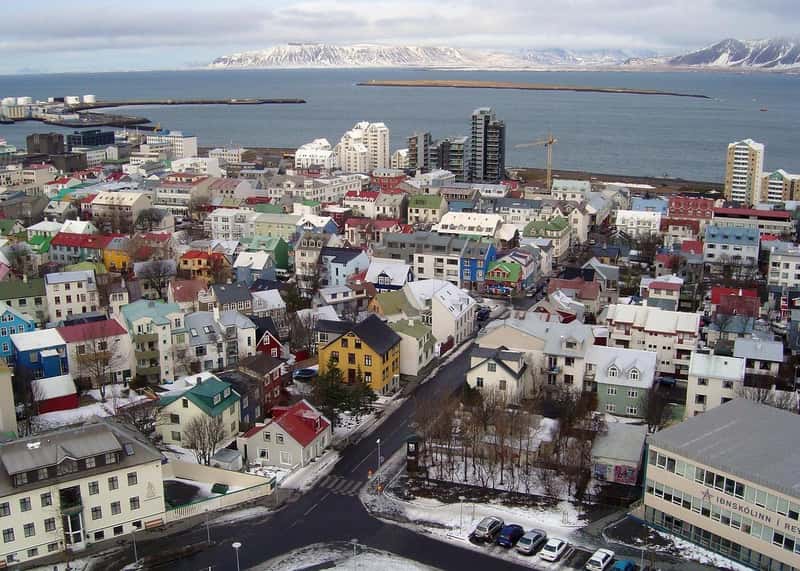
Iceland had the cleanest air in Europe with 4µg/m3, meeting the WHO annual PM2.5 guideline of 5 µg/m3 or less. Iceland achieved this goal some time ago. For years, the country of approximately 385,000 inhabitants has generated 100% of its electricity, and 82.78% of total energy consumption, from renewable energies. The island nation’s unique geography and commitment to geothermal and hydroelectric power have created an environmental success story. This focus has been key for countries such as Iceland and Finland, which have undertaken significant investments in renewable energies and emission-free technologies.
Australia: Continental Clean Air Champion

Australia topped the list as the least polluted country in the world, with 3 cities in the top 5. Of the 25 least polluted cities in the world with the best air quality, Australia, Canada, and the United States dominated the rankings with some of the cleanest air in the world in 2024. Air quality in Australia is known to be one of the best in the world. In fact, an air quality study found that its particulate matter pollution concentrations met the World Health Organization’s quality guidelines. Air quality in Australia is one of the best in the world due to factors like its policies and regulations, advanced air quality technology, and an active community.
New Zealand: Pacific Nation’s Environmental Leadership
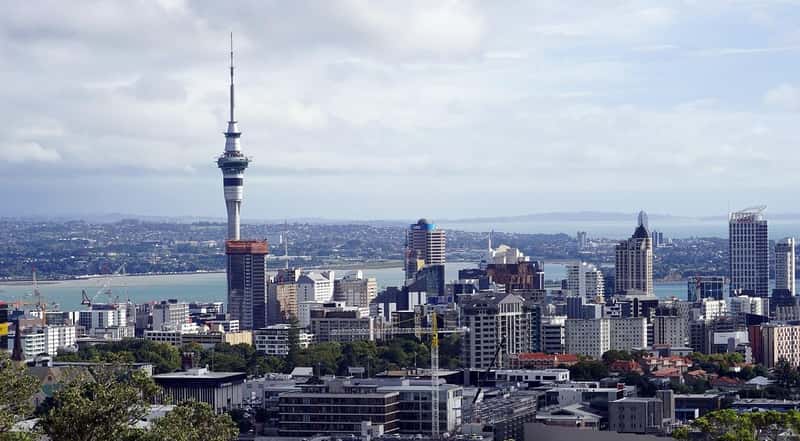
New Zealand has generally improved its air quality over the years, gradually decreasing from an annual average air quality of 7.7 µg/m3 in 2018. However, while still under the WHO guideline, the country’s annual average PM2.5 of 4.4 µg/m3 is a little higher than its annual average of 4.3 µg/m3 in 2023. While New Zealand generally enjoys relatively clean air, some areas experience elevated levels of air pollution at certain times of the year. This topic presents the results of regional air quality monitoring, explains why air quality matters, and offers tips on how we can all help improve the air we breathe. The commitment of the New Zealand government to protecting the public from environmental health risks is reflected in various policies and regulations – for example, the Resource Management Act, the National Environmental Standards for Air Quality, and the Hazardous Substances and New Organisms Act. Government agencies such as the Ministry for the Environment and the Environmental Protection Authority enforce compliance with these environmental laws and regulations.
The Caribbean Success Stories: Grenada and Barbados
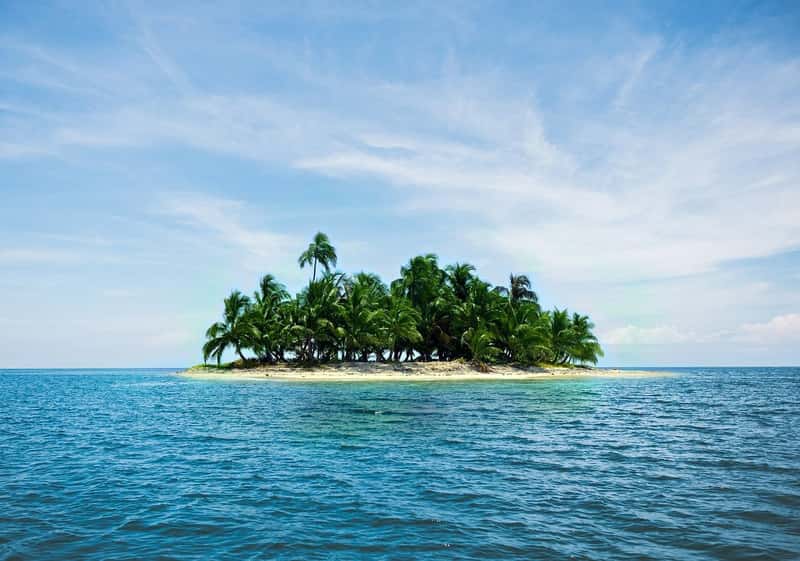
Nine countries and territories met the WHO annual average PM2.5 guideline of 5 µg/m3 in 2023: Australia, Estonia, Finland, Grenada, Iceland, Mauritius, New Zealand, Bermuda, and French Polynesia. These small island nations in the Caribbean have achieved remarkable air quality standards despite their limited resources. Their success demonstrates that geographic advantages, including ocean breezes and lower industrial activity, can play crucial roles in maintaining clean atmospheric conditions. The seven qualifying countries share characteristics like lower population density, stricter environmental regulations, and geographic advantages that help maintain cleaner atmospheric conditions.
The Global Context: A Critical Air Quality Crisis
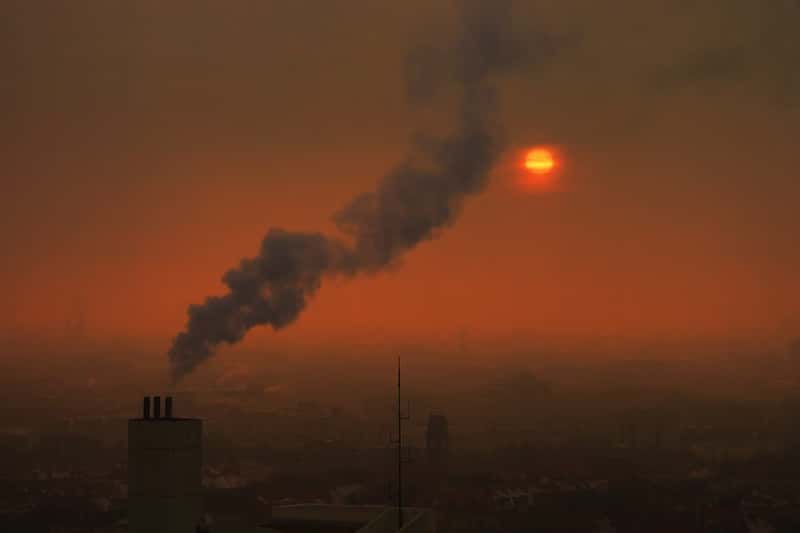
Key findings from the 2024 World Air Quality Report: Only 17% of global cities meet the WHO air pollution guidelines. Seven countries met the WHO annual average PM2.5 guideline of 5 µg/m3: Australia, Bahamas, Barbados, Estonia, Grenada, Iceland, and New Zealand. Only seven countries in the world met safe air pollution levels in 2023, according to a report by Swiss air quality technology company IQAir. The World Air Quality Report, released earlier this year, draws on data from more than 30,000 monitoring stations in 134 countries, territories, and regions. Of these, 124 were found to breach safe levels of PM2.5 (fine particulate matter), according to World Health Organization (WHO) guidelines. WHO data show that almost all of the global population (99%) breathe air that exceeds WHO guideline limits and contains high levels of pollutants, with low- and middle-income countries suffering from the highest exposures.
These seven countries represent less than five percent of all nations monitored in the comprehensive global study. Their achievement stands in stark contrast to the widespread air pollution crisis affecting the remainder of the world’s population. What makes this small group special is their shared commitment to environmental protection, renewable energy adoption, and comprehensive air quality management policies that prioritize public health over short-term economic gains.