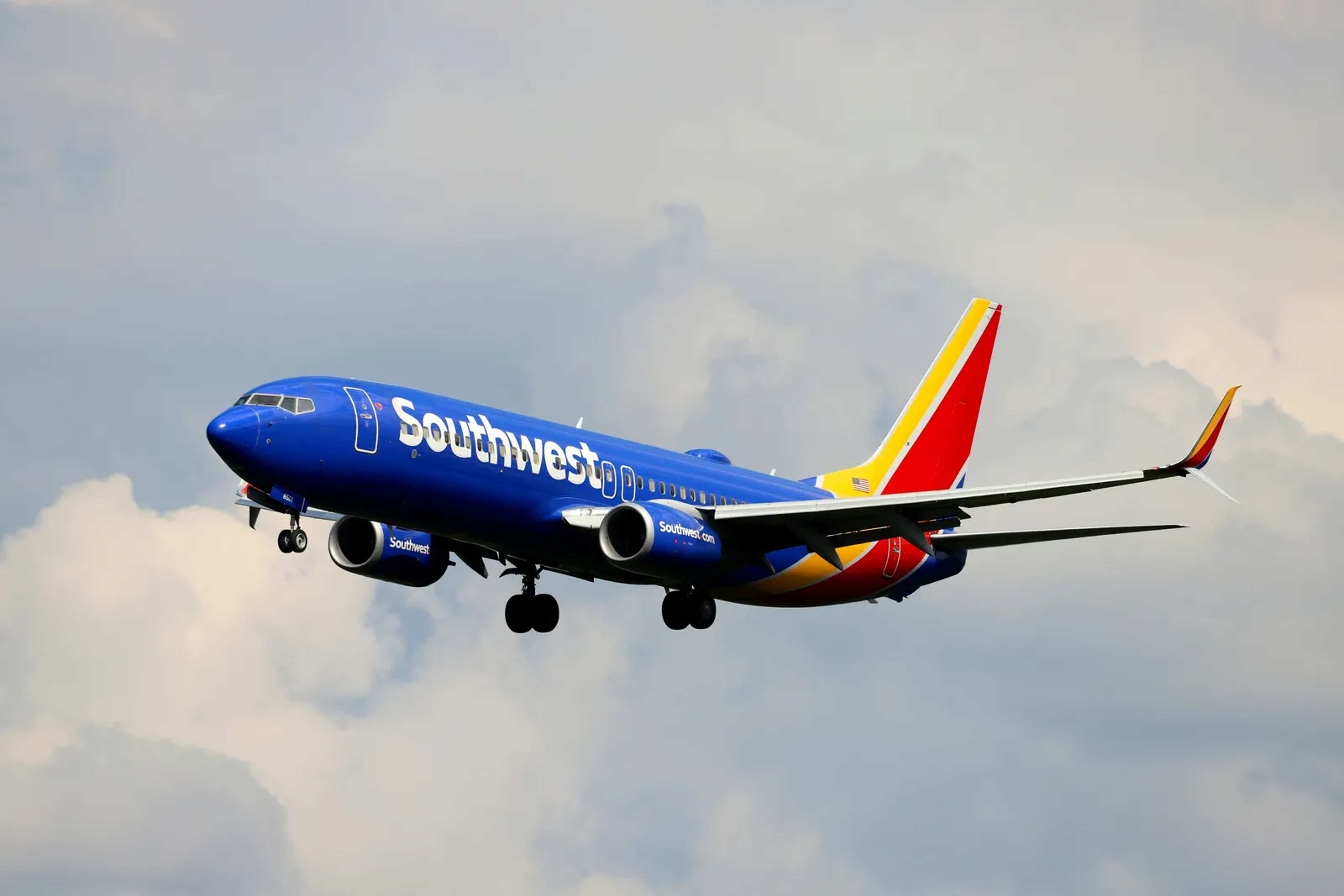
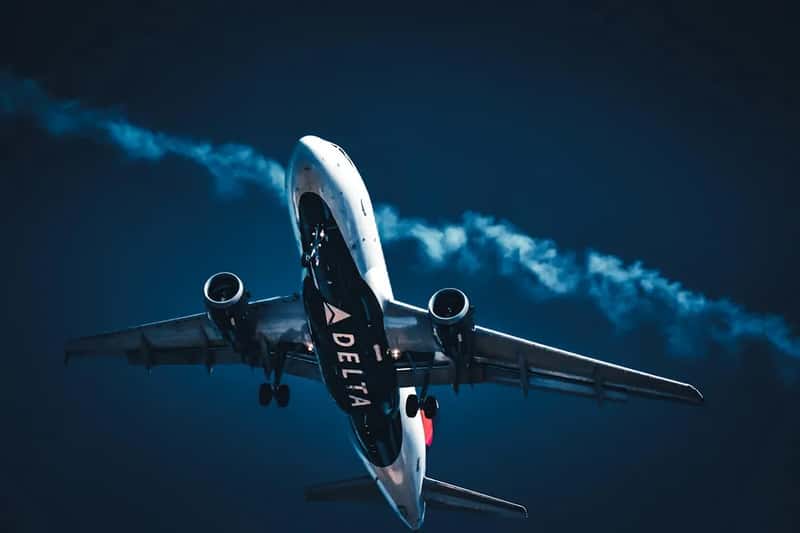
If you’re planning to fly for Thanksgiving or Christmas this year, the numbers aren’t in your favor. American, United and Southwest are scaling back some flights as rising jet fuel costs put pressure on airlines.[1] The cuts are small on paper, but they land in the part of the market where cheap seats matter most.
This article looks at what the airlines have said, how big the reductions are, and why the cheapest fares tend to vanish first. It also covers how Spirit Airlines’ collapse fits in, and what travelers can do about it. Some figures vary by data source, so I’ve noted where they differ.
What the Airlines Have Actually Said
The clearest signals came at a Morgan Stanley conference in September. United’s chief financial officer, Mike Leskinen, said the company is cutting several December flights that “don’t make sense in a higher fuel environment.”[2] American Airlines also announced plans to cut some December flights at the same conference.[2]
United also left the door open to more trimming. If fuel stays high, it expects to make adjustments into the first quarter and beyond into 2027.[2] So these aren’t presented as one-off tweaks. They look more like a response that could continue as long as fuel costs stay elevated.
How Big Are the Cuts?
The reductions are modest when measured as a share of the schedule. Cirium data cited in recent industry analysis shows carriers have removed about 3% of domestic seats scheduled between November 25 and December 31.[3] That is a small slice compared with the dramatic schedule cuts of 2022, when staffing shortages drove them. United cut its December schedule by about 11,000 flights, roughly 8% of operations, that year.[4]
Still, a small percentage can matter at peak times. Even a minor capacity adjustment can remove thousands of seats from popular markets, which becomes significant when flights fill quickly ahead of Thanksgiving and Christmas.[3] The cuts reportedly target marginal flights, such as less popular destinations and off-peak frequencies, rather than whole routes. Airlines are also cutting flights to less popular destinations while raising prices.[2]
Why Jet Fuel Is Driving the Decision
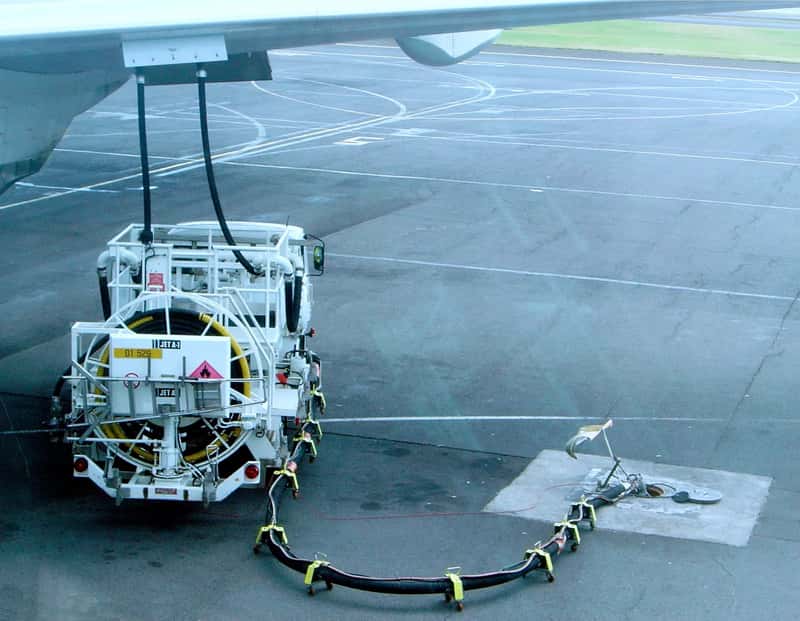
Fuel is the main reason airlines give. The Argus US Jet Fuel Index reached $4.40 a gallon on September 28.[3] Hopper attributes months of elevated jet fuel costs, tied to the conflict in Iran, to holiday fares reaching 10-year highs.[5]
Southwest offers a useful example. It began 2026 expecting capacity growth of roughly 2% to 3%, but its CFO, Tom Doxey, said that growth has been cut by about half because of higher fuel costs.[3] The logic is simple. When a flight loses money at current fuel prices, a carrier would rather not fly it than discount seats to fill it.
The Spirit Airlines Factor
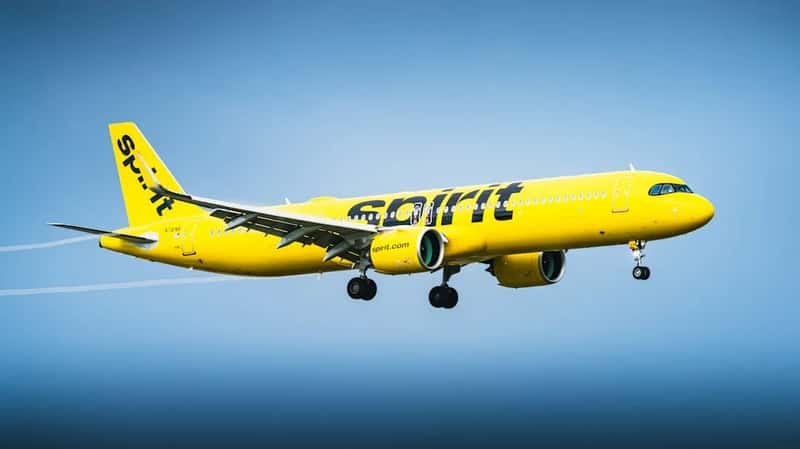
Another piece of the puzzle is the loss of the biggest ultra-low-cost carrier. Spirit said that on May 2, 2026, it started an orderly wind-down of operations, effective immediately.[6] It was the first major US airline in 25 years to go out of business because of financial problems.[6]
Spirit’s exit matters because of what it did to prices wherever it flew. A CBS News analysis of Cirium data found that average round-trip fares jumped 23%, or roughly $60, when Spirit left a route.[7] A separate analysis cited by Afar was less dramatic, finding that fares rose roughly 14 percent on routes Spirit had already exited.[8] Both point the same way. Fewer budget competitors means less pressure on rivals to price low.
What Holiday Fares Look Like Right Now
Hopper’s 2026 Holiday Travel Index gives the clearest snapshot. Round-trip domestic airfare for Thanksgiving averages $402, up 31% from last year.[5] For Christmas, the domestic round-trip average is $452, up 23%.[5] Hopper says this holiday season is on track to be the most expensive in a decade.[5]
The index is also relevant to budget shoppers because of how it’s built. Hopper’s averages are a demand-weighted figure based on the 10th percentile of prices available to book.[5] In other words, it tracks the low end of the market, which is where cheap fares live. International trips aren’t spared either. Fares to Mexico and Central America are up 23% and fares to Europe are up 15% for Christmas.[5]
Who Feels It Most
Budget-minded travelers are likely to feel this more than anyone. The cheapest inventory tends to disappear first when demand accelerates, leaving higher fare buckets closer to departure.[3] Flighty’s Katy Nastro told ABC News that flyers will face not just higher prices but fewer affordable options.[10]
There’s also a consumer protection concern when flights are dropped. John Breyault of the National Consumers League said travelers with cancelled flights are often steered toward credits or vouchers rather than the cash refunds they’re legally entitled to.[11] If your flight is cut, it’s worth knowing you can ask for a refund rather than accepting a voucher.