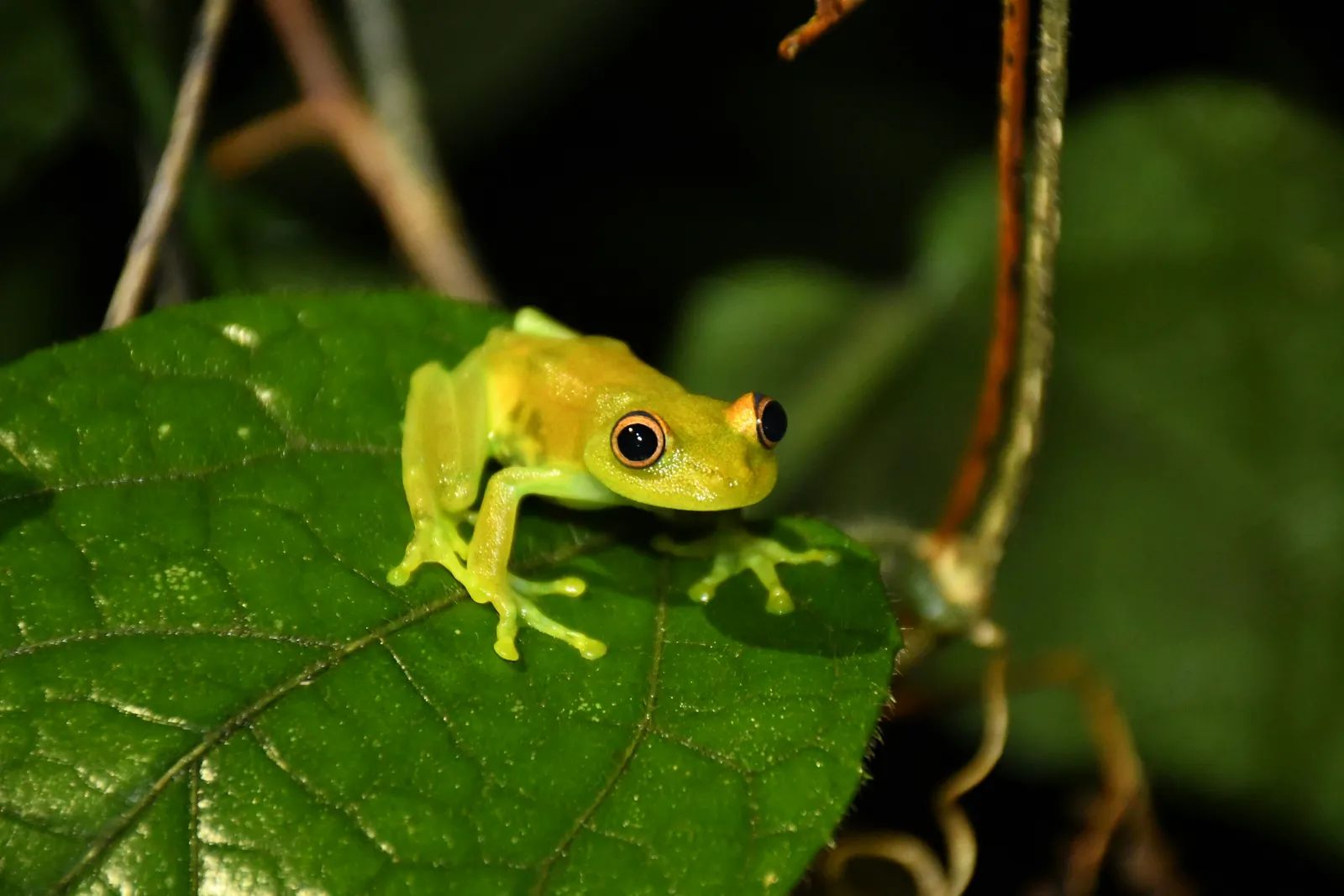
A fresh economic assessment highlights the enormous untapped pharmaceutical potential locked inside tropical forests, with the Amazon rainforest emerging as the single largest contributor. The analysis, prepared by the London-based research group Zero Carbon Analytics and released earlier this year, places the median commercial value of undiscovered medicines from flowering plants across all tropical forests at $714 billion. The Amazon accounts for roughly $215 billion of that total, or about 30 percent, underscoring both the scale of opportunity and the accelerating losses from ongoing forest clearance. ([1])
Why Flowering Plants Represent Such High Stakes
Most modern medicines trace at least part of their origin to natural compounds, and the numbers are striking. Roughly three-quarters of cancer drugs approved between 1940 and 2014 were either derived directly from natural products or inspired by them. Yet researchers estimate that 99 percent of the chemical compounds produced by plants have never been screened for medical use, leaving an enormous reservoir of possibilities unexplored.
The Amazon stands out because of its unmatched biodiversity and the high proportion of species found nowhere else. This combination gives the region what analysts describe as the greatest commercial option value for new medicines among major tropical forest areas. The potential remains largely theoretical until systematic screening occurs, but the underlying chemistry suggests substantial future returns if the forests and their species survive long enough to be studied.
Deforestation Already Eroding Future Options
Clearing tropical forests since 2001 has already placed an estimated $86 billion in potential drug value at risk worldwide. In the Amazon, the losses are especially concerning because many affected plants are endemic, meaning they exist in no other location. Once those species disappear, any unique compounds they might have contained are gone permanently.
Deforestation in Brazil has hit different regions at different times, and the cumulative effect over two decades has removed countless plants before they could be catalogued or tested. The analysis treats this as a permanent reduction in the pool of available genetic and chemical diversity rather than a temporary setback. Continued clearing therefore shrinks both the scientific frontier and the economic upside in equal measure.
Comparing Regional Contributions
The study breaks down the estimated values across major tropical forest regions to show relative importance. The Amazon leads, followed by Southeast Asia and the Congo Basin. These figures represent median estimates within wide ranges that reflect uncertainty about exactly which compounds will prove useful and how markets will value them.
| Region | Estimated Value (median) | Share of Global Total |
|---|---|---|
| Amazon | $215 billion | ~30% |
| Other tropical forests | $499 billion | ~70% |
Implications for Conservation Decisions
The findings reinforce a long-standing argument among conservationists that standing forests carry measurable economic worth beyond timber or agriculture. By assigning dollar values to undiscovered medicines, the analysis provides one more data point for policymakers weighing development against preservation. The wide uncertainty bands around the estimates also serve as a reminder that these numbers are projections, not guarantees.
Preserving the remaining forest cover would keep open the possibility of future discoveries while avoiding the irreversible loss of species already documented in cleared areas. The choice is not between abstract environmental ideals and concrete economic activity, but between different forms of economic potential, one of which vanishes once the trees are gone.