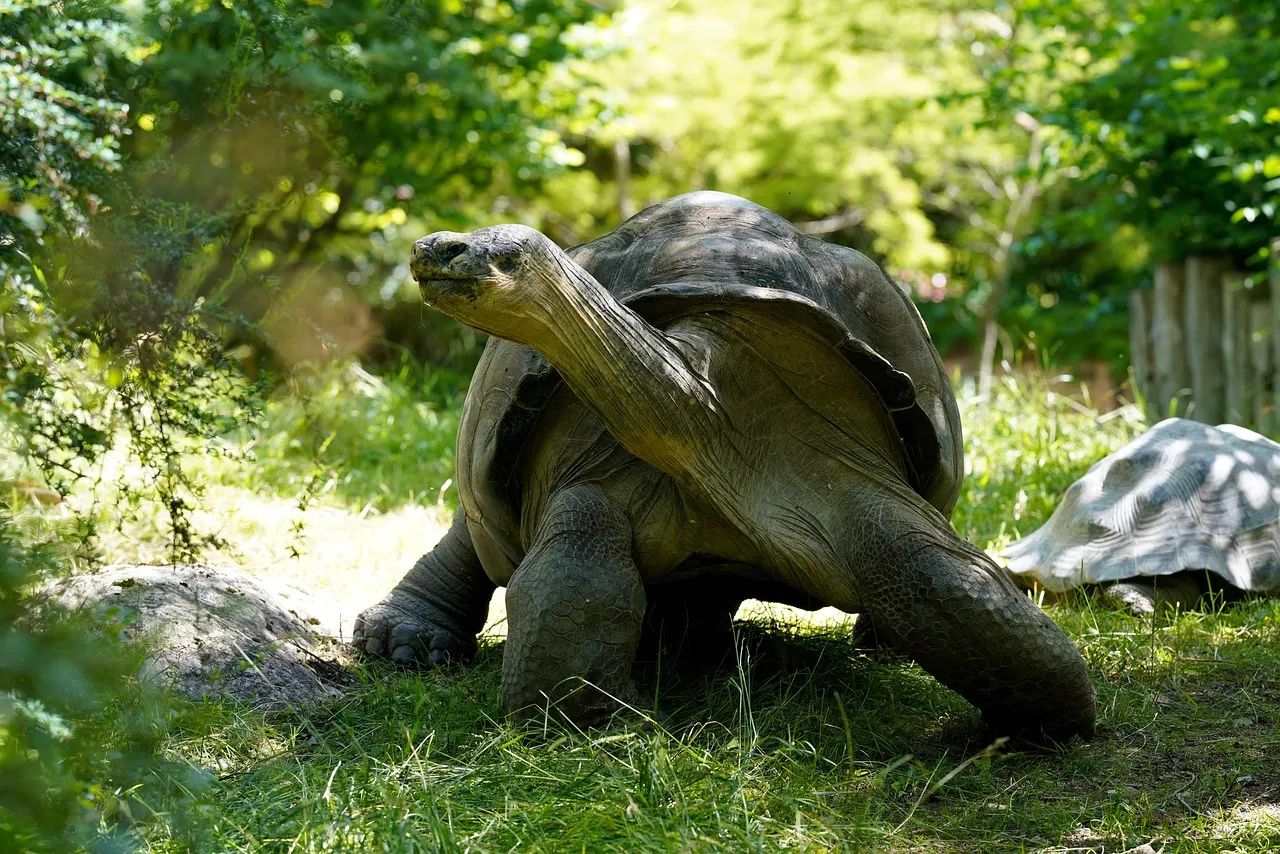
Seychelles – A remote Indian Ocean atoll now supports roughly 180,000 giant tortoises, a sharp turnaround from the fewer than 1,000 animals that remained after heavy exploitation in the 19th century. The rebound stems from long-running protection efforts that turned the area into a nature reserve decades ago. Recent counts show the population has nearly doubled since the 1990s, offering a rare bright spot in global wildlife trends.
From Scarcity to Abundance
The recovery began with formal safeguards established in 1981. Those measures halted the earlier decline and allowed numbers to climb steadily. By the 1990s the total had already reached 100,000. Field surveys carried out from 2018 through 2022 produced the latest estimate of 183,000 individuals across the atoll and nearby islands. The increase reflects consistent habitat protection rather than any single dramatic event. Tortoises now move freely across large areas that were once heavily disturbed. Observers note that the animals appear in high densities in many locations, a visible sign of the population’s growth.
What the Numbers Reveal
The new total comes from systematic counts rather than estimates alone. Teams covered key zones repeatedly over several years to reduce the chance of missing animals or double-counting. The resulting figure nearly doubles the 1990s level and confirms the species has moved well beyond its lowest point. Still, the data carry normal limits of field work on a large, rugged atoll. Some sections remain harder to survey than others, and young tortoises can be difficult to spot. Researchers therefore treat the 183,000 number as a strong but not absolute count.
Local and Global Stakes
For Seychelles the tortoises represent both a natural heritage and a growing draw for visitors interested in wildlife. The animals shape the landscape through grazing and seed dispersal, roles that support other species on the islands. Internationally the story stands out because many reptile populations continue to shrink. The Seychelles case shows that sustained reserves and enforcement can reverse long-term losses when started early enough. The same approach may offer lessons for other island systems facing similar pressures.
Looking Ahead
Continued monitoring will track whether the upward trend holds or levels off. Managers also watch for new risks such as invasive plants or changes in rainfall that could affect food supplies. The current success already demonstrates what steady protection can achieve. It leaves open the question of how far the population can grow before natural limits appear, a point that future surveys will help clarify.