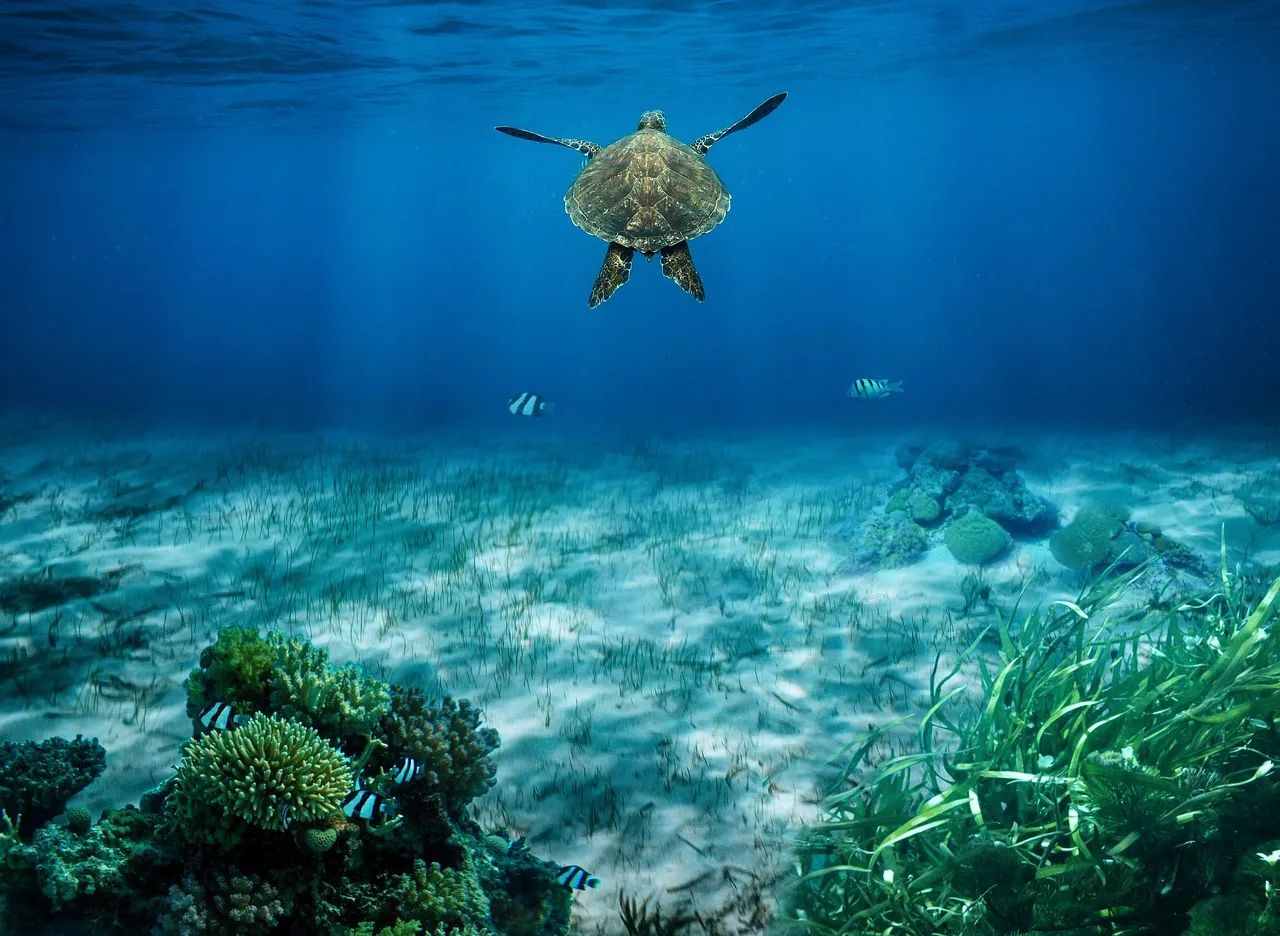
The United States has sold seabed mineral rights covering roughly 31.5 million acres near American Samoa, only days after a federal judge found the government’s approval of the sale unlawful. The November 19 auction was the first of its kind for any country, according to ([1]). The result puts a U.S. territory at the center of a growing debate over deep sea mining, one that touches on law, national resources and local culture.
A sale that went ahead after a court setback
District Judge Jill Otake ruled in Hawaii that the National Marine Fisheries Service violated the Endangered Species Act by considering only the effects of the sale and preliminary surveys on protected species. The court found the consultation entirely failed to evaluate the effects of post-leasing mineral exploration and mining.
The decision did not stop the auction. The ruling did not issue an injunction against the auction. The Marine Minerals Administration kept the sale on schedule, and the Interior Department did not name the winning bidder or refer to the court decision when it reported the outcome. That silence has become one of the more pointed details of the day for critics.
Two leases, one bidder and a low price
The auction offered two large lots. Each carried a $3 million starting price, and the leases went to the only company that submitted a bid. Among the key facts:
- Combined area of about 12.7 million hectares, or 31.5 million acres
- Total winning bids of $6 million
- Wetstone U.S. Ventures as the sole bidder, while Norway’s Adepth Minerals attended but did not bid
- An initial lease term of 20 years
The sale took roughly 20 minutes, and the price works out to about 19 U.S. cents per acre. Those figures have drawn sharp criticism from opponents who argue the ocean floor is worth far more than the amount paid. One official said the price was “horrifying to me” and noted the value of the ocean.
The leases do not yet permit mining. Under the terms described by the Interior Department, the winning company may first carry out limited preliminary work. That includes mapping mineral deposits and preparing for a possible mining operation, but actual extraction would require further approvals. Environmental scientists argue that research into what would follow has not kept pace.
Opposition and unresolved legal questions
Demonstrators gathered outside the auction site in Thousand Oaks, California, where protesters carried signs against the sale. Opposition extends well beyond the venue. More than 45 countries have called for a ban or pause on seabed mining, which currently does not exist in any commercial form. Guam’s senator also called on Washington to cancel the auction.
The legal fight is not over. Earthjustice said a second motion is pending that challenges the agency’s legal authority to proceed with the sale. If successful, the motion could invalidate the auction process and any leases issued. Local leaders have also not spoken with one voice, as American Samoa’s leaders have taken different positions. The territory’s governor, by contrast, described the sale as a “historic moment” for his nation.
What matters now: The leases are issued, but their legal footing is contested. Any mining would require further federal approvals, and a pending challenge could still affect the outcome. A separate sale for waters off Guam and the Northern Mariana Islands is planned for December 16, so the court and policy questions raised here may carry well beyond American Samoa.
Related Stories From Travelbinger

What comes next
Interior Secretary Doug Burgum framed the sale as a step toward reducing dependence on foreign supply chains for minerals used in batteries and electronics. Supporters argue that seabed resources could ease pressure on land-based mining, which often faces resistance from local communities. Critics counter that the science on ecological effects is still incomplete.
For American Samoa, the next months will likely decide whether the sale becomes a lasting commercial project or remains a contested first step. The answer will depend on the courts, on federal approvals and on whether the agencies address the concerns raised about protected species and the wider marine environment.