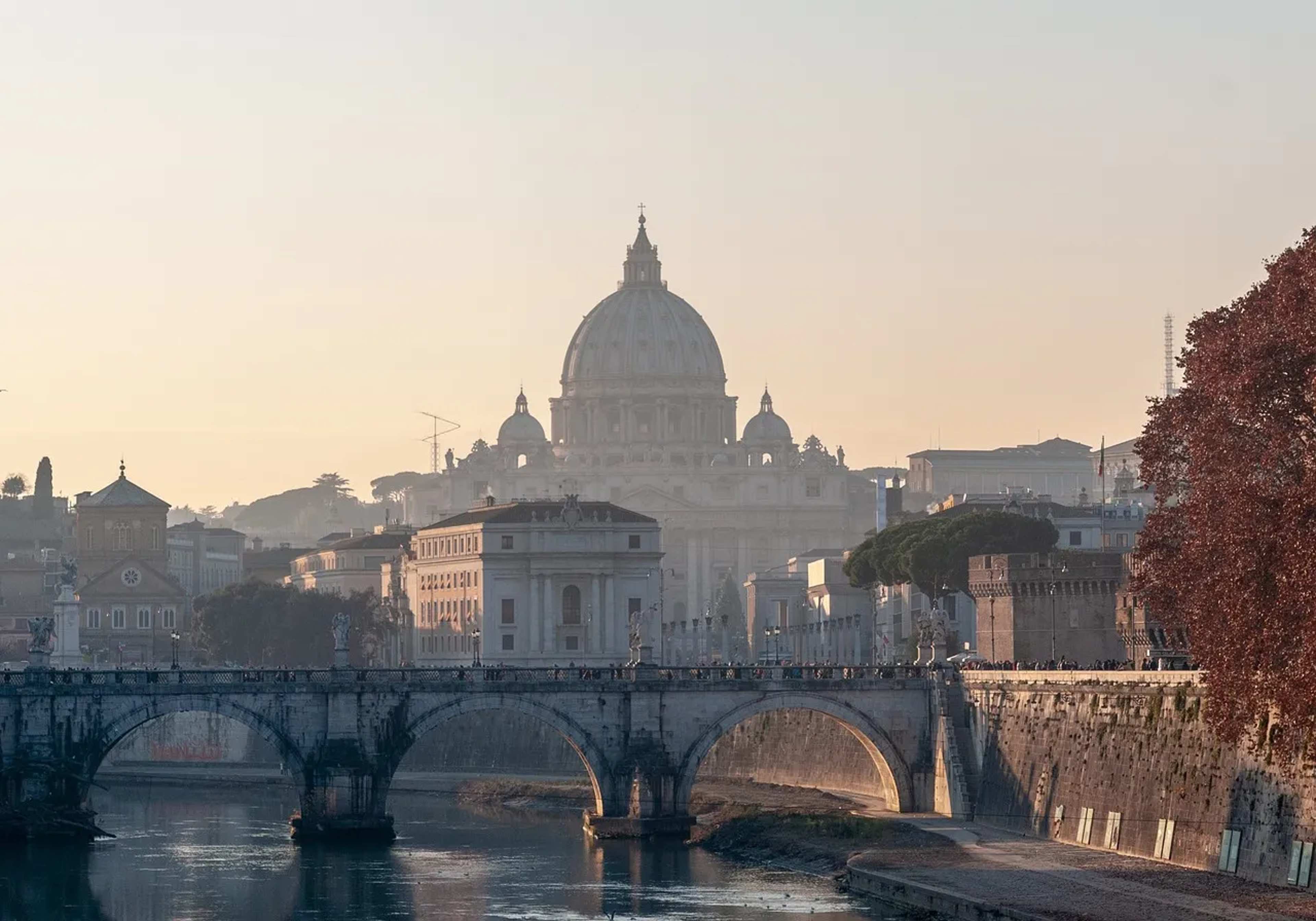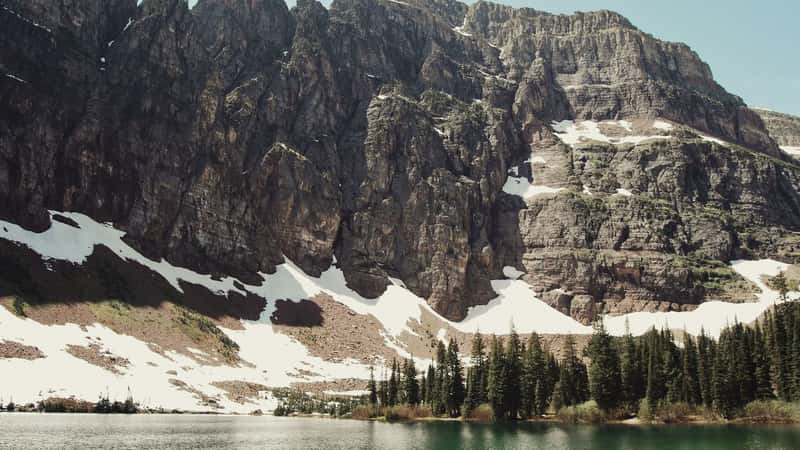
Inherit the Wild: Preserving America’s Natural Legacy for 250 Years – Image for illustrative purposes only (Image credits: Unsplash)
In the summer of 1776, delegates making their way to Philadelphia for the signing of the Declaration of Independence moved through a landscape that still felt largely untouched. Vast forests covered much of the eastern half of the continent, rivers ran without interruption from mountain headwaters to the sea, and wetlands spread across enormous stretches of what would become the contiguous United States. Two hundred fifty years later, the country prepares to mark its semiquincentennial, and the contrast between that original setting and the present day raises a clear question about what has been retained and what has been altered.
The Continent the Founders Crossed
Historical accounts describe a nation whose early growth drew directly on abundant natural resources. Forests supplied timber for homes, ships, and fuel. Free-flowing rivers supported fisheries and transportation. Wetlands filtered water, absorbed floods, and sustained diverse wildlife. These systems operated on a scale that later generations would struggle to imagine.
Indigenous communities had long understood the connections between people and these environments. Their knowledge emphasized that healthy lands and waters sustained human communities in return. Early European settlers encountered this reality as they expanded, often viewing the same features through a different lens of immediate utility.
Changes That Accumulated Over Time
More than half of the nation’s original wetlands have been lost since 1776. Thousands of dams and barriers now segment rivers that once supported migrations of salmon, sturgeon, and other species. The American chestnut, once a dominant tree across Appalachian forests, has been reduced to scattered remnants by disease. These shifts occurred gradually, driven by agriculture, industry, and urban development.
The consequences reached beyond wildlife. Native Nations saw ancestral territories taken and traditional food sources disrupted, most dramatically with the near disappearance of bison herds that once numbered in the tens of millions. Marginalized communities often felt the effects of environmental decline first and most severely. Recognition of these intertwined losses came slowly.
Turning Points That Shifted the Trajectory
A dramatic event in 1969 helped crystallize public concern. An oil slick on Ohio’s Cuyahoga River caught fire, producing images that circulated widely and forced a national reckoning with pollution levels. The incident contributed to stronger environmental laws in the years that followed.
Recovery stories emerged alongside the setbacks. The bald eagle population in the lower 48 states fell to just 417 nesting pairs by 1963, largely because of the pesticide DDT. A ban on the chemical, combined with protections under the Endangered Species Act, allowed the species to rebound across much of its former range. In contrast, the passenger pigeon, once so numerous that flocks darkened the sky for hours, vanished entirely; the last known individual died in 1914.
More recent efforts show what coordinated action can achieve. The removal of four dams on the Klamath River, completed in the largest such project in U.S. history, reopened hundreds of miles of habitat. Within months, salmon returned to sections of the river where they had not spawned in generations. Leadership from Native Nations played a central role in making the project possible.
Public attitudes also reflect a broad base of support. A survey conducted last year by World Wildlife Fund found that 73 percent of Americans view nature as an essential part of the country’s cultural identity and consider its care a civic responsibility. This shared perspective cuts across many other divisions.
What the Next 250 Years May Hold
The decisions made in the coming decades will shape the landscapes inherited by Americans gathering for the nation’s 500th anniversary in 2276. Some losses cannot be reversed, yet documented recoveries demonstrate that targeted interventions can restore function to rivers, forests, and wildlife populations. Science, policy, and community leadership working together have produced measurable results in the past.
The original abundance of 1776 will not return in full, but the remaining wild places continue to offer tangible benefits: flood protection, clean water, carbon storage, and opportunities for recreation and reflection. How much of that inheritance is safeguarded will depend on choices made now.
Key points to consider
- More than half of historic wetlands have been lost, yet remaining ones still provide critical services.
- River barriers number in the hundreds of thousands, though large-scale removals have reopened migration routes.
- Species recoveries such as the bald eagle show that legal protections and scientific action can reverse declines.
- Public support for conservation remains high across demographic lines.
The story of America’s natural systems over 250 years is one of both erosion and renewal. The country that celebrates its founding this year still contains stretches of forest, river, and wetland that echo the conditions the signers of the Declaration would have recognized. Preserving and restoring what remains offers a concrete way to carry that inheritance forward.