You might assume that every national park in America draws massive crowds, filling parking lots and trails with endless streams of visitors. Yet the reality looks strikingly different across much of the park system. Just under 12,000 recreation visits were logged at Gates of the Arctic in 2024, while Great Smoky Mountains National Park saw 12.1 million visitors the same year. That enormous gap tells a story about which parks Americans are visiting and which they’re leaving behind.
The landscape of national park visitation in 2025 reveals intriguing patterns. 30% of consumers planning vacations intend to visit a U.S. National Park, while another 6% had planned to visit but changed their minds. Of those who altered their itinerary, 39% cited concerns about the condition of the parks and available services due to federal government layoffs. Here’s a look at fifteen parks where visitor numbers remain surprisingly low despite their incredible landscapes.
Gates of the Arctic National Park, Alaska
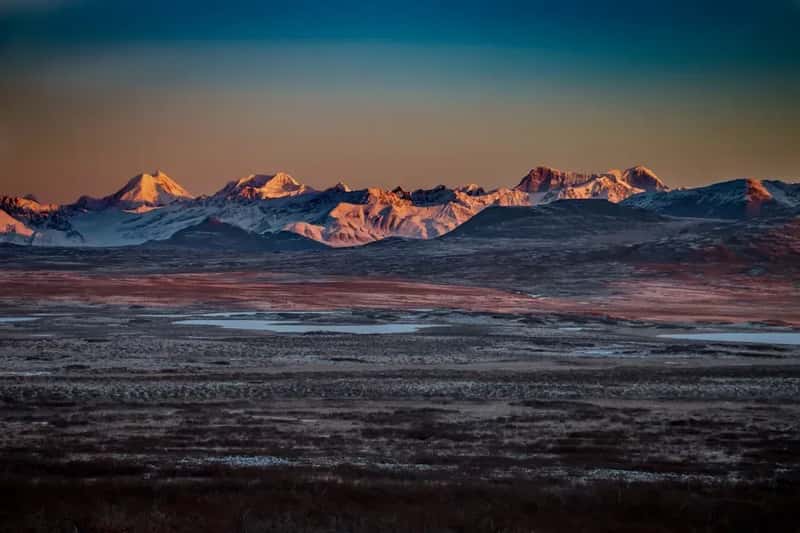
With no roads, no trails, no cell service and no established campsites, this massive expanse is a true wilderness experience. There are no roads or trails in this wilderness. Just under 12,000 recreation visits were logged there in 2024. Honestly, you can understand why most travelers give this one a pass. Getting there requires chartering a bush plane, and once you land, you’re entirely on your own in one of the most isolated places on the continent. The park sits completely above the Arctic Circle, making it inaccessible by car and prohibitively expensive for the average family vacation.
Let’s be real, the lack of any infrastructure whatsoever makes this park a no-go for casual visitors. There’s no visitor center to orient yourself, no marked trails to follow, and no ranger stations if something goes wrong. Gates of the Arctic National Park and Preserve in Alaska was the least-visited U.S. national park last year, and it will likely hold that position for years to come.
North Cascades National Park, Washington
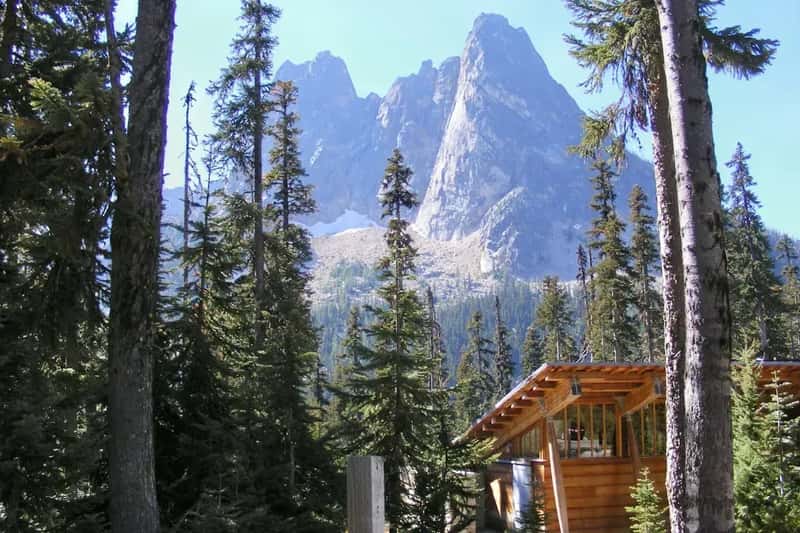
Remarkably close to Seattle yet profoundly overlooked, North Cascades remains one of the country’s best-kept secrets. The rugged and hard-to-access North Cascades reached a new low, with 24,000 fewer visitors in 2024 than in 2023. North Cascades National Park saw only 16,485 visitors in 2024. This decline is striking considering the park’s stunning glacier-covered peaks and over three hundred pristine alpine lakes.
The park’s dramatic drop in visitation reflects both its challenging terrain and limited road access. This wilderness sees a fraction of the visitors of Washington’s other national parks – Olympic and Mount Rainier. Most of the backcountry requires serious hiking skills and multi-day backpacking trips, deterring visitors who prefer drive-up viewpoints.
Kobuk Valley National Park, Alaska
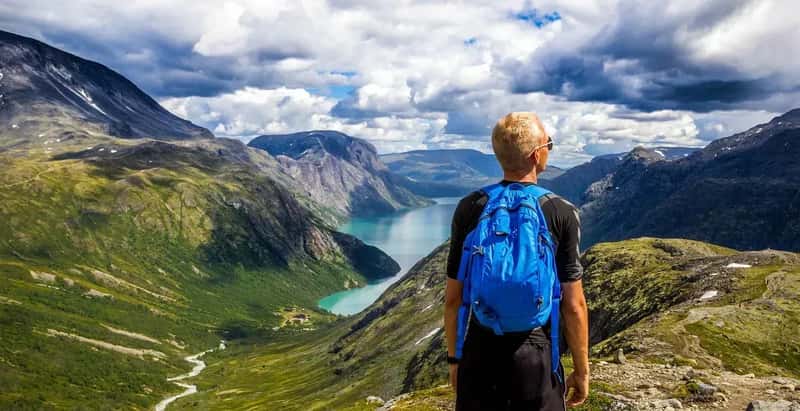
Kobuk Valley National Park had 17,233 visitors in 2024. There are no roads, campgrounds or entrance gates for this 1.8 million-acre expanse’s human visitors. The park features towering sand dunes and migrating caribou herds that number in the hundreds of thousands during seasonal crossings. Yet reaching this spectacle requires flying into one of the surrounding villages, most of which have populations numbering in the hundreds.
Here’s the thing: without basic facilities and with such extreme remoteness, Kobuk Valley appeals only to the most hardcore wilderness enthusiasts. Visitors must be completely self-sufficient, carrying all their own food, water purification systems, and emergency equipment. The expense of getting there easily runs into thousands of dollars per person, pricing out most American families.
Lake Clark National Park & Preserve, Alaska
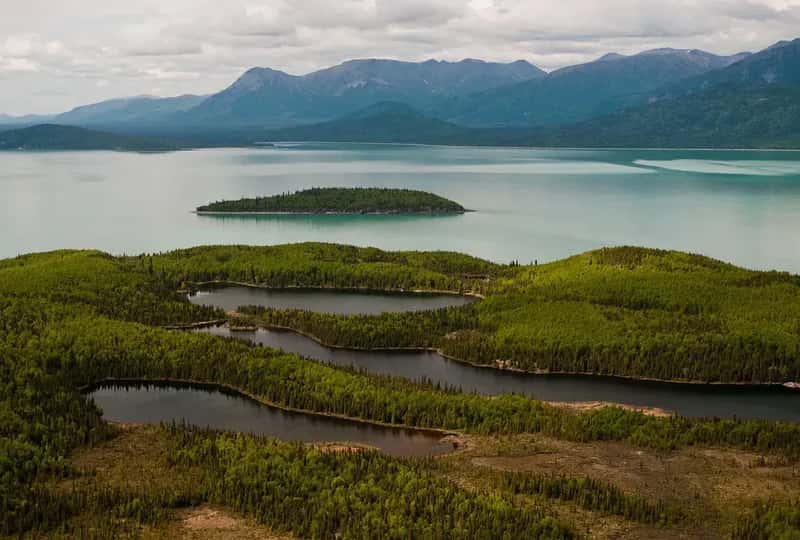
Lake Clark National Park & Preserve stretches across more than 4 million acres and is home to three designated Wild Rivers and abundant wildlife. The park saw 18,505 visitors in 2024. The preserve combines lush forests, pristine alpine lakes, and active volcanoes into one spectacular package. Brown bears congregate along salmon streams in numbers that rival Katmai’s famous Brooks Falls.
Access remains the critical barrier. You can only reach Lake Clark by float plane or boat, with no roads penetrating the park’s boundaries. Small aircraft departures from Anchorage or Kenai provide the only practical entry points, adding several hundred dollars minimum to any trip. The lack of established campgrounds and trails means visitors need advanced wilderness skills just to survive, let alone enjoy, this remote landscape.
Isle Royale National Park, Michigan
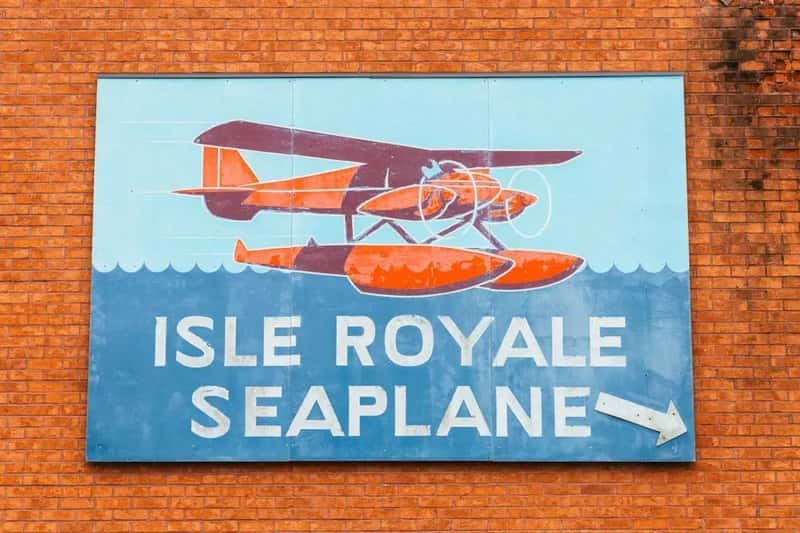
Isle Royale National Park had 28,806 visitors in 2024. This island wilderness in Lake Superior offers something increasingly rare: true solitude amid old-growth forests and rocky shorelines. The park is famous among ecologists for its wolf and moose populations, which have provided decades of predator-prey research data. Backpackers who make the journey often spend days hiking the island’s trail network without encountering another soul.
The catch? You need to take either a seaplane or a ferry boat to reach the island, and once there, you’re committed to staying. Ferry schedules limit flexibility, and rough lake conditions can delay departures for days. There are no roads, no vehicles, and no supply stores once you arrive. Everything you need must come with you or be mailed ahead to the island’s small lodge, making spontaneous visits essentially impossible.
Katmai National Park & Preserve, Alaska
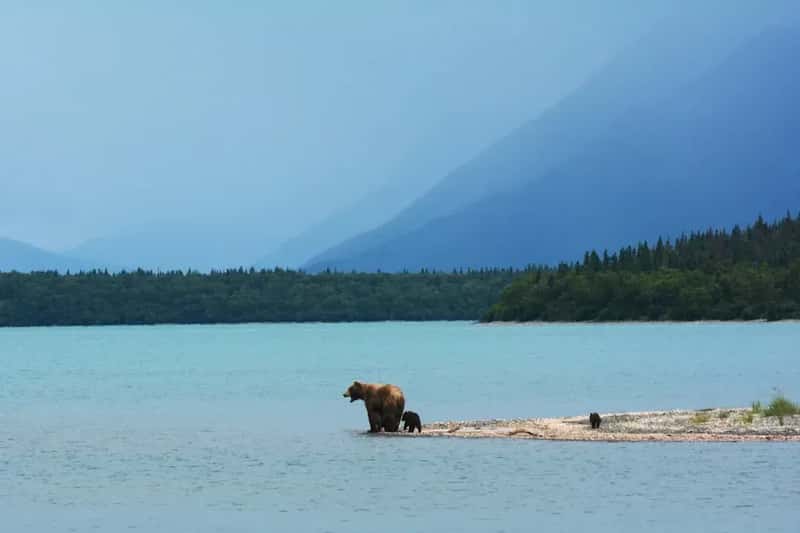
Katmai National Park & Preserve saw 36,230 visitors in 2024. The park is globally renowned for Brooks Falls, where dozens of brown bears gather each summer to catch leaping salmon. Those iconic images of bears with open mouths waiting for fish? They come from Katmai. The park also contains the Valley of Ten Thousand Smokes, a volcanic wasteland created by one of the twentieth century’s most powerful eruptions.
Yet Katmai’s remote location in southwest Alaska keeps visitation remarkably low. Most visitors arrive via expensive float plane from the town of King Salmon, itself accessible only by air. Limited accommodations within the park mean booking lodge rooms up to a year in advance, and camping requires permits plus serious bear safety knowledge. Day visitors pay several hundred dollars just for the round-trip flight, making this one of America’s most expensive park experiences.
Wrangell-St. Elias National Park, Alaska
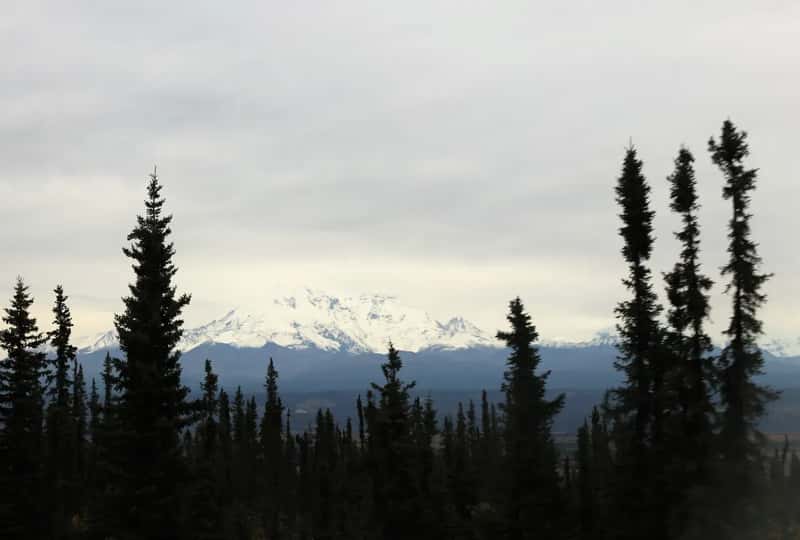
Wrangell-St. Elias National Park & Preserve had 81,670 visitors in 2024. At over thirteen million acres, this is America’s largest national park by a staggering margin. The park contains nine of North America’s sixteen highest peaks and the continent’s greatest concentration of glaciers. Historic mining towns like Kennecott offer glimpses into Alaska’s copper boom era.
Despite having two rough gravel roads that technically penetrate the park, Wrangell-St. Elias remains intimidatingly vast and undeveloped. The McCarthy Road tests even experienced drivers with its narrow passages and lack of guardrails. Once inside, the park’s sheer size means travelers can drive for hours without seeing another vehicle. Most of the park remains completely roadless wilderness, accessible only by chartered aircraft or multi-day expeditions.
Dry Tortugas National Park, Florida
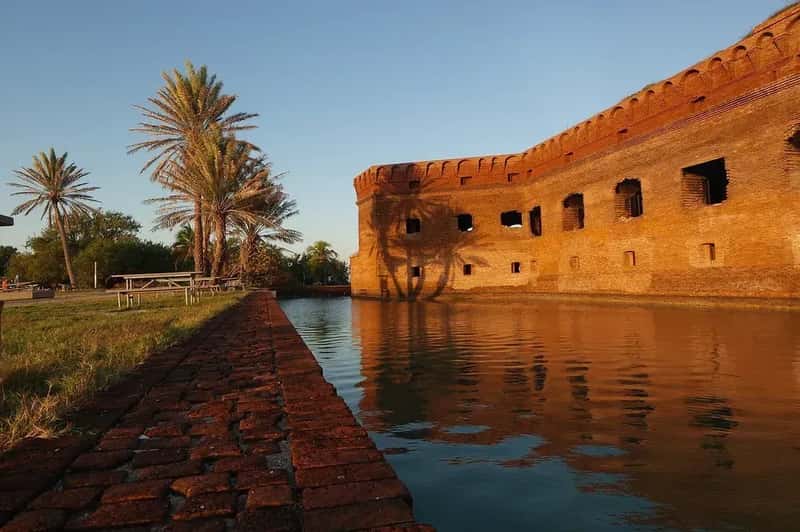
Dry Tortugas National Park in Florida ranks ninth among least-visited parks, with over 84,000 visitors last year. The park sits roughly seventy miles west of Key West in the Gulf of Mexico, accessible only by boat or seaplane. Fort Jefferson, a massive hexagonal fortress built in the nineteenth century, dominates Garden Key. The surrounding waters offer some of the best snorkeling and diving in North America, with crystal-clear visibility and abundant marine life.
The logistics of visiting create natural limits on visitation. Ferry trips take over two hours each way, and rough seas sometimes cancel departures entirely. Camping requires advance reservations months ahead for the tiny campground. Everything from drinking water to sunscreen must be carried in, and there are no facilities beyond composting toilets. Day-trippers face a four-hour round trip on the water for maybe four hours on the island, which simply doesn’t appeal to many travelers.
Guadalupe Mountains National Park, Texas
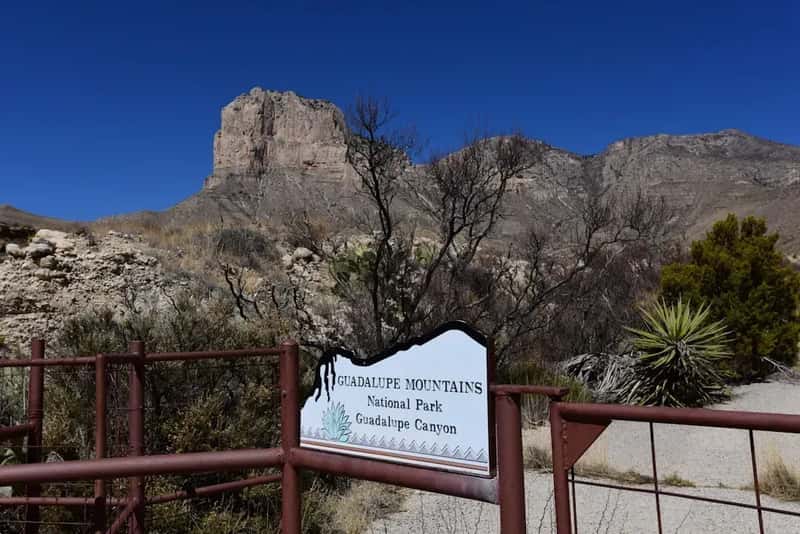
Guadalupe Mountains National Park had 227,340 annual visitors. Guadalupe Mountains National Park actually set an all-time record in attendance in 2021 with 243k visitors, before declining slightly in the years since. The park contains Texas’s highest peak and transitions from Chihuahuan Desert lowlands to high-elevation pine forests. Fall brings spectacular foliage displays in McKittrick Canyon, one of the Southwest’s most beautiful autumn destinations.
The park’s remote location in far west Texas, hours from any major city, keeps visitation modest. El Paso lies over one hundred miles away, and the nearest significant town is tiny Carlsbad, New Mexico. Summer heat makes desert hiking dangerous, while winter storms can dump snow on higher elevations. The narrow window of comfortable weather, combined with the long drive required to reach the park, limits its appeal to most Texans who have Big Bend as an alternative.
Great Basin National Park, Nevada
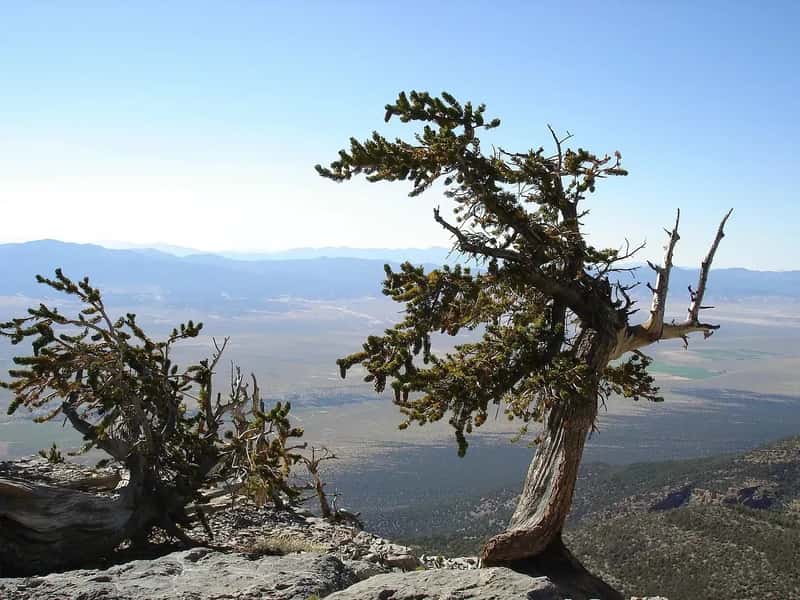
Great Basin National Park welcomed just 144,875 visitors in recent years, making it one of America’s most overlooked treasures. Tucked away in eastern Nevada near the Utah border, this park offers something you won’t find anywhere else in the state – ancient bristlecone pines that have been alive for over 4,000 years, making them among the oldest living organisms on Earth. The park also features Lehman Caves, a stunning marble cavern system with intricate formations that rivals anything Carlsbad has to offer. But here’s the kicker: Nevada’s only national park gets less attention than a single Las Vegas casino, despite offering some of the darkest night skies in the Lower 48 for stargazing. The problem? Most people racing across Nevada on I-80 or heading to Lake Tahoe never even realize this park exists. It’s positioned in the middle of nowhere, requiring a significant detour from any major highway, and the nearest city of any size is Salt Lake City, a good four-hour drive away. The park’s high elevation means unpredictable weather can shut down access to Wheeler Peak and the scenic drive without warning, frustrating visitors who’ve made the long journey.
Congaree National Park, South Carolina
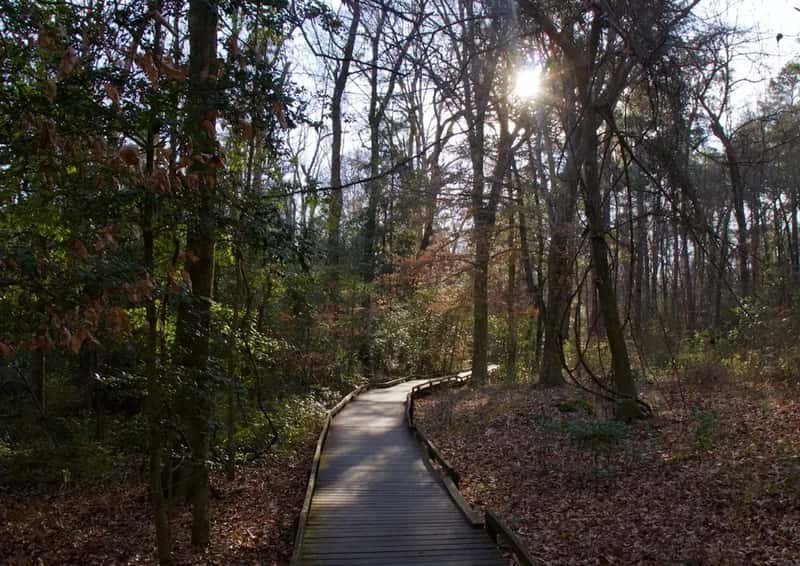
Congaree National Park sits in central South Carolina like a forgotten secret, drawing only around 215,000 visitors annually despite being one of the most accessible parks on this list. What makes this place special? It protects the largest intact expanse of old-growth bottomland hardwood forest left in the United States – basically a primeval swamp forest that looks like something out of a fantasy novel. The towering trees here create a cathedral-like canopy, and the park’s 2.4-mile boardwalk loop lets you explore this otherworldly landscape without getting your feet wet. Yet most Americans have never even heard of it, probably because swamps don’t exactly scream “vacation destination” like mountains or beaches do. The reality is that Congaree battles some serious PR problems: the word “swamp” makes people think of mosquitoes and alligators (both of which are definitely present), and South Carolina isn’t exactly known as a national park destination when you’ve got the Smokies just a few hours north. Summer visits can be brutally hot and humid, with bugs so thick they’ll drive you back to your car, which is why the park sees its highest visitation in the cooler months when the experience is actually pleasant.
Channel Islands National Park, California
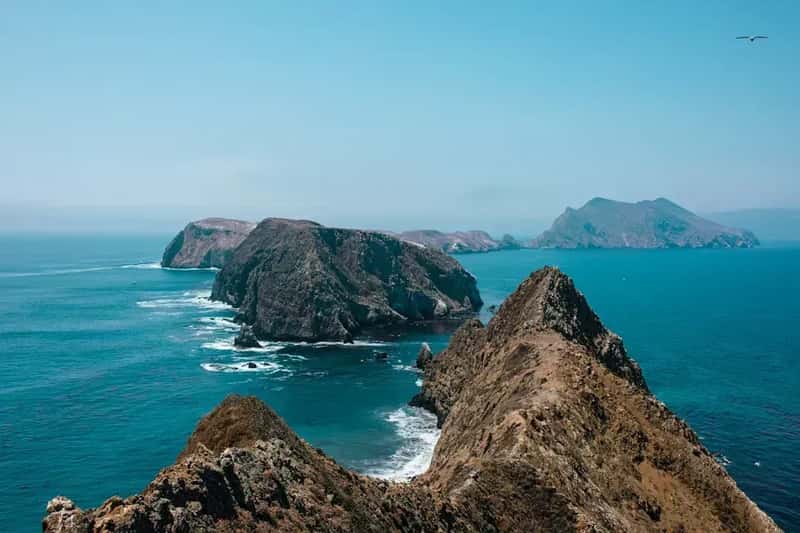
Here’s a head-scratcher for you: California has a national park that’s literally called the “Galápagos of North America,” and yet it barely registers 400,000 visitors a year while Yosemite drowns in over 4 million. Channel Islands National Park sits just off the coast of Southern California – you can actually see it from the mainland on a clear day – but it might as well be on another planet for how few people make the journey. The catch? You can’t just drive there. Getting to the islands requires either a boat ride (which can be pricey and rough) or a small plane, and that barrier alone sends most tourists running back to the crowded beaches of Santa Monica instead. Once you’re there, though, you’ll find five pristine islands with unique wildlife found nowhere else on Earth, including the island fox that’s about the size of a house cat. The park offers incredible kayaking through sea caves, world-class snorkeling, and hiking trails with jaw-dropping coastal views, but Americans seem weirdly resistant to the idea of a national park that requires actual planning and effort to reach. Plus, the weather can be unpredictable with strong winds and choppy seas, making many visitors seasick before they even set foot on the islands.
Black Canyon of the Gunnison National Park, Colorado
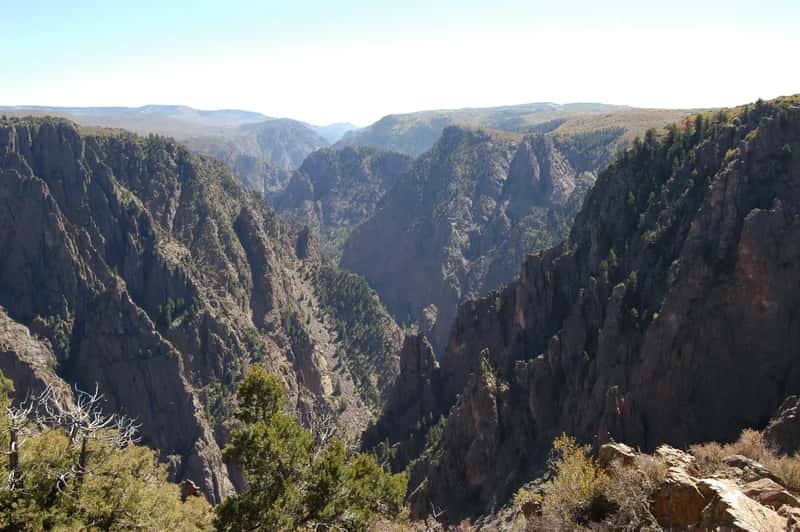
Colorado’s got Rocky Mountain National Park pulling in nearly 5 million visitors annually, but mention Black Canyon of the Gunnison and you’ll get blank stares from most Americans – despite it being home to some of the most dramatic cliff faces in North America. This park protects a 48-mile stretch of canyon that’s so narrow and deep that sunlight only hits the bottom for about 33 minutes a day in certain sections. We’re talking sheer rock walls plunging 2,700 feet down to the Gunnison River below, creating what geologists call one of the steepest canyons on the continent. The problem? Americans have gotten lazy about their national park experiences, and Black Canyon demands you actually get out of your car and walk to the rim overlooks to appreciate its shocking depth – there’s no drive-through Instagram moment here. The park only sees around 430,000 visitors a year, partly because it’s tucked away near Montrose rather than along a major tourist corridor, and partly because the vertiginous drops genuinely freak people out. Plus, summer temperatures can be brutal, and winter access gets seriously limited by snow, making the visitation window narrower than parks with year-round appeal.
Why Americans Are Really Avoiding These Hidden Gems
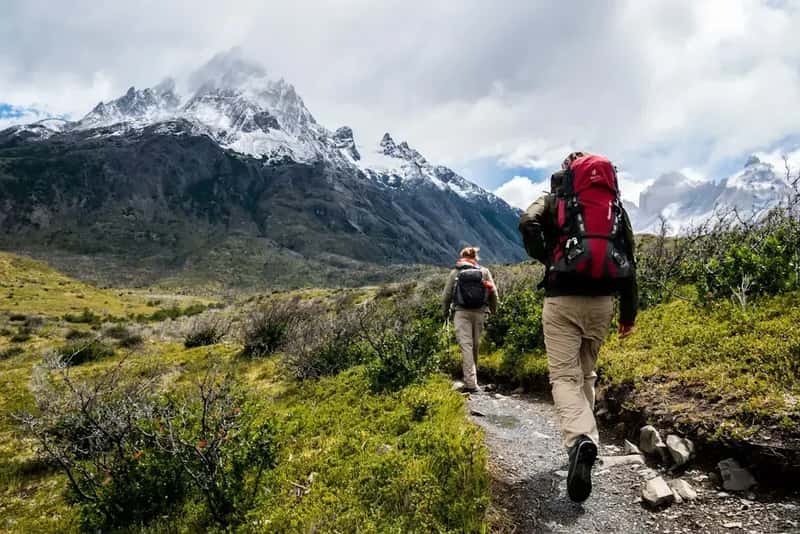
Let’s be brutally honest about what’s happening here – Americans have turned national park visits into a social media checklist rather than actual wilderness experiences, and these lesser-known parks don’t fit the Instagram aesthetic we’ve become addicted to. You can’t get that perfect sunrise shot at Delicate Arch or that crowded Jenny Lake selfie at these remote locations, so they get completely ignored despite offering genuinely superior solitude and untouched landscapes. The average American now spends just 4-5 hours in a national park according to recent visitor surveys, basically treating these protected wilderness areas like roadside attractions between hotel stops. These overlooked parks require actual commitment – multi-day planning, physical effort, expensive flights or long drives to the middle of nowhere, and worst of all, they force you to disconnect from cell service and actually experience nature without constant digital validation. It’s revealing that parks like Yellowstone and Grand Canyon see traffic jams and hour-long waits for parking while places like Gates of the Arctic remain virtually empty, proving we’d rather deal with crowds at famous spots than discover something genuinely wild and untouched. The tourism industry hasn’t helped either, funneling travelers toward the same dozen parks with package deals and guided tours while completely ignoring these spectacular alternatives that offer everything people claim they want from nature.
The Real Cost of Chasing Instagram-Famous Parks Instead

Here’s what nobody talks about – visiting the overcrowded famous parks is actually costing Americans way more money and destroying their vacation experiences in the process. Families are dropping $3,000-5,000 on trips to Yellowstone or Yosemite only to spend half their time stuck in traffic, fighting for parking spots at 6 AM, and elbowing through crowds just to glimpse Old Faithful for 90 seconds before the next wave of tourists pushes them along. The lodging situation at popular parks has become absolutely insane, with rooms inside Yosemite Valley booking out 366 days in advance and costing $500+ per night for basic accommodations that wouldn’t pass for a budget motel anywhere else. Meanwhile, you could fly to Alaska, rent a floatplane to Lake Clark, and have an entire pristine wilderness practically to yourself for roughly the same total cost – but without the stress, crowds, or feeling like you’re touring a theme park instead of nature. The irony is painful: we’re paying premium prices for degraded experiences at famous parks while free or cheap camping near overlooked parks sits empty, offering the authentic wilderness adventure that people claim they’re seeking but apparently don’t actually want.