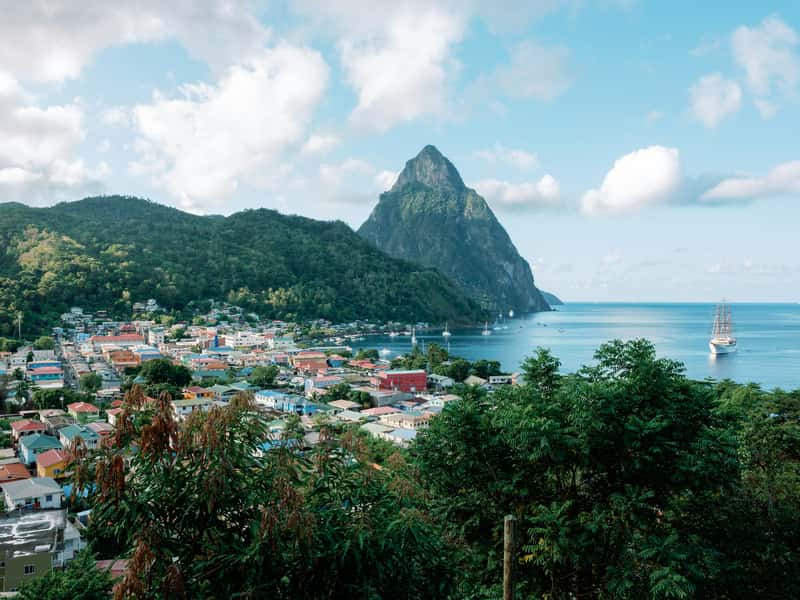
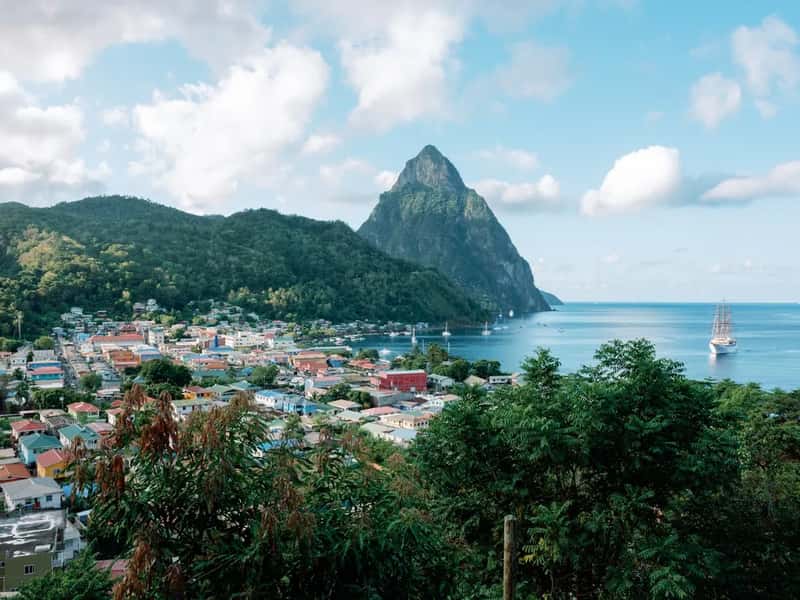
Saint Lucia has long been marketed as one of the Caribbean’s dreamiest escapes, the kind of place with jagged green pitons rising out of turquoise water and honeymoon suites tucked into volcanic cliffs. That reputation just took a hit. The U.S. State Department has officially moved the island from its lowest risk category to a higher warning level, and the change is prompting travelers to rethink how carefully they plan their trips.
The update, which took effect in mid July 2026, does not mean Americans should cancel their vacations outright. Still, it does signal a meaningful shift in how the U.S. government views safety conditions on an island that welcomed hundreds of thousands of American visitors last year alone.
A Popular Paradise Faces a New Warning
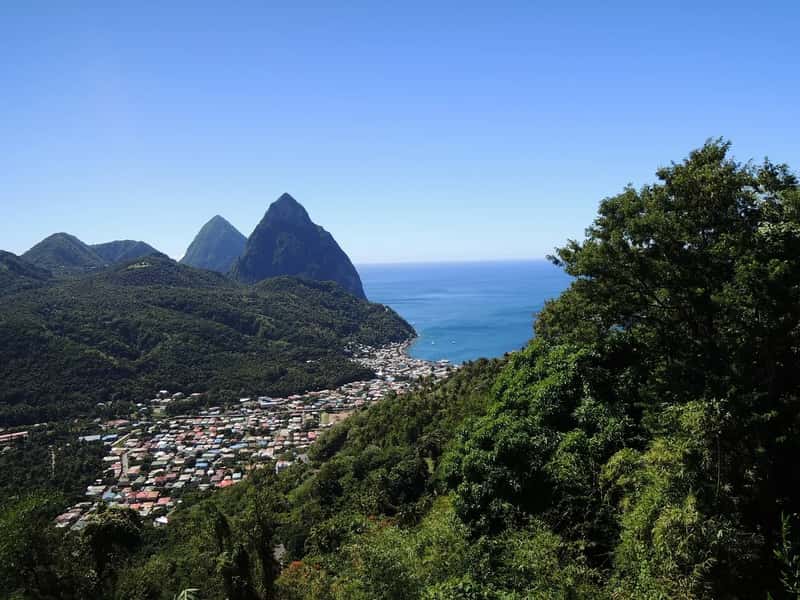
Saint Lucia has built its tourism brand around volcanic black sand beaches, dramatic mountain scenery, and upscale all-inclusive resorts that draw honeymooners from across North America. The island is known for its volcanic black sand shores, staggering pitons, rejuvenating mud baths, and posh all-inclusive resorts. That popularity has made the recent advisory update sting even more for an island that had previously enjoyed one of the safest classifications available.
Saint Lucia is a common getaway location for vacationing Americans, with more than 258,000 stopover visitors from the United States in 2025 alone. That kind of traffic makes the island a major economic engine for the region, which is exactly why the new warning has caught the attention of travelers and industry watchers alike.
What the New Level 2 Advisory Actually Says
The State Department updated its travel advisory level for Saint Lucia on Friday, raising it to Level 2, Exercise Increased Caution, due to existing crime risk. The language used in the update is notably blunt for a destination once considered a safe, easygoing island getaway.
The advisory states that violent crime can occur anywhere in Saint Lucia, and that U.S. citizens and other foreigners have been victims of armed robbery, assault, burglary, and rape, adding that in some cases U.S. citizens have been killed, while clarifying that Americans are not specifically targeted, though guests at tourist resorts have been subject to violent crimes. That last point is what has rattled some travelers the most, since resort compounds are typically viewed as sealed off from outside risk.
From Level 1 to Level 2: What Changed
Just months earlier, Saint Lucia sat comfortably at the bottom of the State Department’s four tier scale. As of February 2026, the U.S. State Department Travel Advisory for St. Lucia remained at Level 1, Exercise Normal Precautions, the lowest possible advisory level. That status placed the island alongside some of the safest countries in the world for American travelers.
The jump to Level 2 puts Saint Lucia in the same bracket as several other well known warm weather destinations. As of July 10, Saint Lucia has been stamped with a Level 2, Exercise Increased Caution label, still on par with the likes of Cancun and Nassau, but no longer in the same low advisory group as Aruba, among others. For an island that once traded on its reputation as one of the calmer corners of the Caribbean, that reclassification is a notable shift.
The Ladera Resort Alert That Raised Eyebrows
Months before the broader advisory change, a narrower but striking warning had already put Saint Lucia on the radar of cautious travelers. In a highly unusual move, the U.S. Embassy issued a specific and rare security alert advising against Ladera Resort, one of St. Lucia’s most iconic properties, explicitly barring U.S. government employees from staying there due to safety risks. It is exceptionally uncommon for embassies to single out one specific hotel rather than issue broader regional guidance.
Local tourism officials pushed back on the scale of the concern at the time. The incident referenced formed part of a limited series of robberies that occurred within a specific timeframe and location in the southwestern region of the island during the latter part of 2025, and those matters have since been addressed and brought under control, according to the Saint Lucia Tourism Authority. Even so, the episode foreshadowed the wider advisory bump that would follow just months later.
Crime Trends Behind the Warning

The numbers help explain why officials grew more cautious. Between 2021 and 2023, Saint Lucia recorded its highest murder totals in history, peaking at 76 homicides in 2022 and 75 in 2023. Those figures were striking for an island nation with a population of only around 180,000 people.
There are signs of improvement, though the picture is mixed. In 2025, overall crime rates dropped by an impressive 18 percent, according to the Royal Saint Lucia Police Force, as incidents of burglary, robbery, and other serious crimes all decreased. Even with that progress, early 2026 government reporting noted that while homicides remain a high priority, the rate began to stabilize following increased tactical operations by the Royal Saint Lucia Police Force. Stabilizing is not the same as solved, which appears to be part of why Washington opted for the more cautious classification.
Areas Tourists Should Watch Closely
Not every part of Saint Lucia carries the same level of risk, and officials have tried to be specific about where trouble tends to concentrate. Current reports from 2025 indicate that opportunistic robberies occur most frequently in high traffic areas like Rodney Bay and Castries, as well as on isolated beaches. Those are also among the busiest tourist zones on the island, which makes the warning particularly relevant for visitors.
Certain neighborhoods carry an even higher risk profile and are generally best avoided by tourists altogether. Crime remains more pronounced in certain urban and low income neighborhoods, especially in parts of Castries often linked with gang activity, with districts such as Wilton’s Yard, Conway, and Marchand reporting more incidents, mostly involving property offences and violent crimes among locals rather than tourists. Sticking to well known tourist corridors and resort areas remains the simplest way to reduce exposure.
Safety Tips Straight From the State Department

Along with the advisory upgrade, officials laid out a fairly detailed list of precautions for anyone still planning a trip. The department advised people to avoid displaying large amounts of cash, expensive electronics, and flashy jewelry when visiting Saint Lucia, and visitors should avoid walking alone, especially at night and on beaches. These are the kind of basic street smart habits that apply in many destinations, but the explicit warning underscores how seriously officials are treating the situation.
The guidance goes further into everyday scenarios travelers might not expect. Visitors were warned to avoid leaving drinks unattended in public venues due to the risk of spiking, to be aware of overcharging by locals and scams in certain tourist areas since some vendors can get aggressive, and to remain alert when visiting banks or ATMs and not physically resist any robbery attempts. Enrolling in the government’s free traveler notification program was also recommended so officials can reach Americans quickly during an emergency.
Hurricane Season Adds Another Layer of Risk
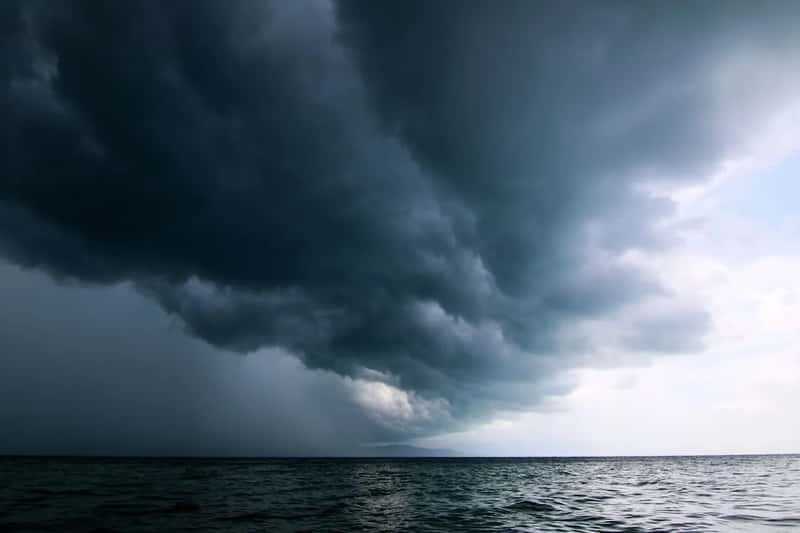
Crime is not the only concern baked into the updated guidance. While an increase in local crime is the primary reason for the sudden Level 2 upgrade, the detailed advisory also throws out a reminder about the tropical weather, since Saint Lucia regularly experiences severe hurricanes, meaning travelers visiting during the volatile summer or fall months need to stay glued to local weather reports and have a solid exit plan. July sits right in the heart of that season, which makes the timing of the advisory especially relevant for anyone booking a late summer trip.
Weather related disruptions can compound an already tense situation on the ground. Flight delays, road washouts, and power outages tend to follow tropical storms in the region, and travelers who are already navigating an elevated crime advisory have less margin for error if a storm rolls through mid trip. Packing a flexible itinerary and travel insurance that covers weather disruptions is a sensible move this time of year.
Saint Lucia Is Not the Only Island Under Watch
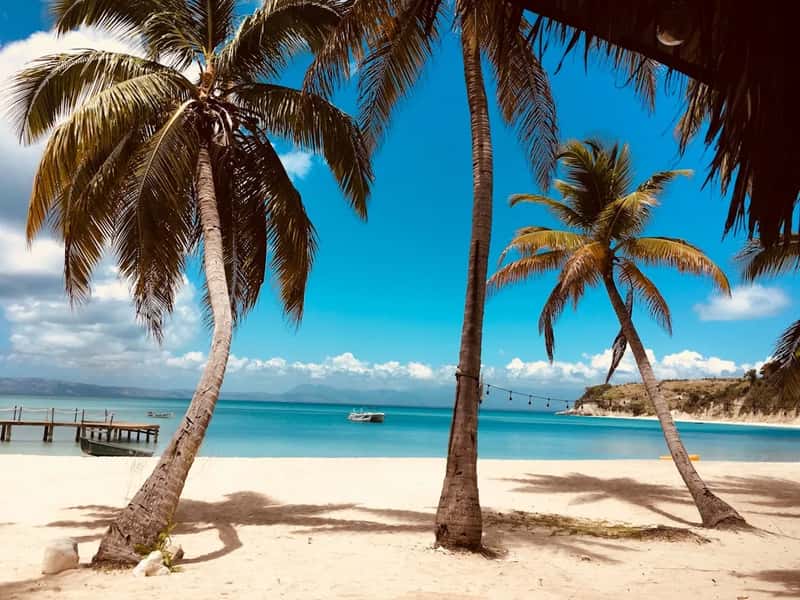
Saint Lucia’s situation reflects a broader pattern playing out across the Caribbean this summer. Americans planning a trip to the Turks and Caicos Islands are also being urged to exercise increased caution after the U.S. State Department updated its travel advisory for the popular Caribbean destination, with the islands remaining under a Level 2 advisory because of crime, including sexual assaults, updated on July 7. That update landed just days before Saint Lucia’s own advisory was revised.
Regional context matters here too. The Bahamas is under a Level 2 advisory, meaning Americans must exercise increased caution, with officials citing violent crime, including armed robberies and sexual assaults, particularly in Nassau and Freeport. Meanwhile, Barbados remains at Level 1, and while generally considered safe, authorities warn that petty theft and pickpocketing can occur in tourist areas. The pattern suggests this is less about one troubled island and more about a region wide reassessment of crime trends affecting tourists.
What This Means for Anyone Planning a Trip

A Level 2 advisory is not a reason to scrap a long planned vacation, but it is a signal to travel with more intention. Sticking to well trafficked resort areas, avoiding isolated beaches after dark, and keeping valuables out of sight are all simple adjustments that can meaningfully reduce risk. Travelers should also check the State Department’s advisory page shortly before departure, since these ratings can shift again as conditions evolve.
For now, Saint Lucia remains a stunning destination with genuinely warm hospitality and plenty of well protected tourist zones. Still, the updated advisory is a reminder that paradise, however photogenic, is not immune to real world risk. A little extra vigilance this summer could go a long way toward keeping a dream vacation exactly that.