Hawaii looks simple from a distance: beaches, sunshine, maybe a mai tai on a lanai somewhere. Once you start actually planning the trip, though, a surprising number of rules, fees, and quiet local customs come into focus that most first-time visitors never see coming.
Some of these details can save you money. Others can save you from an awkward moment with a local, or worse, a dangerous mistake in the ocean. Here is what actually matters before you book that flight to the islands in 2026.
1. Budget for the new Green Fee on top of your hotel bill
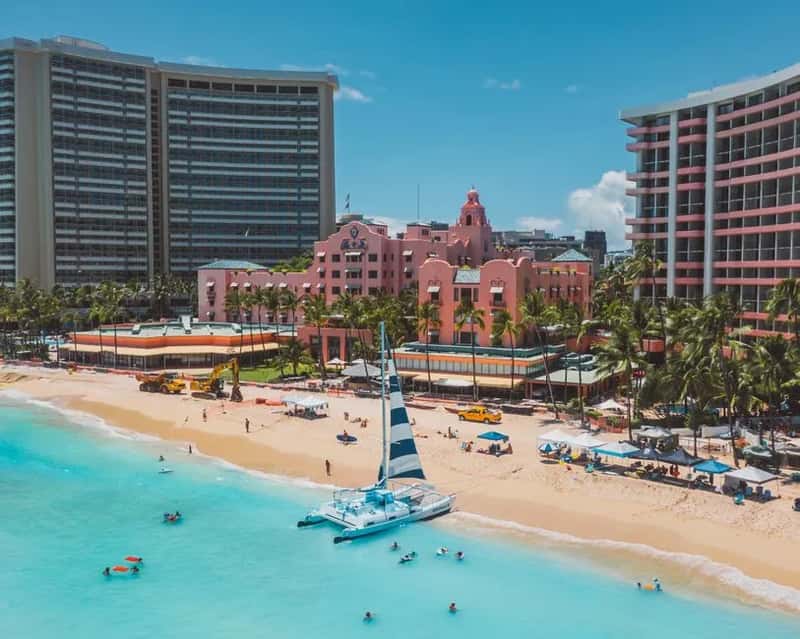
Hawaii became the first state in the nation to introduce a dedicated climate impact fee, and it is already showing up on hotel invoices. On Jan. 1, 2026, Hawaiʻi increased the statewide transient accommodations tax, or TAT, from 10.25% to 11%, with each county allowed to impose a surcharge of up to 3%.[1] The change comes from Act 96, which establishes what state officials call the nation’s first climate impact fee, referred to as the “Green Fee,” with the purpose of building funding to address the impacts of climate change.[1]
The extra cost per trip is modest. On a $400 room, the governor’s office put the added cost at about $3 per night.[2] It is worth knowing the charge is automatic rather than optional, since the fee is automatic, with no form, no separate checkout step, and no opt in.[2]
2. Pack the right sunscreen or you may not be allowed in the water
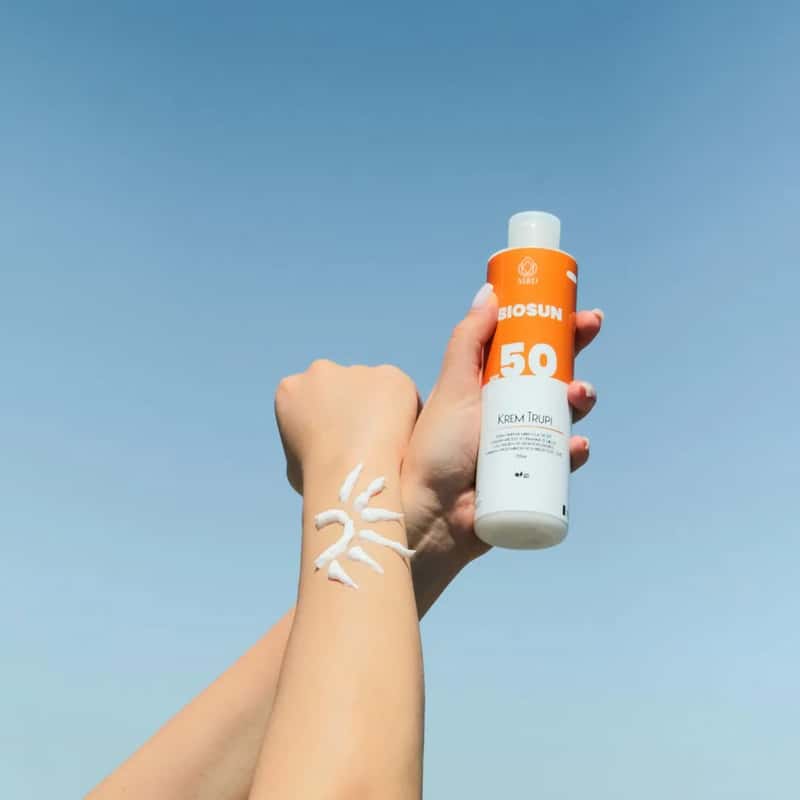
Hawaii’s reef-protection rules affect what you can bring, and what tour operators will let you use. Hawaiʻi bans the sale and distribution of sunscreens containing oxybenzone and octinoxate statewide.[3] This is not just a suggestion. Many snorkel and dive operators enforce it directly, since many tour operators will not allow guests into the water if their sunscreen does not meet their reef-safe guidelines.[3]
Maui takes it a step further. According to guidance for visitors, on Maui, bring mineral sunscreen only, with active ingredients being zinc oxide, titanium dioxide, or both.[4] Reading the ingredient list matters more than trusting the label, because biodegradable does not mean reef-safe, and a product can break down over time and still damage coral and marine organisms.[3]
3. Reserve your spot at popular natural sites well before you land
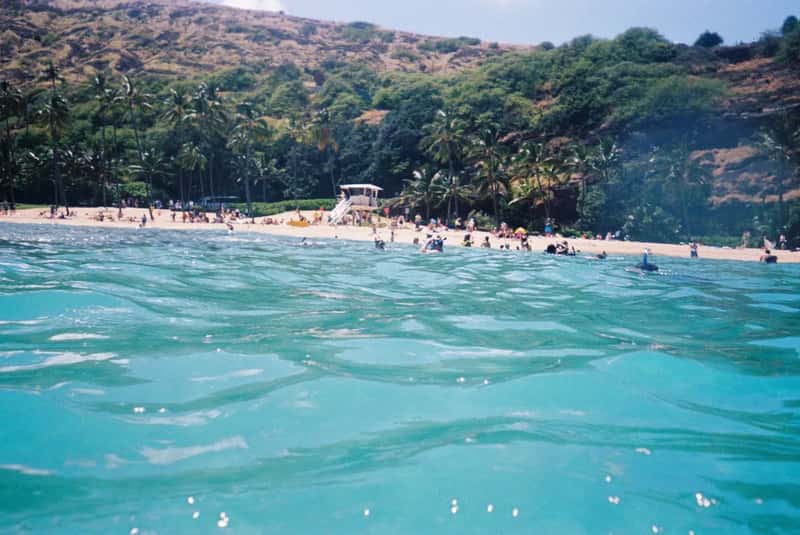
Hawaii has moved firmly toward timed-entry systems at its most visited natural attractions, and showing up without a reservation often means turning around. Locations like Hanauma Bay on Oahu and Haena State Park on Kauai now require advanced bookings, which helps manage visitor numbers and reduces overcrowding.[5] At Hanauma Bay specifically, tickets must be purchased in advance using an online reservation system, and first-time visitors are required to watch a nine-minute educational video about marine life safety and preservation.[6]
Kauai’s system is even tighter. Haena State Park has a daily visitor limit of approximately 900 people and requires advance reservations for everyone except Hawaii residents, and during peak season all pass types sell out within minutes to hours of the release.[7] Set a calendar reminder for the exact release window, because waiting even an hour can mean missing out entirely.
4. Treat Lahaina with distance and respect
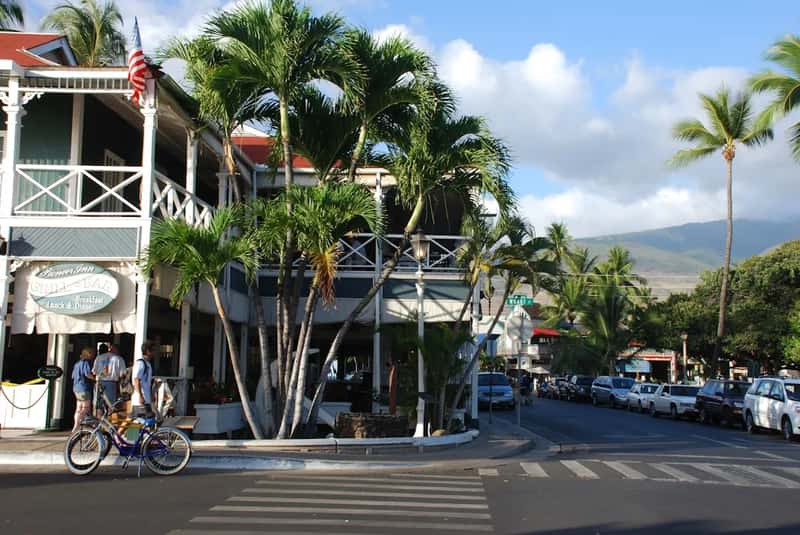
The 2023 Maui wildfires left a wound that has not fully healed, and visitors are still expected to act accordingly. The city of Lahaina on Maui remains closed to the public as recovery efforts continue from the 2023 wildfires, and visitors are asked to avoid the area out of respect.[8] This applies even if you see it listed on old itineraries or guidebooks from before the fire.
Recovery work is ongoing and uneven across the island, so checking current status before building it into a day trip is worthwhile. Redirecting your curiosity toward other West Maui towns, rather than treating a disaster zone as a sightseeing stop, is simply the decent approach.
5. Book inter-island flights early and stay flexible
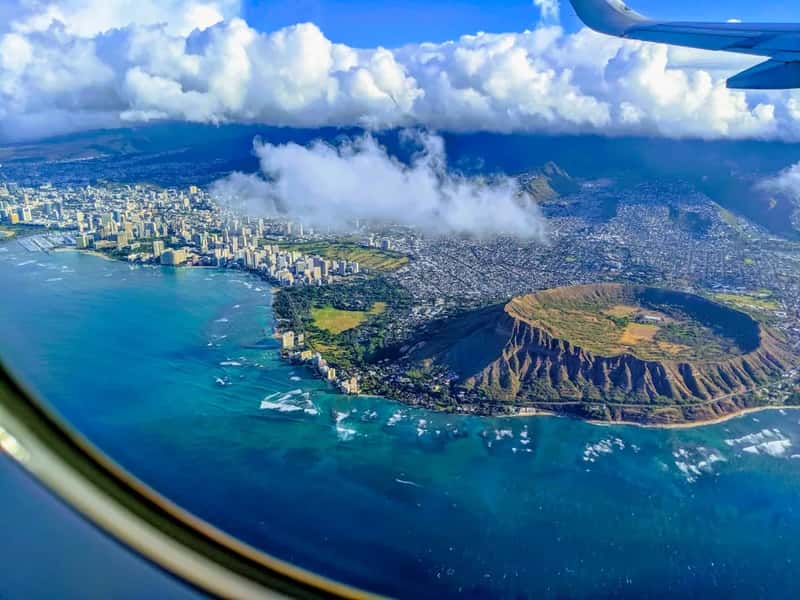
If your trip involves hopping between islands, the logistics deserve real planning. The network is primarily served by Hawaiian Airlines and Southwest Airlines, with Mokulele Airlines connecting smaller airports using nine-seater planes, and while flights are short at 20 to 50 minutes, fares can be high during peak seasons.[8] That price swing catches a lot of travelers off guard when they assume a short hop will be cheap.
The fix is straightforward. One of the key Hawaii travel tips is to book early and remain flexible with your days and times.[8] A Tuesday morning flight can cost noticeably less than a Friday evening one on the same route.
6. Confirm your ID situation before you fly
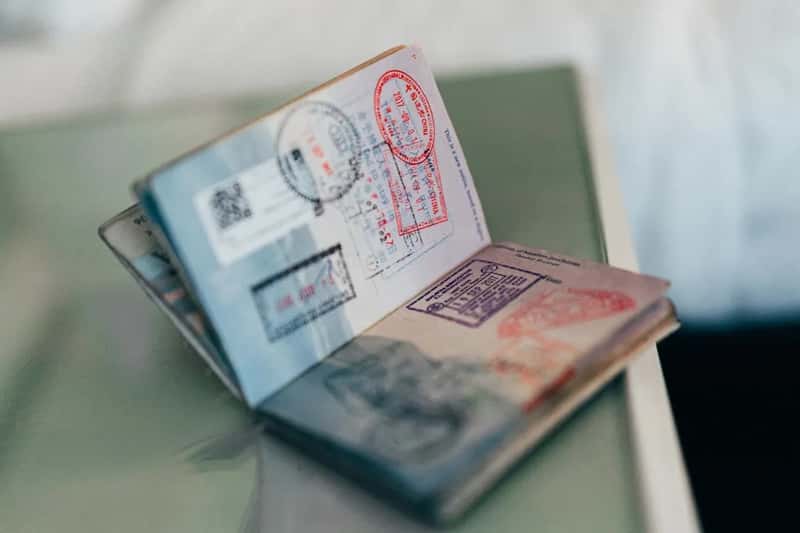
Domestic travel to Hawaii still counts as a U.S. flight, so REAL ID rules apply, but the details get more complicated for families and international travelers. Hawaiian Airlines doesn’t require a REAL ID for underage travelers but still requires some form of valid ID, like a school ID card.[9] If you’re flying with an infant, keep documentation handy, since if you’re traveling with a lap infant, you may need to show proof of their age, so it’s a good idea to check with your airline about whether you should bring a copy of their birth certificate.[9]
For visitors from outside the United States, the requirement is simple but non-negotiable. International visitors who aren’t U.S. citizens, including children and infants, need their own passports for travel to Hawaii.[9] Double-check expiration dates well before departure, since a passport expiring soon after your trip can cause problems at check-in.
7. Never turn your back on the ocean
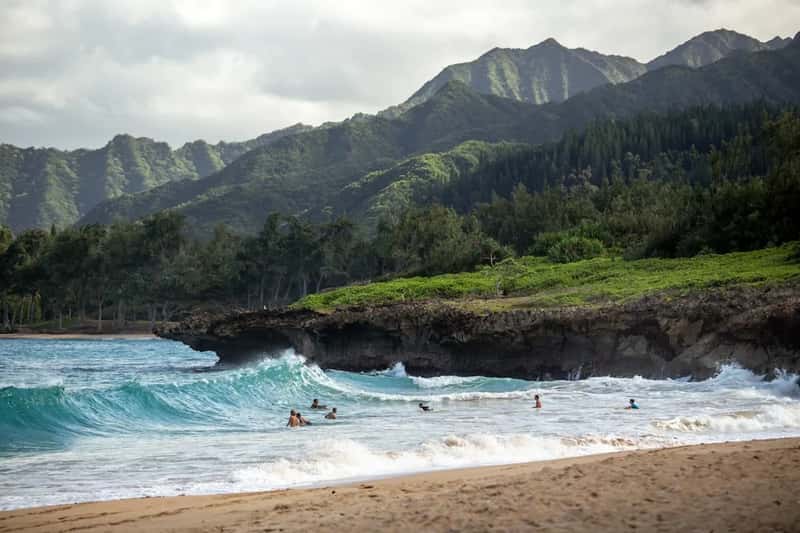
Hawaii’s beaches are stunning, but they are also genuinely powerful, with currents that catch even strong swimmers off guard. Ocean safety here is not the same as a calm mainland beach day. Rip currents can form quickly at breaks in the sandbar, shorebreak waves can knock people over in ankle-deep water, and conditions can shift dramatically between the calm morning and the choppier afternoon.
Look for lifeguard flags and posted warning signs at every beach you visit, and take them seriously even if the water looks inviting. Locals have a saying that captures it well: when in doubt, don’t go out. It sounds simple, but it is the single most useful piece of ocean advice for any visitor.
8. Pack for at least three different climates
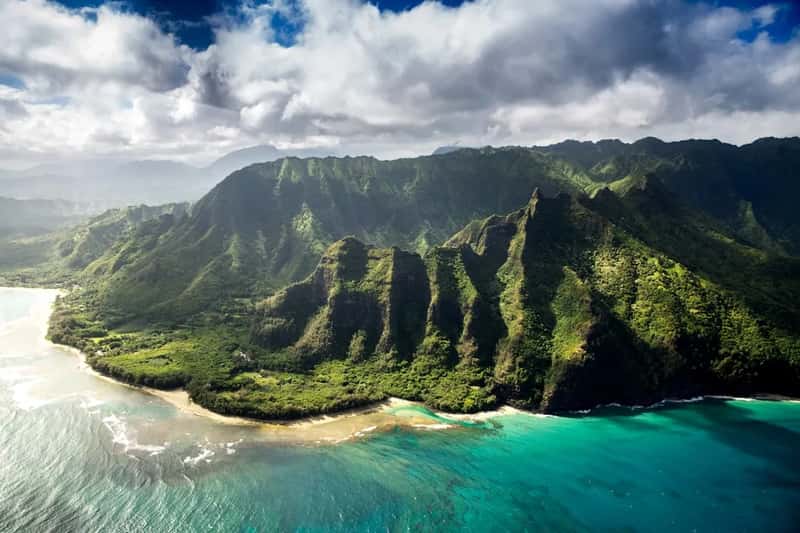
Hawaii’s weather is famously varied within a single island, let alone across the chain. A sunny beach morning in Waikiki can turn into a windy, cool afternoon at a higher elevation lookout an hour’s drive away. Rainforest zones, especially on the windward sides of Oahu, Kauai, and the Big Island, see frequent short bursts of rain even during otherwise sunny days.
Pack a light rain jacket or windbreaker alongside your beach gear, and bring closed-toe shoes if hiking is on the agenda. Volcano summits and higher-elevation drives, like the road to Haleakala on Maui or Mauna Kea on the Big Island, can be genuinely cold, sometimes near freezing at night, which surprises visitors who packed only shorts and sandals.
9. Drive with patience, not mainland habits
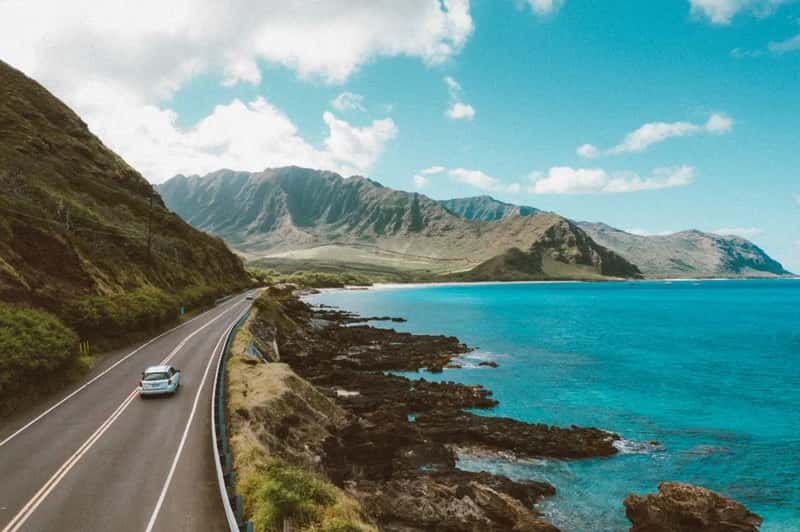
Roads in Hawaii, particularly on the outer islands, are often narrower, slower, and more community-oriented than what visitors are used to. Rental cars piling up behind a slow local driver is a common sight, and honking or tailgating is considered genuinely rude here. Many rural stretches use one-lane bridges where the unspoken rule is to let a few cars from the other direction go before it’s your turn.
Give a friendly wave or shaka when someone lets you merge or pass, since small courtesies go a long way in island driving culture. Also budget extra time for any drive that looks short on a map, because winding coastal roads and scenic pull-offs tend to slow things down more than the mileage suggests.
10. Learn what kapu signs actually mean
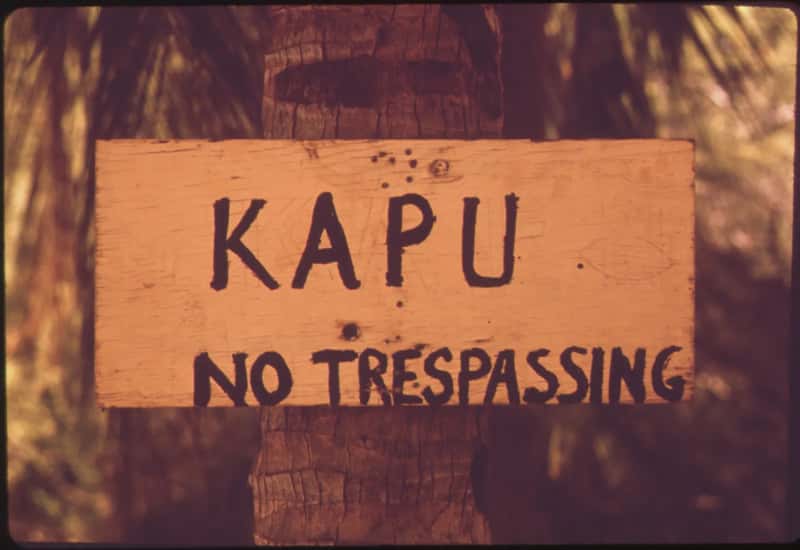
You will see the word kapu posted at certain trails, cultural sites, and portions of beaches, and it is not decorative. It signals a sacred or restricted area, often tied to Hawaiian cultural or religious significance, and ignoring it is treated as a genuine offense rather than a minor rule-break. This applies to heiau, or ancient temple sites, as well as certain burial grounds and fishing areas still used by local families.
The same respect extends to wildlife. Hawaiian monk seals and green sea turtles, both protected species, regularly rest on public beaches, and getting close for a photo is both illegal and stressful for the animal. Keep a distance of at least ten feet from turtles and considerably more from monk seals, and never attempt to touch or move them.
11. Check air quality if you’re visiting the Big Island
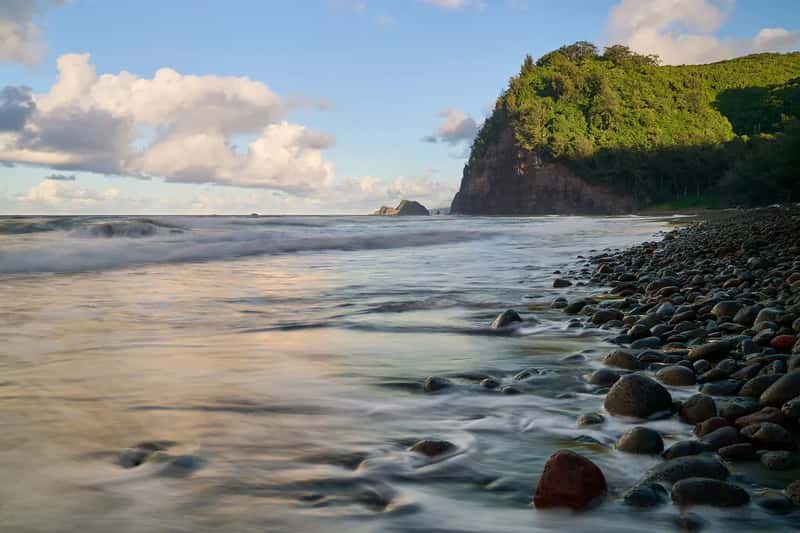
Volcanic activity on Hawaii Island can produce vog, a haze made of volcanic gases and particulates that drifts depending on wind direction. It is more than a scenic quirk. People with asthma, respiratory conditions, or heart issues can feel real effects, ranging from headaches to breathing difficulty, especially closer to active vent areas near Kilauea.
Recent storm and volcanic activity has also affected access around Hawaii Volcanoes National Park, with parts of the park periodically closed for safety reasons tied to landslides and infrastructure damage. Before heading toward the park or Volcano Village, checking current conditions and air quality readings is a quick step that can spare you an unpleasant surprise or a wasted drive.
12. Skip the temptation to pocket lava rock or sand
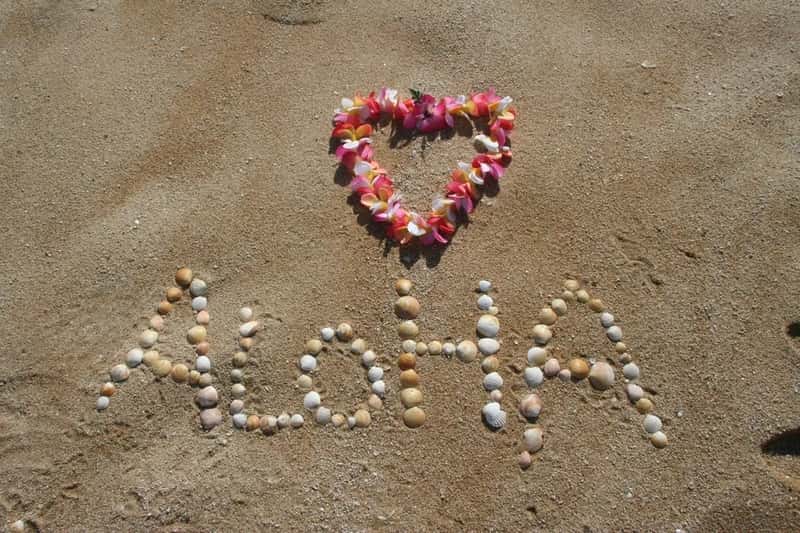
It sounds like a small souvenir, but taking lava rock, sand, or coral from Hawaii carries both legal and cultural weight. Removing natural materials from state parks and protected shorelines is against regulations in many locations, and rangers do enforce it. There is also a well-known local belief tied to Pele, the volcano deity, that bad luck follows those who remove lava rock from the islands, a story that has become something of a self-fulfilling folk legend among returning tourists who mail rocks back.
Beyond superstition, the practical reason matters more. Hawaii’s beaches lose sand naturally to erosion and rising seas, and every visitor who takes a jar home contributes to a slow, real loss. Photograph it instead. It travels better anyway.
13. Understand the new vacation rental restrictions
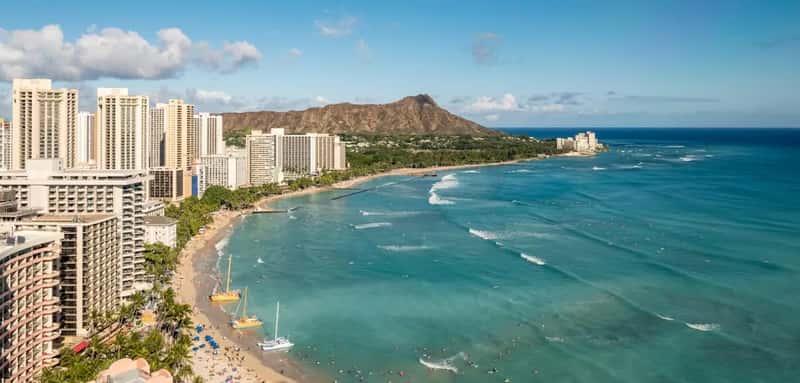
Where you can legally book a short-term rental has changed significantly on some islands, and it affects both cost and availability. Maui County has banned short-term vacation rentals in apartment-zoned areas, and the Big Island is considering similar restrictions, with the laws aimed at curbing illegal vacation rentals in residential neighborhoods.[5] This has pushed some travelers toward licensed hotels and legally zoned condos instead.
Before booking any rental through a third-party site, confirm the property is properly licensed under county rules. A listing that looks perfect but sits in a restricted zone could get cancelled on short notice, leaving you scrambling during peak season when alternatives are scarce.
14. Keep an eye on hurricane season if traveling June through November
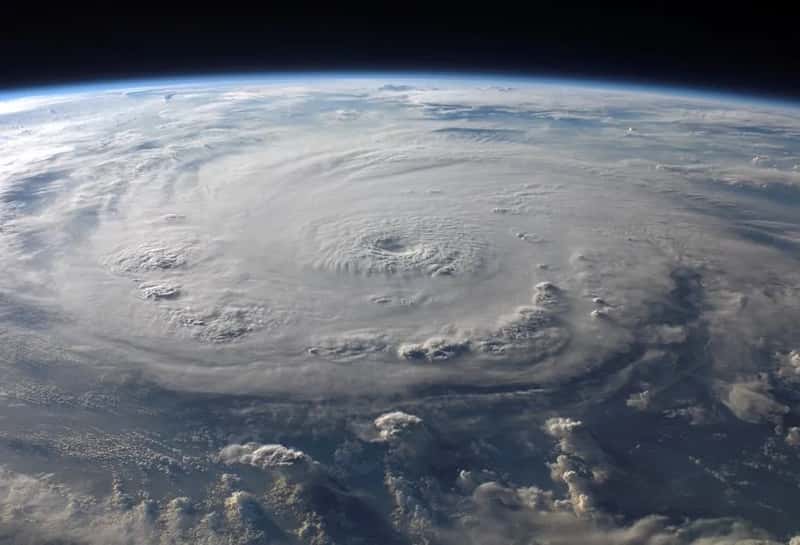
Hawaii’s hurricane season officially runs from June through November, and while direct hits are relatively rare, tropical storms and their remnants can still bring heavy rain, flooding, and temporary closures. Recent seasons have included storm activity affecting Big Island infrastructure, parks, and roads, occasionally closing attractions for days or weeks during recovery. Travel insurance that covers weather disruptions is worth considering if you’re booking a trip during these months.
Even outside a named storm, Kona storms, a local weather pattern bringing wind from the southwest, can produce unusually heavy rainfall and landslide risk on certain coastal roads and trails. Checking county civil defense updates and park status pages a few days before your trip, not just months in advance, gives you the most accurate picture of what will actually be open.
15. Set a realistic daily budget before you arrive
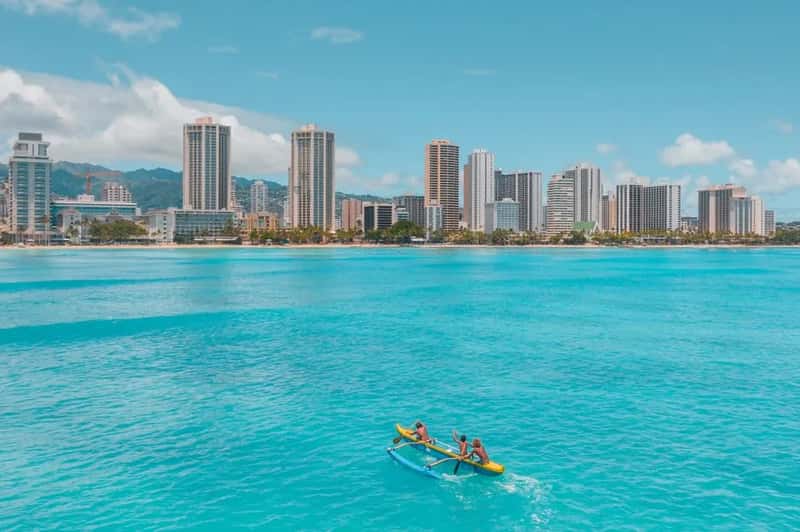
Hawaii is consistently one of the more expensive states to visit, and costs tend to surprise first-time travelers who budget based on mainland prices. Groceries, restaurant meals, and even basic essentials run noticeably higher due to shipping costs to the islands, and that gap shows up quickly once you start paying for meals outside your hotel. Add the increased hotel tax from the Green Fee, parking reservation fees at popular sites, and inter-island flight costs, and a trip can climb well past initial estimates.
Building a buffer of an extra ten to fifteen percent beyond your initial estimate is a sensible cushion for most itineraries. Renting a car with unlimited mileage, packing snacks for day trips, and choosing a condo with a kitchen over an all-restaurant plan are simple ways to keep costs from spiraling once you’re actually on the ground.
Planning around these fifteen points will not guarantee a flawless trip, since weather, closures, and reservation systems shift constantly in Hawaii. What it will do is remove most of the avoidable friction, the kind that comes from arriving without knowing the rules rather than from anything the islands themselves throw at you. Aloha is genuinely offered here, and it tends to come back tenfold to travelers who show a little of it first.