Travelbinger
TravelbingerTravel deals, guides and hacks
Travel News
Trip Planner
Sign In
Travel News

Australian Spider Catapults Ants With Silk Snare

Share:
Expert reviewed
Matthias BinderKatherine Woodward Ramer

By Written by Matthias Binder

·

Edited by Katherine Woodward Ramer

Cited 1 sourceUpdated Oct 23, 2026· 3 min read
DetailsFull details

Cited Sources (1)

  1. news.mongabay.com — This spider catapults ants(news.mongabay.com)
Author:Matthias Binder

Travel Expert & VP of Operations

Matthias a curious globetrotter who collects moments from night markets, coastlines, and tiny mountain villages. Plans trips around local food, scenic trains, and the best views at golden hour.

Editor:Katherine Woodward Ramer

Editorial Specialist

Checks destination facts and source links before a story is published.

Published October 23, 2026 · Updated October 23, 2026 · 3 min readRead our editorial policy.
Australian Spider Catapults Ants With Silk Snare
Add as a preferredsource on Google

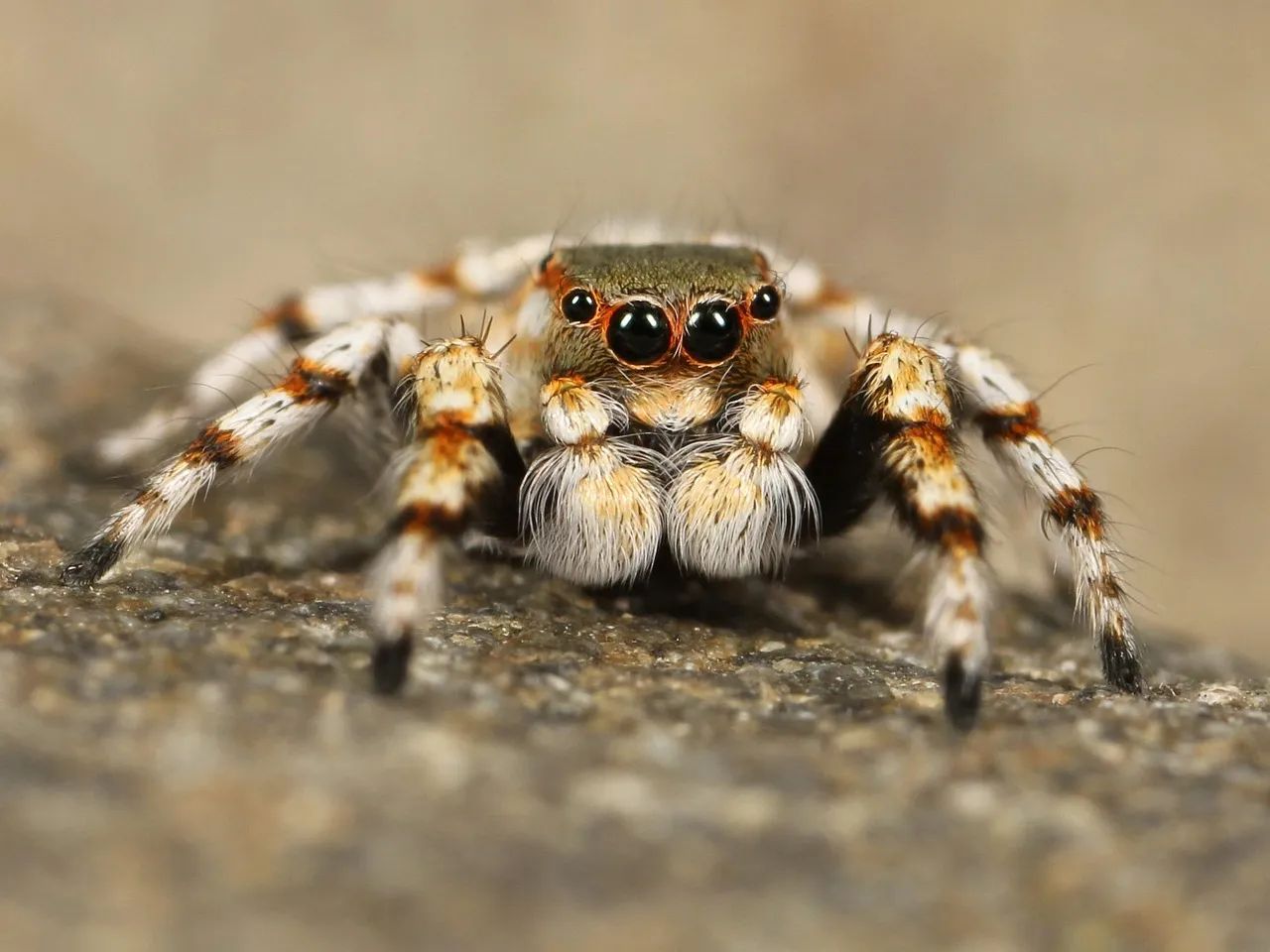
In the forests of Australia, a newly discovered ballista spider has developed a hunting method unlike any other known arachnid. Instead of pursuing prey or waiting passively, it constructs a spring-loaded silk snare that appears designed around one specific target. The aggressive green tree ant triggers the mechanism itself when it attacks the trap. ([1])

A Trap Built for One Prey

Most spiders rely on webs that capture a range of insects or on active pursuit. This species stands apart because its snare shows signs of specialization toward the green tree ant alone. Scientists note that the structure may even encourage the ant to strike first, setting off the catapult in the process. Such precision suggests an evolutionary path shaped by repeated encounters with this particular ant. The discovery highlights how some predators refine their tools over time to match a narrow ecological niche. Green tree ants are known for their defensive aggression, which could explain why the spider evolved a passive yet reactive system. By letting the prey initiate contact, the spider reduces its own exposure to risk. Observations so far indicate the trap functions without direct intervention from the spider once it is set.

The Spring-Loaded Mechanism

The snare relies on tensioned silk that releases suddenly when disturbed. This catapult action propels the ant away or into a position where the spider can subdue it more easily. The design requires careful construction, with the spider positioning the silk to maximize the spring effect. Details remain limited, yet the basic principle points to a mechanical solution rather than chemical or behavioral lures alone. Researchers describe the setup as the first documented case of a spider web engineered for a single prey species. It is also the first instance in which the intended victim appears to activate the trap through its own aggressive response. These traits together mark a notable departure from broader web-building strategies seen across spider families.

Questions That Remain

While the trap’s function seems clear in initial reports, confirmation of active luring behavior requires further study. It is not yet certain whether the spider deliberately positions the snare to provoke attacks or simply benefits from the ants’ natural defensiveness. Field observations will need to distinguish between coincidence and intentional design. Additional work could reveal whether the spider feeds exclusively on this ant or simply prefers it when available. The species itself is new to science, so basic details about its range, life cycle, and related behaviors are still emerging. Each new finding may refine or challenge the current understanding of how such a specialized system evolved.

Related Stories From Travelbinger

  • Joro Spiders Carve a Separate Path in the Southeast Food Web
  • 27 Things Maintenance Teams Wish Guests Reported Far Sooner
  • 21 Things Tourists Do at Museums That Docents Quietly Dread

Broader Implications

This spider adds to the growing list of examples where predators develop highly targeted adaptations. It shows that even small invertebrates can exhibit sophisticated mechanical solutions to the challenge of securing food. Continued research may uncover similar strategies in other regions or among related species. The finding also underscores how much remains unknown about invertebrate behavior in Australian ecosystems. As more specialized interactions come to light, they help build a clearer picture of the pressures that shape predator-prey relationships over time.


🔥 Would you like to save this?

We’ll email this post to you, so you can come back to it later.

Matthias Binder

Matthias Binder

Matthias a curious globetrotter who collects moments from night markets, coastlines, and tiny mountain villages. Plans trips around local food, scenic trains, and the best views at golden hour.

View Profile & Articles
Katherine Woodward Ramer

Edited & reviewed by Katherine Woodward Ramer — Editorial Specialist

Expert reviewed

More from Matthias Binder

Europe's Last Primeval Forest Is Caught Between a Border Wall and Conservation

Europe's Last Primeval Forest Is Caught Between a Border Wall and Conservation

1 min read

Platinum Card from American Express: Who Gains, Who Should Skip

Platinum Card from American Express: Who Gains, Who Should Skip

1 min read

Viking's 19-Night Grand Nile Journey Runs Cairo to Aswan

Viking's 19-Night Grand Nile Journey Runs Cairo to Aswan

1 min read

Nantucket Feels Worlds Away, Just 30 Miles off Massachusetts

Nantucket Feels Worlds Away, Just 30 Miles off Massachusetts

1 min read

Latest News

Fresh travel updates

Europe's Last Primeval Forest Is Caught Between a Border Wall and Conservation

Europe's Last Primeval Forest Is Caught Between a Border Wall and Conservation

Matthias Binder·Nov 13
Platinum Card from American Express: Who Gains, Who Should Skip

Platinum Card from American Express: Who Gains, Who Should Skip

Matthias Binder·Nov 13
Viking's 19-Night Grand Nile Journey Runs Cairo to Aswan

Viking's 19-Night Grand Nile Journey Runs Cairo to Aswan

Matthias Binder·Nov 13
Nantucket Feels Worlds Away, Just 30 Miles off Massachusetts

Nantucket Feels Worlds Away, Just 30 Miles off Massachusetts

Matthias Binder·Nov 13
View All News

Stay Updated

Get the latest travel news delivered to your inbox

Stay Inspired

Get travel inspiration, guides, and exclusive deals delivered to your inbox.

Travelbinger
TravelbingerTRAVEL DEALS, GUIDES AND HACKS

Discover the world through the eyes of seasoned travel experts. From breaking news to hand-picked destination guides, we bring you the stories that matter. Join our community for exclusive member deals and authentic inspiration for your next journey.

Deals

  • All Deals
  • Beach Holidays
  • City Breaks
  • Luxury Hotels
  • Last Minute

Popular Destinations

  • Europe
  • Asia
  • North America
  • South America
  • Africa

Company

  • About Us
  • Travel News
  • Editorial Policy
  • Contact

Legal

  • Privacy Policy
  • Terms & Conditions

This website contains affiliate links to trusted partners.

© 2026 Travelbinger. All rights reserved.

Secure payment with:
Visa
MC
PayPal
Klarna