Getting a second passport used to feel like something reserved for spies in movies or billionaires with private jets. Not anymore. In 2026, a growing wave of people – entrepreneurs, retirees, remote workers, and families – are actively researching how and where to plant a second flag. Some countries practically roll out the welcome mat. Others make you feel like you are trying to unlock a vault buried under a mountain.
The gap between the easiest and hardest countries is genuinely staggering. We are talking about the difference between getting citizenship in two months and waiting 25 to 30 years. So if you have ever wondered what it actually takes to become a citizen somewhere new, what the real numbers look like, and which gates are firmly shut – let’s dive in.
What Citizenship by Application Actually Means

Not everyone arrives at a new citizenship the same way. The main routes include naturalization (living legally in a country for a set number of years), citizenship by descent through ancestry, citizenship by investment through a financial contribution, and citizenship through family ties such as a legitimate marriage to a citizen.
Citizenship by naturalization involves living in a country for a specified number of years, integrating into society, and then applying. It often requires five to ten years of residence, a language test, and sometimes culture or civics exams. Naturalization is generally the lowest direct-cost route, but it is also the slowest and requires genuine relocation.
The number of years you need to reside in a country to qualify for citizenship differs from country to country. You may also have to demonstrate language proficiency, financial stability, and cultural integration, which in many cases means passing language and culture or history tests. Honestly, once you understand all these pathways, the whole thing starts to look less like a bureaucratic maze and more like a menu – with some very expensive items near the top.
Argentina: The World’s Fastest Naturalization Track
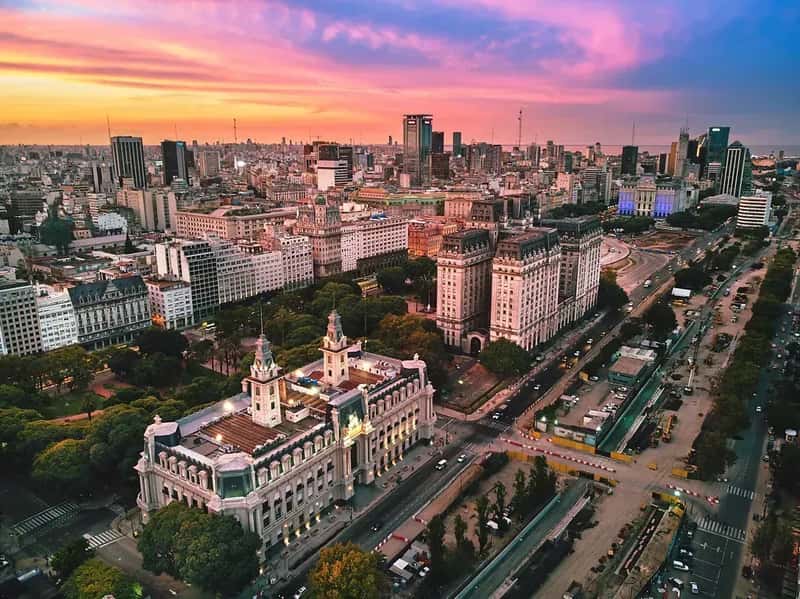
Argentina offers citizenship after just two years of legal residency, with no language or cultural tests required, and full dual citizenship is allowed. This makes it the fastest naturalization pathway in the world. That is remarkable when you consider most countries require at least five years.
Another pathway toward naturalization in Argentina is the Rentista Visa, which grants residency to those with stable passive income from abroad and requires no local job or investment. It offers a simple route from temporary residency to permanent residency and eventually citizenship.
Argentina supports this accessibility with a solid Human Development Index score of 0.84 according to UNDP 2024 data, and a low cost of living compared to many Western countries, making long-term residence highly affordable. For digital nomads or anyone seeking a genuine lifestyle upgrade, Argentina might be the most underrated option on the planet right now.
The Caribbean Fast Lane: Citizenship by Investment

With five different countries, there is no shortage of choice when it comes to citizenship by investment in the Caribbean. Antigua and Barbuda, Dominica, Grenada, Saint Kitts and Nevis, and Saint Lucia all offer direct citizenship programs with various real estate investment thresholds.
Government-approved citizenship by investment programs operate in these five Caribbean countries, and they are among the fastest in the world, with a Caribbean passport achievable within six months. The entire procedure can be completed remotely, meaning the investor does not have to visit the country to obtain second citizenship.
St. Kitts and Nevis offers the fastest citizenship timeline, with applicants able to receive a passport in as little as four months. Antigua and Barbuda and Grenada take around six months to process applications and issue passports. Dominica’s citizenship process is six to nine months, and St. Lucia has the longest timeline among the five, at ten to twelve months. The trade-off is cost – minimum investment amounts vary between $200,000 and $250,000.
Portugal’s Golden Visa: Europe’s Most Popular Residency Route

Portugal’s Golden Visa remains one of the world’s most popular residency by investment destinations. The program provides a residence permit through qualifying investments in cultural or scientific projects, investment funds, or job creation and business activity.
Citizenship becomes available after five years of residency, provided the investment is maintained and the applicant passes the basic A2 Portuguese language exam. Portugal allows dual citizenship, which makes it the easiest EU country to immigrate to for applicants seeking EU citizenship while keeping their original nationality.
According to the Global Passport Index 2025, Portuguese citizenship ranks 28th globally. Portugal also ranks high in the OECD Better Life Index for safety and work-life balance, making it one of Europe’s most practical destinations for long-term settlement and mobility. I think Portugal genuinely offers one of the most balanced deals in the world right now – livable, affordable by European standards, and a legitimate path to an EU passport.
Ireland: Citizenship Through Your Family Tree

Ireland’s streamlined citizenship by descent program has helped almost 15 million people gain Irish passports, despite the island’s population being only around six million. That is a mind-bending number when you think about it.
If your parent or grandparent was born in Ireland, you can apply for citizenship with no need to relocate. Ireland also permits dual citizenship, making it a perfect fit for Americans with Irish roots. For those who qualify, this is essentially a free EU passport sitting on the family tree waiting to be claimed.
After one year of reckonable residence in Ireland, an applicant through marriage may apply for an Irish passport, but must have been married to or in a civil union with an Irish partner for at least three years to be eligible. Corporate taxes in Ireland are among the lowest in Europe despite a recent small increase in 2024. The citizenship by descent route, though, requires no residency at all – which is genuinely rare worldwide.
Switzerland: Beautiful Country, Brutal Process
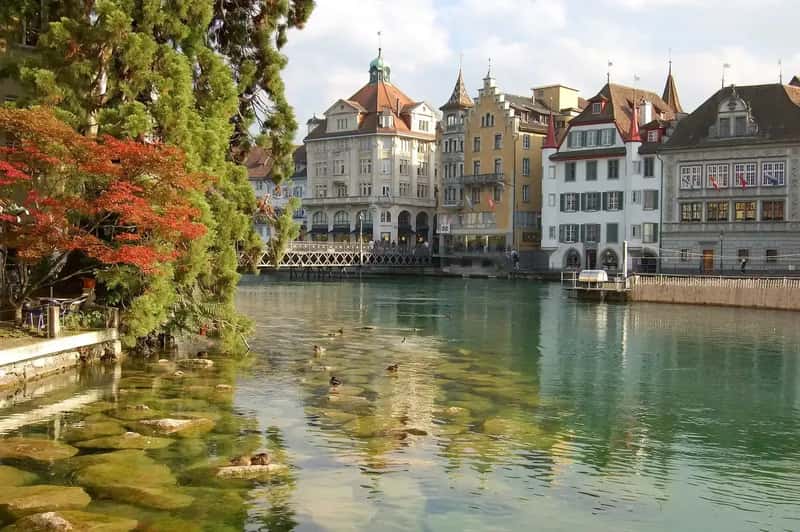
Switzerland operates perhaps the world’s most complex naturalization system, requiring approval at federal, cantonal, and municipal levels. This three-tier approach means requirements vary significantly across 26 cantons and approximately 2,100 municipalities. Federal requirements mandate 10 years of residence, including three of the last five years before the application.
Language requirements of B1 oral and A2 written in a national language apply universally, tested through the standardized “fide” system. Here’s the thing – even after clearing all federal hurdles, your local municipality still gets a say. It is like being approved by your employer, your city council, and your neighbors all at once.
Obtaining Swiss citizenship is considered one of the hardest due to its stringent requirements, including long residency periods of 10 years, language proficiency, cultural integration, and approval at the federal, cantonal, and local levels. Switzerland’s scenery may be postcard-perfect, but the citizenship process is anything but easy.
Qatar: A 25-Year Wait – With Extra Conditions

Qatar is one of the world’s wealthiest nations, and its citizenship requirements are among the strictest. Dual citizenship is not allowed, and applicants must renounce their previous nationality. Proficiency in Arabic, proof of strong financial stability, and deep integration into Qatari society are mandatory.
Foreigners seeking naturalization must reside in Qatar for at least 25 years, after which the government may still choose to deny approval. In many cases, applicants must convert to Islam. Only a limited number of naturalizations occur each year.
Only about 100 permanent residency permits are issued annually from Qatar’s Ministry of Interior. Let that sink in. In a country that hosts millions of expatriate workers, fewer than a hundred people a year even receive permanent residency – let alone citizenship. Qatar is, without question, one of the most closed citizenship systems on Earth.
Japan: Tightening the Rules Even Further

Foreign nationals may acquire Japanese citizenship by naturalization after living in the country for at least five years and renouncing any previous nationalities. Applicants must also prove self-sufficiency through their occupation or existing financial assets.
As of late 2025, the Japanese government and ruling parties began considering tightening the requirement for acquiring Japanese nationality to 10 years of residency or longer in principle, compared with the current five years. By extending the necessary period, Japan would bring the nationality requirement in line with that for obtaining permanent residency.
According to Japan’s Justice Ministry, 12,248 people applied for naturalization in 2024, with 8,863 approved. Japanese citizenship is exclusive – those who naturalize must renounce their first nationality, and those who are born Japanese but with a second citizenship must choose between them by the time they are 20 years old. Japan is moving in one direction only: stricter.
Kuwait: The Country That Is Revoking Passports

Kuwait demonstrates how citizenship policies can become dramatically more restrictive over time. December 2024 amendments through Decree 116/2024 eliminated the marriage pathway for foreign women and ended automatic eligibility for wives of naturalized citizens. Most dramatically, Kuwait revoked over 42,000 citizenships between 2024 and 2025 in a massive denaturalization campaign reversing earlier political naturalizations from the 1980s.
Standard requirements remain daunting: 20 years of residency for non-Arabs versus 15 years for Arab nationals, with mandatory Arabic proficiency and the Islamic faith required. Naturalized citizens cannot vote for 30 years after obtaining citizenship, and apostasy from Islam results in automatic citizenship loss.
The country’s Bedoon crisis continues with over 100,000 stateless residents denied citizenship despite generational presence in Kuwait. That last point is staggering. People born in Kuwait, whose parents were born in Kuwait, remain stateless. It is hard to think of a more striking example of how citizenship policy can become a political instrument.
Liechtenstein: The 30-Year Waiting Room
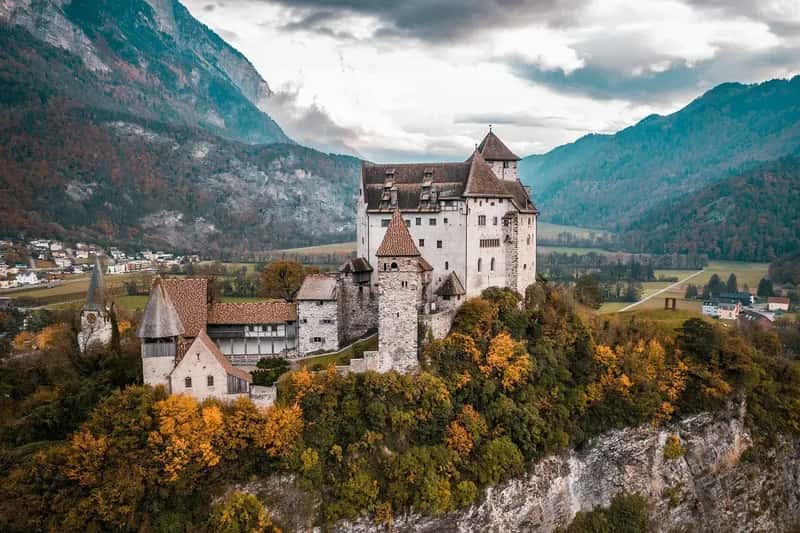
Liechtenstein requires one of the longest residency periods in the world – 30 years – before an applicant is even eligible for citizenship. Marriage to a Liechtenstein citizen may shorten the process to about five years, but approval also depends on acceptance by the local community, which may vote on each application. German language proficiency is essential, and dual citizenship is not permitted.
Liechtenstein demands 30 years of continuous residency for standard naturalization. The unique barrier involves municipal referendums where existing citizens vote on each naturalization application individually. This democratic process resulted in only 189 naturalizations in 2023 from a population of 39,584 residents.
Think of it like applying for membership to the world’s most exclusive club – one where the existing members literally get to vote on whether you belong. It is possible to reduce the 30-year timeline to 10 years if you can persuade members of your community to vote in favor of your naturalization. That is not a legal process so much as a social audition. Liechtenstein is genuinely in a category of its own.
Conclusion
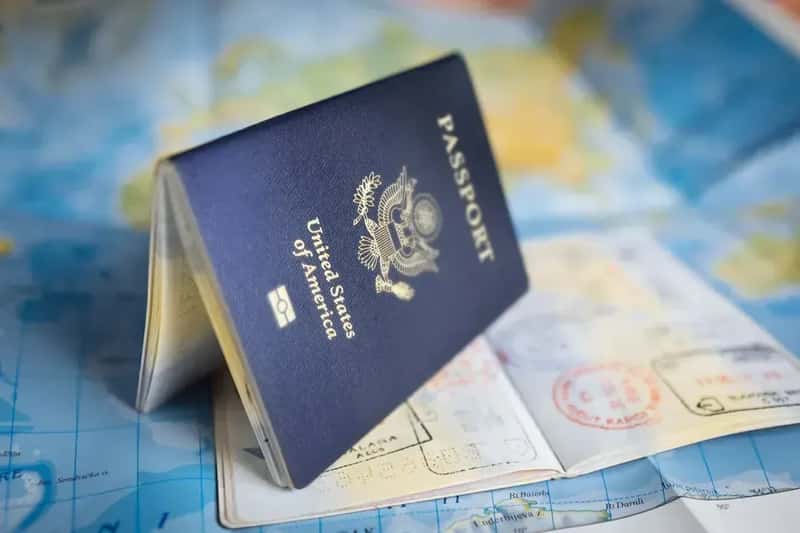
The world of citizenship by application is vast, uneven, and full of surprises. On one end you have Argentina handing out naturalization paperwork after two years with no language test, and on the other you have Qatar demanding 25 consecutive years of residence plus religious conversion – and still potentially saying no. The Caribbean nations offer the fastest investment routes, while Portugal delivers a genuine EU passport with minimal physical presence requirements. Switzerland, Japan, Kuwait, and Liechtenstein remain among the most guarded gates in the world.
The key takeaway is simple: the rules are not fixed. In an era of increasing global mobility, a select group of nations maintains citizenship policies so restrictive that naturalization remains virtually impossible for most applicants, protecting national identity through complex requirements, decades-long residency mandates, and near-zero approval rates. Meanwhile, others are actively competing for talented, financially stable newcomers. Knowing the difference could change your entire future.
If you are seriously considering a second citizenship, where would you start – with the fastest path or the most powerful passport? That might be the most important question you ask yourself this year.