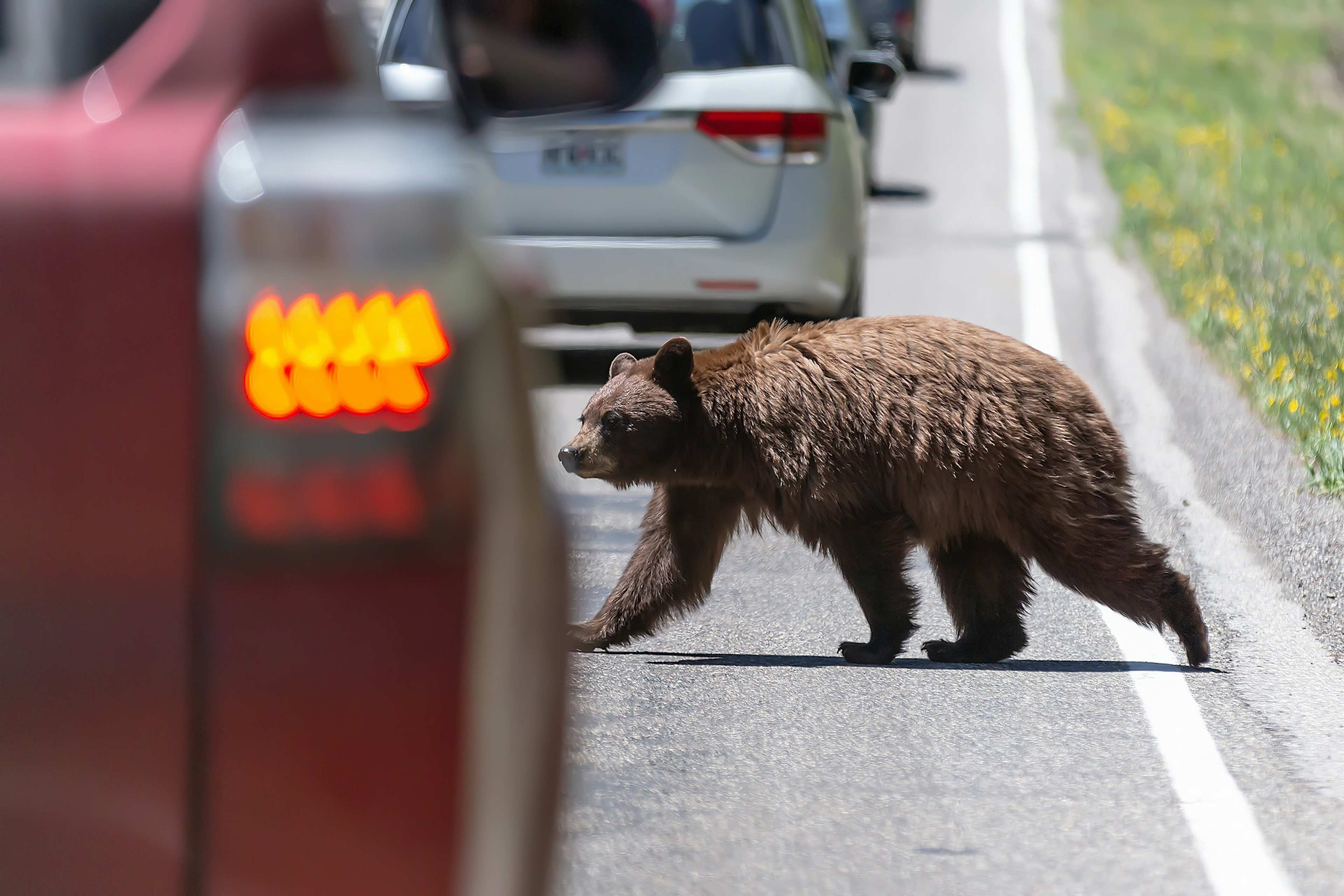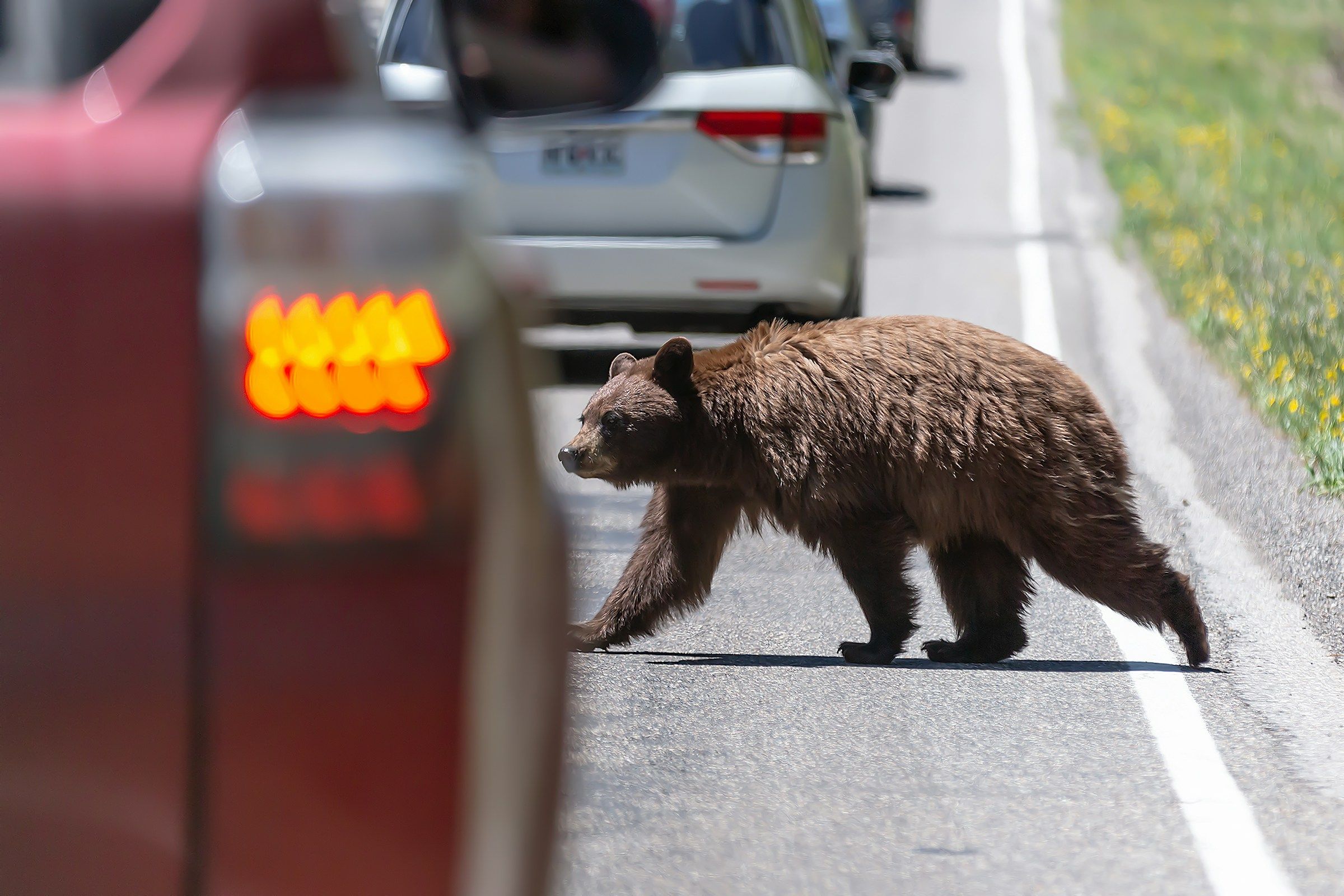
Washington’s forests, trailheads and small mountain towns are a big part of why people travel here. They’re also black bear habitat. The Washington Department of Fish and Wildlife (WDFW) says black bears may be present nearly anywhere in the state, including suburban areas and greenbelts near towns.[1] A visitor doesn’t have to hike deep into the backcountry to share space with one.
Several incidents in 2026 have put bear safety in the news. Serious attacks are still uncommon, and a few habits make encounters less likely and less dangerous. This guide draws on WDFW statements, recent reporting and published research to help you plan a trip with realistic expectations.
What Recent Washington Encounters Tell Us
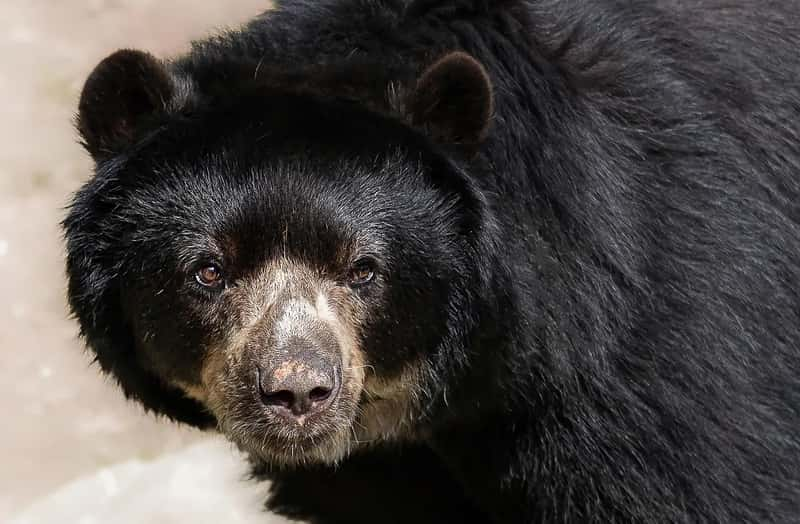
This year’s reports come from several parts of the state. In June, a teenage boy was scratched when a bear charged and swiped at him about 2.7 miles up the Mount Si Trail, according to WDFW.[2] A separate group of hikers had another encounter the same day, when a bear followed them closely for several miles.[2] The Department of Natural Resources closed nearby trails, including Little Si and Mount Teneriffe, until further notice because of bear activity.[2]
Later incidents happened closer to homes. On Oct. 25, a woman walking her leashed dog in her backyard near Index was attacked from behind and knocked to the ground.[3] She was treated for serious but non-life-threatening injuries.[3] A September attack near Bellingham was the second reported encounter in Whatcom County in less than a month.[4] Taken together, these reports show that encounters can happen on trails and on private property.
Keeping the Risk in Perspective
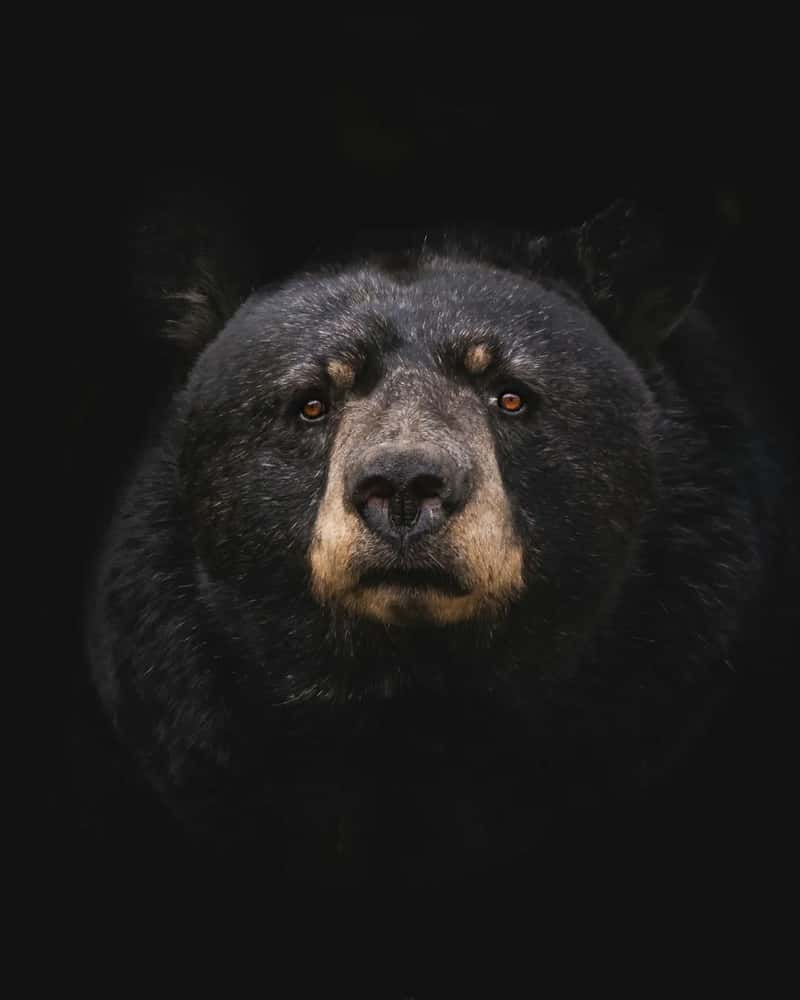
A run of headlines can make the danger look bigger than it is. WDFW notes that the only recorded fatal black bear attack on a human in Washington happened in 1974. Since 1970, the state has recorded more than 20 encounters that left a documented injury.[5] That is a small number against decades of hiking, camping and hunting.
Still, “rare” doesn’t mean “never,” and the incidents above were real. WDFW’s BearWise materials describe black bears as seldom aggressive and rarely injuring people.[6] Treat that as a reason to prepare, not a reason to ignore the risk.
Why Fall Is a Busy Season for Bears
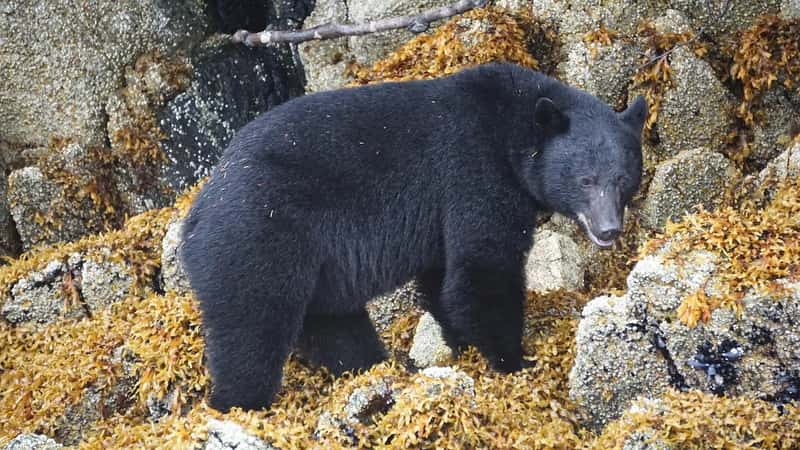
Many of the recent incidents happened in autumn. WDFW says fall bears may be especially drawn to garbage cans, pet and livestock food, bird feeders, orchards and barbecue grills as they prepare for winter.[3] Washington’s bears are stocking up on calories before they head into their winter dens.[7]
This matters for travelers renting cabins or staying near small towns. Black bears are naturally wary of people but can lose that wariness when food rewards them, and they can smell food from over a mile away.[1] One unsecured cooler or trash bag can pull a bear toward a place where people are sleeping or walking.
Hiking Habits That Reduce Surprises
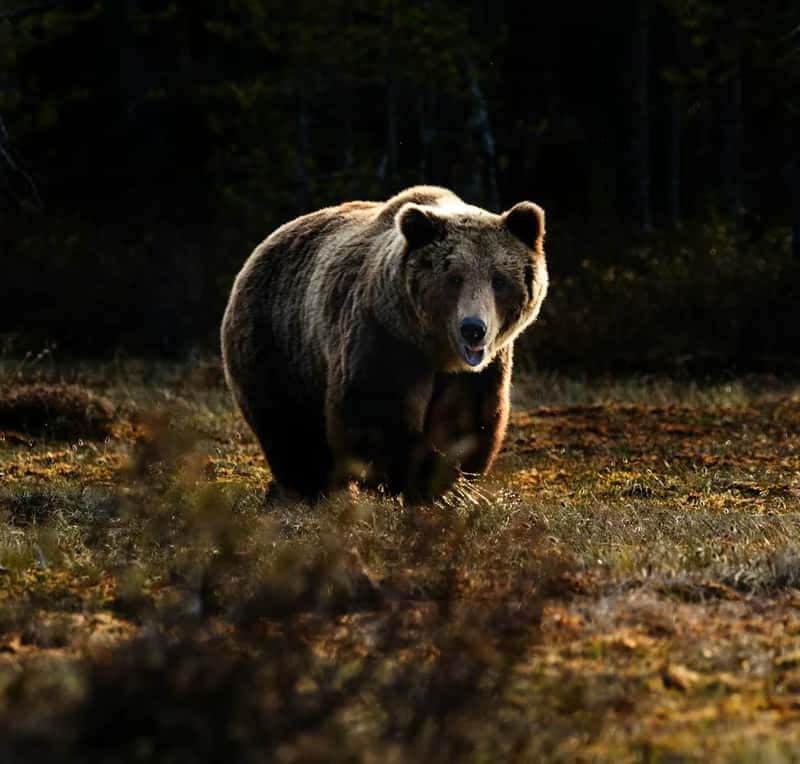
Most trail trouble starts with a surprise. WDFW recommends making noise, leashing pets and staying aware of your surroundings so you don’t startle a bear.[8] Talking with your group, calling out on blind corners and keeping headphones out of at least one ear are simple ways to do that.
The BearWise outdoor tips also suggest trying not to hike alone and keeping children within sight and close by.[6] Dogs deserve extra thought. Keep yours leashed, and know that a loose dog can chase a bear and then lead it back to you.
What to Do If a Bear Approaches
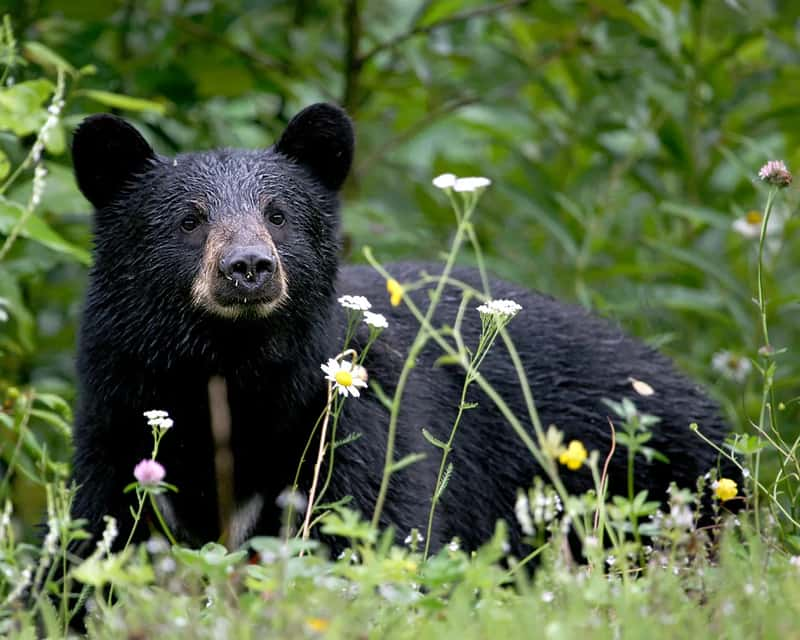
Start by staying calm, because your first moves matter. If you see a bear before it notices you, don’t approach it, and if it sees you, back away slowly.[6] If a bear walks toward you, WDFW says to stand up, wave your hands above your head and talk in a low voice. Back away without direct eye contact, and don’t run.[8]
If the bear keeps coming, escalate. Hold your ground, wave your arms and yell “Hey Bear” until it leaves, and if it still approaches, use bear spray.[6] Climbing a tree is generally not recommended, since black bears are adept climbers and may follow you.[9] If a black bear makes contact, do not play dead.[6] That’s different from advice for some grizzly encounters, so don’t mix the two up.
Bear Spray: What the Research Says
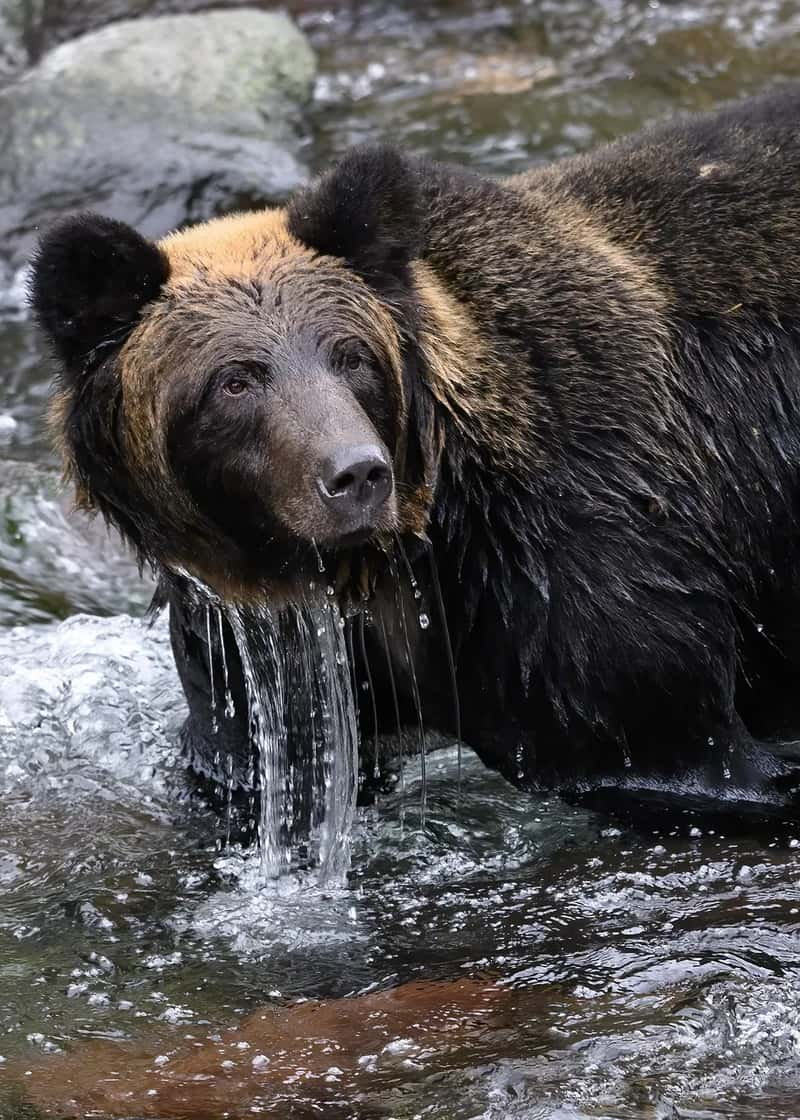
Most experts recommend carrying bear spray when recreating where bears or other potentially dangerous wildlife may be present.[9] The best known study analyzed Alaska incidents. It found that red pepper spray stopped undesirable behavior 92 percent of the time with brown bears and 90 percent with black bears.[10] That study dates from 2008, but it’s still widely cited.
Spray only helps if you can reach it. The limiting factor is how quickly you can access and use it, and spray in a backpack is no help in a surprise charge.[11] WDFW’s guidance is to get it out of the holster and remove the safety[9] when a bear is approaching. Practice with an inert trainer can before you go. On firearms, researchers who reviewed Alaska incidents concluded that only those proficient in firearms use should rely on them for protection in bear country.[11]
Getting Bear Spray to Washington
Flying visitors often get caught here. The TSA’s bear spray page lists it as not allowed in either carry-on or checked bags.[12] Some sources describe a narrow exception for small containers, but most bear spray cans are larger than that. Confirm the rules with your airline before you pack.
The easiest fix is to buy it after you land. One travel guide suggests ordering it ahead and shipping it to your lodging, or buying it on arrival.[13] Outdoor shops near popular trailheads usually stock it. Check the expiration date on any canister, and keep the safety clip on until you need it.
Conclusion: Travel Prepared, Not Afraid
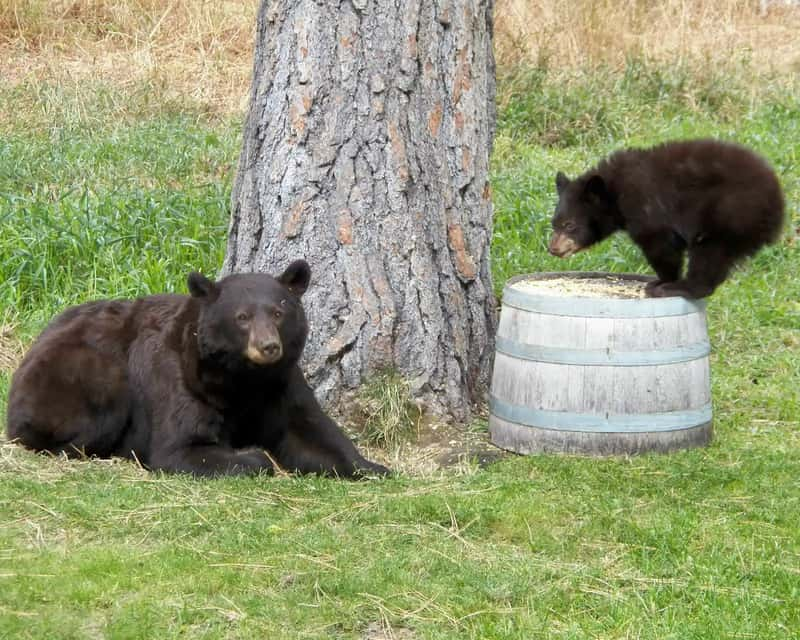
Washington’s black bears are part of its landscape. Recent incidents are a reminder to carry bear spray where you can reach it, make noise on trails, lock up food and give bears space. The long record shows serious harm is rare, but a few habits make it rarer.
If you can enjoy a bear only from a car window or a respectful distance, the bear stays wild and you go home with a good story. Check WDFW’s black bear page and BearWise.org for current guidance, and look up trail closures before you head out.