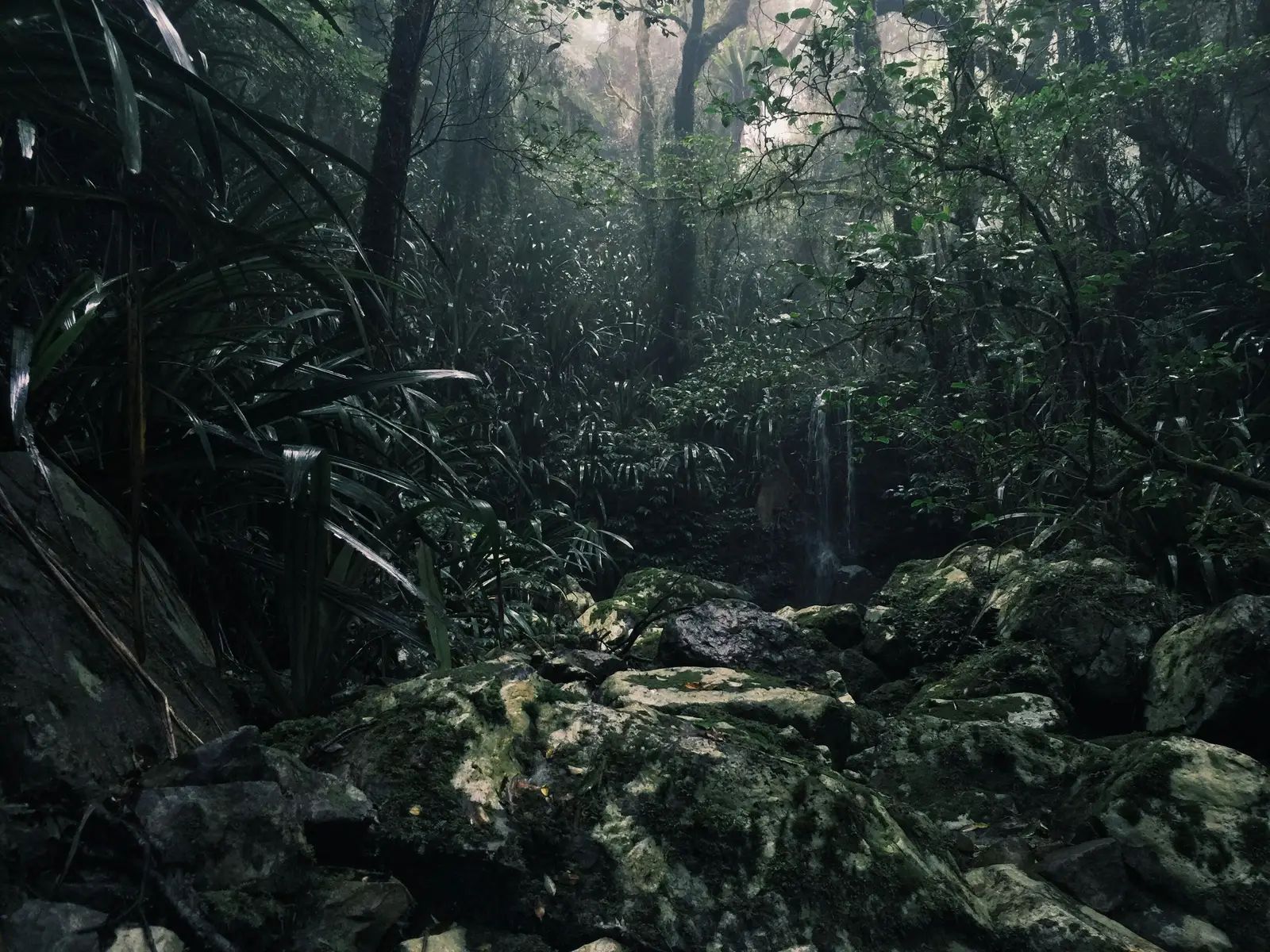
Pemaluan, East Kalimantan – In the forests surrounding this remote corner of Indonesian Borneo, a team of researchers has spent the past 18 months placing audio recorders across mountains, caves, and mangrove edges to capture the calls of gibbons, hornbills, frogs, and countless insects. Their goal is to create a detailed baseline of the local soundscape before Nusantara, Indonesia’s new capital city, brings further development to the region. The project comes at a moment when construction of roads, housing, and government buildings is already underway, shifting the acoustic environment in measurable ways.
The Push to Build a New Capital
Indonesia selected East Kalimantan as the site for Nusantara to ease overcrowding and land subsidence pressures in Jakarta. Planners have described the project as a “smart forest city” intended to balance urban growth with environmental protection. Early phases have already produced visible infrastructure, including a presidential palace, apartment blocks, and a hotel. These changes introduce new sounds from machinery and human activity into areas that previously featured only natural calls and ambient forest noise. The contrast highlights how quickly the landscape can shift once large-scale construction begins.
Documenting the Current Soundscape
Led by Wendy Erb of the Cornell K. Lisa Yang Center for Conservation Bioacoustics, the effort sampled 20 sites over the 18-month period. Recorders were positioned to gather a broad range of vocalizations from wildlife that depend on the intact forest. The resulting archive will serve as a reference point for future comparisons, allowing scientists to track which species persist, which decline, and whether animals shift their ranges in response to nearby development. Such data can also point to locations where targeted conservation steps may prove most effective.
Local Knowledge Adds Depth
The recordings extend beyond scientific monitoring to include insights from the Indigenous Balik people, who have long interpreted animal sounds as signals within the forest. Gibbons, for instance, have traditionally marked the arrival of dawn and, in certain contexts, were viewed as indicators of significant events in the village. By pairing these cultural understandings with the audio data, the project preserves a fuller picture of how the forest functions for those who have lived alongside it for generations. This combined approach strengthens the baseline against which future changes can be measured.
What the Archive May Reveal
Over time, the collected sounds will help illustrate the pace and pattern of ecological adjustment near Nusantara. Researchers expect the material to show both losses and possible adaptations, offering a clearer view of where intervention might still protect remaining habitat. The work underscores the narrow window available to document conditions before further transformation occurs. For travelers drawn to Borneo’s lesser-known interiors, the effort also marks a moment when the region’s distinctive acoustic character remains accessible, even as the surrounding landscape evolves.