
Most second home budgets start with the purchase price and the mortgage. The annual property tax bill often gets less attention, even though it shows up every year for as long as you own the place. In many countries it’s a permanent line item, and it can grow with the home’s assessed value.
A small group of places skips that recurring bill altogether. Their governments collect revenue in other ways, usually through a fee or duty paid once at purchase. Here are eight of them, with the real costs that come attached.
United Arab Emirates

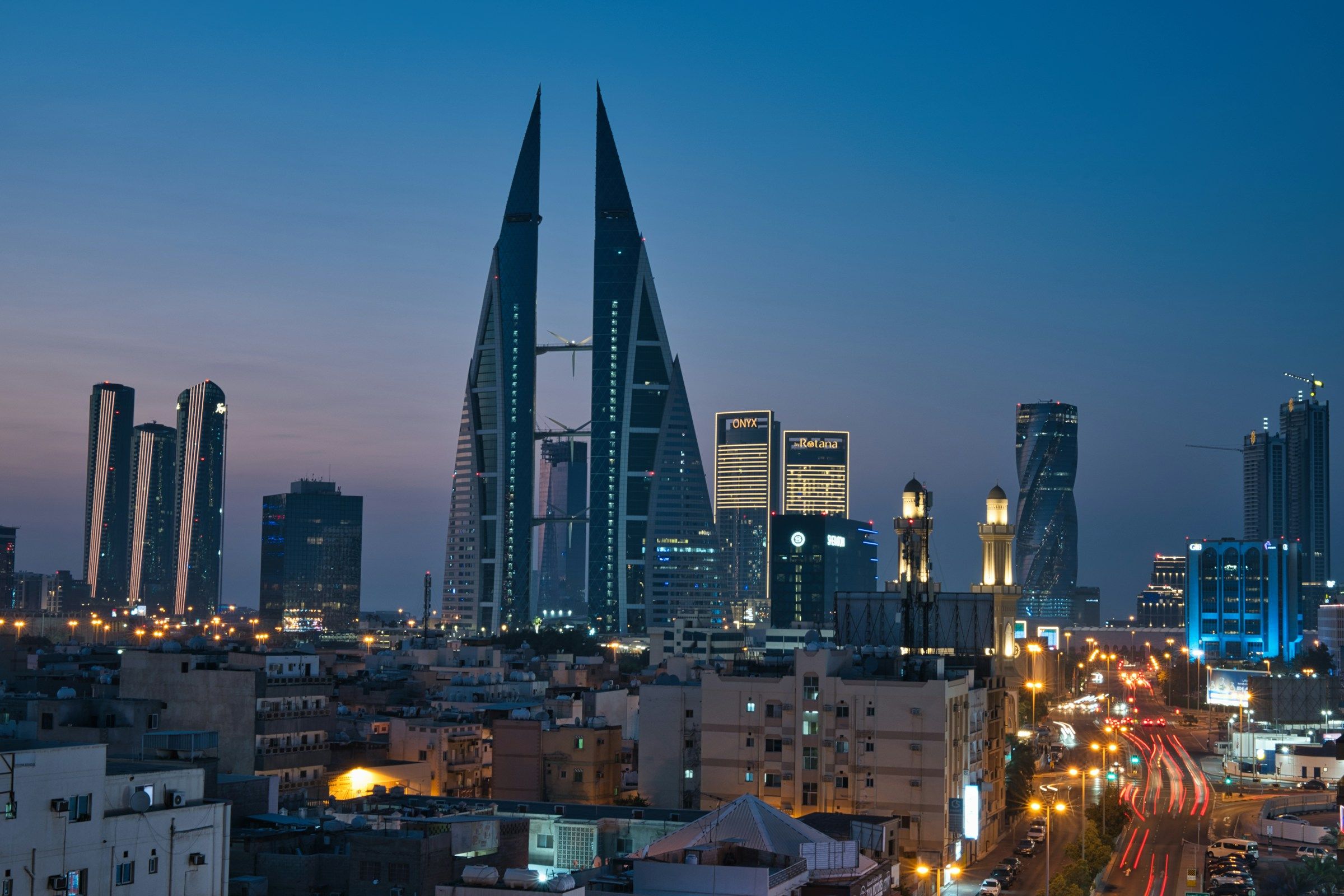
Dubai is the best known example. Dubai doesn’t impose an annual property tax on residential owners.[1] There’s also no rental income or capital gains tax.[1] At the federal level, the UAE doesn’t impose an annual property tax on residential ownership.[2]
The main cost comes up front. The Dubai Land Department fee is four percent, typically paid by the buyer at transfer.[1] Ongoing costs exist too, since owners pay building service charges and occupants pay the Dubai Municipality housing fee.[3] That housing fee is five percent, charged through the DEWA utility bill, and it applies to tenants rather than owners.[4]
Cayman Islands
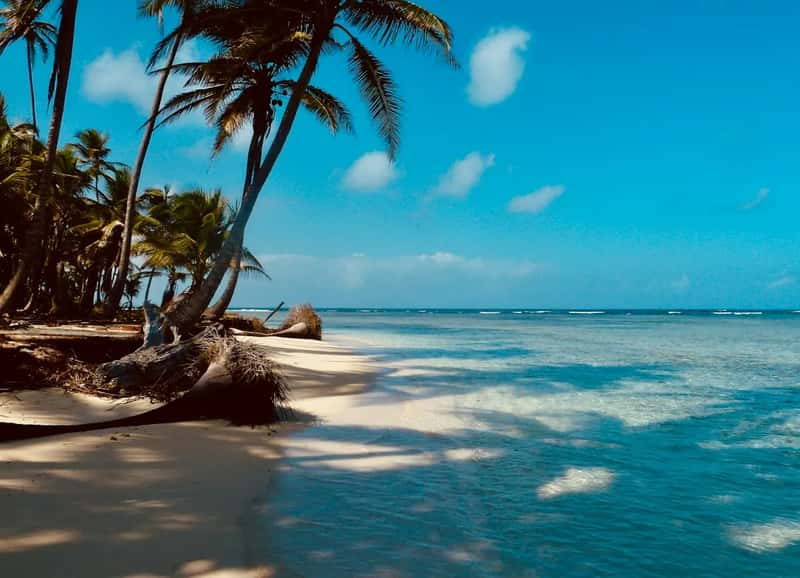
The Cayman Islands have a long reputation as a tax neutral jurisdiction. They levy no annual property tax, no capital gains tax, and no inheritance tax.[5] There are also no restrictions on foreign ownership for personal use.[5]
The government’s share arrives at closing as stamp duty. It’s seven and a half percent of market value, with concessions for qualifying Caymanian first time buyers.[5] On January 1, 2026, the duty on properties valued above two million Cayman dollars rose to ten percent.[5] The market hasn’t slowed because of it so far, since stamp duty receipts hit a record of 130.3 million Cayman dollars in 2025.[6]
Monaco
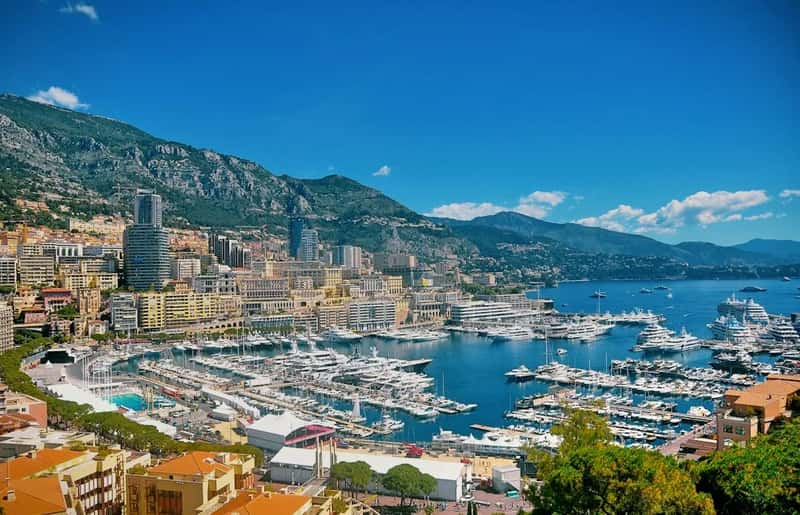
Monaco is the clearest European case, though it’s priced for a very small group of buyers. There’s no annual property tax, no land tax, and nothing equivalent to a council tax.[7] There’s also no tax on rental income or on capital gains from Monaco real estate.[8]
You still pay on the way in. The only property related tax is a four and a half percent registration duty, paid once at purchase.[7] Purchases by non transparent entities, such as foreign companies and trusts, generally face a higher duty of seven and a half percent.[9] Budget roughly six percent of the price for total closing costs.[10]
Malta
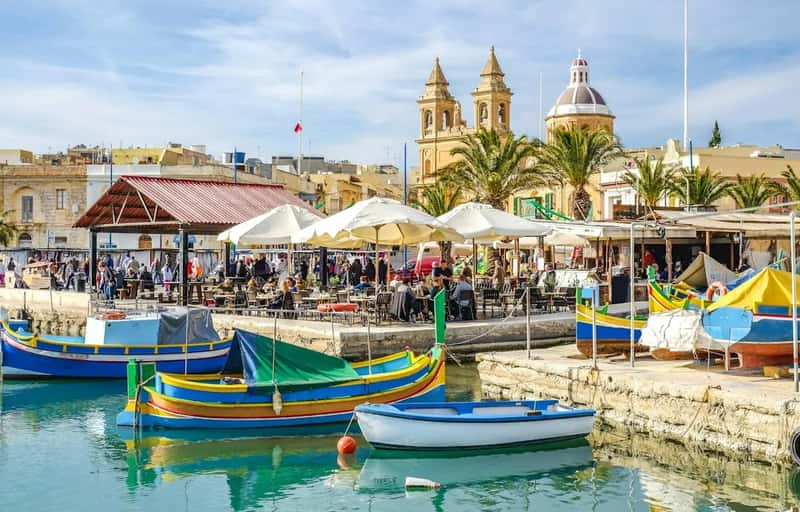
Malta is the Mediterranean option, and it’s one of the few EU members on this list. There’s no annual property tax anywhere in the country.[11] Some older titles carry a small ground rent, but that’s a contractual payment, not a tax.[11]
The cost sits at purchase. Buyers pay five percent stamp duty.[12] If you’re drawn to the island’s climate and compact size, that one payment is the main government charge to plan for. Local rules on who can buy and which properties are open to foreigners are worth confirming with a notary before you commit.
Qatar
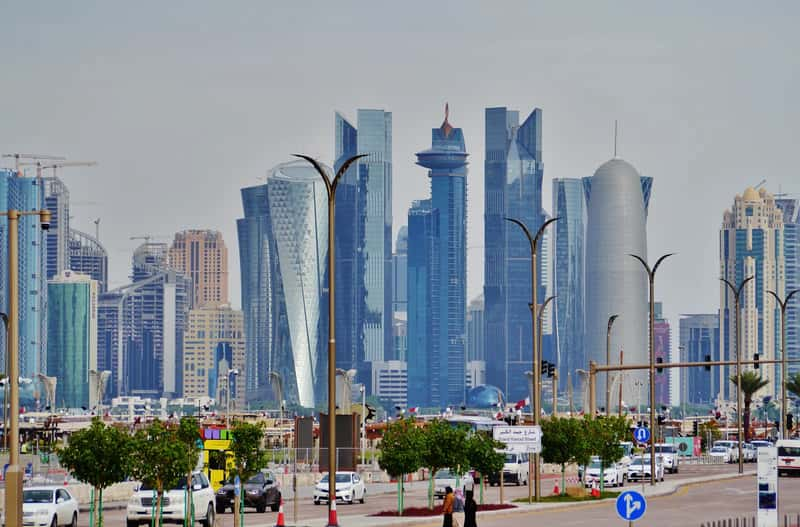
Qatar fits the Gulf pattern of low recurring costs for owners. It doesn’t impose an annual property tax on residential or commercial land, and there’s no capital gains tax on individual property sales.[12] PwC’s summaries also state that Qatar has no property taxes.[13]
Entry costs are light by comparison with other markets. Buyers pay a registration fee of a quarter of one percent.[12] Property can also lead to residency, as property based residence starts at 730,000 Qatari riyals.[12] Check the current ownership zones before you start house hunting, because foreign buyers can’t purchase everywhere.
Oman
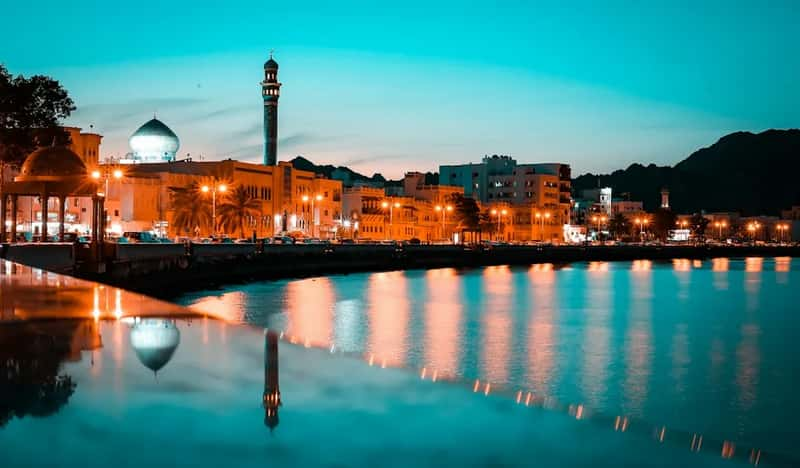
Oman is quieter and less hyped than Dubai or Doha, which appeals to some buyers. The country doesn’t impose an annual property tax.[12] That holds for owners who simply keep a home for their own use.
Costs arrive in smaller pieces. Buyers generally pay a three percent property transfer fee, and rental contracts can attract municipal charges.[12] If you plan to rent the home out while you’re away, ask a local adviser how those charges would apply to you.
Turks and Caicos Islands
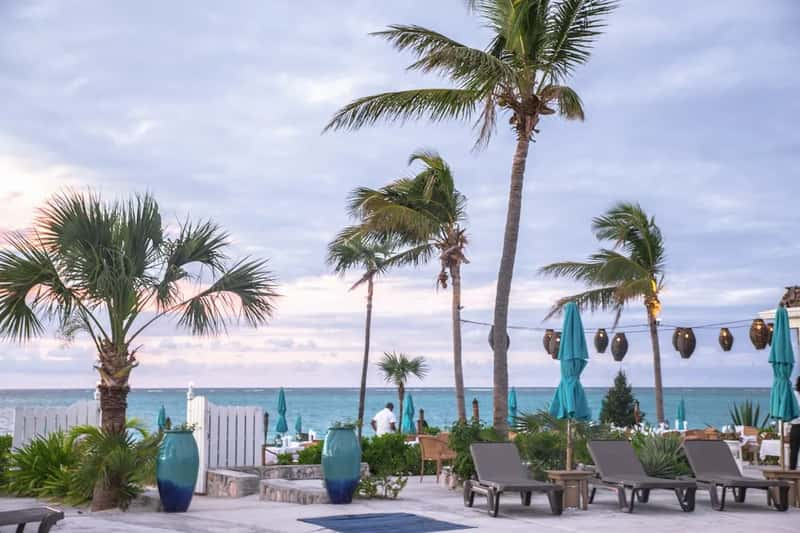
This British Overseas Territory is a favorite among North American buyers looking for beaches close to home. According to The Legal 500’s guide, it has no annual property taxes.[13] It’s among the clearest Caribbean jurisdictions for having no broad annual property tax, alongside the Cayman Islands.[2]
The purchase side is more varied than elsewhere. Stamp duty is tiered by island and value, ranging from five percent to ten percent.[14] Because the rate depends on where the home is and what it costs, two buyers can end up with quite different closing bills. Getting a written estimate for your specific property is the safest approach.
Bahrain
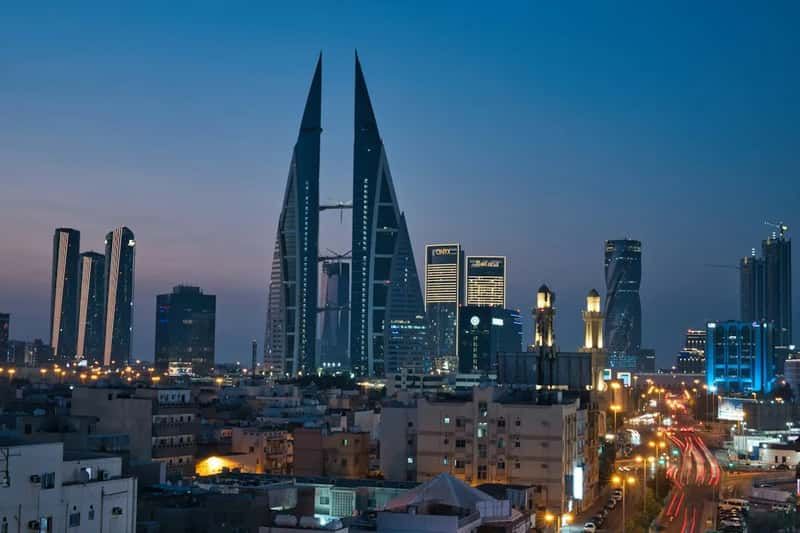
Bahrain has a clean headline and a small footnote. It has no annual property tax, and no personal income, capital gains, or withholding tax.[12] For a vacation home that you keep empty or use yourself, that’s the whole story.
The footnote applies mainly to rentals. Property owners must pay a ten percent municipal tax based on the property’s rental value.[12] In practice, the levy applies to rented properties and is typically collected from tenants.[11] Owners planning to let the home should confirm who actually pays it.
What to Check Before You Sign

None of these places are free of cost, and that’s worth keeping in mind. Each one swaps the yearly bill for a purchase fee, a duty, or a charge on rentals. Rules also change, as the Cayman Islands showed when its stamp duty on higher value homes went up at the start of 2026.
Before buying, confirm the current transfer rate, any service or municipal charges, and your tax position back home. Moving to Monaco doesn’t exempt US citizens from IRS obligations, for example.[10] A local lawyer or notary can verify the figures for your exact property.