
Most of us picture the Amazon as one endless green wall, the same on any day of the year. The reality is more fluid, and the details that matter most for planning tend to be the ones brochures skip.
Water levels, entry paperwork and health precautions all shape what a trip looks like. Some of the rules have also changed recently, so older advice can send you in the wrong direction.
The Seasons Are Named for the River, Not the Rain
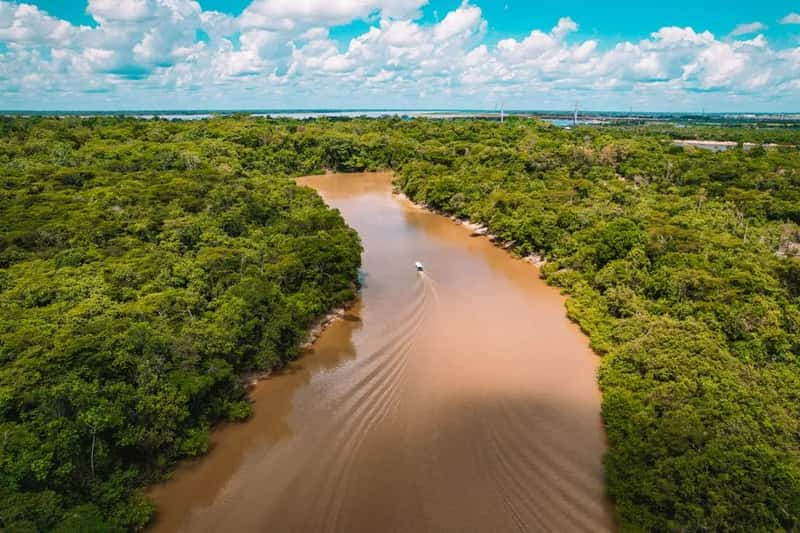
The Amazon doesn’t follow a simple wet and dry split. The seasons are named after the water, and the river follows the rain on a delay of two to three months.[1] At Manaus, the Rio Negro rises and falls about twelve metres every year, from roughly 17 metres in early November to roughly 29 metres in early June.[1]
That swing changes what you can do. High water floods the forest so a canoe can glide in among the treetops, while low water uncovers river beaches, opens trails and concentrates wildlife around the remaining channels.[1] Wildlife follows the same rhythm, with pink river dolphins most visible and active from January through May[2], and lower water making caimans, capybaras and giant river otters easier to spot along the banks.[2] Exact month ranges vary a little by region and by source, so check the pattern for the specific area you’re visiting.
Recent Droughts Have Reshaped Low Water Season
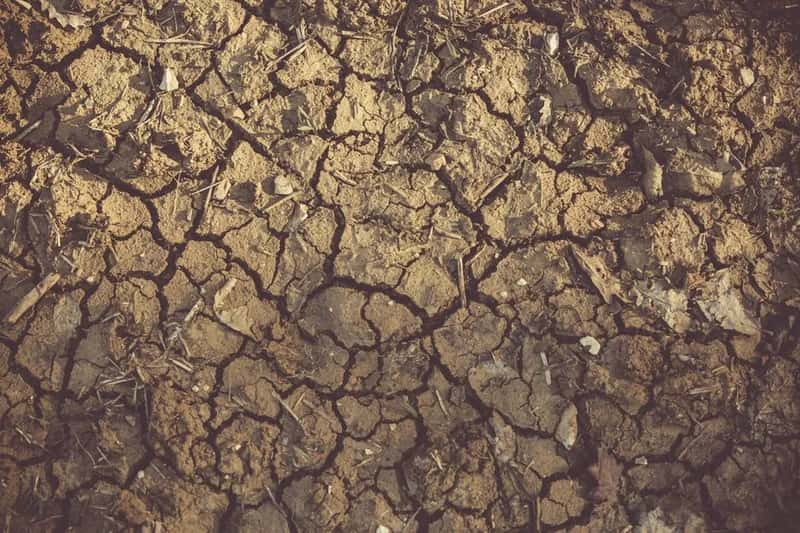
The low water season isn’t always gentle. The Rio Negro reached 12.11 metres at the port of Manaus on 9 October 2024, the lowest reading since measurements began in 1902.[1] The drought of 2023 had already set a record the year before.[1]
The effects reached well beyond sightseeing. In Amazonas state, at least 62 municipalities were under states of emergency in 2024, with more than half a million people affected.[3] In 2023, low rivers disrupted drinking water supplies in hundreds of communities, slowed commercial navigation and led to fish and dolphin die offs.[4] For visitors, the practical point is that some rivers are not navigable at low water[5], so it’s worth asking your lodge or operator about current conditions before you book transfers.
Some Passports Now Need a Brazil eVisa

If you’re heading to the Brazilian Amazon, check your passport first. Brazil reinstated visa requirements for travelers from the United States, Canada and Australia on April 10, 2025, ending six years of visa free entry.[6] The eVisa costs 80.9 U.S. dollars and allows a stay of up to 90 days.[6]
Don’t leave it to the last minute. Travelers who fail to present the printed eVisa will not be permitted to board.[7] The visa is valid for ten years for U.S. passport holders and five years for Canadians and Australians.[8] Brazil’s Foreign Ministry said the change was based on reciprocity, since these countries still require Brazilian nationals to obtain visas.[6] Rules differ in Peru, Ecuador and Colombia, because entry rules depend on which country you enter, not the rainforest itself.[9]
The Yellow Fever Shot Is Recommended, Not Required
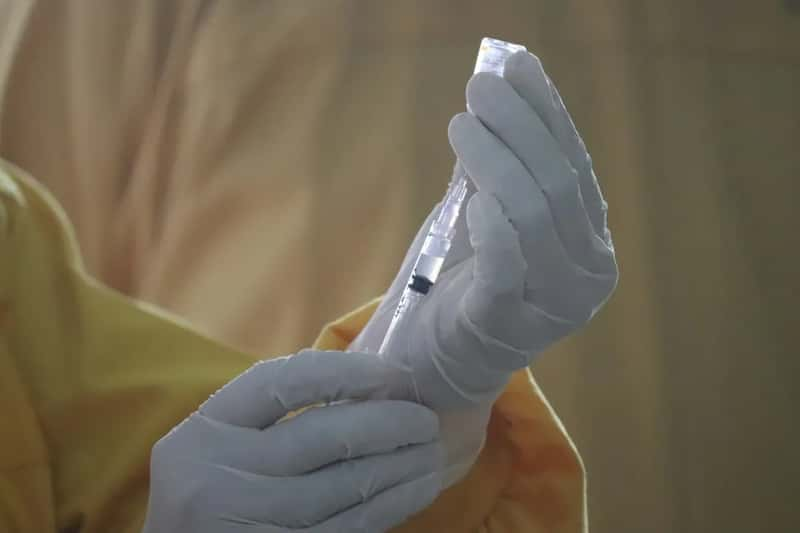
Many travelers assume a vaccine certificate will be checked at the border. In Brazil, there is no mandatory proof of vaccination to enter, though the Ministry of Health recommends that tourists be up to date on several vaccines, including yellow fever.[10] The CDC recommends the yellow fever vaccine for travelers aged nine months or older going to states including Amazonas and Pará.[11]
Timing matters more than the border rules. For those without contraindications, vaccination should occur at least 10 days before travel.[10] The risk isn’t theoretical, either. As of April 1, 2025, Peru had reported more yellow fever cases that year than in all of 2024, with 29 confirmed cases and 10 deaths in the first twelve weeks.[12] A single dose provides lifelong protection for most people.[9]
Mosquitoes Are the Health Issue to Plan Around
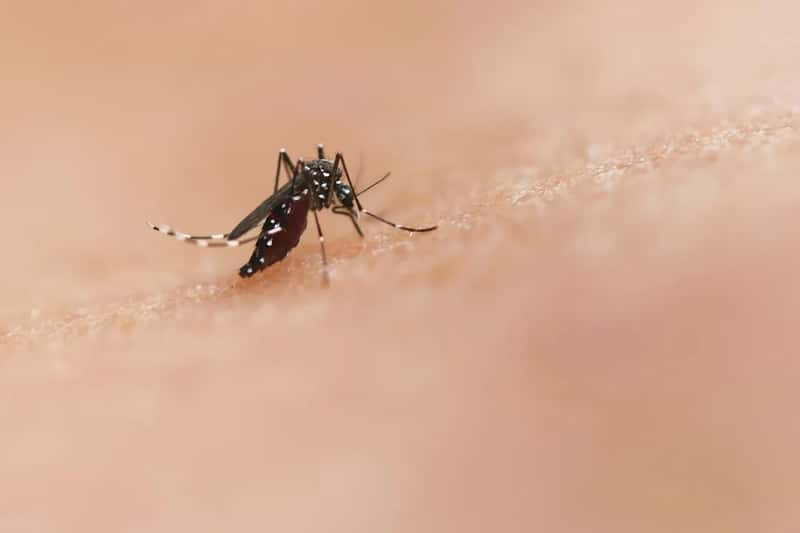
Malaria is the other item to discuss with a clinic. The CDC notes malaria is endemic in eight Brazilian states that account for about 99 percent of cases, almost all in the Amazon basin, with no transmission in Brasília, Rio de Janeiro, São Paulo or Iguaçu Falls.[13] It has no traveler vaccine, only prophylaxis pills for transmission zones.[13]
Pills and shots can be combined. The yellow fever vaccine and antimalarials such as atovaquone-proguanil work through different mechanisms and are routinely used together for Amazon travel.[14] Bite prevention helps too, since avoiding mosquito bites protects against both yellow fever and other diseases such as dengue.[12] Season plays a part as well, because high water brings more mosquitoes, while low water brings fewer.[5]
Before You Book
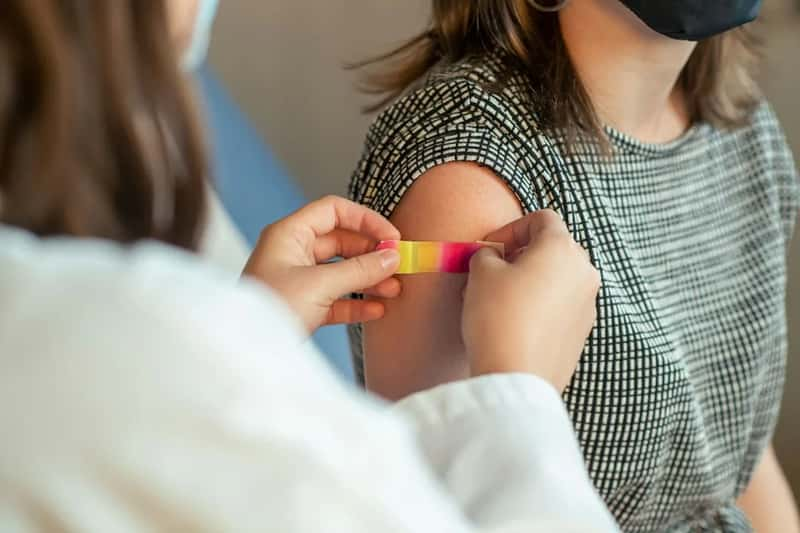
Confirm your visa status for the country you’re entering, and check the CDC Travelers’ Health page for your exact destination. Book a travel clinic visit well ahead of departure, since the yellow fever vaccine needs at least 10 days to take effect.
Then ask your operator what the river is doing at your travel dates. Water level decides which trails, boats and wildlife sightings are on offer.