Ask a traveler what arranged marriage looks like today, and you’ll probably hear about something frozen in the past. The reality in 2026 is messier. Families, professional matchmakers, and even city governments are stepping back into the business of introductions.
The word “comeback” needs a careful reading, though. In some places the practice never left, and in others it has been rebuilt for people who grew tired of swiping. Here are six countries where you can see it in action, with the numbers behind each.
India: Family Introductions With a Say for the Couple
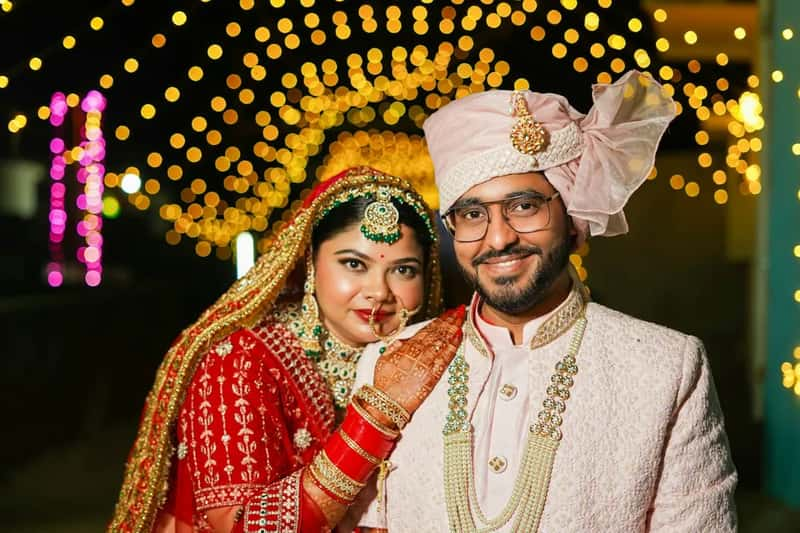
Approximately 90% of marriages in India are still arranged[1], and a 2018 survey covering more than 160,000 households found that 93 percent of married Indians said their marriage was arranged by the family.[2] Those figures come from older data, so treat them as a baseline rather than a 2026 snapshot.
What has changed is who holds the final say. Fewer marriages are purely arranged without consent, and most surveyed Indian marriages are arranged with consent.[1] Research from 2025 describes middle class young adults seeing arranged marriage as the safest option, since parental support acts as insurance against later marital problems.[2]
Pakistan: The Rishta System Adapts

Pakistan is the clearest case of a tradition that held its ground. A Gallup and Gilani Pakistan survey found that 81 percent of married Pakistanis have an arranged marriage.[3] Some press coverage of the same poll reported a figure above 85 percent, but Gallup’s own release gives 81, and the sample was 548 men and women interviewed between late June and mid July 2024.[3]
The methods are shifting even if the outcome isn’t. Families or professional matchmakers known as Rishta Aunties traditionally connect prospective families.[4] More recently, Muzz, a Muslim marriage app with over 15 million members, launched matchmaking gatherings across Pakistan under the name Baat Pakki.[4]
China: Matchmaking Becomes a National Project

China’s interest in matchmaking is tied to a falling marriage rate. There were 6.1 million marriage registrations nationwide in 2024, down from 7.7 million the previous year.[5] That slide has pushed officials and educators to take matchmaking seriously.
One Beijing university enrolled students in China’s first marriage related degree program in March 2025, reportedly covering matchmaking alongside counseling.[5] The numbers have since ticked up. China recorded 6.76 million registrations in 2025, a rise of 10.8 percent, though demographers still debate whether this is a cultural shift or a temporary policy bump.[6]
Japan: Omiai Finds a New Audience
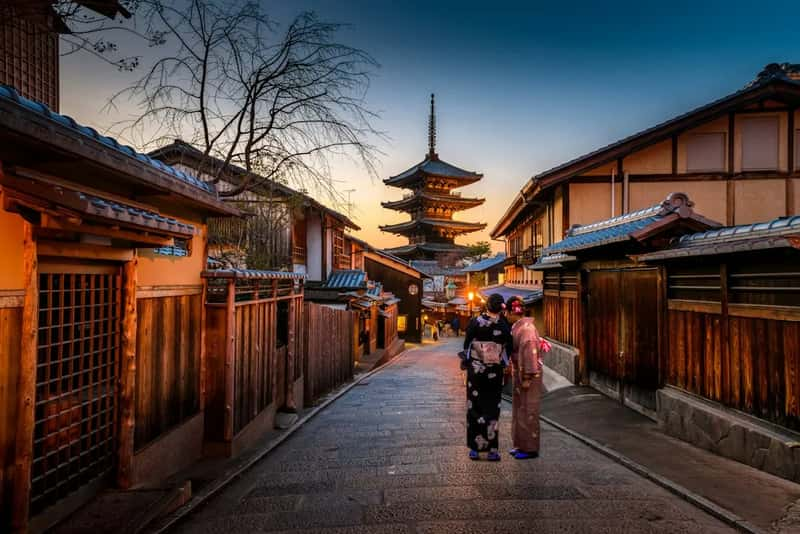
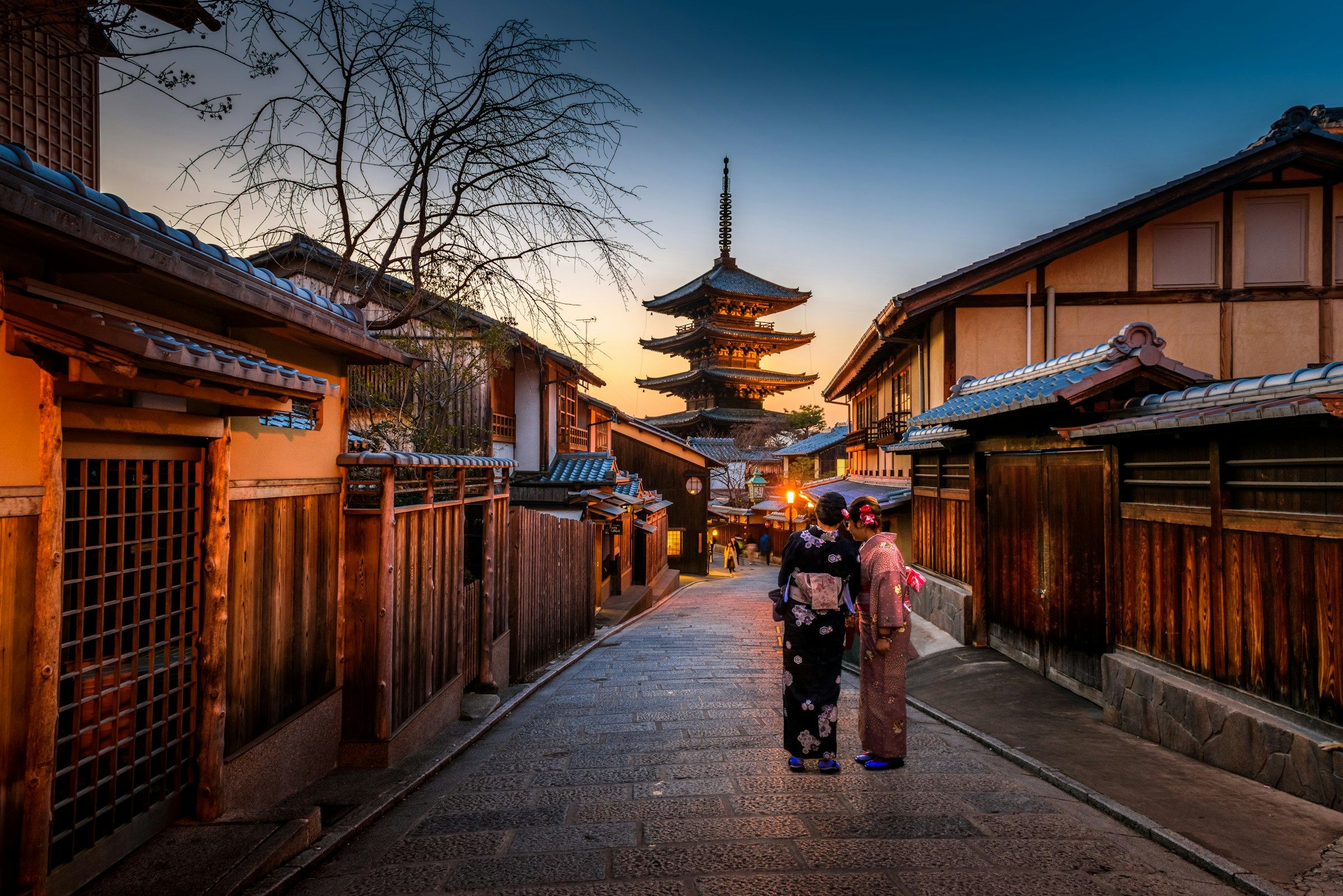
Japan’s version is called omiai. It’s sometimes mistranslated as arranged marriage, but it’s better described as a meeting opportunity with serious intent for the future.[7] The National Institute of Population and Social Security Research estimated that around six percent of marriages in 2005 came through omiai.[7]
The format now lives mostly in agencies and apps. Professional matchmaking agencies and online services such as IBJ Members, Zwei, and Partner Agent handle many marriage focused introductions.[8] The app Omiai, named after the tradition, is reported to have 9 million members.[9] Analysts have also linked the interest to what they describe as a marriage ice age, driven by economic pressure and pandemic years that made meeting people difficult.[5]
South Korea: City Hall Plays Matchmaker
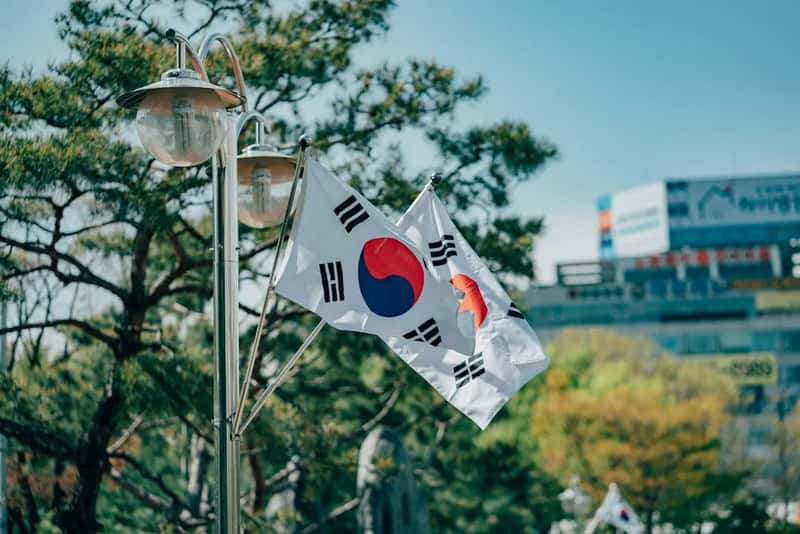
South Korea may offer the most unusual version. Singles look for partners at Buddhist temples and meet matches aboard yachts on the Han River.[10] At Seoul’s “Seollem, in Hangang” Season 2, 52 of the 100 participants found a partner.[10] In Seongnam, 683 pairs have been matched since July 2023, a cumulative matching rate of just over fifty percent.[10]
The wider numbers are moving too. Korea recorded 240,300 marriages in 2025, up 8.1 percent from 222,400 the year before.[11] The programs have had a bumpy history, as Seoul scrapped its 2023 “Seoulting” program after backlash over taxpayer funds.[12] Meanwhile, a survey by job portal Incruit found that three in five working South Koreans consider marriage optional.[13]
United Kingdom: A Diaspora Version of the Tradition

Britain’s story has little to do with falling birth rates. Britain’s South Asian communities offer a different version of the comeback, shaped by diaspora identity rather than demographic crisis.[5] The practice here is more a personal and family choice than a policy.
The shift is toward a partly arranged model. Parents have moved from being the decision makers to being facilitators or intermediaries, and they now let their children know about their choices.[14] Commentary from late 2025 describes a generation that tried dating apps and matrimonial websites, then circled back toward community networks and paid matchmakers.[14]
Where Things Stand
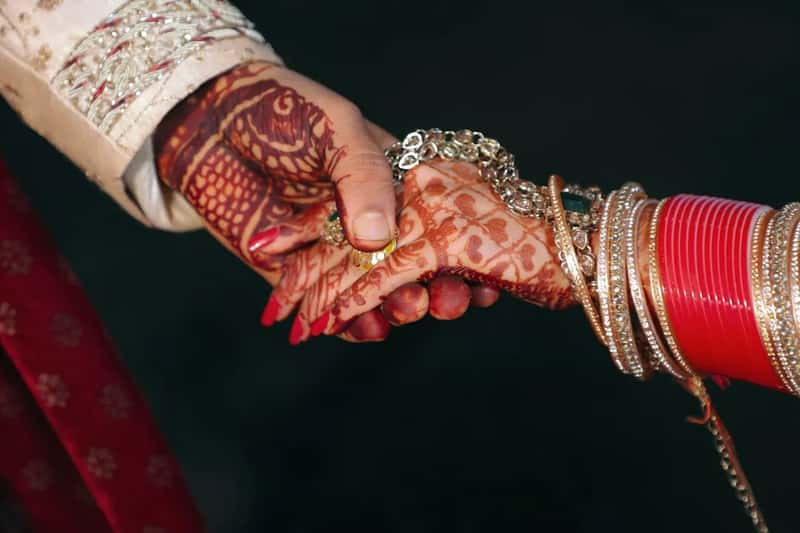
None of these countries is reviving arranged marriage in its old, one sided form.[5] What’s spreading instead is a negotiated version, in which families or professional matchmakers open doors but the couple decides whether to walk through.[5]