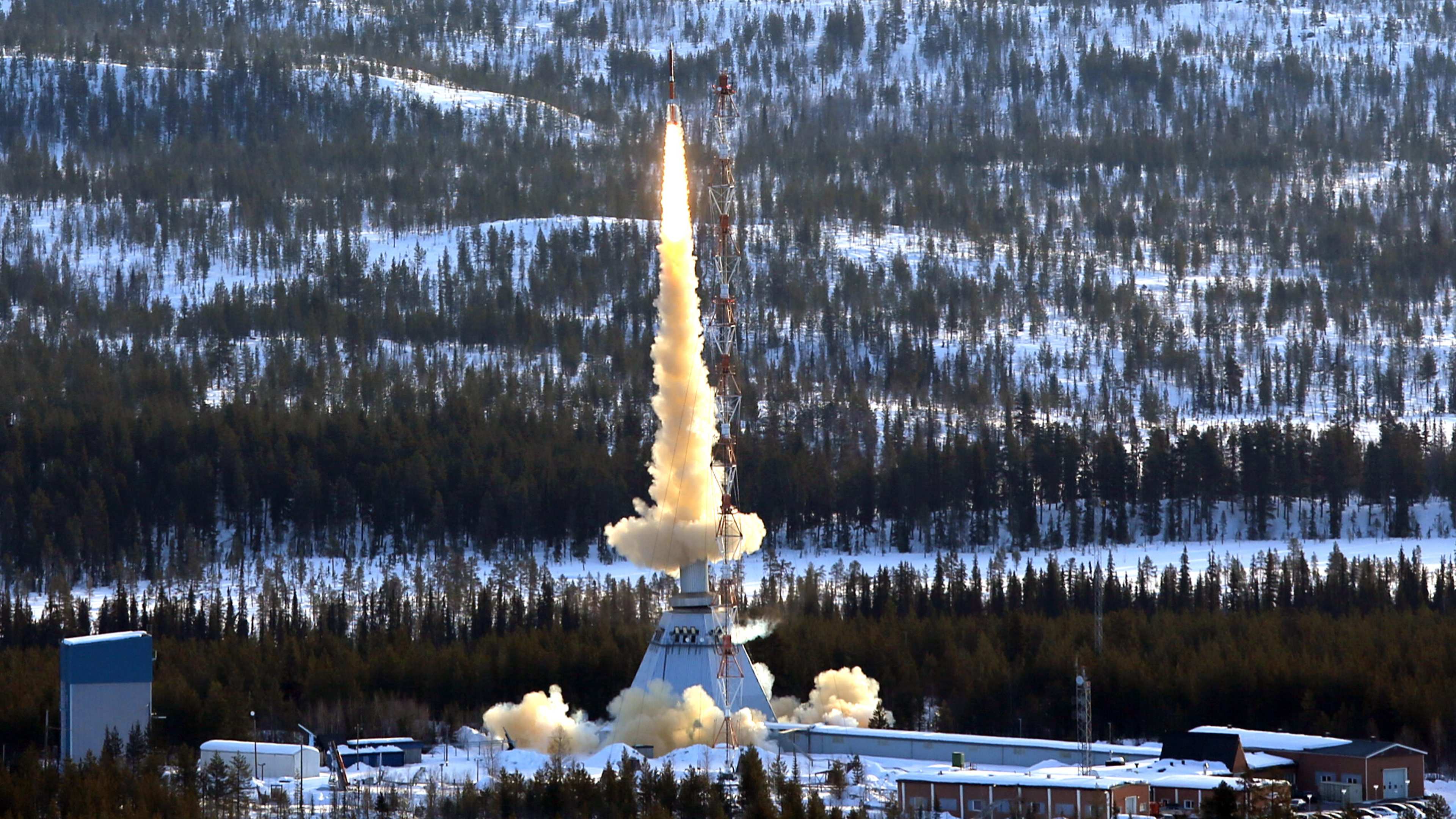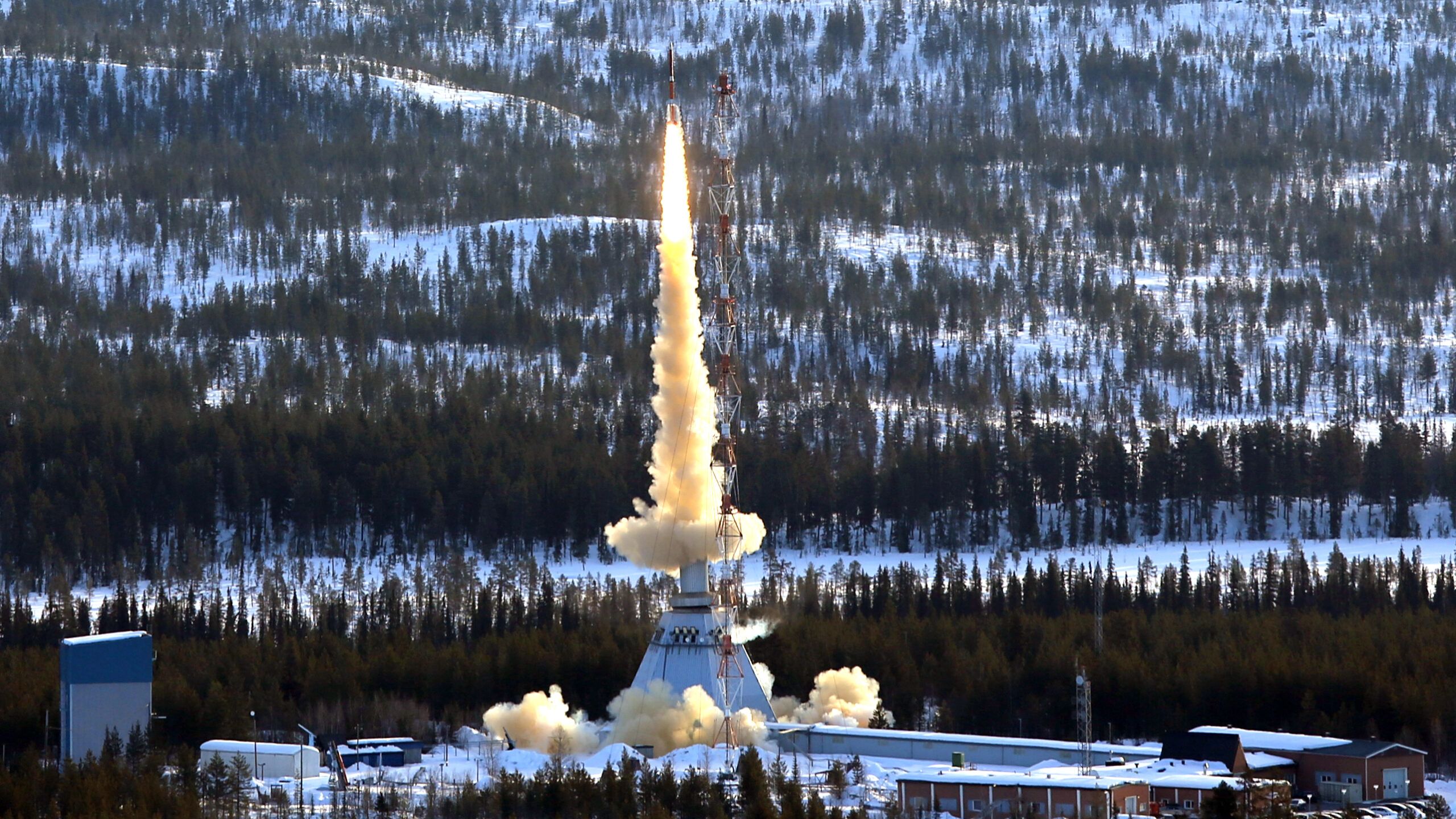
Most people picture a rocket launch in Florida or Kazakhstan. A growing number of launches now happen somewhere far quieter, such as a sheep-dotted peninsula, an Arctic island or a snowy forest.
Smaller countries and regions have been building their own launch sites, and some are already flying. Others are still waiting on their first liftoff. Here are five places to watch, with what’s real and what’s still pending as of November 2026.
New Zealand: The Busiest Small Launch Site

Rocket Lab’s Launch Complex 1 sits on the Māhia Peninsula on New Zealand’s North Island east coast.[1] It is described as the world’s first privately built and operated orbital launch site.[1] The site officially opened on 26 September 2016.[2]
It’s the most active small nation site on this list by a wide margin. Rocket Lab completed its first launch of 2026 and its 80th Electron launch overall in January.[3] On Saturday, Nov. 14, the company is targeting The Mountain God Rises, the 100th Electron launch, with a satellite for the Japanese company iQPS.[4] Launch dates shift often, so confirm the schedule close to the day.
Norway: Rockets Under the Arctic Sky

Andøya Spaceport in northern Norway had a rough start. Isar Aerospace’s Spectrum first flew in March 2025, then suffered an anomaly and fell back to Earth less than a minute after launch.[5] The rocket didn’t carry viable payloads on that debut.
The second attempt took months of delays. A first try in March 2026 was interrupted by a fishing boat stuck inside the safety zone,[6] and a June attempt was scrubbed over a technical issue.[7] Then, on 5 September 2026, Isar Aerospace became the first commercial space company from Europe to deliver satellites into orbit.[8] That flight carried five cubesats and one non-deployable scientific experiment.[5]
Sweden: Esrange Near Kiruna
Esrange is not a newcomer. More than 600 rockets have launched there since the 1960s, mostly sub-orbital rockets used for scientific research or to test spaceflight systems.[9] The site sits about 40 kilometers east of Sweden’s northernmost city, Kiruna.[10]
The orbital side is still being finished. The Orbital Launch Control Center was formally inaugurated on February 18, 2026,[11] and Launch Complex 3C is being developed initially for Firefly Aerospace’s Alpha rocket.[11] The inaugural launch from Sweden was scheduled for late 2026 or early 2027,[11] so a sounding rocket is the likelier sight for now.
Scotland: Shetland’s Long Wait on Unst
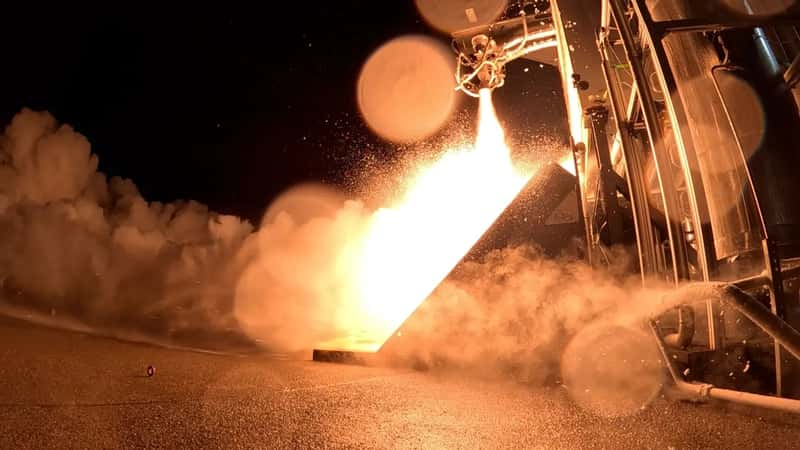
SaxaVord Spaceport sits on Lamba Ness, on the north east edge of Unst, the most northerly of the inhabited Shetland Islands.[12] On 16 January 2025, the CAA granted a launch licence for the RFA One rocket to reach orbit, the first of its kind in the UK and Europe.[12] A first liftoff has been promised for a while.
It hasn’t happened yet, going by the latest reporting I could find. The first test flight could have taken place between August and early September,[13] but RFA paused its five-week launch window after an unspecified technical issue following a week of pad tests in July.[14] HyImpulse has also signed an agreement to fly its SR75 suborbital vehicle from SaxaVord in 2026.[14] Treat any date as provisional.
Australia: Queensland’s Bowen Orbital Spaceport

Australia’s best known orbital hopeful is Gilmour Space Technologies, based in Queensland. Its Eris rocket flew from the Bowen Orbital Spaceport in July 2025. As far as I recall, the flight ended within seconds, well short of orbit.
I couldn’t confirm what has happened since, so I won’t guess at a current date. The rocket’s schedule is worth checking directly with the company before you plan anything. Compared with the other four, this is the earliest stage story of the group.
Before You Book a Flight
Launch dates at young spaceports slip constantly. Weather, range safety and technical checks can all push a countdown back, and even an established site can scrub on the day.
Build in spare days, follow the operator’s official channels, and keep expectations flexible. New Zealand offers the most reliable cadence right now, while Norway has just proven it can reach orbit. Sweden, Scotland and Australia are still working toward their moments.