The climate crisis demands urgent action, and while many countries struggle with commitments, six nations are emerging as true leaders in climate preparedness. These countries aren’t just talking about change – they’re implementing comprehensive strategies that other nations are now studying and emulating. Their success stories provide hope in a world increasingly threatened by extreme weather, rising seas, and ecological disruption.
New Zealand Sets the Gold Standard with Legal Commitments

New Zealand’s climate preparedness is anchored in its legally binding Zero Carbon Act, which commits the nation to net-zero emissions by 2050. In 2024, the government unveiled a new Climate Adaptation Strategy focusing on vulnerable rural and coastal communities, many of which are at risk from sea-level rise and extreme weather. The country has backed up its promises with serious financial commitments.
The plan earmarks NZD 1.3 billion for climate adaptation projects, targeting critical infrastructure upgrades and disaster preparedness programs. New Zealand’s unique approach includes the integration of Māori knowledge and leadership, ensuring that indigenous perspectives are central to climate decisions. This inclusive approach has proven remarkably effective. The Ministry for the Environment reports that 90% of local councils are now implementing climate risk assessments, with priority given to areas facing acute threats like flooding and erosion.
Sweden Leads Europe with Innovation and Investment
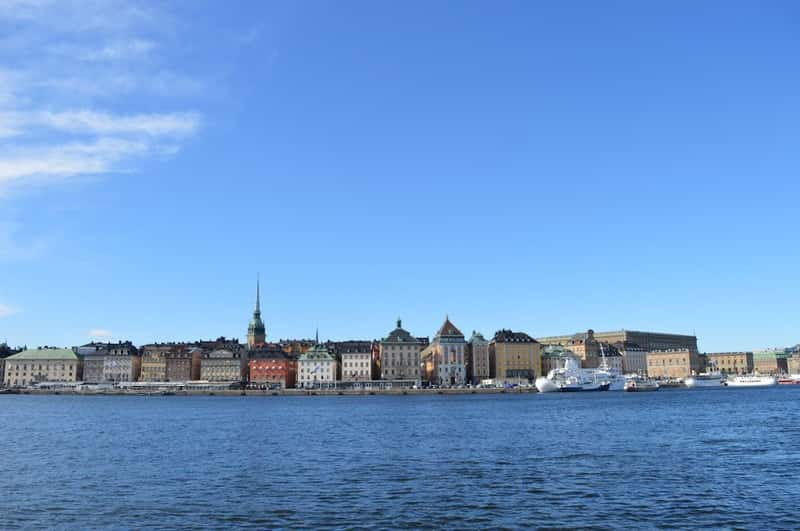
Sweden stands out as a trailblazer in climate preparedness, with a national strategy deeply rooted in sustainability. The Swedish government has pledged to reach net-zero greenhouse gas emissions by 2045, an ambitious target backed by detailed policy frameworks. The Nordic country’s energy transformation has been nothing short of remarkable.
According to the Swedish Energy Agency, more than 60% of Sweden’s electricity comes from renewables, with hydropower and wind energy dominating the mix. Sweden invests over $1 billion each year in climate research and innovative adaptation projects, including resilience-building in agriculture and coastal protection. Perhaps most impressively, the country has also implemented robust waste-to-energy programs, recycling nearly 99% of household waste as of 2024.
Australia Responds to Extreme Climate Reality

Australia’s climate leadership comes from necessity – the country has experienced some of the world’s most devastating climate impacts. The government’s National Climate Resilience and Adaptation Strategy, revised in 2024, allocates AUD 1.5 billion to help communities, especially in rural and regional areas, adapt to new climate realities. The Bureau of Meteorology recorded 2023 as Australia’s hottest year ever, prompting policies to harden infrastructure and improve early warning systems.
Adaptation funding supports the agriculture sector, including drought-resistant crops and better water management. The government has also increased resources for indigenous-led land management, drawing on traditional knowledge to reduce wildfire risk. This combination of modern technology and ancient wisdom has proven particularly effective in fire-prone regions.
Japan’s Disaster Preparedness Sets Global Example

Japan’s approach to climate preparedness has been shaped by decades of natural disasters, creating perhaps the world’s most comprehensive disaster response system. Following the devastating 2011 earthquake and tsunami, Japan massively upgraded its disaster response infrastructure, investing ¥1 trillion in risk reduction measures in 2024 alone, as reported by the Cabinet Office. Earthquake-resistant buildings, tsunami barriers, and advanced early warning systems are now standard across the country’s high-risk zones.
Local governments are empowered to develop tailored adaptation plans, supported by national funding and technical expertise. Japan’s renewable energy targets, aiming for 36-38% of generation by 2030, further contribute to climate resilience by reducing reliance on imported fossil fuels. The country’s culture of preparedness ensures these systems work when needed most.
Denmark Achieves Top Global Climate Performance
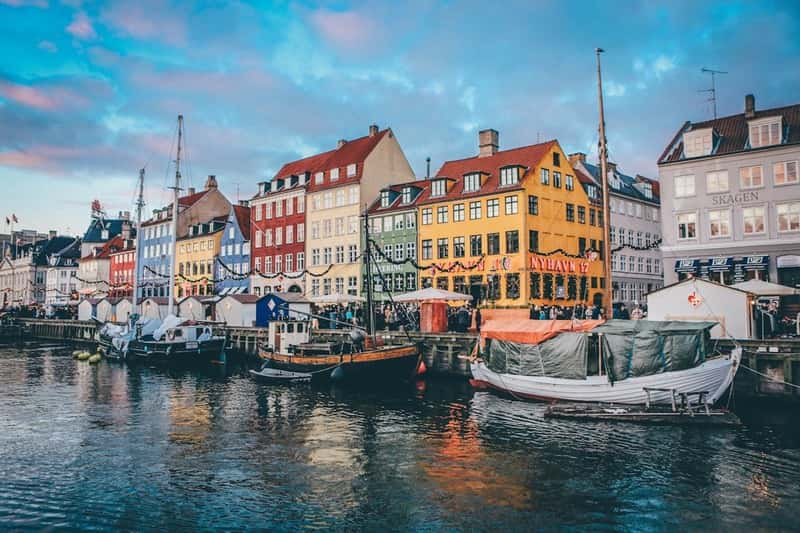
Denmark has consistently ranked among the top countries in the Climate Change Performance Index (CCPI). The CCPI ranks countries based on their climate protection performance using primarily quantitative data, with experts providing qualitative evaluation of a country’s forward-looking climate policies. Denmark’s success comes from comprehensive legal frameworks paired with ambitious targets.
Denmark is legally bound to reach climate neutrality by 2050 and deliver a 70% greenhouse gas (GHG) emissions reduction by 2030 compared with 1990. Denmark accounts for 1.4% of the EU’s net GHG emissions, and achieved a net emissions reduction of 44.7% from 2005 to 2023, greater than the 30.5% EU average reduction over the same period. The country has even implemented the world’s first livestock emissions tax, showing how seriously it takes all sources of greenhouse gases.
Chile Emerges as South American Climate Leader

Chile has been recognised as among the highest-performing countries in recent CCPI rankings. Chile’s progressive government consolidated its efforts with the publication of its national climate law in 2022, committing to net-zero emissions by 2050. A renewed and more ambitious Paris-aligned Nationally Determined Contribution (NDC) recently also pledged GHG emissions peaking by 2025, among other commitments.
Overall, Chile is a frontrunner in renewable energy deployment and has the ambitious goal of using only renewable energy by 2050. The country’s geographic advantages – from solar resources in the north to wind potential in the south – have been leveraged into a comprehensive clean energy strategy that other Latin American nations are now copying.
These six nations prove that climate preparedness isn’t just about having resources – it’s about political will, innovative thinking, and the courage to make difficult changes. Their leadership provides a roadmap that could save millions of lives and trillions in economic damage if adopted globally. What’s your take on which approach might work best for other countries?