
Most of us don’t think much about the pills in a travel bag. A decongestant, a painkiller and a prescription refill go in with the toothbrush. In Japan and the United Arab Emirates, though, a few of those ordinary items can be treated very differently than they are at home.
Both countries run strict medicine import systems, and both judge a product by its active ingredient rather than its brand name. A prescription from your own doctor doesn’t settle the question at the border. The sections below cover which common medicines cause the most trouble, and what each country asks of travelers.
Adderall and Other Amphetamine Medicines in Japan
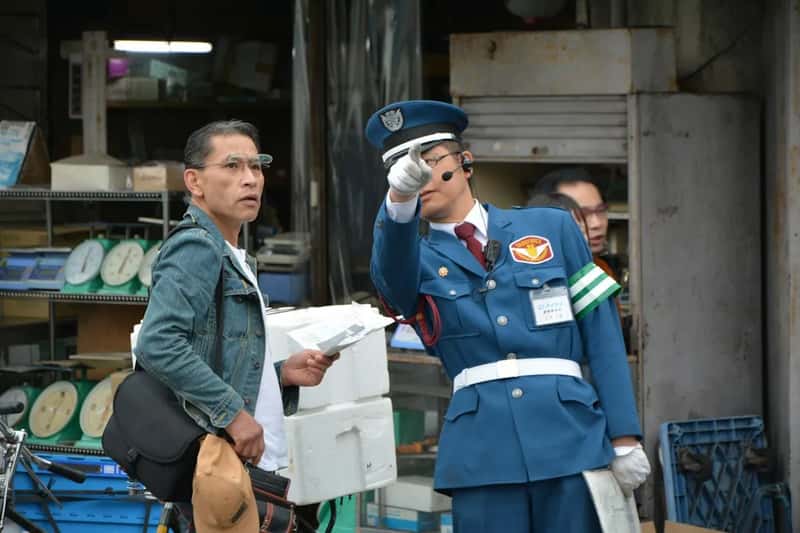
Japan is the harder of the two for stimulant ADHD medicines. Opium, cannabis and stimulant drugs such as amphetamines, including ADHD treatments like Adderall and Dexedrine, are strictly prohibited.[1] Vyvanse is caught too, because its active ingredient, lisdexamfetamine, is treated the same way as Adderall.[2]
A prescription doesn’t help here. Travelers face prosecution if they carry these medicines, even with a foreign prescription or a customs declaration form.[1] Guides written for travelers suggest talking to your prescriber about a non stimulant alternative well before the trip, since there is no import certificate or exemption process for amphetamines.[2]
Cold Medicines and Inhalers With Stimulant Ingredients in Japan
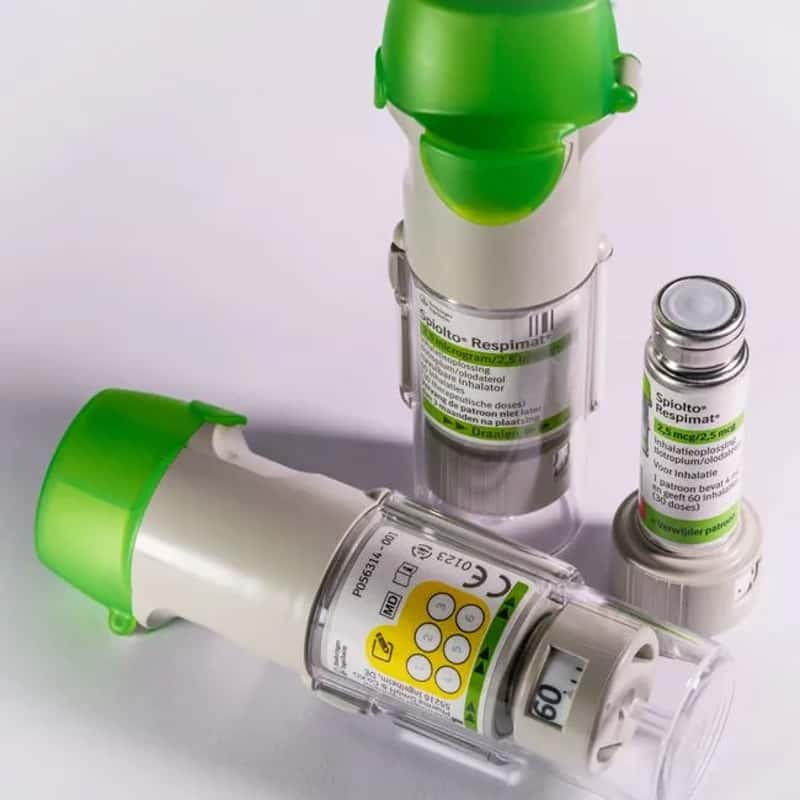
This is the category that surprises people most. Some over the counter medicines commonly used in the United States, including inhalers and certain allergy and sinus products, are illegal to bring into Japan.[3] The usual culprits are decongestants built on pseudoephedrine or related compounds, which fall under Japan’s stimulant rules.
One travel guide lists Tylenol Cold, NyQuil, Actifed, Sudafed, Advil Cold and Sinus, Dristan Sinus, Vicks Inhaler and Lomotil[1] among the products to check. Formulations differ from country to country, so the ingredient list matters more than the label on the front. For example, standard Vicks NyQuil Cold and Flu generally passes, while the versions that add pseudoephedrine should stay at home.[4]
Published guides don’t fully agree on concentration thresholds for pseudoephedrine, so it’s worth confirming with the ministry directly rather than relying on a summary.
Codeine and Opioid Painkillers in Japan

Japan treats opioid painkillers as narcotics. If your prescription involves morphine, codeine, oxycodone, pethidine or hydrocodone, you must get advance permission from one of Japan’s eight Regional Bureaus of Health and Welfare.[1] The paperwork has to be in early, since the application and supporting documents are due at least 14 days before you travel.[1]
Some guides go further and describe codeine containing over the counter products as prohibited outright. Given that the sources vary, the safest move is to check your exact product with the ministry. Tramadol is a useful contrast, since one 2025 guide says it is generally treated as a non scheduled painkiller and usually permitted within normal limits.[5]
Sleeping Pills, Anxiety Drugs and Ritalin in Japan

Benzodiazepines and similar drugs sit in a middle tier. They aren’t banned, but they are controlled under Japan’s narcotics and psychotropics law.[2] Valium, for instance, needs no import certificate below 1.2 grams of the active ingredient, diazepam.[1]
Methylphenidate, sold as Ritalin or Concerta, is treated as a psychotropic. One 2025 guide notes that many psychotropic drugs are allowed in limited quantities but need an import certificate beyond a one month supply.[5] Another describes Ritalin and Concerta as allowed only with a certificate approved at least two weeks before departure.[6] Since the two accounts differ, confirm the rule for your specific product.
Codeine and Tramadol in the UAE
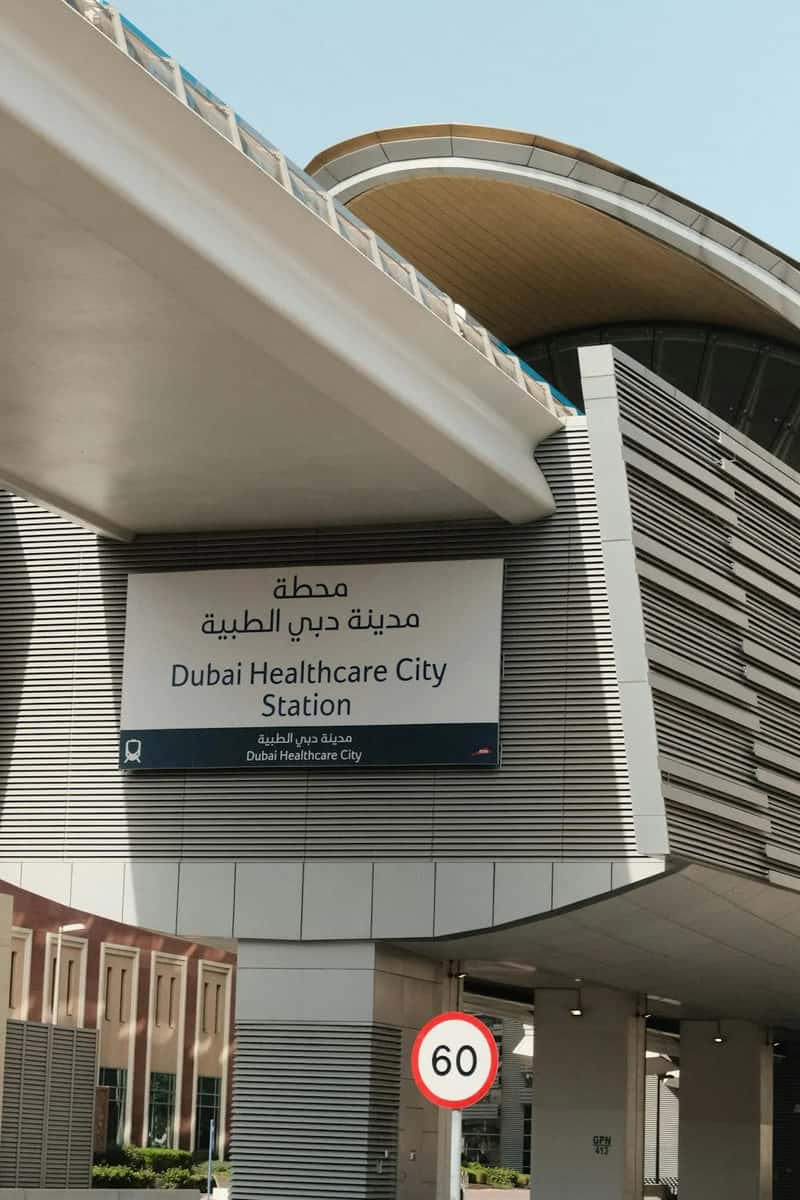
The UAE sorts many everyday painkillers into the controlled category. Its narcotics law, Federal Decree Law No. 30 of 2021, covers not just recreational drugs but also commonly prescribed medicines containing codeine, tramadol and benzodiazepines.[7] That catches combination painkillers widely sold in the UK and Europe, such as paracetamol with codeine.[7]
Tramadol falls under the same controlled classification,[7] which surprises visitors who see it as a routine prescription. A Dubai travel guide from 2024 also named Solpadeine and Nurofen Plus as products that are not allowed.[8] A ministry annex lists combination codeine above thirty milligrams per unit as controlled, with quantity limited to the period of stay or one month, plus a prescription and an attested medical report.[9]
Benzodiazepines and Sleeping Tablets in the UAE

Anxiety and sleep medicines get careful scrutiny. Diazepam, alprazolam, clonazepam and lorazepam are all classified as psychotropic controlled substances.[7] Without a prescription and a medical report, and ideally a ministry permit, carrying them can lead to detention at customs.[7]
The same logic applies inside the country. Pharmacies dispense these drugs only against a current prescription naming the patient, and refill quantities are limited.[10] Certain antidepressants are also flagged in some guides, so a doctor’s check of your full list is sensible.
ADHD Medicines in the UAE

ADHD treatments are among the most tightly controlled prescriptions in the UAE. Methylphenidate such as Ritalin or Concerta is a controlled psychotropic substance that can be brought in with a prescription, medical report and ministry permit.[7] Amphetamine based drugs are harder, since some amphetamine compounds are effectively prohibited.[7]
Guides don’t agree on every formulation. One 2026 walkthrough treats lisdexamfetamine as a permit case, while another says to check the specific product against the ministry’s list. Families relocating with children on ADHD medication are advised to verify the formulation well before travel.[7]
How Japan’s Import Certificate Works

Japan’s system revolves around the Yunyu Kakunin sho, an import certificate that was previously known as the Yakkan Shoumei. Without one, you can bring up to a one month supply of prescription medicine, a two month supply of over the counter medicine or vitamins, and twenty four units of external use products or cosmetics.[4] Beyond that, or for controlled drugs, the certificate is required.
Applications are made through the ministry, and the online system for personal import has been in place since February 2023.[5] The U.S. Embassy advises travelers to check the ministry website or email [email protected][11] before they go. It also stresses that a foreign prescription for a drug illegal in Japan carries a real risk of arrest and detention.[11]
How the UAE Permit System Works

The UAE’s process runs through the Ministry of Health and Prevention. Anyone carrying controlled medication must apply for approval through the ministry website,[12] and the prescription must match the quantity, which cannot exceed a three month supply.[12] The ministry’s own service page lists what the prescription must include: the patient’s full name, medicine name and dose, dosage form, duration of treatment, date of issue and the physician’s name.[13]
The ministry describes the traveler service as optional, but that comes with a condition. If prior approval wasn’t obtained, travelers must declare their controlled medicines on arrival, along with the prescription and medical report.[13] The ministry publishes a list of over 200 controlled medicines, showing which can enter with a permit and which are strictly prohibited.[12] Transit passengers who stay within the airport don’t need prior approval, though carrying the prescription is recommended.[13]
Penalties and What to Check Before You Pack

Consequences differ by country but neither is lenient. In the UAE, one 2026 guide says penalties under the narcotics law start at three months in prison and a fine of AED 20,000 for first time possession offences.[7] In Japan, the outcome for prohibited stimulants can include prosecution, regardless of documentation.
The practical checklist is short. Read the active ingredients, not the brand. Keep everything in original labeled packaging, and carry a copy of your prescription and ideally a short letter from your doctor.[4] For Japan, contact the health ministry at [email protected], and for the UAE, use the ministry’s medicine import permit service before you fly.