South America is a continent of wild contrasts. You can find some of the world’s most breathtaking landscapes, deepest cultures, and warmest people here – but also some of its most sobering crime statistics. The gap between the safest and most dangerous corners of this continent is frankly shocking, and it’s wider than most travelers ever realize.
Honestly, lumping all of South America into one safety category is a bit like saying “Europe is dangerous” because of one city. It doesn’t tell the whole story. Safety varies widely across the continent. Uruguay and Chile, for instance, consistently rank as some of the safest countries in Latin America, thanks to stable economies and effective law enforcement. So before you plan your next trip – or just want to understand the region better – let’s dive into the data, country by country, .
1. Argentina – The Surprising Safe Leader
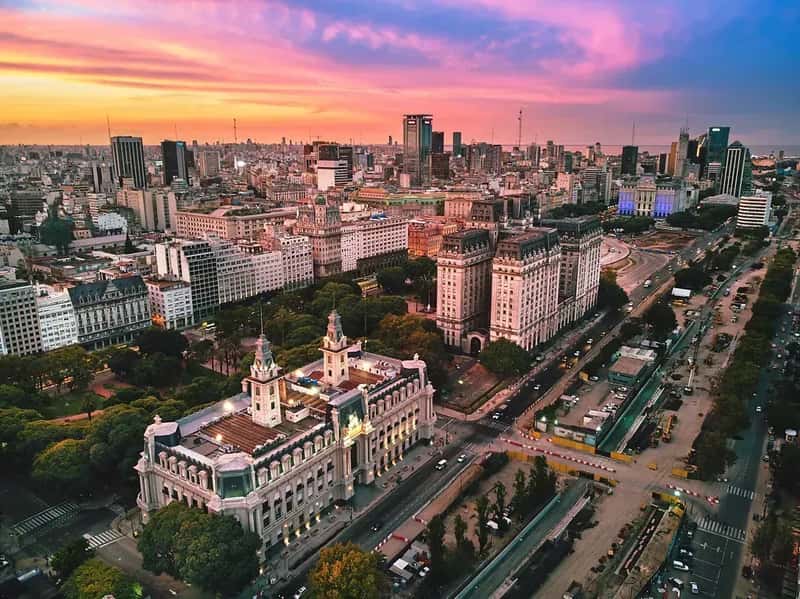
Few people would have predicted this, but the numbers don’t lie. Argentina ranks 46th globally on the 2025 Global Peace Index and is officially the safest country in South America. That’s a remarkable position for a country that has been dealing with one of the continent’s most turbulent economic stories for years.
The country’s homicide rate sits at around 4.7 per 100,000, which is lower than many places travelers assume are safe. Argentina enjoys a Level 1 travel rating from the U.S. State Department as of mid-2025, which is better than both Chile and Uruguay. Petty crime does happen in Buenos Aires, sure, but violent crime against tourists remains relatively uncommon.
In 2024, Argentina scored 1.86 out of 5 points on the Global Peace Index, placing the country in the 47th position globally and in 1st place within Latin America and the Caribbean. The combination of relatively strong institutions and a cultural emphasis on civic life keeps it at the top of this list. Who would have guessed?
2. Uruguay – Latin America’s Best-Kept Secret
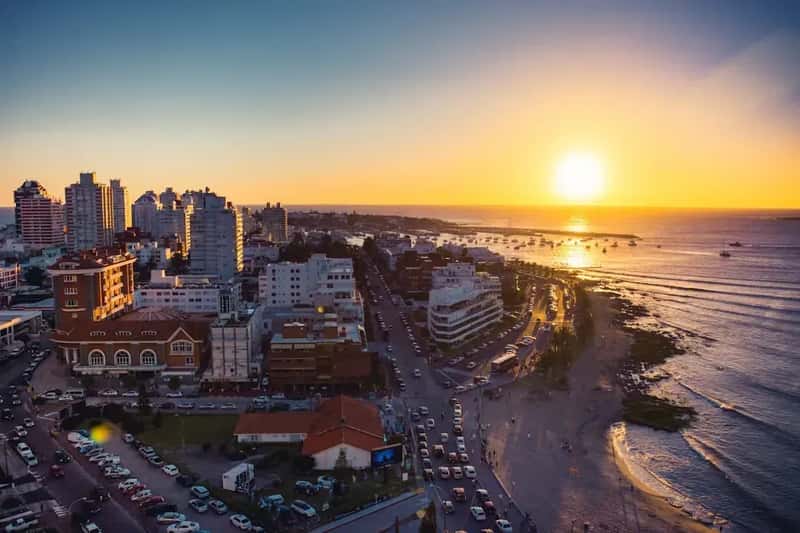
Uruguay sits among the top 50 in the world on the GPI 2025, reflecting its long-standing reputation as Latin America’s Switzerland. Here’s the thing about Uruguay: it’s been flying under the radar for decades. Most people booking a South American adventure think of Brazil or Argentina first, and that’s exactly why Uruguay stays so refreshingly calm.
In 2024, Uruguay had the lowest homicide rate in the region at just 3.5 per 100,000, less than half the rate in the United States. Think about that for a second. A South American country safer than the U.S. by that measure. Uruguay is known for its relatively low tolerance for corruption and crime, which is reflected in its consistently high rankings for safety among South American nations. The country’s strong legal system and societal emphasis on law and order make it one of the safer destinations for travelers.
3. Chile – Stable, Scenic, and Relatively Safe

Chile placed in the 64th position out of 163 countries in the 2024 Global Peace Index. Regionally, Chile occupied one of the highest places, being one of the most peaceful countries in Latin America. It’s a long, narrow country of extraordinary geographic variety, and its relative stability is something that gets too little attention in travel conversations.
Chile stands out for its economic stability in the region, which correlates with lower crime rates compared to neighbors. This stability has allowed for significant investment in infrastructure, contributing to safer travel conditions within the country. Still, it’s not entirely without issues. Santiago has weekly riots involving far-left protestors clashing with police, with graffiti everywhere and damaged statues. Yet outside the capital, most regions remain peaceful.
4. Paraguay – The Overlooked Quiet Neighbor
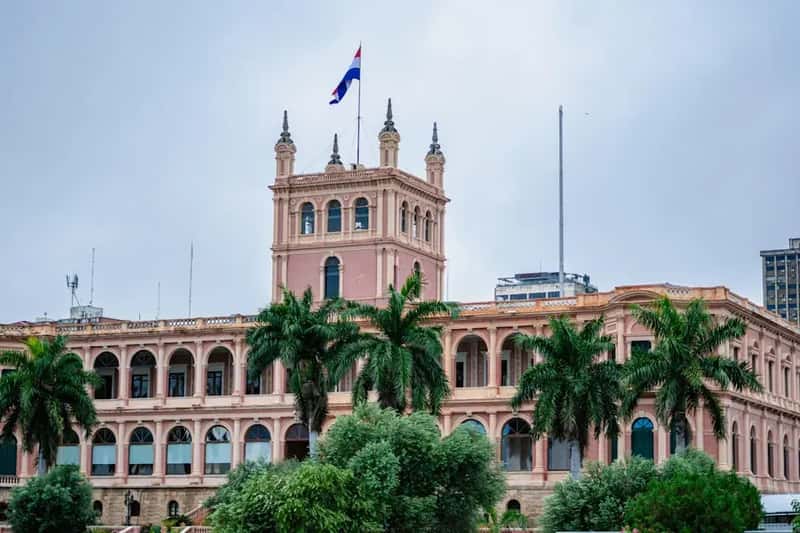
Paraguay rarely makes anyone’s bucket list. It’s one of those countries that gets skipped entirely on the grand South American circuit. Yet the data tells a more interesting story. According to the Global Peace Index 2024, Paraguay ranks 4th in South America for safety, with a homicide rate around 5.7 per 100,000, well below the regional average.
Paraguay is one of the least-visited countries in South America, but also one of the safest, with a Level 1 travel advisory as of mid-2025. That Level 1 rating is the best possible from the U.S. State Department, matching Argentina as the only two South American countries to earn it. Bolivia’s borders with neighboring Paraguay, Brazil, Uruguay, and Argentina are marked by minimal state presence, facilitating some smuggling and trafficking – so border zones remain a concern even here, though urban daily life is largely calm.
5. Colombia – Troubled Past, Complicated Present
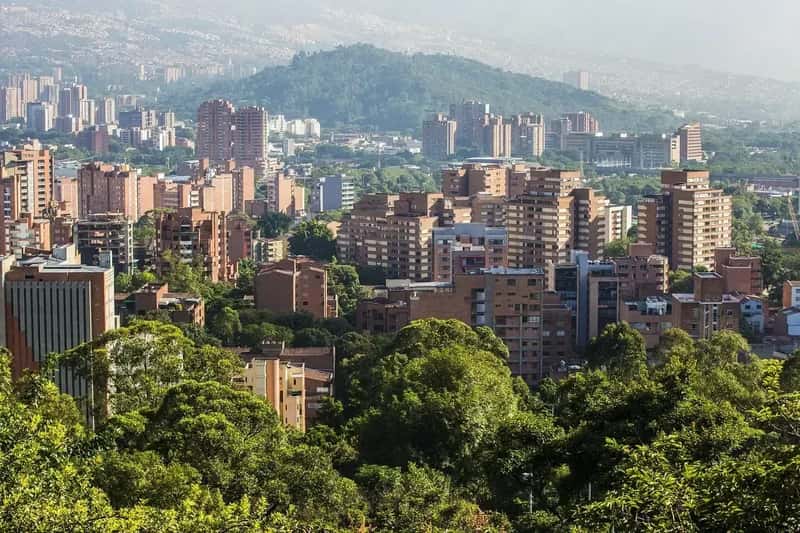
Colombia is one of the most fascinating and frustrating countries to assess. Its transformation over the past two decades has been remarkable – but significant dangers remain. Colombia was the only South American country to record a death from terrorism in 2023. Clashes between the government and dissident rebel groups have hindered the full implementation of the 2016 peace agreement. Colombia recorded 781 deaths from internal conflict in 2023.
Colombia has had some success in suppressing violence in recent years. However, Bogotá and other major cities still struggle with minor crimes. Bogot��’s crime rate in 2024 shows a rise in serious offenses such as homicides and sexual crimes. While personal robberies have dropped, theft and street crime still happen in the capital. The Global Organized Crime Index further highlights the scale of the challenge: Colombia scores 7.8, among the highest overall criminality scores in the Global Organized Crime Index.
6. Bolivia – Rising Pressure From Regional Crime Webs

Bolivia sits in a peculiar middle ground. It’s not the most violent country in South America, but its exposure to transnational crime is growing fast and in deeply concerning ways. Bolivia’s organized crime landscape is shaped by regionalized family-based clans rather than nationwide mafia structures. These clans, particularly those involved in cocaine production, maintain strong connections with foreign criminal actors. The emergence of hired killings carried out by individuals from Brazil and Colombia on behalf of Bolivian clans raises serious concerns about a potential increase in violence.
Providing refuge for high-value traffickers amid widespread impunity, Bolivia has emerged as a key hub in the evolving global drug trade. The expansion of Brazilian criminal organizations, such as the Primeiro Comando da Capital and Comando Vermelho, has intensified as security crackdowns in Brazil push them into Bolivia. The Venezuelan Tren de Aragua cartel has also increased its presence in Bolivia, engaging in human trafficking and smuggling operations. Political instability culminated in an attempted coup in 2024, reflecting broader regional trends of democratic backsliding and rising political fragmentation.
7. Peru – Extortion, Illegal Mining, and Soaring Crime
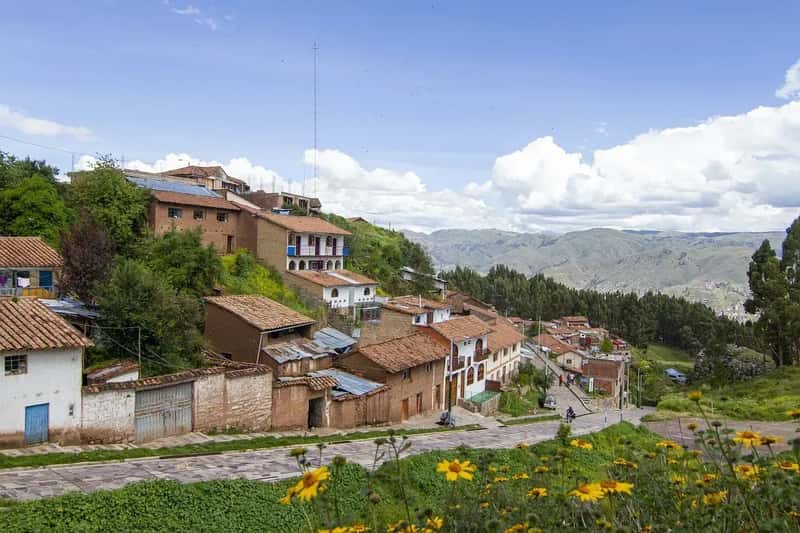
Peru’s trajectory is genuinely alarming when you look at the numbers closely. The country made some progress on homicide rates, yet other forms of violent crime are surging. In Peru, reported cases of extortion surged by roughly 370% between 2021 and 2023. That is not a typo. That is an almost unimaginable explosion in a single category of crime in just two years.
Organized crime-related violence in 2024 revolved around illegal mining and extortion. Groups focused on illegally extracting gold in Peru made record profits, but that came with more violence, as groups attacked security forces and formal mining companies. Peru’s skyrocketing extortion levels fell slightly in 2024, but the schemes remained violent. Using grenades to intimidate people into paying – and punishing those who do not – became a popular tactic. Peru is one of the largest cocaine producers globally. Organized crime in Peru is heavily influenced by this trade. The country sees significant activity from drug trafficking organizations, particularly in coca-growing regions like the VRAEM, where violence and criminality are rampant.
8. Brazil – Improving, But Still Among the World’s Most Violent Nations
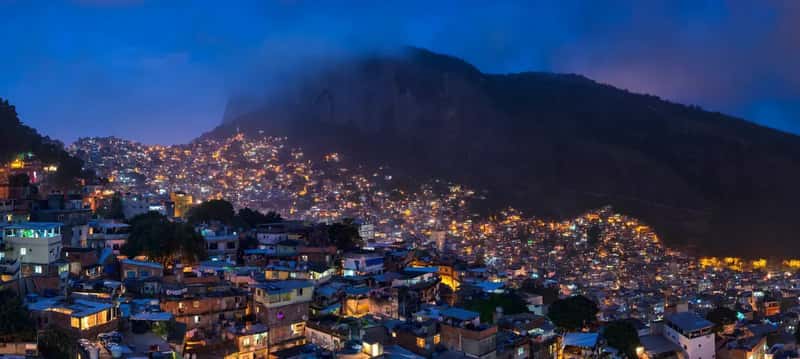
Brazil is a nation of extremes – extraordinary beauty and devastating violence, often within a few kilometers of each other. The good news? There is genuine, measurable progress. Brazil’s intentional homicide rate fell to 17.9 per 100,000 inhabitants in 2024, its lowest level in over a decade. The Ministry of Justice and Public Security reported 38,075 murders, a 6% decrease from 2023.
Even so, Brazil ranks fifth in South America in terms of homicide rates, following Venezuela, Ecuador, Guyana, and Colombia. And the geography of crime is starkly unequal. The most dangerous cities in South America include Fortaleza, Recife, Salvador, Manaus, and Natal in Brazil. Cities like Florianópolis, Curitiba, and Brasília are among the safest in the country, while in Rio and São Paulo it’s best to stay in tourist areas. Favelas controlled by gangs see considerably higher crime levels than other neighborhoods. Drug trafficking routes from neighboring countries – Colombia, Peru, and Bolivia, three of the world’s biggest cocaine producers – are among the factors that have made the country a breeding ground for widespread organized crime and violence.
9. Ecuador – The Most Dramatic Crime Collapse in South America
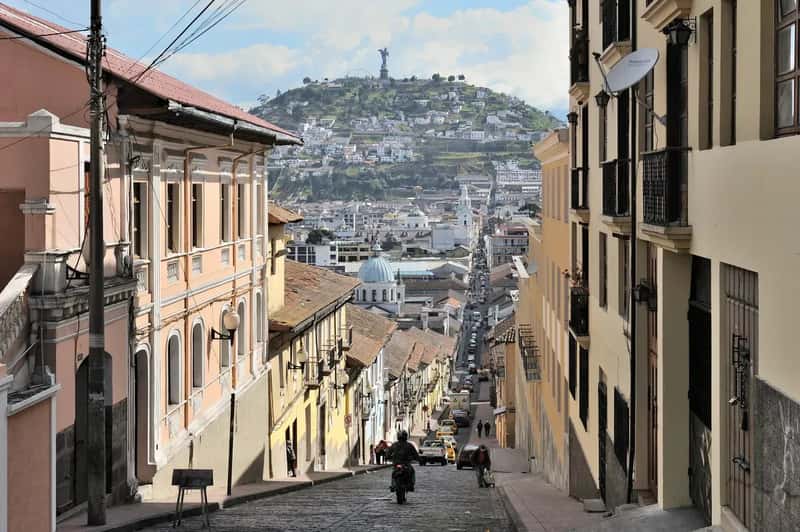
If one country’s story shocked the entire continent over the past few years, it is Ecuador’s. The speed and scale of its descent into violence has been breathtaking in the worst possible way. In Ecuador, the national homicide rate surged from 5.7 per 100,000 people in 2018 to about 45.1 in 2023, making it the most violent country in South America by that measure.
In January 2024, Ecuador declared a state of emergency and declared war on drug gangs after attacks broke out, with that conflict still taking place and cities like Guayaquil remaining areas to avoid. Ecuador experienced the largest regional deterioration, and the second largest global deterioration in peacefulness on the 2024 Global Peace Index, with a fall of over 12 percent in score. This decline is primarily due to increased drug-related and gang-related violence. The speed of this collapse – from relative calm to near-total instability in under a decade – should serve as a warning to the entire region about how quickly things can unravel.
10. Venezuela – The Most Dangerous Country in South America
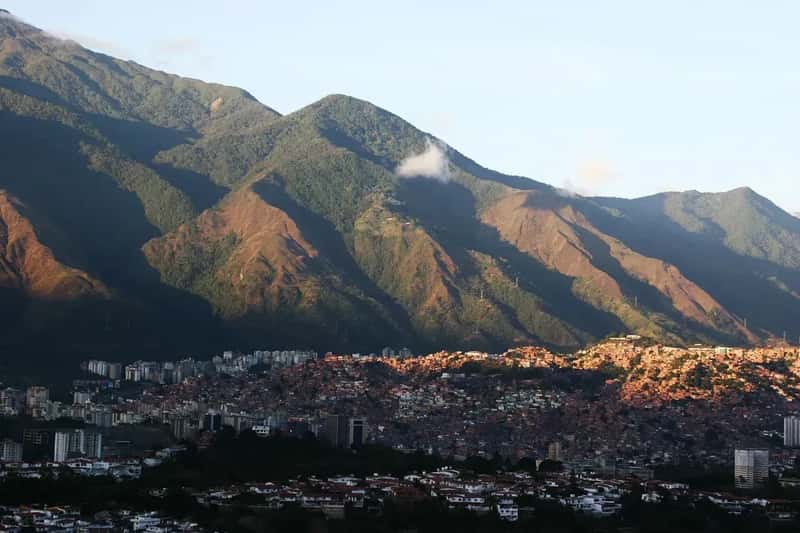
There is no sugarcoating this one. Venezuela sits at the very bottom of every major safety ranking for South America, and most global rankings too. Venezuela has a crime index of 80.7, the highest of any country in the world according to the Numbeo Crime Index. The U.S. Department of State has issued a Level 4 travel advisory for Venezuela – its highest danger rating. Venezuela’s high crime rates have been attributed to government corruption, a flawed judiciary system, and the breakdown of the Rule of Law.
Venezuela is one of the most dangerous countries in the world. It has a high level of political instability, a high level of violent crime, and a high potential for kidnapping. Caracas is one of the most dangerous cities in South America, though reports show a slight drop in crime recently due to changes in crime patterns. The broader regional picture is alarming too: with just 8 percent of the global population, Latin America and the Caribbean accounts for 29 percent of homicides worldwide. Venezuela remains the sharpest, most extreme example of what happens when political collapse and economic ruin collide with organized crime. It is a cautionary tale for the entire continent.
Conclusion – A Continent of Extremes

South America refuses to be defined by a single story. From Argentina’s surprising calm to Venezuela’s devastating chaos, the range is vast and real. South America experienced the second largest fall in peacefulness on the 2024 Global Peace Index, with the average level of peacefulness deteriorating by 3.6 percent. The trend, broadly, is going in the wrong direction.
Yet progress exists. Brazil’s homicide numbers are falling. Peru is slowly improving. Uruguay continues to punch far above its weight as a beacon of stability. The difference between safety and danger in this continent often comes down to governance, economic equality, and the rule of law – not geography or culture.
The most important takeaway is this: South America is not one place. Treating it as such does a disservice to countries working hard to build safer societies – and it can lead travelers into real danger in places that deserve genuine caution. What surprised you most about this ranking?