For most of modern history, crocodiles were creatures you watched for in the water, maybe on a muddy riverbank, but never above your head. That assumption turned out to be wrong. Scientists have confirmed that several crocodile species regularly leave the ground behind and climb into trees, sometimes reaching the crown itself, despite having none of the physical tools you’d expect a climbing animal to need.
It sounds like something out of a horror film, yet it’s been documented calmly and repeatedly by researchers working on three continents. From the swamps of Botswana to the rainforests of Gabon and the mangroves of Mexico, tree-climbing crocodiles have carved out a strange little niche in the natural world. Here’s a tour of the places where this behavior has actually been observed, along with what scientists think is driving it.
A Discovery Decades in the Making
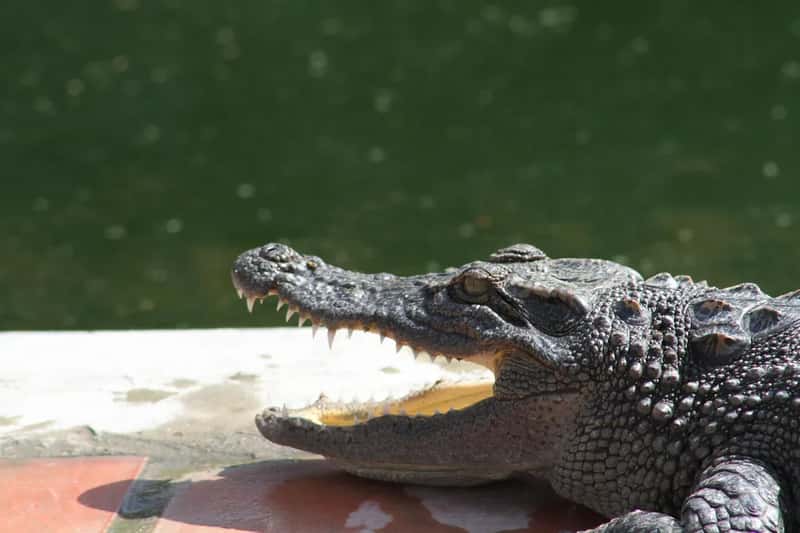
The formal science behind climbing crocodiles is surprisingly recent. There had been a few scattered reports of crocodiles in trees in the scientific literature, so University of Tennessee researcher Vladimir Dinets led a team to discover if these were isolated incidences or regular behavior. Before that study, most of what people knew came from locals who lived near crocodile habitats rather than from peer-reviewed research.
Vladimir Dinets, a research assistant professor in the Department of Psychology, is the first to thoroughly study the tree-climbing and basking behavior. He worked alongside Adam Britton of Charles Darwin University in Australia and Matthew Shirley of the University of Florida, and their findings were published in the journal Herpetology Notes, turning decades of informal anecdotes into recognized science.
How High Can They Really Go
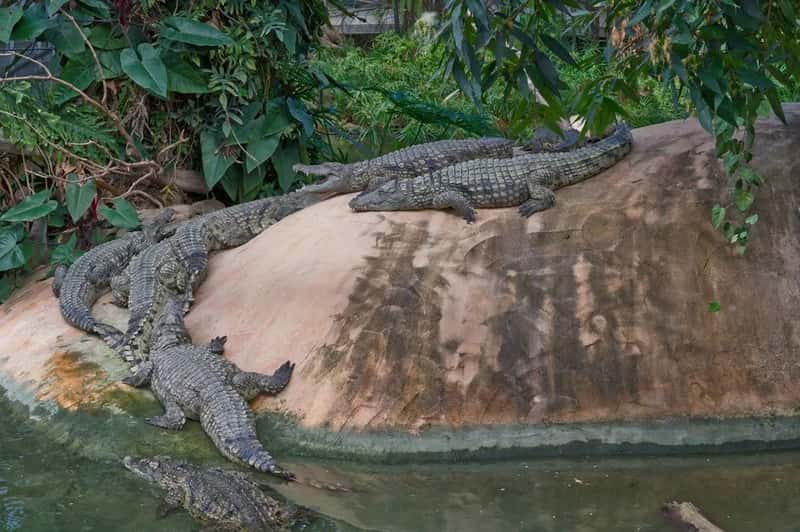
The numbers reported in the study vary depending on the source, but they’re consistently more impressive than most people would guess. The scientists confirmed that four different crocodile species found in Australia, Africa and the Americas are all able to climb, some as high as four meters, where they were observed basking in trees. One individual crocodile was reportedly spotted roughly thirteen feet above the ground, well over the height of a single-story building.
Juveniles are the real overachievers here. After studying five crocodilian species on Africa, Australia and North America, the team found that the reptiles can climb as high as six feet off the ground, and juveniles have been spotted as high as thirty feet. That’s a genuinely startling height for an animal built like a torpedo with legs, and it upends a lot of assumptions about what these ancient reptiles are capable of.
Why They Bother Climbing At All
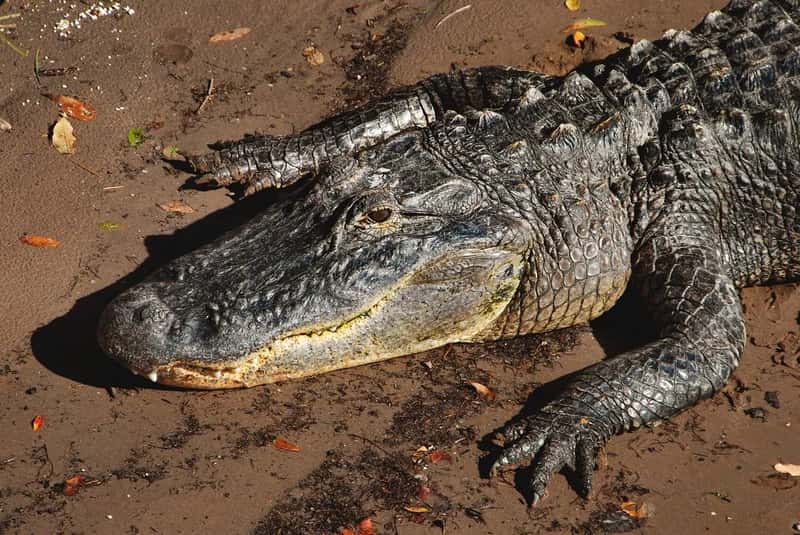
Crocodiles aren’t scaling trees for fun or out of some evolutionary accident. Researchers believe there are two main drivers, and both make a lot of sense once you think about crocodile biology. The researchers believe the crocodiles climb to keep a lookout on their territory and to warm themselves in the sun, noting that the most frequent observations of tree-basking were in areas where there were few places to bask on the ground.
There’s also a defensive angle to the behavior that’s easy to overlook. Their wary nature suggests that climbing leads to improved site surveillance of potential threats and prey. Being cold-blooded, crocodiles depend heavily on external heat sources, and a sunny branch above the waterline can be a far more efficient basking spot than a crowded, shaded riverbank.
The Okavango Delta, Botswana
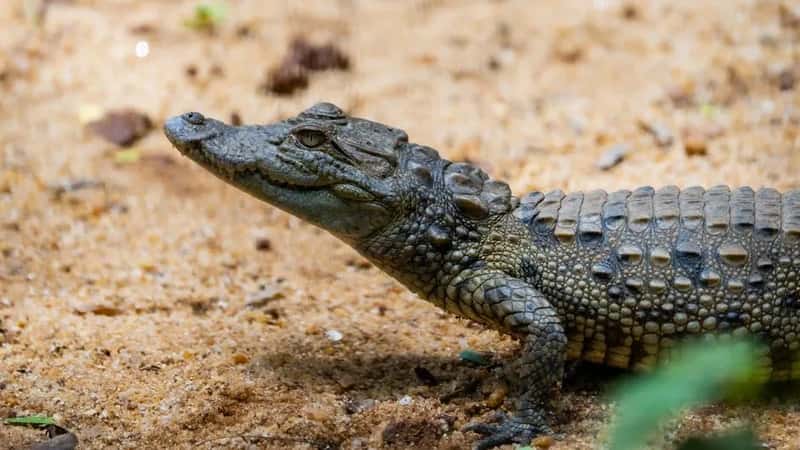
Botswana’s Okavango Delta is one of the most iconic wetland systems on the planet, and it’s also home to confirmed sightings of climbing Nile crocodiles. The scientists observed a two-meter-long Nile crocodile basking on a tree in the panhandle region of the Okavango Delta, which then dropped into the water as the observers passed it in a boat, on a branch approximately half a meter above the water. The behavior fits the pattern seen elsewhere: modest height, close to the water, and an easy escape route below.
Nile crocodiles are among the largest and most powerful crocodilian species alive, so seeing one balanced on a branch rather than lounging on a sandbar is a strange sight even for people who work in the delta regularly. The panhandle’s mix of channels, floodplains and scattered trees seems to give crocodiles plenty of low-hanging opportunities to bask above the waterline instead of competing for space on crowded banks.
Loango National Park, Gabon
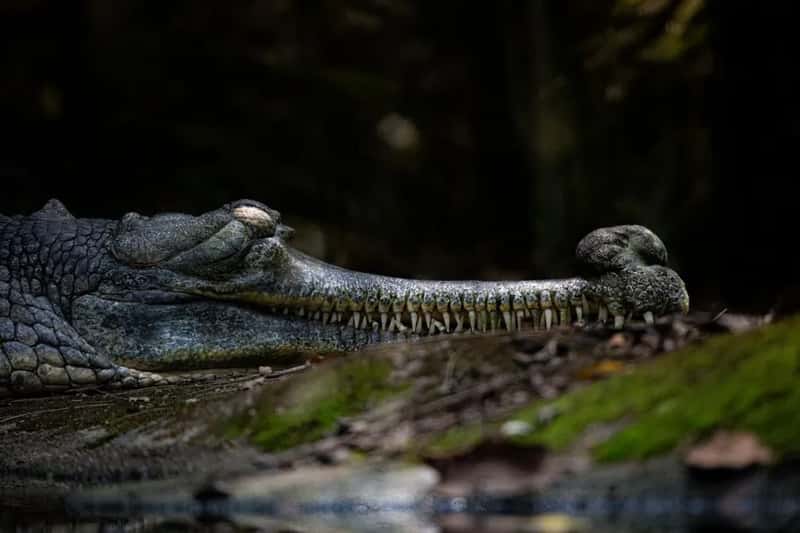
Gabon’s Loango National Park sits along the country’s Atlantic coast and has become something of a hotspot for observing the Central African slender-snouted crocodile in trees. Researchers photographed a juvenile African slender-snouted crocodile, Mecistops cataphractus, on a tree branch in Loango National Park. The species is known for its narrow, elongated snout built for snatching fish, and it turns out that same lightweight build may help younger individuals scramble onto low branches.
The wider picture for this species is troubling, though. It’s now recognized as its own genus, Mecistops, split between a West African species and a Central African one, and both are considered critically endangered. Conservation work now focuses on the West African slender-snouted crocodile, a critically endangered species of crocodile endemic to West Africa. Loango’s forests remain one of the more stable strongholds for its Central African relative, which makes every documented sighting there scientifically valuable.
The Mangroves of Tulum, Mexico
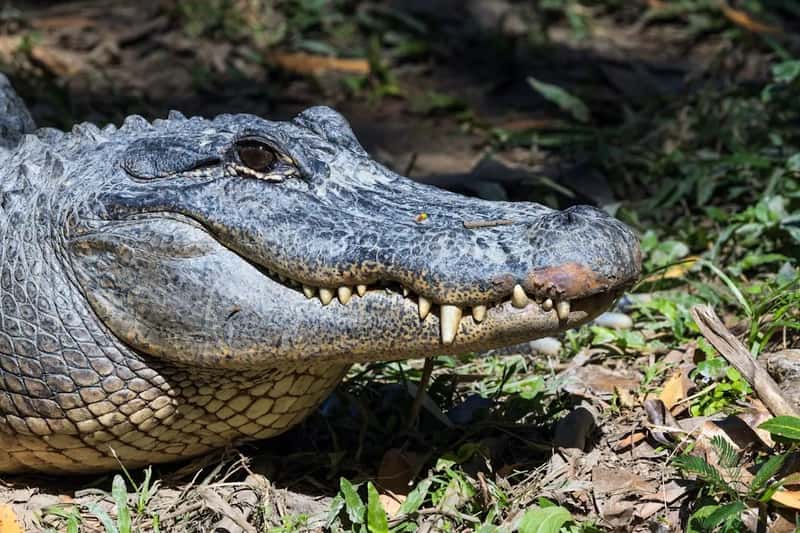
Along Mexico’s Caribbean coast, the tangled root systems of mangrove forests near Tulum provide a near-perfect climbing structure for young American crocodiles. Juvenile American crocodiles have been seen basking in mangrove trees near Tulum in Mexico. Mangroves are naturally elevated just enough above the waterline that a small crocodile can haul itself onto a root or low branch without much effort.
The same research team documented similar behavior further inland. On many occasions, biologists observed American crocodiles up to one meter long lying on aerial roots and low branches of mangrove trees during the day. Because American crocodiles favor coastal lagoons, estuaries and mangrove-lined waterways across their range, this kind of low-level tree basking may be far more common along the Yucatán coastline than most visitors realize.
Australia’s Top End Rivers
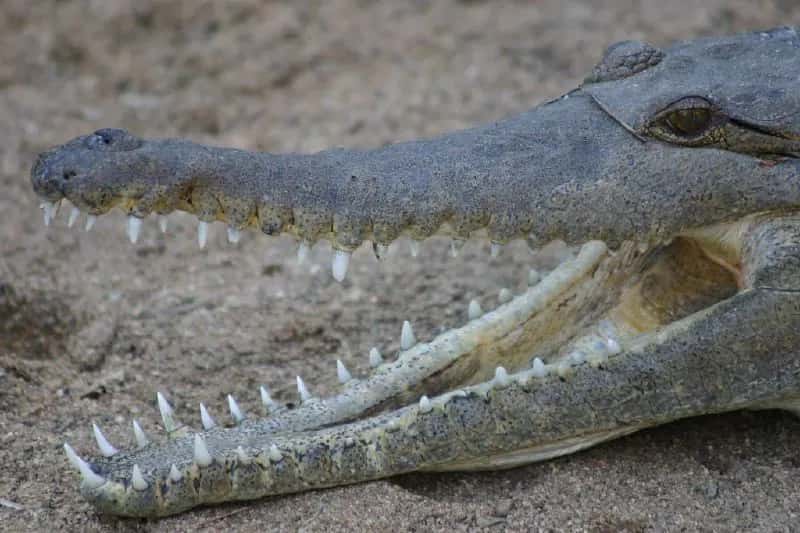
Northern Australia’s rivers and floodplains, often referred to as the Top End, are prime territory for the Australian freshwater crocodile, a smaller and comparatively less aggressive cousin of the region’s famous saltwater crocodile. Smaller Australian freshwater crocodiles are better at climbing, and the species is found in the Northern Territory and Queensland, as well as in northern and western Australia. Their lighter frame seems to be the key advantage here.
Researchers also noted the species doing something unexpected on man-made structures. The team observed Australian freshwater crocodiles climbing steep riverbanks on many occasions, and even attempting to climb chain-link fencing nearly two meters tall. That detail matters practically too, since climbing skill in young crocodiles has been blamed for occasional escapes from captive breeding facilities in the region.
Isla de Salamanca, Colombia
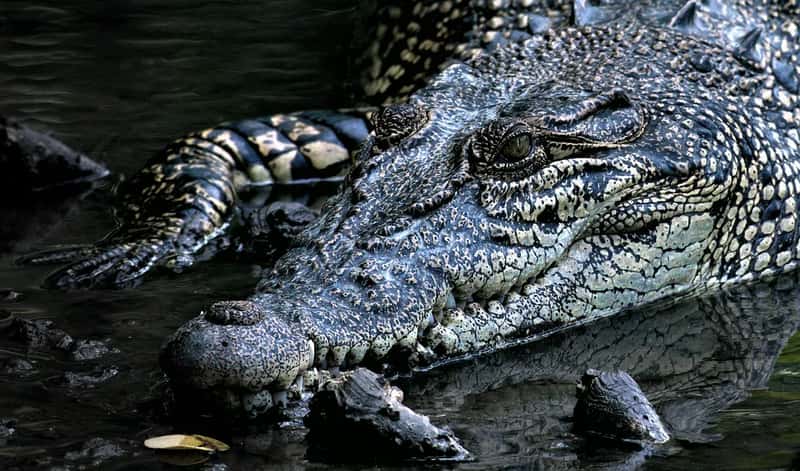
On Colombia’s Caribbean coast, Isla de Salamanca National Park protects a stretch of mangrove wetland that has produced some of the most dramatic climbing observations on record. In Isla de Salamanca National Park in Colombia, juveniles were seen in trees up to thirty feet above the ground. That height rivals the highest recorded climbs anywhere in the study, all from animals that supposedly lack any physical adaptation for climbing.
What makes this location interesting is the habitat itself. Salamanca’s mangroves form a dense, interlocking canopy just above brackish water, giving young crocodiles a network of branches to move through without ever fully leaving the safety of an aquatic environment. It’s a reminder that tree climbing in crocodiles tends to show up wherever mangrove or swamp forest architecture makes it easy.
West Papua and Northern Luzon
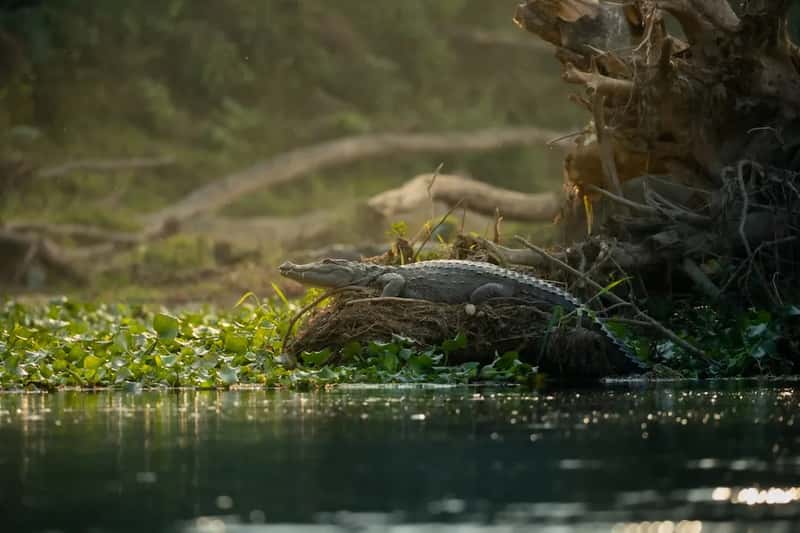
Indonesia and the Philippines round out the list of confirmed climbing hotspots, each with its own species. Juvenile estuarine crocodiles have also been spotted in trees near Sorong in West Papua, Indonesia. Estuarine, or saltwater, crocodiles are the largest living reptiles on Earth, which makes it all the more surprising that even young members of the species take to branches.
In the Philippines, tree-basking has been documented in one of the rarest crocodile species on the planet. A crocodile, Crocodylus mindorensis, basks in a tree in Luzon, the Philippines. That sighting carries extra weight given the species’ status: fewer than two hundred fifty Philippine crocodiles are believed to survive in the wild today, confined mostly to rivers and wetlands in the northeastern part of Luzon, making every documented behavior from this population scientifically significant.
What This Means for How We See Crocodiles
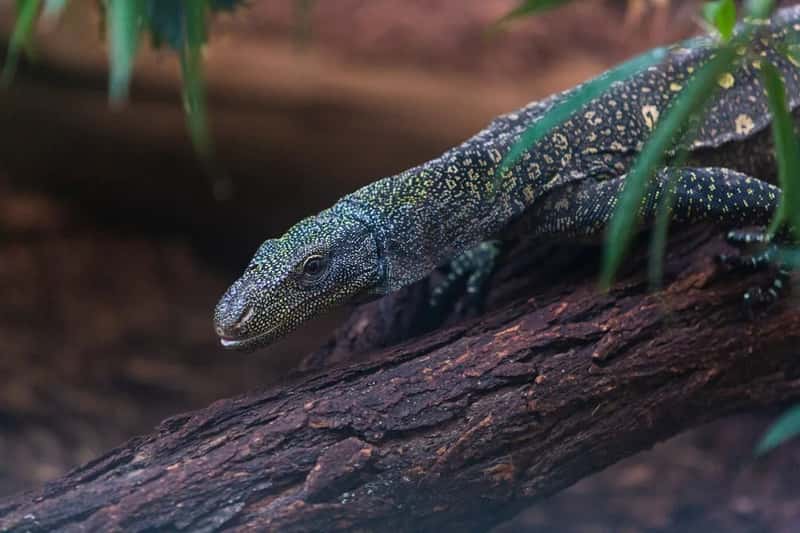
Beyond the novelty, this discovery has real implications for how scientists study extinct reptiles. Researchers argue these results should be taken into account by paleontologists who look at changes in fossils to shed light on behavior, especially those studying extinct crocodiles or other archosaurian taxa. If living crocodiles can climb without a single obvious skeletal adaptation for it, then judging an extinct species’ behavior purely from its bones may be far riskier than paleontologists once assumed.
It also reshapes how people should think about crocodile encounters in the wild. Most people entering crocodile territory keep a wary eye out on water and land, but research suggests they need to look up. It’s a small shift in awareness, but a meaningful one for anyone hiking, boating or camping near rivers and mangroves where these animals live.
Crocodiles have survived largely unchanged for tens of millions of years, long enough to watch dinosaurs come and go. Finding out they’ve been quietly climbing trees the entire time, mostly unnoticed by science, is a good reminder that even the animals we think we know best still have secrets left to reveal.