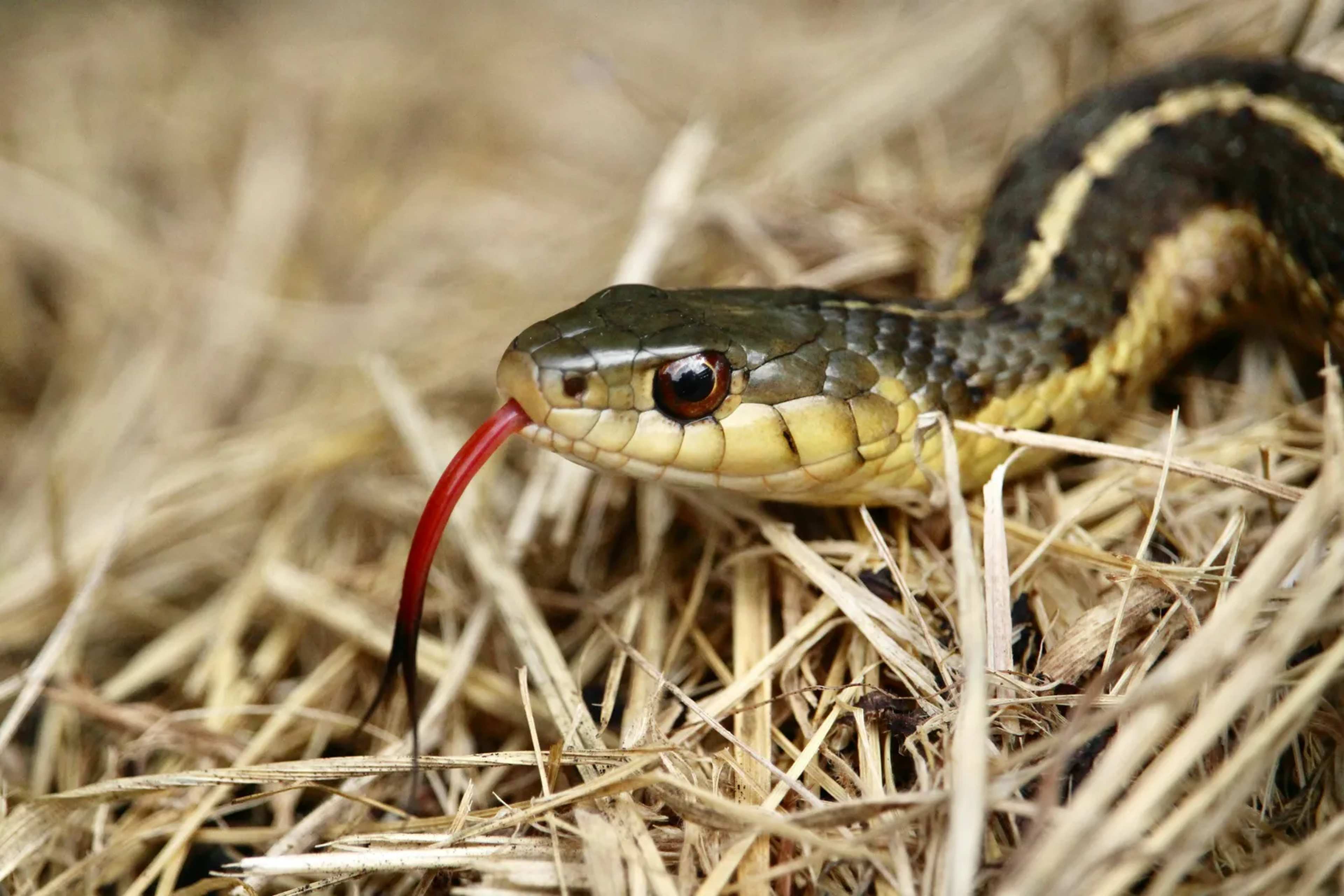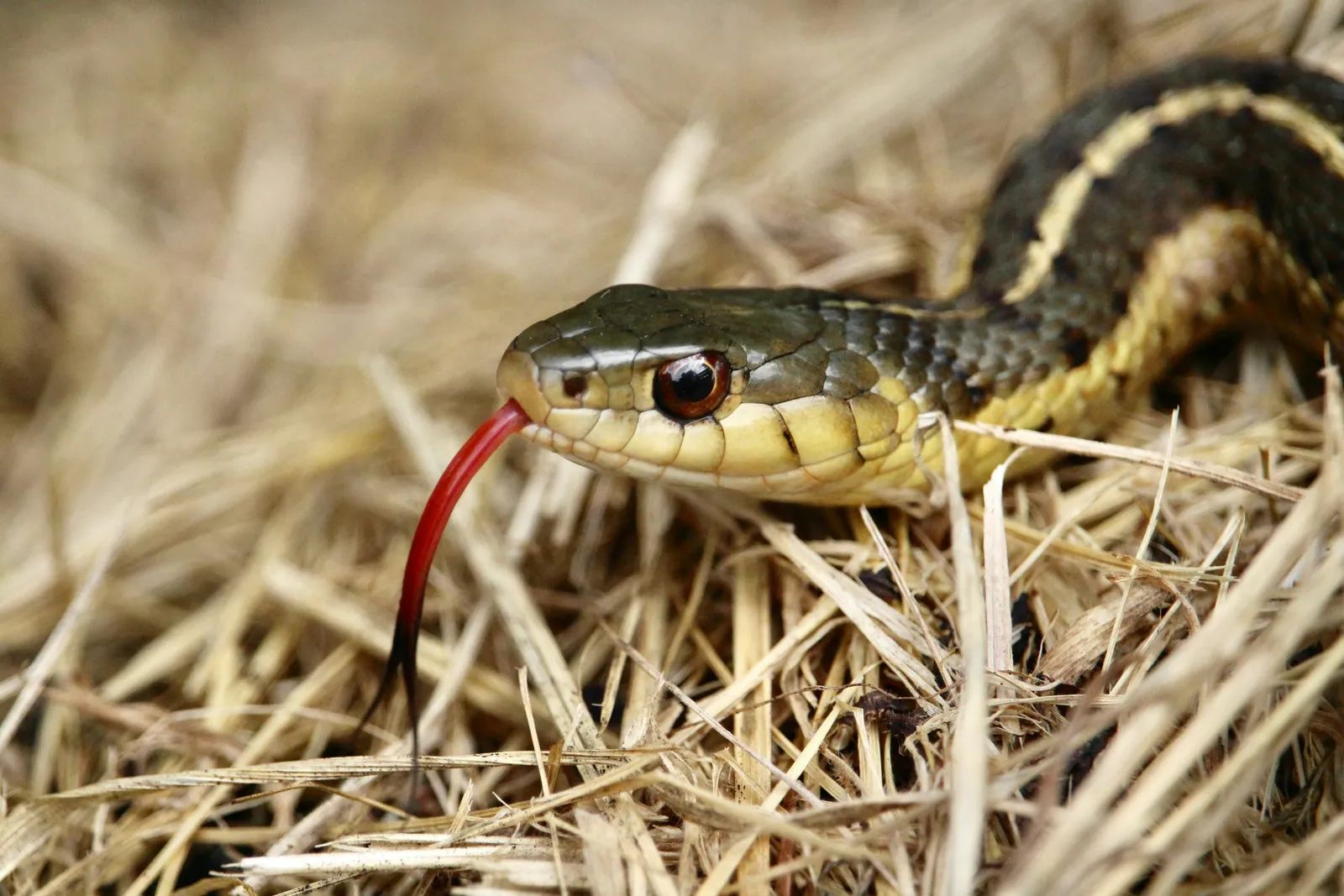
On a forest trail behind Merrimack College in North Andover, Massachusetts, a biology professor caught a garter snake by the tail while leading his ecology students. He teaches there part time as an adjunct, and he describes the encounter in a first-person analysis for Mongabay [1]. His central argument is that nothing replaces getting students out of the classroom and into the natural world. ([1])
A Snake, a Tail, and a Circle of Students
The snake was about a foot long and striped, and it was moving fast. Once the professor had it in hand, students gathered close and began taking pictures with their cell phones. He explained a few basics about garter snakes and asked whether anyone wanted to hold one.
One student said yes. Passing the animal to her, he watched her react with surprise. “I’ve never held a snake before,” she said, before handing it to another eager classmate. The group then released the snake and continued along the path.
Why Field Work Matters More Than Lab Walls
Since joining Merrimack College in 1997, the professor has taught mainly ecology labs, and most of those sessions take place outdoors. In practice, they function much like weekly field trips. Students get a chance to leave laboratories and classrooms behind and engage with the living world around them.
He argues that the benefit extends to instructors. Field courses give teachers the same chance to step out of the usual setting. He says he feels in his element when he heads into the woods with a group, whether he is crawling through brush to catch a snake or frog for the class, pointing out a hawk overhead, or showing students how to identify different species.
What the Trail Offers That a Lecture Cannot
His account points to several advantages of learning outdoors:
- Students handle real animals rather than looking at diagrams or photographs.
- Observation happens in context, such as a raptor circling above a clearing.
- Identification becomes a skill used in the field instead of a memorized list.
- Hands-on moments can prompt questions that a slide deck rarely sparks.
None of these points rely on a large study or a new finding. They reflect one instructor’s experience over decades of teaching, and his conclusion rests on what he has seen repeatedly on the trail.
A Lesson Left in the Grass
The garter snake slipped back into the grass within minutes, and the class moved on. For the professor, the moment captured why he keeps his courses rooted outside. Students who touch, observe, and identify wildlife in its own setting may come away with something a textbook alone cannot provide. The trail, in his view, is not a break from learning. It is where much of the learning happens.