Most people treat a Senior Pass like a laminated ticket that gets them past the gate. The rules behind that little card are bigger, stranger, and more useful than many visitors ever hear.
Some of these perks save real money, and a few quietly head off ugly surprises at the window. Keep reading, because the one saved for last changes how the whole pass looks.
1. Your Pass Quietly Covers Everyone Riding in the Car
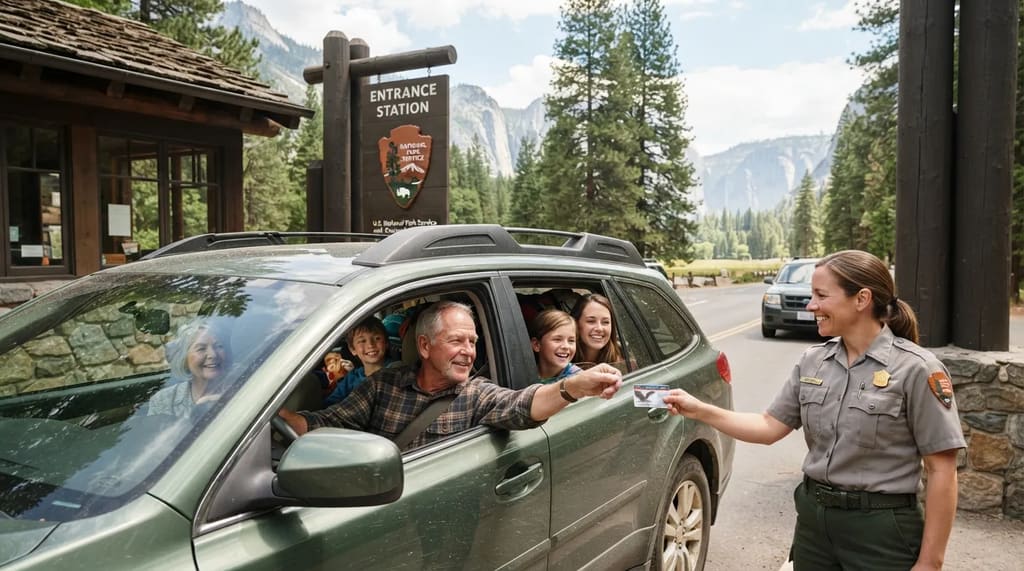
Here is the one that surprises families first. At parks that charge by the vehicle, the Senior Pass covers the pass holder and everyone riding in a private, non-commercial vehicle.
That means the grandkids in the back seat, the neighbor up front, and the cousin squeezed in the middle all get in under one card. None of them has to be 62, or anywhere close.
At big-name parks, a single-vehicle fee of about $35 is common. Stretch that across a week-long road trip with several stops, and the savings stack up fast.
So when the ranger asks how many are with you, answer honestly and enjoy the moment. The card in your wallet just paid for the whole carload.
2. Walk-In and Bike Gates Count Heads, and the Rule Changes
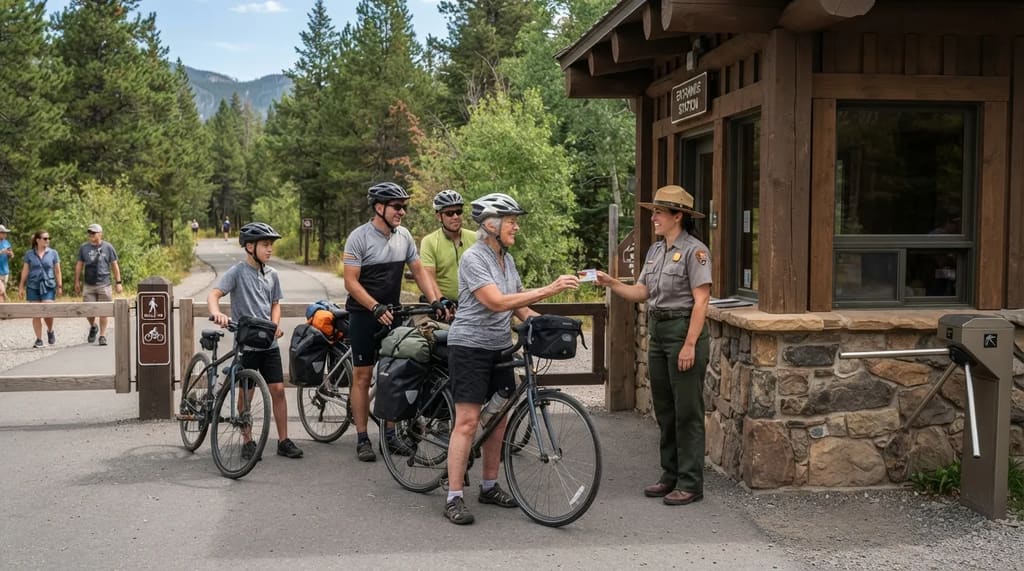
Not every entrance counts cars. Some parks charge per person, which catches cyclists, motorcyclists, and walk-in visitors off guard.
At those gates, the Senior Pass covers the pass holder plus up to three additional adults.1 Children under 16 are generally free anyway, so a surprisingly large group can slip through on one card.
This matters on a motorcycle or at a trail entrance, where there is no back seat to count. People often assume the pass only works for cars and pay out of habit.
If you are not sure how a park counts visitors, ask at the window. It takes ten seconds and can erase a handful of tickets.
3. The Card Works Far Beyond National Parks
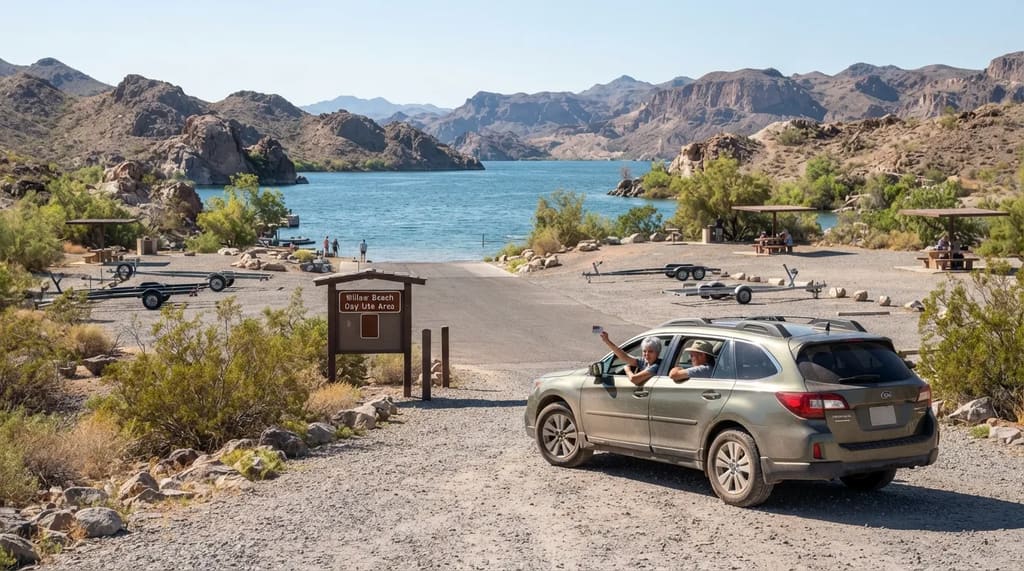
Here is the twist that sends some seniors on a very different kind of trip. The Senior Pass is not just a national park card, because it covers entrance and standard amenity fees at federal recreation sites across several agencies.
That includes lands run by the Forest Service, the Bureau of Land Management, the Bureau of Reclamation, the U.S. Fish and Wildlife Service, and the Army Corps of Engineers.2 Together, the program covers more than 2,000 sites.1 2
Think lakeside day-use areas, wildlife refuges, and forest picnic grounds you might drive past without a second look. Plenty of them charge a small fee that your pass can wipe out.
Some of the best quiet corners in the country are on that list. The pass is a ticket to places most tourists never think to visit.
4. The Break-Even Math Is Shorter Than You Think
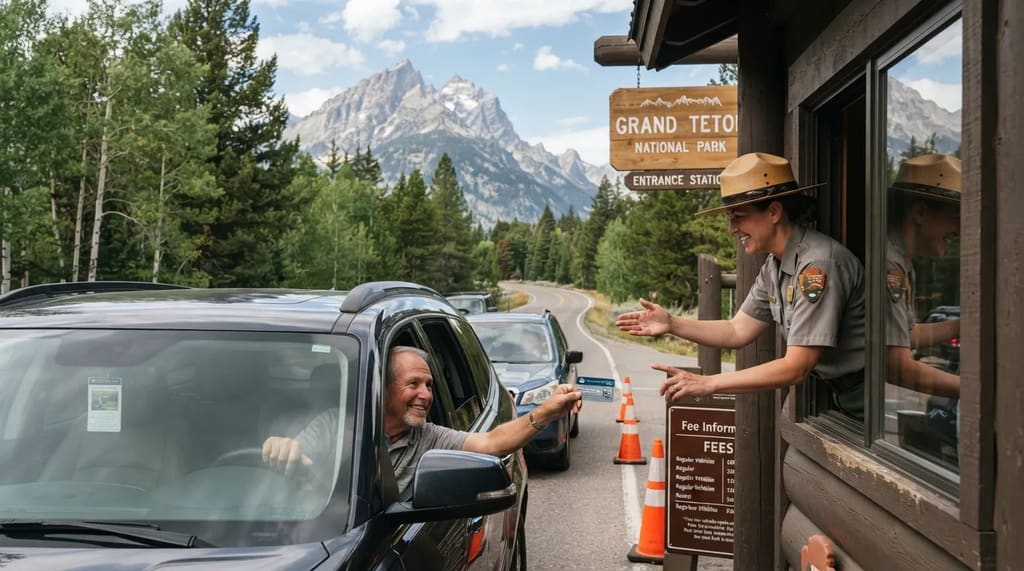
The lifetime Senior Pass costs $80.3 That sounds like a lot until you look at what one gate can charge.
At a popular park with a vehicle fee around $35, the pass pays for itself by the third visit. After that, every future gate is a free ride.
Fast Facts
- Lifetime Senior Pass: $80, paid once
- Annual Senior Pass: $20 per year
- Four years of the annual pass add up to the lifetime price4
- Who qualifies: U.S. citizens and permanent residents age 62 and older
Only about 100 of the National Park Service’s 400-plus sites charge an entrance fee at all. But those happen to include many of the most famous ones, so the math works out quickly for people who travel.
Add the other federal agencies, and the break-even point can arrive even sooner. Two summer trips can do it.
5. The $20 Annual Pass Can Turn Into a Lifetime One
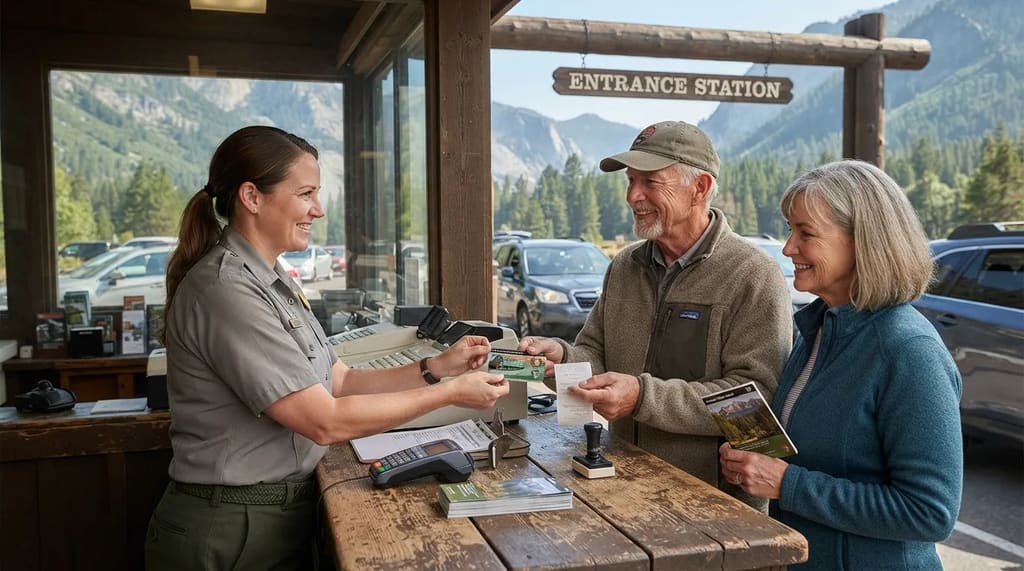
Not sure you want to spend $80 on a maybe? There is a cheaper way to test the waters.
An annual Senior Pass costs $20. If you later decide you want the lifetime version, the $20 you already spent can be credited toward it, so you pay the $60 difference.5
That makes the annual pass a low-risk trial for a snowbird or a first-time park traveler. You find out whether your habits justify the bigger purchase before you commit.
Ask the staff about upgrade details when you buy. They handle the paperwork at the sales point.
6. Buying at the Gate Can Dodge a Processing Fee
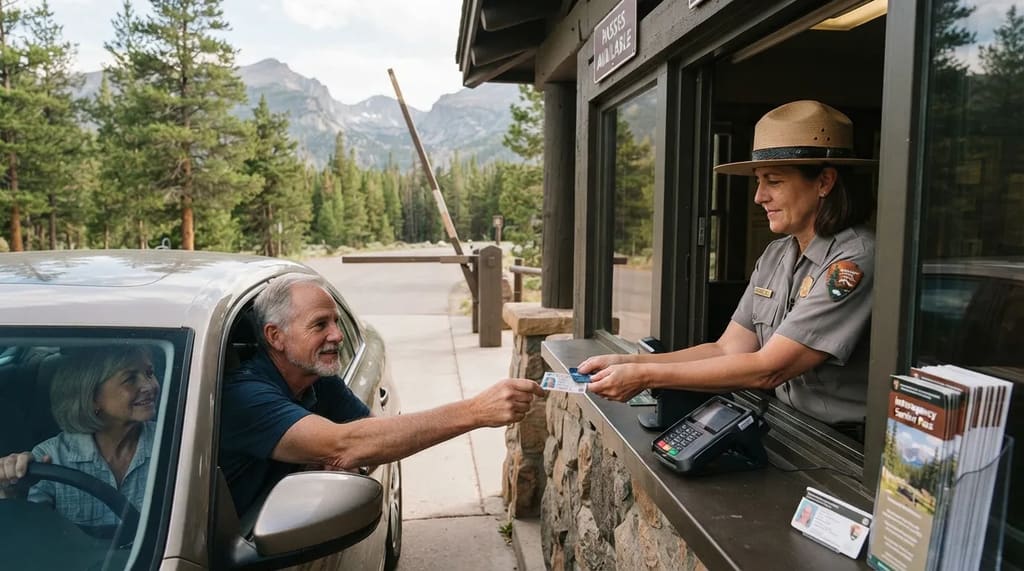
Many people order the lifetime pass online or by mail and never realize there is a cheaper route. Online and mail orders typically carry an extra $10 processing fee.
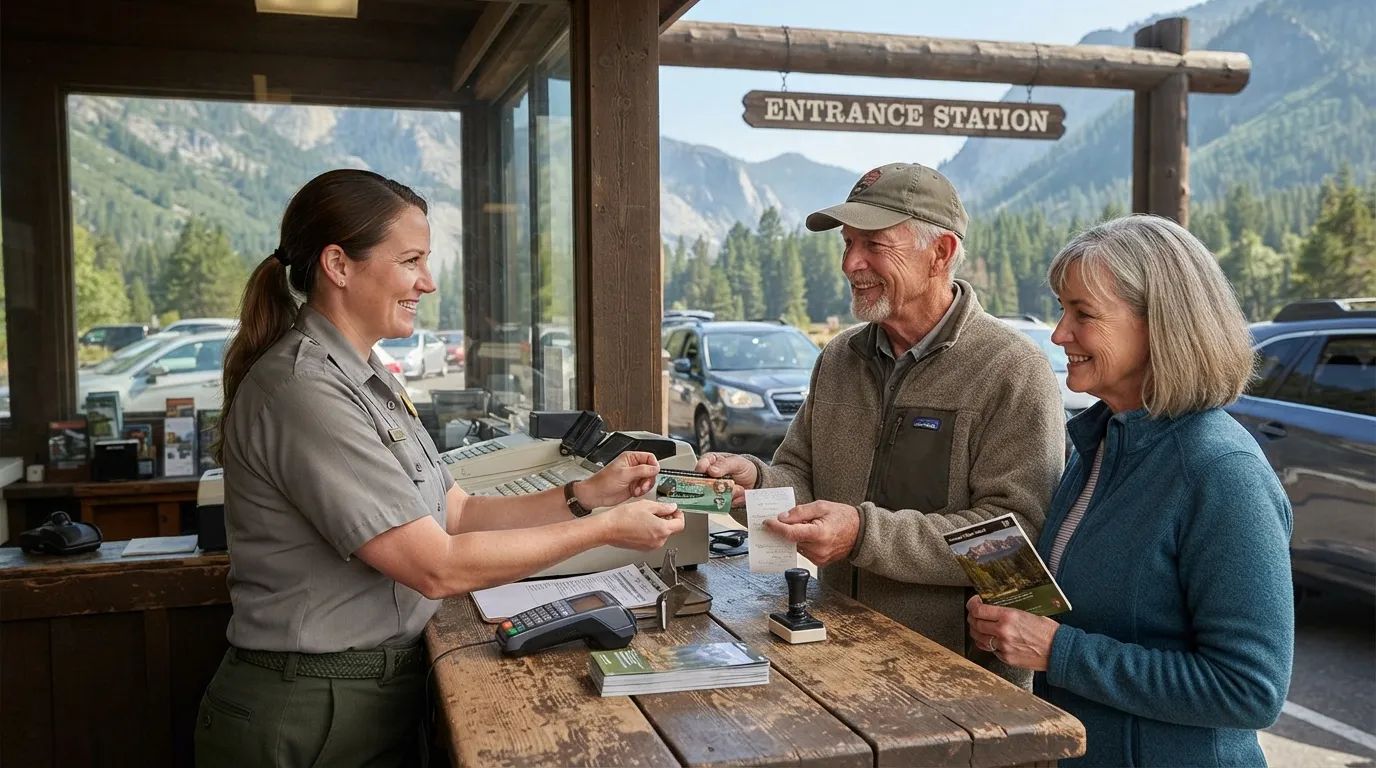
Buying in person at a federal site that sells passes usually avoids that charge. Many fee-charging parks sell the Senior Pass right at the entrance station.
At a Glance
- In person: you pay face value, $80 or $20
- Online or by mail: usually about $10 extra
- Bring proof of age and proof of citizenship or residency
- Call ahead, since not every site sells passes
A driver’s license is usually the key piece, so keep it handy. A quick call to the park can save you a wasted trip of several hours.
7. Federal Campgrounds Can Take Half Off the Bill
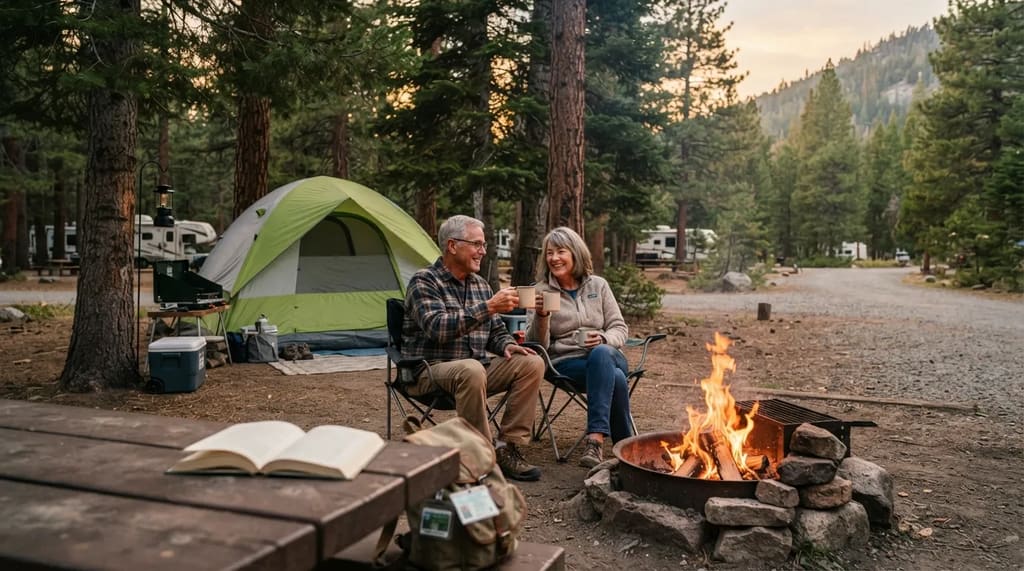
Now the perk that gets seniors smiling at the campfire. Many federal campgrounds that charge standard amenity fees give Senior Pass holders a 50 percent discount on camping.
On a week-long stay, that adds up to real money. Even a modest nightly rate shrinks quickly when you cut it in half.
The discount belongs to the pass holder, so you generally need to be the one named on the reservation and present at check-in. Some booking systems let you enter your pass number when you reserve.
One catch: campgrounds run by private concessioners may not honor it. When in doubt, ask before you book.
8. Some Cave Tours and Special Programs Cost Half
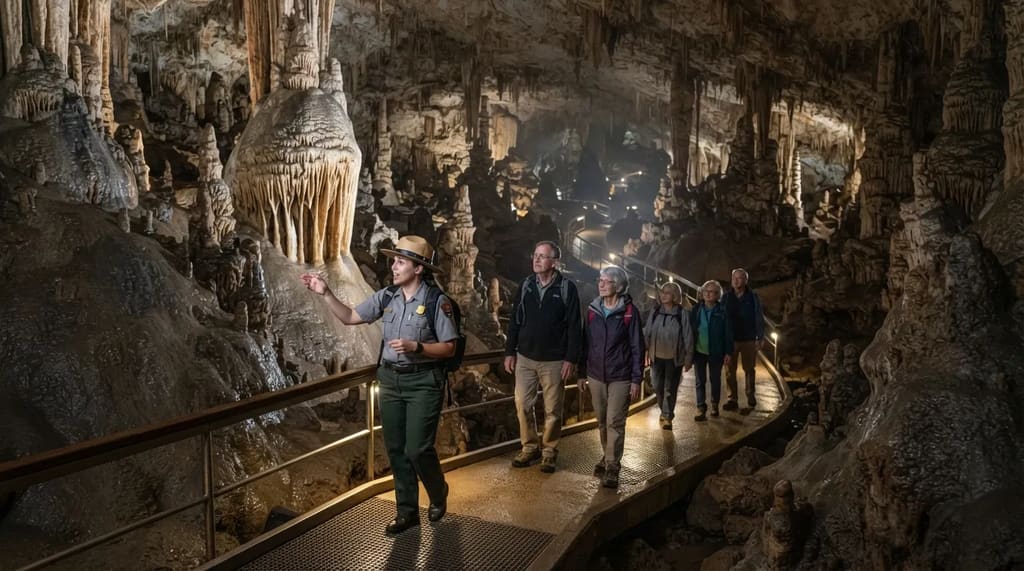
This one hides in the fine print of guided experiences. The pass can also earn a 50 percent discount on certain specialized interpretive services, which include some guided cave tours.
Walking into a cavern with a ranger is one of those trips that people remember for decades. Saving money on it feels like finding a twenty in an old coat.
The discount is not universal, and it depends on who runs the tour and how it is priced. Think of it as an “ask first” perk rather than a guarantee.
Check at the visitor center before you buy tickets. Asking afterward is too late.
9. That Old Golden Age Passport in the Drawer Still Works
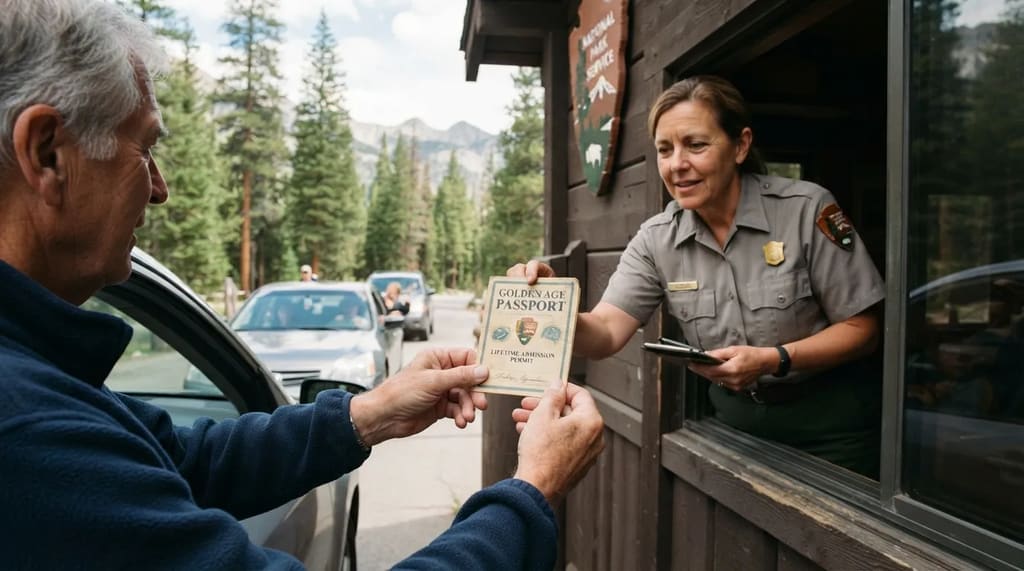
Some visitors have a faded card from decades ago and assume it is worthless. Federal land managers still honor the old Golden Age Passport, which was the lifetime pass for seniors before the current Senior Pass replaced it in 2007.3
If you or a relative bought one back when the price was tiny, the benefits still apply for the holder’s lifetime. Those cards come with the same kinds of discounts as the modern version.
Many people stash them away after one trip and forget about them. A rummage through the glove box or a filing cabinet could be worth a lot of money.
Bring it to the gate and show it. Some of those cards have been waiting patiently for years.
10. Timed-Entry Fees Can Still Sneak Up on You
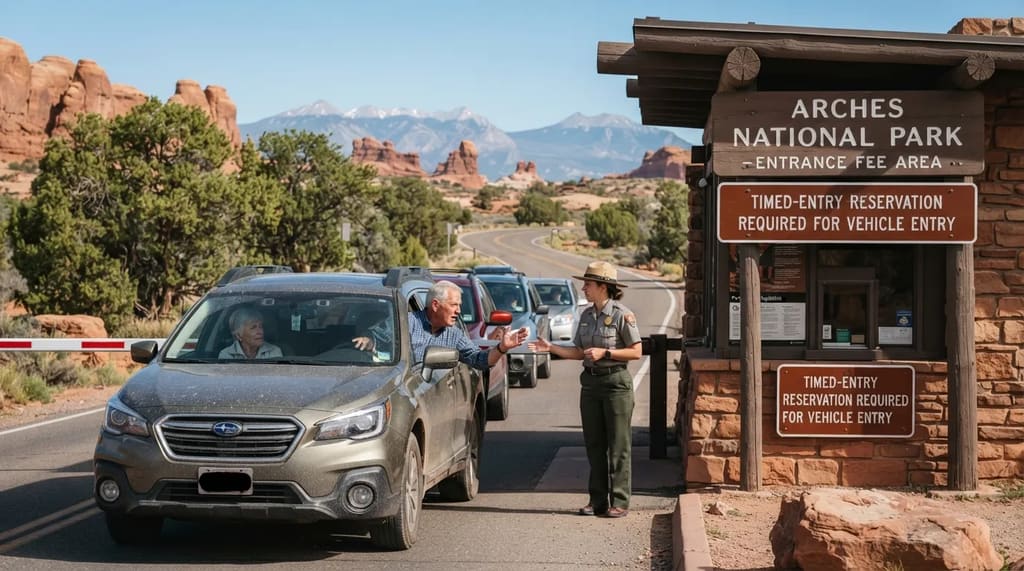
Here is where a good pass meets a frustrating surprise. At parks that use timed-entry or advance reservation systems, the pass generally covers the entrance fee but not the separate booking fee.
That fee is often just a couple of dollars. But you only learn about it after clicking through a reservation screen at midnight.
Reservation rules and fees change by park and by season. Many popular parks have used timed entry during their busiest months.
Before you leave home, check the park’s official page for current requirements. Showing up without a reservation can mean a turned-around car.
11. The Pass Does Not Cover Every Fee, and Great Smoky Is Proof
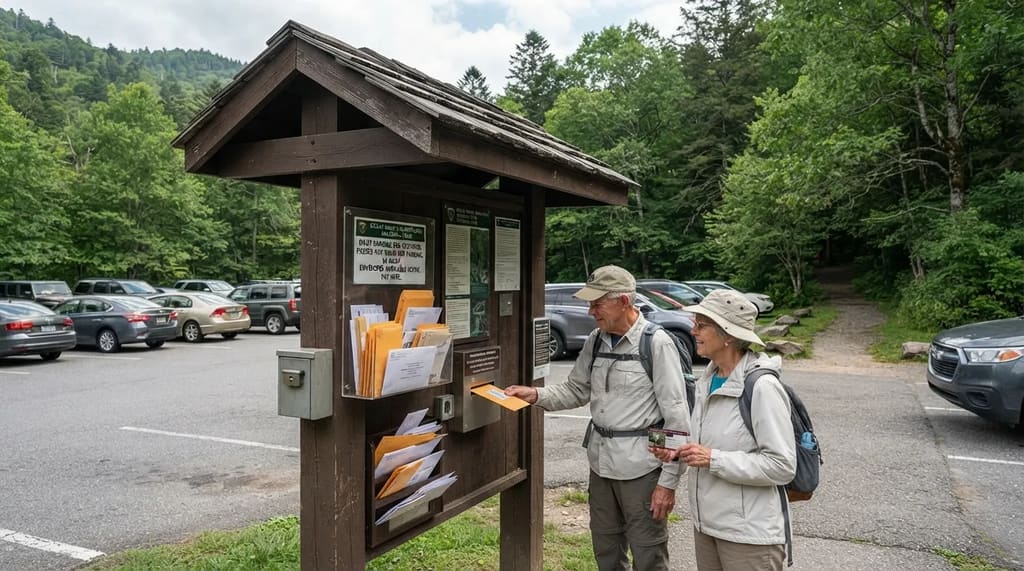
A Senior Pass is powerful, but it is not magic. Fees that are not entrance or standard amenity fees can fall outside it.
Great Smoky Mountains National Park has no entrance fee, but it charges a parking tag that America the Beautiful passes do not cover.6 Many visitors expect the card to wave that away and are caught off guard.
Worth Knowing
- Great Smoky’s parking tag is separate from the pass
- Lodges, restaurants, and some tours set their own prices
- Private concession campgrounds may skip the half-off deal
- State parks run their own senior discount programs
Concession-run services are priced by the operator, not the federal gate. Knowing the limits ahead of time takes the sting out of the surprise.
A small budget cushion goes a long way.
12. Tour Vans and Commercial Groups Don’t Get the Free Ride
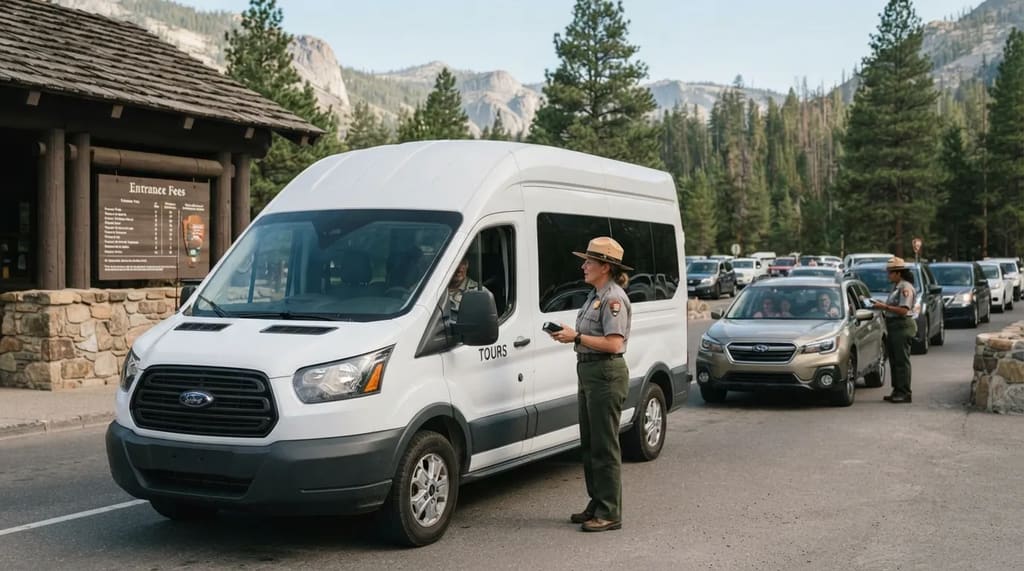
The car-covering perk has a boundary. It applies to private, non-commercial vehicles, not to commercial tour operations.
If you ride in a paid tour van or a bus, the operator typically pays commercial entrance fees on its own. Your personal pass will not automatically erase what the company owes.1
That surprises people who book a tour and then wonder why their pass did not change the price. The rules treat a family sedan very differently from a tour company’s van.
Ask the tour operator how fees are handled before you book. Then you know whether to count on the card.
13. The Pass Is Personal, and Rangers May Ask for ID
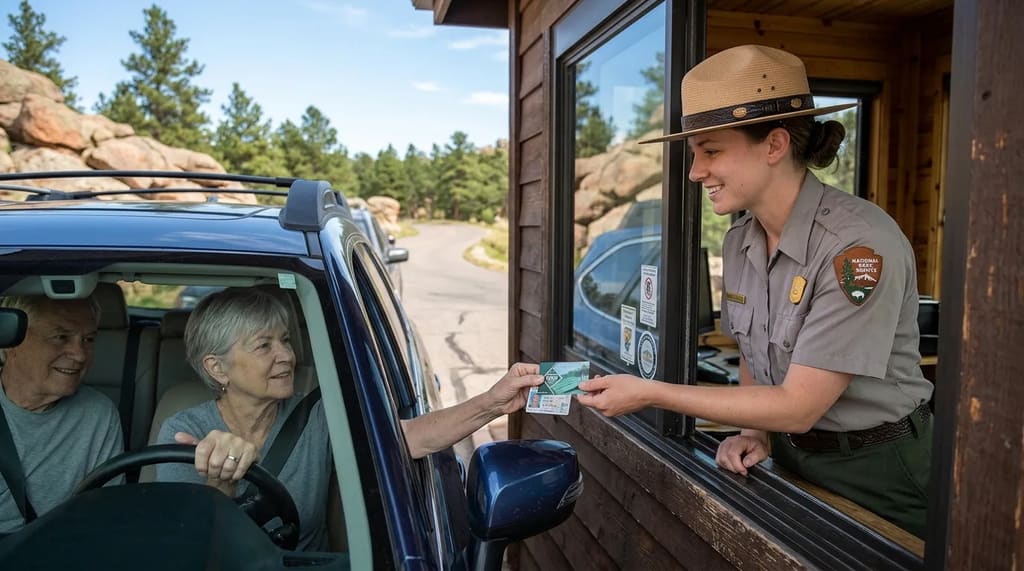
Handing your pass to a friend sounds generous, but it is against the rules. The Senior Pass is non-transferable, and the holder is supposed to sign it.4
Rangers can ask to see a photo ID that matches the name on the card. That small check keeps the program fair for the people it was designed to serve.
The pass holder also needs to be present for the discounts to apply. Sending the pass along with a family member on a solo trip will not work.
So sign it, keep it with you, and carry your ID. It is a tiny habit that keeps the gate moving.
Related Stories From Travelbinger
14. Fee-Free Days Don’t Make the Pass Pointless
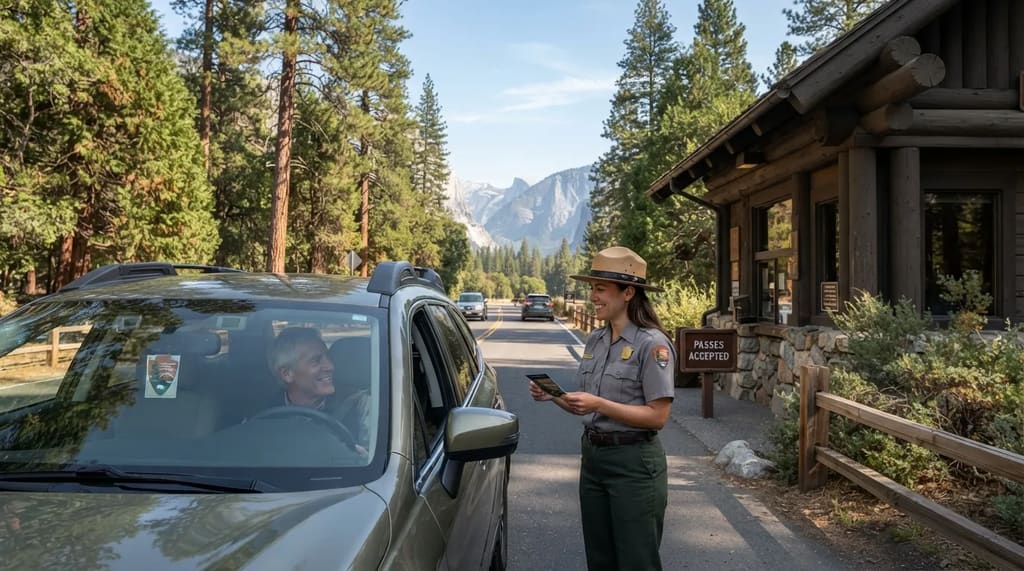
Every year, the National Park Service waives entrance fees on a handful of designated days. The dates can change, so it is worth checking the official schedule.
You might think that makes a pass unnecessary on those days. But fee-free days generally cover entrance fees only, and amenity charges like camping can still apply.
Those days also tend to be crowded, because everyone loves a free ticket. A Senior Pass lets you skip the stampede and visit on a quiet Tuesday instead.
For many seniors, the real luxury is choosing the day. The pass buys you that freedom all year long.
15. A Free Pass May Be Waiting If You Qualify Another Way
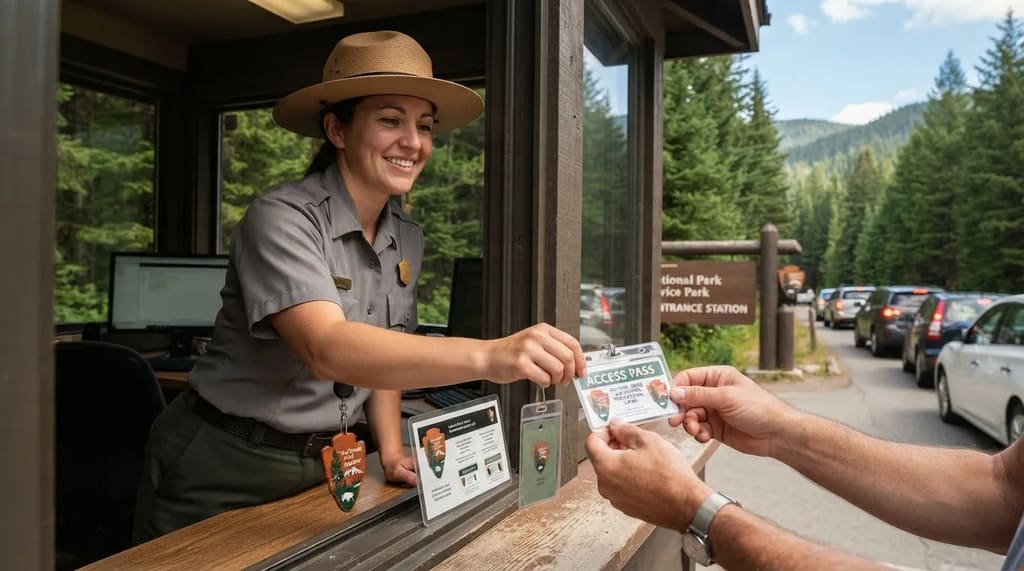
This is the tip that rangers can steer you toward when a visitor’s situation fits. The Access Pass is a free, lifetime pass for U.S. citizens and permanent residents with a permanent disability.7
It offers many of the same benefits as the Senior Pass at no cost. Anyone who qualifies for both might as well pick the one that costs nothing.
Quick Compare
- Senior Pass: age 62 and up, $80 lifetime or $20 annual
- Access Pass: permanent disability, free for life
- Military pass: free for eligible service members, veterans, and Gold Star families
There is also a free annual pass for current U.S. military members and dependents, plus veterans and Gold Star families.3 7 Plenty of eligible people never claim it.
Do not assume the Senior Pass is your only route. A short question at the window could save you $80.
16. The Lifetime Pass Locks In Today’s Deal for Good
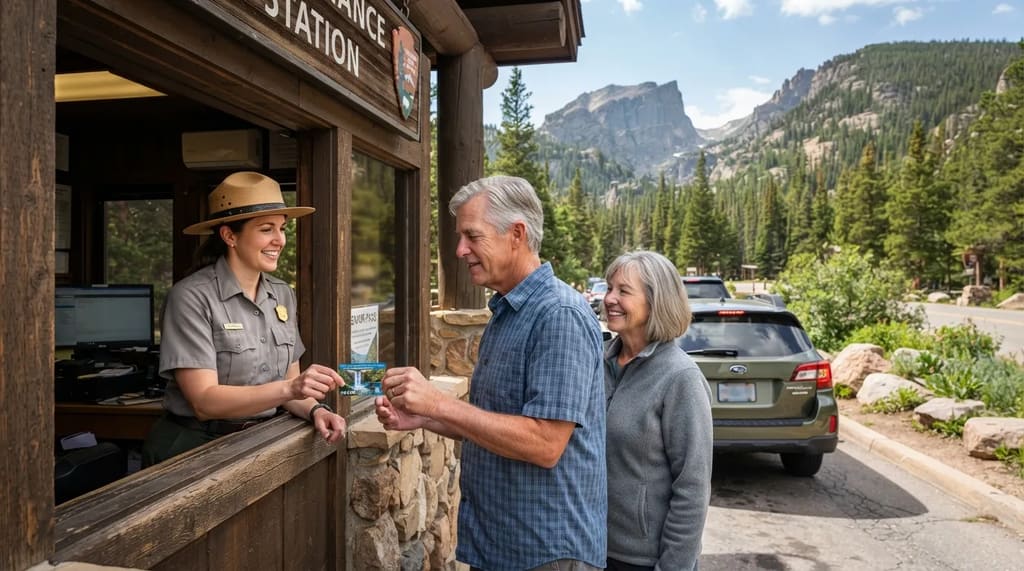
Here is the payoff that changes how the whole card looks. The lifetime Senior Pass does not expire, which means you pay once and your benefits last for as long as you travel.
For years, the lifetime pass cost just $10. In 2017, the price jumped to $80 under the National Park Service Centennial Act, and buyers rushed to get in before the change.4
Those who bought early kept their cards, and the discounts never lapsed. Anyone who buys today gets the same permanent benefit, even if fees climb in the future.
Treat it like cash, because replacement rules can be strict. If yours is damaged or lost, ask a federal site how to handle it.
That is the real secret behind the card. It is not a discount for one trip, but a locked-in key for every road trip you have left.
The next time you pull up to an entrance station, remember that the card in your hand does more than open a gate. A few simple questions at the window can unlock savings, shortcuts, and even free passes.
Ask, read the fine print, and keep the card close. It may be the best $80 you ever spend on the open road.
- America the Beautiful Pass Brochure: https://www.fs.usda.gov/sites/nfs/files/legacy-media/r05/America%20the%20Beautiful%20Brochure-English.pdf
- National Park Foundation Pass Overview: https://www.nationalparks.org/america-beautiful-national-parks-federal-recreational-lands-passes
- NPS Entrance Passes: https://www.nps.gov/planyourvisit/passes.htm
- Senior Pass Rate Increase: https://www.nationalparks.org/connect/blog/understanding-national-park-senior-pass-rate-increase
- Senior Pass Upgrade Guide: https://fedlaws.org/america-the-beautiful-senior-pass-eligibility-cost-and-how-to-buy/
- Great Smoky Mountains Fees: https://www.nps.gov/grsm/planyourvisit/fees.htm
- NPS Military and Access Passes: https://www.nps.gov/planyourvisit/veterans-and-gold-star-families-free-access.htm