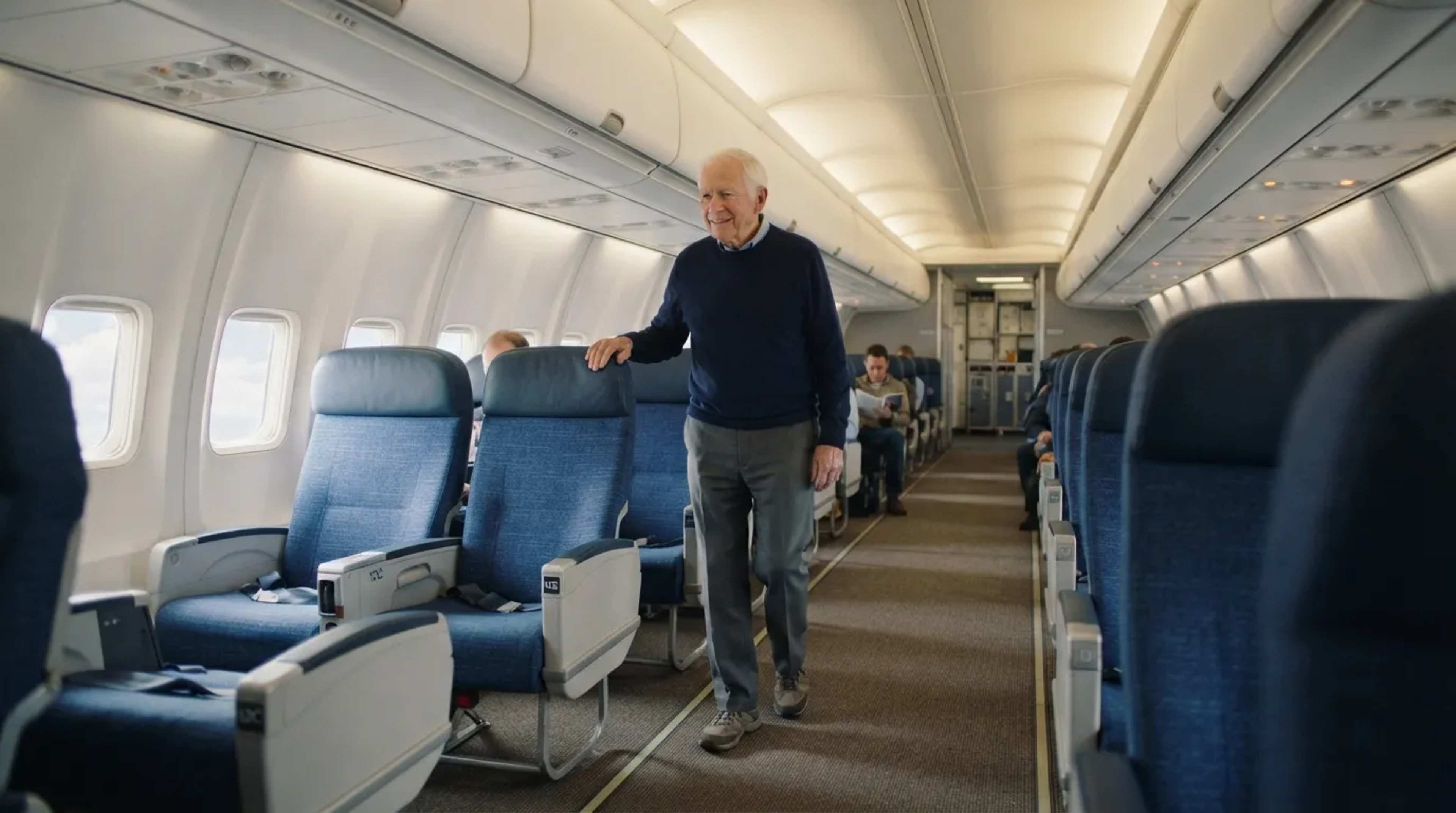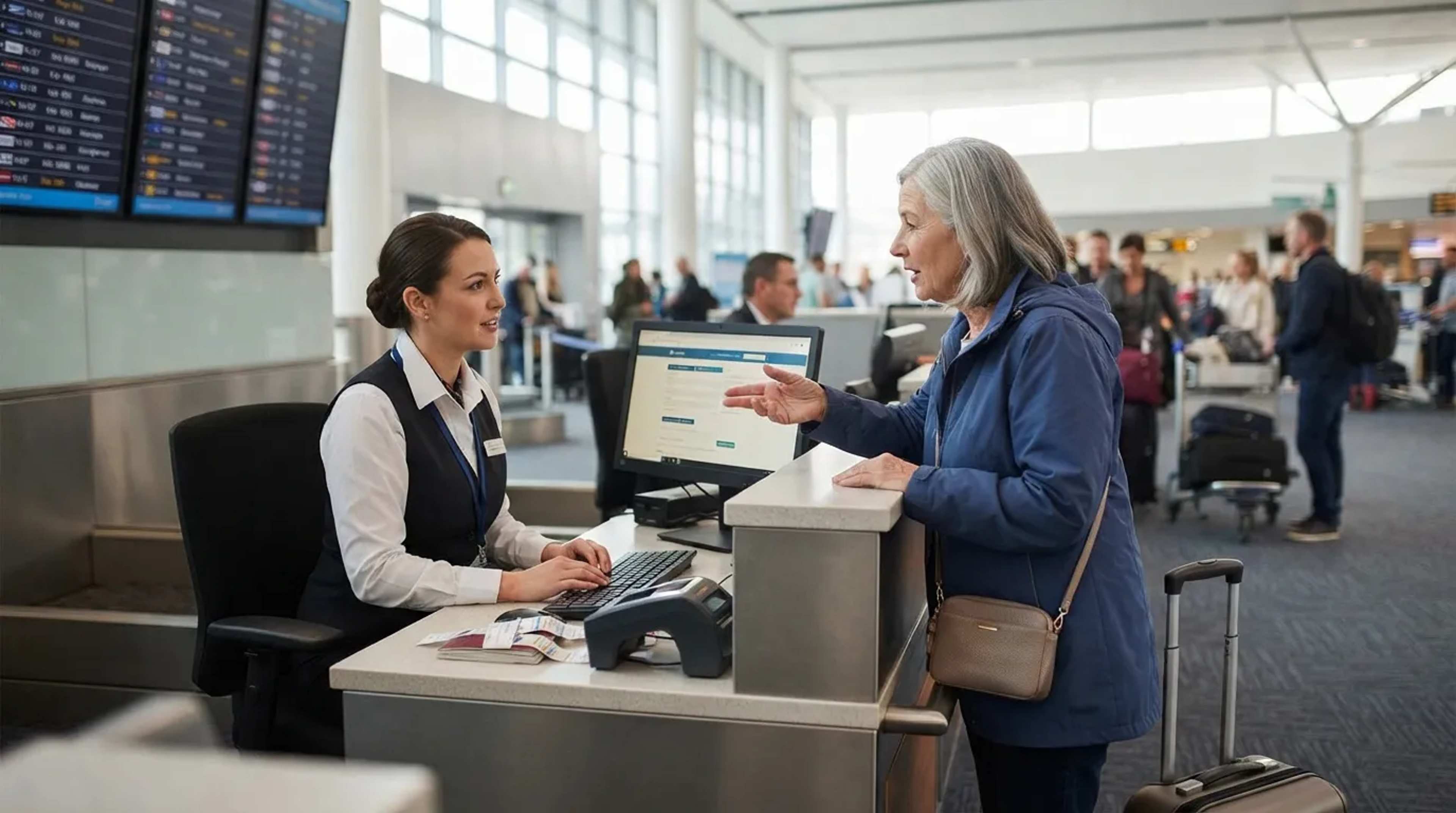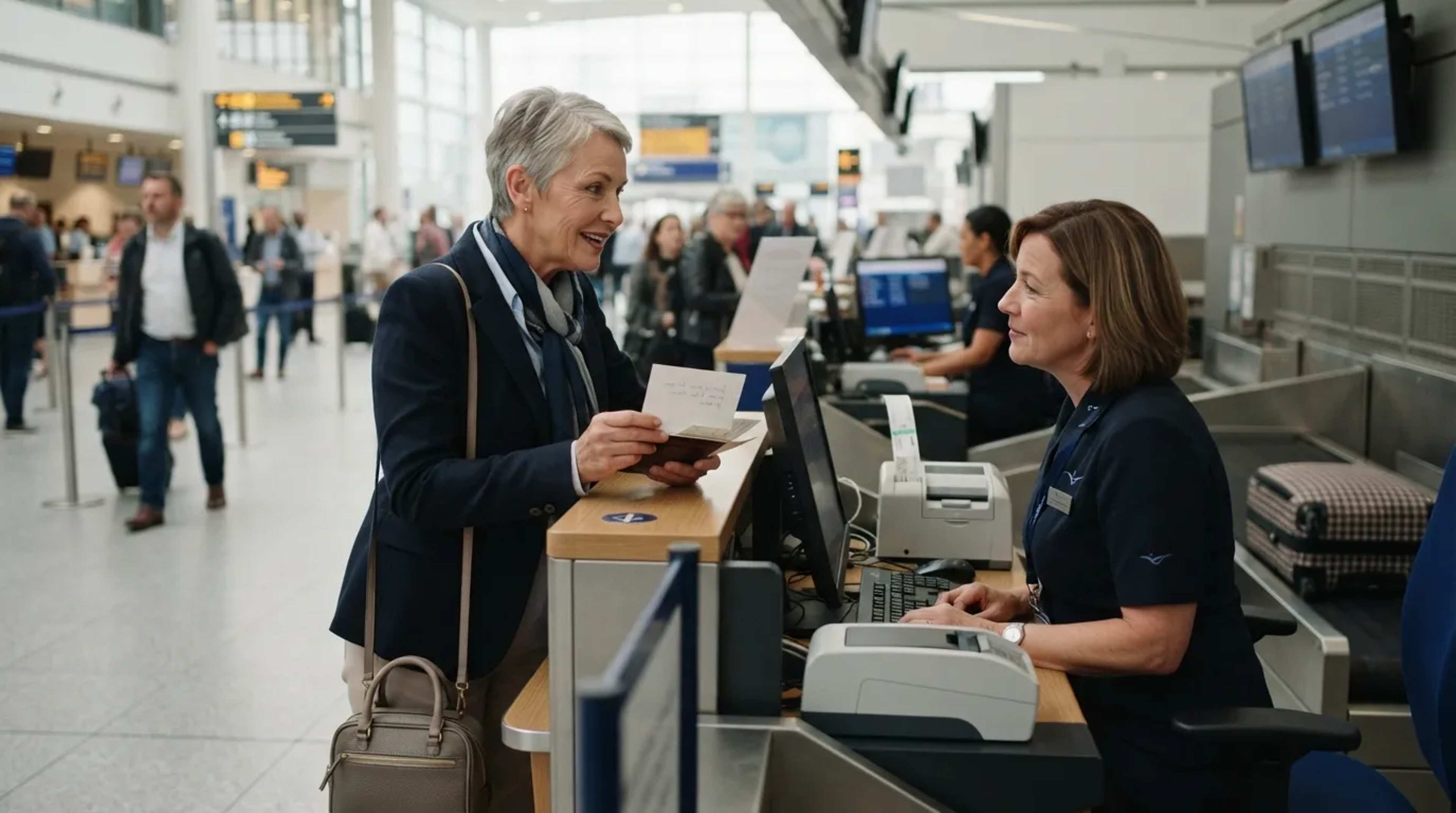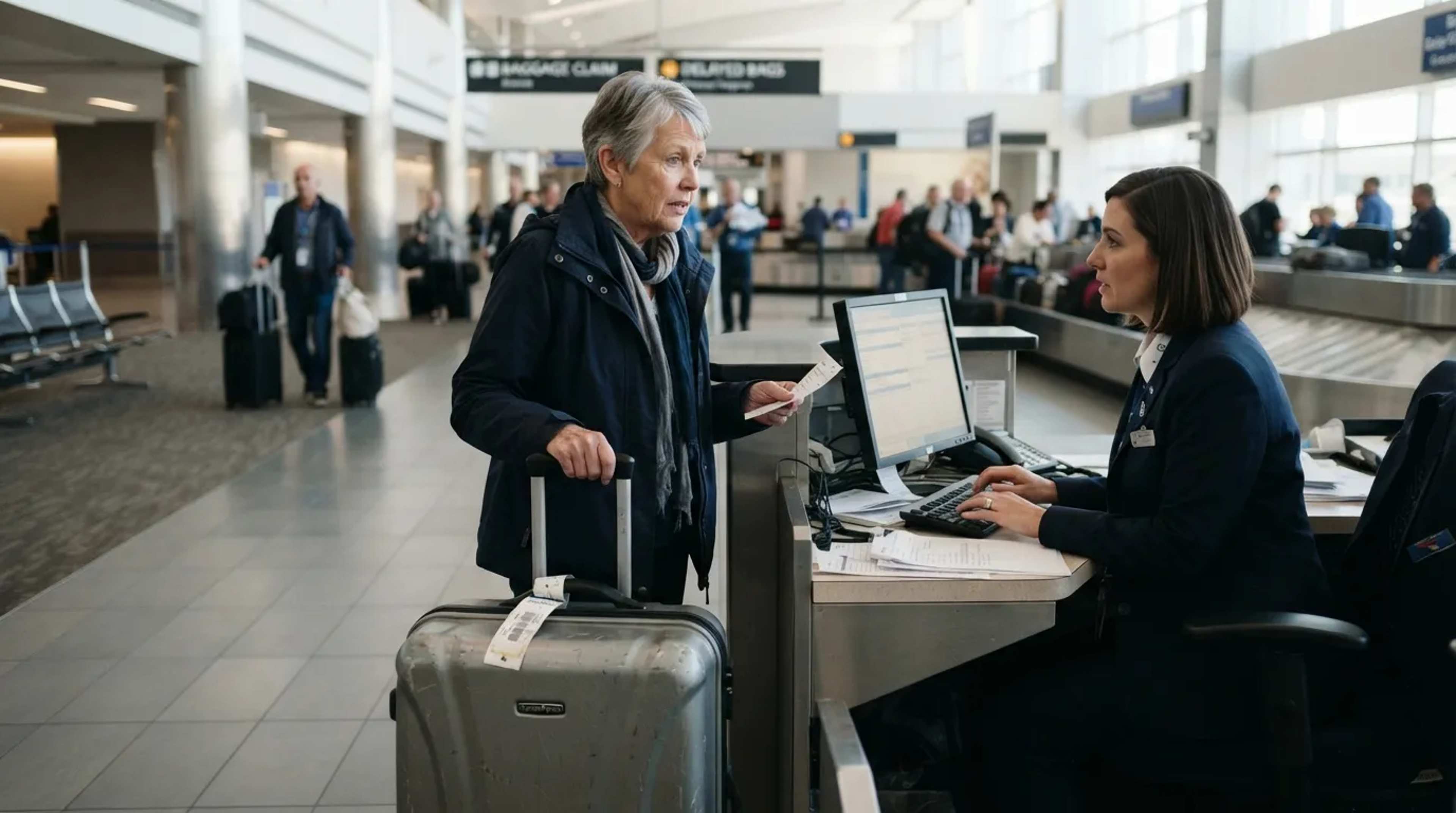
Airlines have turned nearly every extra into a separate charge, and travelers feel it at the check-in counter and in the cabin. Some credit cards offer to reimburse part of those costs. ([1])The Points Guy has compared the cards that offer these credits, and the rules vary enough that the value depends largely on how each card is used.
Fees that follow every trip
The Bureau of Transportation Statistics show U.S. airlines brought in more than $7.4 billion in passenger baggage fees in 2025, a 162 percent increase over five years. ([2])Other outlets cite a lower figure of roughly $5.5 billion for the same year, so the exact total depends on how the data is counted.
The cost of a bag has also moved higher in 2026. Carriers have raised the cost of a first checked bag by up to $10 each way. ([3])That pressure explains why a card that covers even part of those charges has drawn more attention this year.
Four cards, four different rules
The most generous credits come from premium cards, but each one sets its own conditions. The Platinum Card from American Express offers up to $200 in statement credits each calendar year, with one airline selected in advance from a list that includes Alaska, American, Delta, JetBlue, Southwest and United. Enrollment is required, and the card carries an $895 annual fee. Qualifying charges include checked or overweight bags, change fees, seat selection, lounge passes and inflight food or drink. Airfare, seat upgrades and award tickets do not count.
Other cards take a different approach:
- Citi Strata Elite: Up to $200 a year, but only when American Airlines is chosen as a Splurge Credit merchant before the purchase. This credit also covers airfare.
- Bank of America Premium Rewards Elite: Up to $300 a year in airline incidental credits. The benefit works only with U.S. airlines on flights originating in the U.S., and it excludes Allegiant Air and Sun Country Airlines.
- The Ritz-Carlton credit card: Up to $300 per calendar year, but the cardholder must request each credit manually within four billing cycles of an eligible purchase. The card is no longer open to new applicants.
The Hilton Honors American Express Aspire offers up to $200 a year in flight credits, paid in $50 quarterly installments. That schedule means a cardholder needs an airline purchase in every quarter to collect the full amount.
Where the credit slips away
Most lost credits trace back to the small details. Forgetting to enroll or select an airline is a common error, and some issuers limit how often a traveler can switch carriers. A seat or bag fee paid in the same transaction as the ticket may not trigger the credit on certain cards. Booking through the wrong channel can also disqualify a purchase, and missed deadlines are costly because some credits reset on a schedule without carrying over.
Before the next trip, confirm three things: the card’s enrollment status, the approved airline and the booking channel. Then pay the fee separately from the ticket when the card’s terms require it.
Related Stories From Travelbinger


A broader option for less paperwork
Travelers who want fewer rules may prefer a general travel credit. The Chase Sapphire Reserve carries a $300 travel credit that can be used to offset any travel purchases made on the card, including baggage fees. ([4])That flexibility comes with a higher price, since The Points Guy lists the card’s annual fee at $795.
For frequent flyers who check bags on one carrier, a dedicated airline credit can deliver more value. For occasional travelers, a broader credit may be simpler to use. Either way, the card that saves the most money is usually the one whose rules fit the trips already on the calendar.