A smooth cruise can end in frustration if passengers overlook the unique demands of disembarkation day. Unlike checking out of a hotel, leaving a large ship involves coordinated timing, customs procedures, and crew schedules that move thousands of people in a short window. Preparation the night before helps avoid the most common pitfalls that turn an otherwise pleasant trip into a stressful scramble.
Review Charges Before the Rush
Cruise lines deliver a final bill the night before arrival, listing all onboard purchases from drinks to spa services. Errors happen, and waiting until the last morning often means long lines at guest services. Checking the statement the evening prior allows time to request corrections without pressure. Many lines also let passengers view details through an app or cabin television. Daily gratuities appear automatically on most statements, but extra cash tips remain an option for standout service. Resolving issues onboard proves far easier than contacting land-based staff after departure.
Time Your Departure and Flights
Ships may dock early, yet customs and passenger processing can stretch for hours. Booking an early flight risks missing connections amid crowds and traffic. Cruise lines typically advise against departures before noon for this reason. Passengers who linger in bed a bit longer often find the process calmer once groups begin moving. Those with afternoon flights gain buffer time for security lines and transfers. Rushing rarely saves time and frequently adds unnecessary tension.
Manage Luggage Tags and Pickup
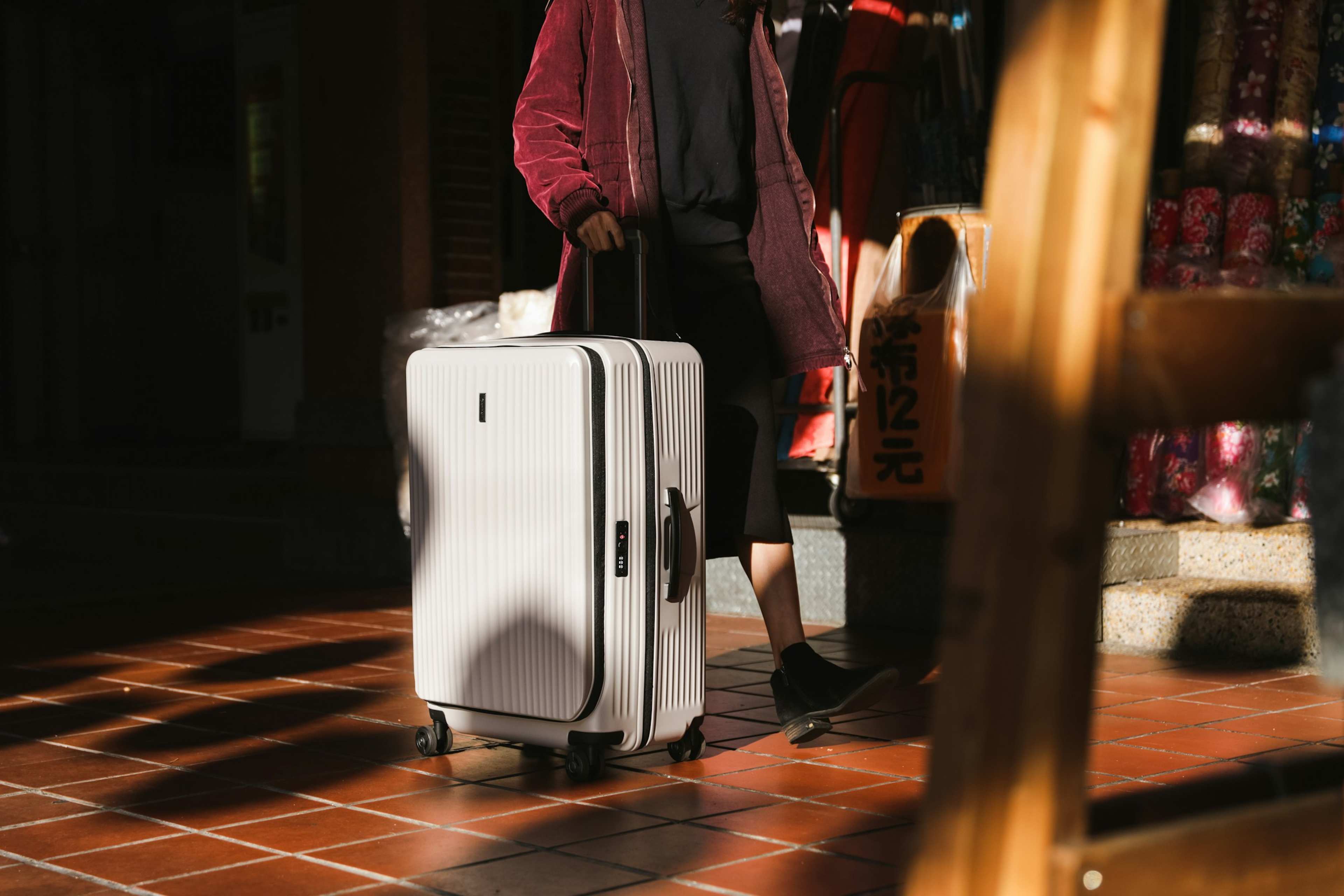
Color-coded tags arrive the day before and determine both departure order and bag location at the terminal. Photographing or noting the exact color and number prevents confusion among thousands of suitcases. Waiting in a lounge until the group is called beats standing in the atrium. Liquor purchases usually stay secured until the final night or a designated port table. Wrapping bottles in checked luggage protects them during travel, while respecting duty-free limits avoids extra fees. Self-assist options exist for those comfortable carrying their own bags, though most travelers benefit from letting crew handle the heavy lifting.
Finish Packing and Cabin Checks
Leaving out clothes, shoes, or toiletries for the morning prevents awkward arrivals at the pier. A small carry-on or tote keeps essentials accessible after large bags go into the hallway. Crew members need cabins cleared by a set time, usually around 9 a.m., to prepare for the next sailing. Safes and bedside drawers deserve a final sweep for passports, wallets, and jewelry. Bathrobes typically stay with the ship, while slippers may be kept. A quick scan of every corner and under the bed catches items that might otherwise be left behind. Passengers who follow these steps usually exit with less stress and more time to enjoy the final hours of their vacation.