Most people think of the customs form as a quick formality. You tick a few boxes, hand it over, and walk on. The trouble usually starts with the things that never felt worth mentioning, such as a snack, a souvenir, or an envelope of cash.
The examples below follow U.S. Customs and Border Protection guidance and recent reporting. Rules differ from country to country, so check the official page for your destination before you fly.
The Apple You Picked Up on the Plane
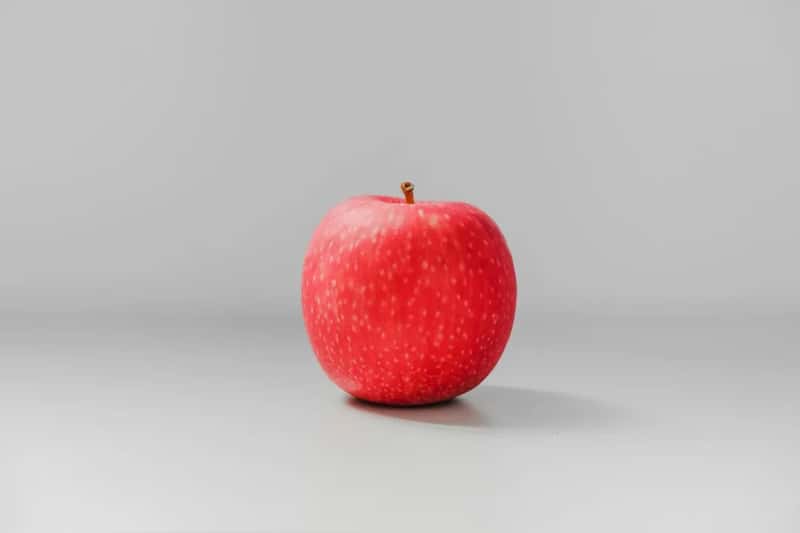
Fresh fruit is the classic slip. Even a piece you got on a plane or picked up at the airport before departure counts.[1] CBP says all agriculture items must be declared and are subject to inspection by an agriculture specialist.[2] The reason is practical: they check for plant pests and foreign animal diseases.
The cost of forgetting is real. First time offenders face a $300 civil penalty, and a second violation rises to $500.[3] Members of Global Entry can also lose that status.[4] If you declare an item and it turns out not to be allowed, you won’t face a penalty.[4]
Cash and Monetary Instruments Over $10,000

Money is the item people most often assume is none of customs’ business. Travelers entering the U.S. with more than $10,000, or the foreign equivalent, in currency or monetary instruments must file a FinCEN Form 105 with CBP.[5] That covers more than banknotes. It includes traveler’s checks, money orders, and certain negotiable instruments.[6]
Splitting the cash with a travel companion doesn’t get around the rule. The threshold applies to the total carried by an individual or a group traveling together, such as a family.[5] Failing to file, even unintentionally, gives CBP the authority to seize the entire amount on the spot.[7] In August 2026, the agency posted a reminder on X telling visitors arriving by land, sea, or air to declare everything they bring from abroad.[8]
Soup Mixes and Bouillon Cubes
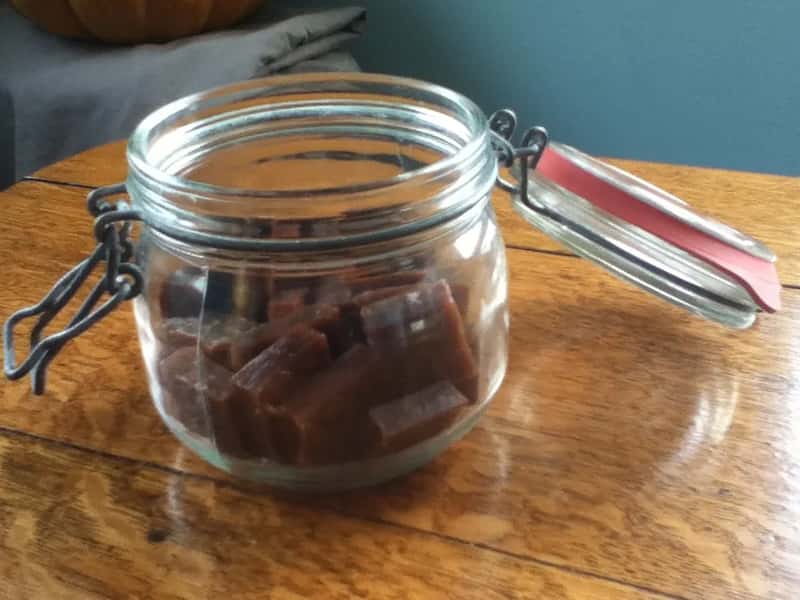
Pantry staples make easy souvenirs, and that’s where people get caught out. Candy, baked goods, butter, and certain cheeses are allowed in the U.S., yet anything containing a meat product, such as bouillon or soup mixes, is prohibited.[9] A cube that looks harmless can be classed as an animal product.
CBP’s wording is explicit on this point. Travelers must declare meats, fruits, vegetables, plants, seeds, soil, animals, and plant and animal products, including soup or soup products.[10] Items like condiments, oils, honey, dried coffee and tea, and cheeses are typically permitted, though they should still be declared.[4]
Handmade Souvenirs Made From Plants

A woven basket or a carved wooden piece feels like craft, not agriculture. Customs sees it differently. All agricultural products must be declared, including handcrafted souvenirs made of agricultural materials such as straw.[4] Prohibited or restricted items may include products made from animal or plant materials.[2]
Dried seed necklaces, gourds, and anything with husks or leaves fall in the same gray zone. It doesn’t matter if a similar item got through on your last trip or if the vendor said it was safe.[4] Declared items that are prohibited or restricted, in noncommercial quantities, can be abandoned at the port of entry if you want to continue into the U.S.[2]
Gifts You Bought or Received Abroad

Gifts feel like they belong to someone else, so people leave them off the form. Items bought abroad to give as gifts, and gifts received while abroad, still must be declared when you reenter the United States.[11] The same goes for goods bought at duty free shops.[6]
It helps to separate two ideas. What you owe in duty and what you must declare are often two separate issues.[6] Declaring a present doesn’t mean you’ll be taxed on it, only that an officer gets to make that call.
Soil and Mud on Your Shoes After a Farm Visit
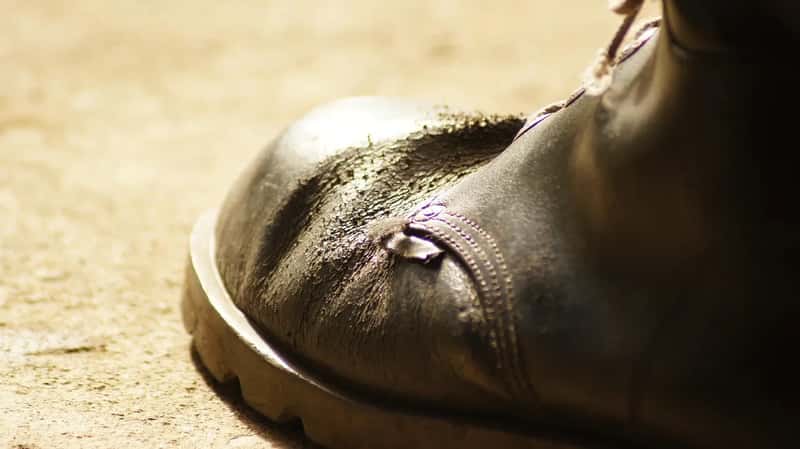
This one isn’t an item you bought, which is why it gets forgotten. A hike through a vineyard or a stop at a petting farm can count. CBP asks travelers to answer yes if they’ve been on a farm or near livestock, because a specialist may need to check shoes or luggage for traces of soil.[10]
The concern is disease. Soil can harbor foreign animal diseases such as foot-and-mouth.[10] Cleaning your footwear before you pack helps, but the box on the form still needs a truthful answer.
Everyday Purchases That Fall Under the Duty Free Limit
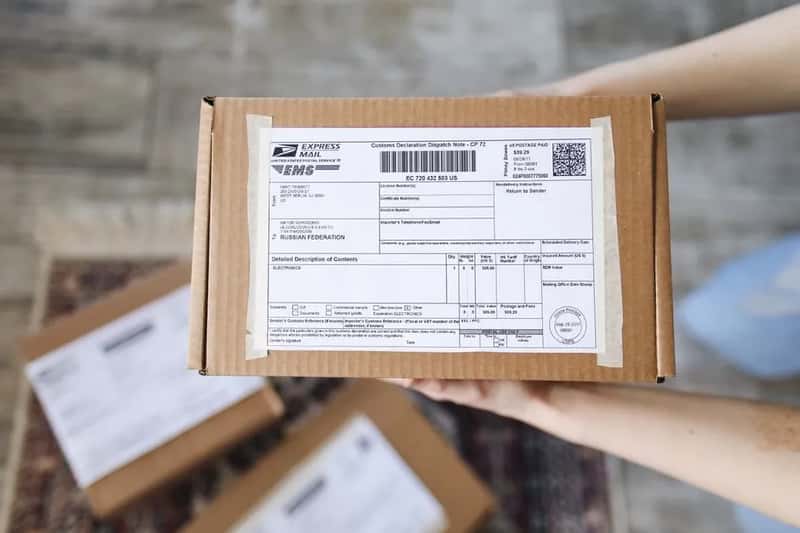
Many returning travelers believe purchases under the $800 exemption can be skipped. The exemption doesn’t remove the requirement to list international purchases.[11] U.S. residents must declare all articles acquired abroad and brought back into the country.[11]
Disclosure comes first, and the math comes later. Officers determine duty, exemptions, and any follow-up processing after you’ve declared.[11] Goods brought in for sale or other commercial use must be declared as such.[11] Keeping your receipts in your carry on helps you fill out the form accurately and prove what things cost.[12]