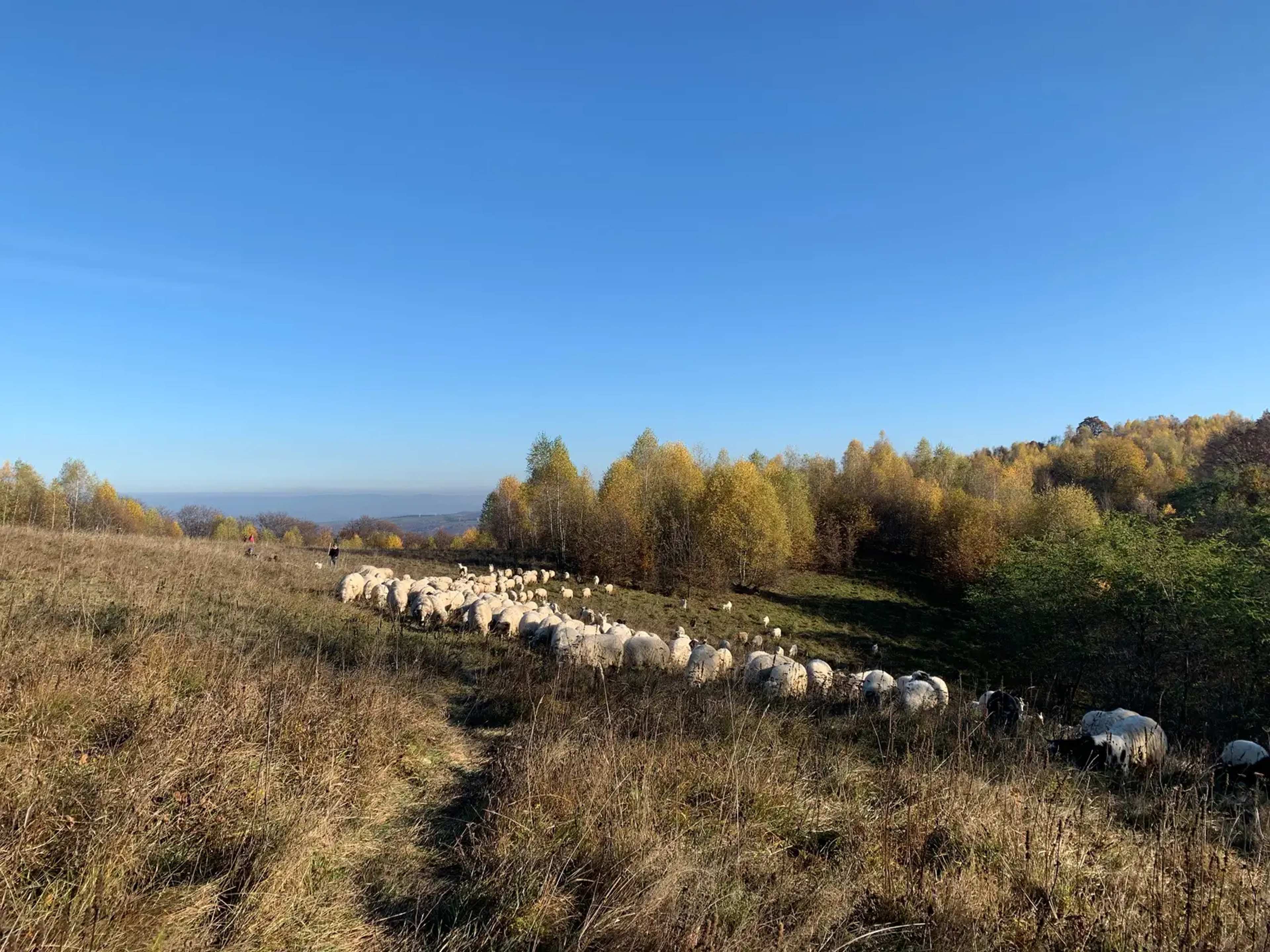
Rural counties across the United States are drawing increased attention from data center developers seeking large tracts of land for new facilities. Electricity demand from these operations is projected to double by 2027, while land requirements are expected to triple within five years, according to industry forecasts. Much of this expansion is shifting from established urban sites toward agricultural areas that offer open space and lower costs. ([1])
Why Rural Counties Are Becoming Prime Targets
Developers favor rural locations for several practical reasons. These areas often provide preexisting cleared land, contiguous parcels, and lower purchase prices compared with urban zones. Access to major transmission lines and fewer immediate neighbors also reduce potential delays. Roughly two-thirds of planned U.S. data centers are now proposed for rural counties. Agricultural land can be converted through rezoning or direct acquisition, sometimes at prices far above typical farm values. The prospect of future projects can raise surrounding land costs and property taxes even for owners who decline to sell.
Competing Demands on Water and Energy Infrastructure
Large data centers frequently rely on water-intensive cooling systems, adding pressure to local supplies already used heavily by agriculture. Between 2010 and 2020, irrigation accounted for 47 percent of total U.S. freshwater withdrawals. New facilities and their supporting power plants can increase competition for groundwater and surface water in regions where resources are limited. Transmission lines, substations, and generation projects tied to data center growth can cross or divide farmland. Utilities may seek easements or exercise eminent domain in some states, though rules vary and some jurisdictions restrict such actions for purely economic purposes. Farmers can lose productive acreage or face divided fields even when a data center itself is not built on their property.
Effects on Wildlife Habitat and Long-Term Land Use
Conversion of farmland to industrial use replaces fields with buildings, roads, and impervious surfaces that alter drainage and soil conditions. Fragmentation of surrounding grasslands, wetlands, and riparian zones can disrupt wildlife movement and reduce habitat for pollinators that support crop production. Additional stressors include noise and potential electromagnetic fields that research links to changes in bee behavior and plant responses. If new electricity demand is met primarily by fossil-fuel generation rather than renewables, broader climate impacts could follow. Marginal lands targeted for development may hold ecological value when restored, complicating decisions about which parcels are truly low-impact.
Local Pushback and Shifting Policy Options
Farmers in several states have turned down multimillion-dollar offers, including one reported $26 million bid in Kentucky and repeated proposals exceeding $15 million per acre in Pennsylvania. Public opinion polls show widespread opposition to new AI-related data centers in nearby communities. Local governments retain authority over zoning and land-use decisions in most cases, giving residents a direct role in project reviews. State preemption laws can limit that control, however, and developers are increasingly looking at unincorporated areas with lighter oversight. Federal standards on water efficiency or renewable energy requirements remain possible avenues for broader safeguards. Communities now face choices about how to accommodate digital infrastructure while preserving agricultural capacity and rural character. Greater transparency on water use and meaningful input on siting decisions can help balance these pressures over the coming decade.