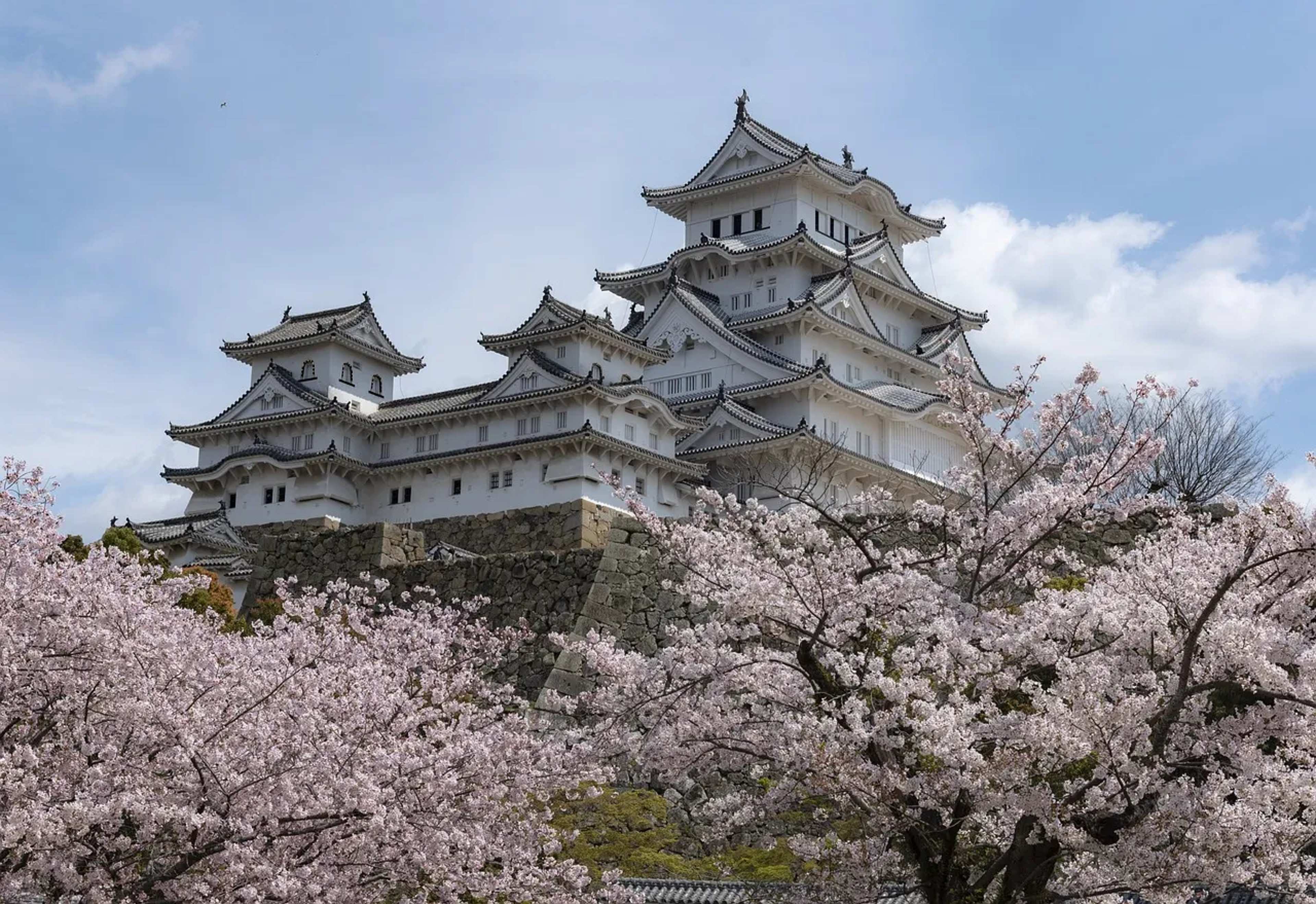
Most travelers have snapped a photo next to a plaque bearing the familiar blue and white UNESCO emblem without ever pausing to ask what it actually signifies. The label gets tossed around so casually, in travel brochures, hotel marketing, and Instagram captions, that its real meaning has become blurry. There’s a formal, legally binding process behind that designation, and it carries far more weight and complexity than most people realize.
Understanding what World Heritage status truly involves changes how you look at these sites, whether it’s an ancient temple, a coral reef, or a modern architectural landmark. It’s not simply a badge of approval handed out to pretty places. It’s a system built on international law, scientific evaluation, and ongoing political negotiation.
The list is far bigger than most people assume
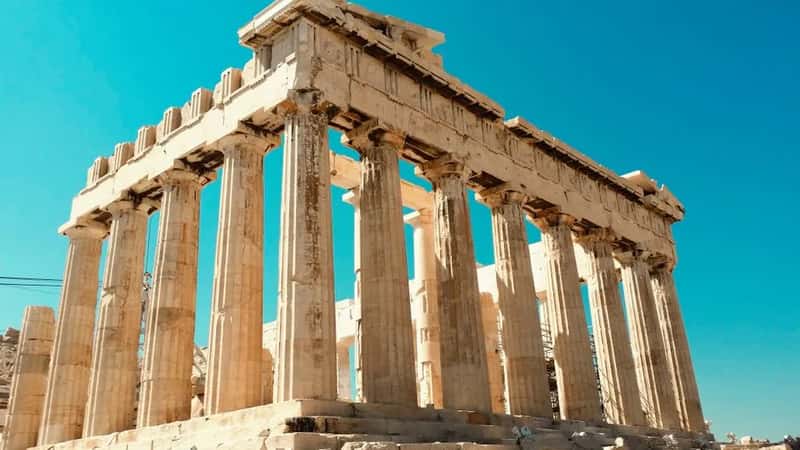
As of the summer 2026 session in Busan, South Korea, 19 cultural sites, five natural sites, and one mixed site were added to the list, bringing the total number to 1,273 sites across 173 countries[1]. That’s a substantial jump from just a few years earlier, when the count sat closer to 1,200.
The list keeps growing every year because countries actively compete to add sites, sometimes waiting a decade or more for approval. In total, the UNESCO list includes properties across 170 countries as world heritage sites[2] even before the 2026 additions pushed that number higher. It’s a living document, not a static registry, and every summer session adds another chapter.
Outstanding universal value is the real bar to clear
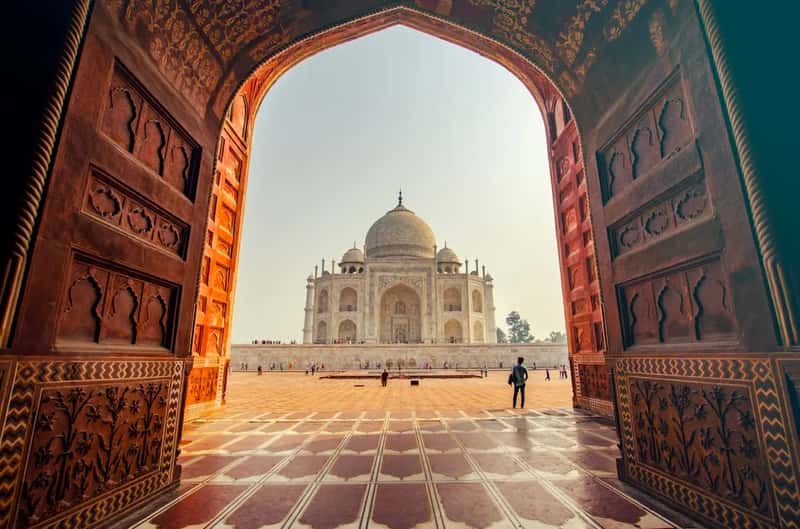
The phrase gets used constantly, but it has a precise technical meaning inside UNESCO’s framework. To be included on the World Heritage List, sites must be of Outstanding Universal Value and meet at least one of ten criteria, as well as the relevant conditions of integrity and authenticity and requirements for protection and management.[3] That’s three separate hurdles, not one.
Sites must meet one of UNESCO’s selection criteria, show integrity and be adequately managed and protected, with all three in place for a property to be judged to have Outstanding Universal Value.[4] A beautiful place with no conservation plan simply won’t qualify, no matter how spectacular it looks in photos.
Ten criteria decide everything, and most people can’t name one

Before 2005, cultural and natural sites were judged on separate scales. Until the end of 2004, World Heritage sites were selected on the basis of six cultural and four natural criteria, and with the adoption of the revised Operational Guidelines, only one set of ten criteria now exists.[5] That unification simplified things administratively, though the criteria themselves remain fairly dense.
They range from representing a masterpiece of human creative genius[6] to demonstrating superlative natural phenomena or areas of exceptional natural beauty and aesthetic importance[6]. A site needs to satisfy just one of these ten, though many famous locations, like the Great Wall of China or the Grand Canyon, actually qualify under several at once.
Nomination takes years, not months
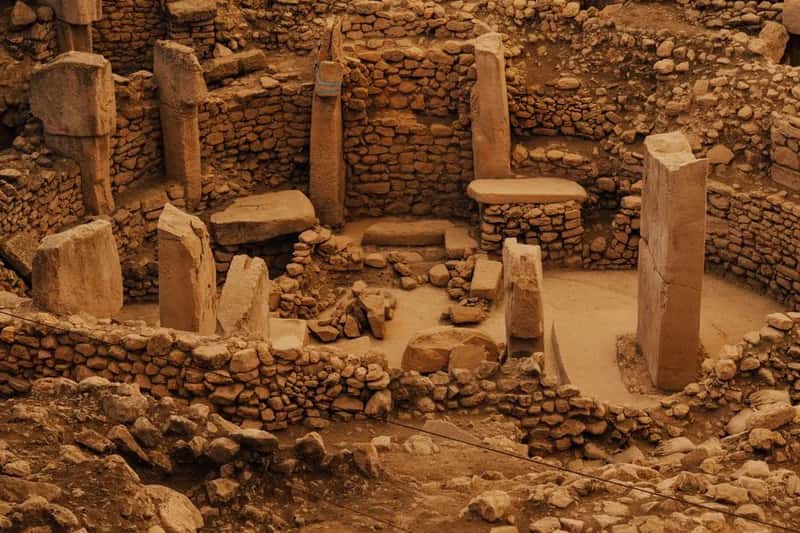
Getting a site onto the list isn’t a quick application process. The nomination process typically begins several years before a site is inscribed on the World Heritage List, with each country submitting its nominations to UNESCO’s World Heritage Centre by a set deadline, usually around January or February of each year.[7] Countries have to first place candidate sites on a “tentative list,” sometimes years before formal nomination even begins.
Only nations that have joined the World Heritage Convention get to play this game at all. Only countries that have signed the World Heritage Convention, pledging to protect their natural and cultural heritage, can submit nomination proposals for properties on their territory, and proposals are considered based on a series of nomination steps, criteria, and other evaluative processes.[8] Once submitted, independent expert bodies review every claim line by line before anything reaches a final committee vote.
Status doesn’t guarantee protection forever
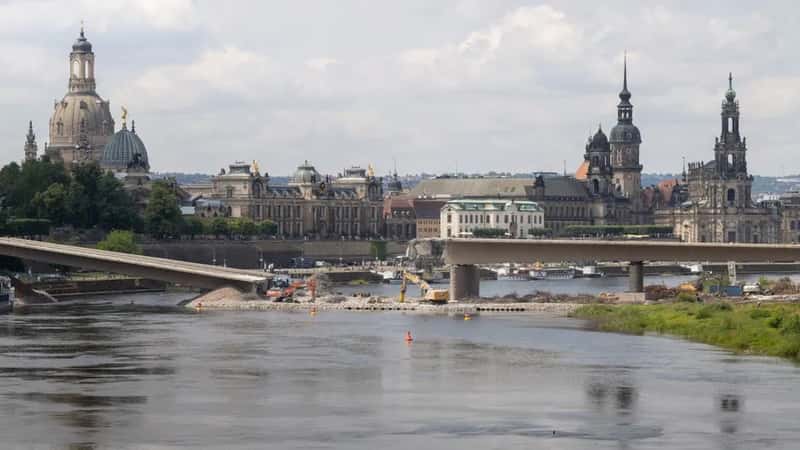
Here’s something that surprises a lot of people: World Heritage listing can be revoked. It’s happened exactly three times in the program’s history. Oman’s Arabian Oryx Sanctuary was delisted in 2007, Germany’s Dresden Elbe Valley was delisted in 2009, and the United Kingdom’s Liverpool Maritime Mercantile City was delisted in 2021.[9]
The Liverpool case is particularly instructive. Failing to address the committee’s concerns could lead to a site being de-listed, a fate that befell Liverpool in 2021 after UNESCO concluded that years of new development had led to an “irreversible loss” to the historic value of its waterfront.[10] The lesson is simple: the title comes with ongoing obligations, and ignoring them has real consequences.
The “in danger” list exists for a reason people misunderstand
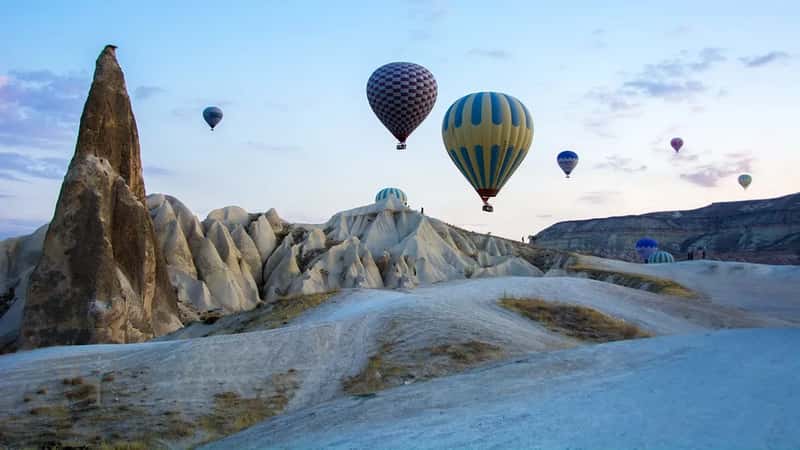
Many assume being placed on the danger list is some kind of punishment or embarrassment. It’s actually meant as a rescue mechanism. The List of World Heritage in Danger is designed to inform the international community of conditions which threaten the very characteristics for which a property was inscribed on the World Heritage List, and to encourage corrective action.[11]
The threats vary wildly depending on the site. Armed conflict and war, earthquakes and other natural disasters, pollution, poaching, uncontrolled urbanization and unchecked tourist development pose major problems, and dangers can be ascertained, referring to specific and proven imminent threats, or potential, when a property faces threats which could have negative effects on its values.[11] At the 2026 Busan session, six new sites were added to this danger list, including some inscribed through an emergency fast-track procedure reserved specifically for places under active conflict threat, such as sites in South Sudan, Lebanon, and Palestine.
Listing can trigger real conservation wins
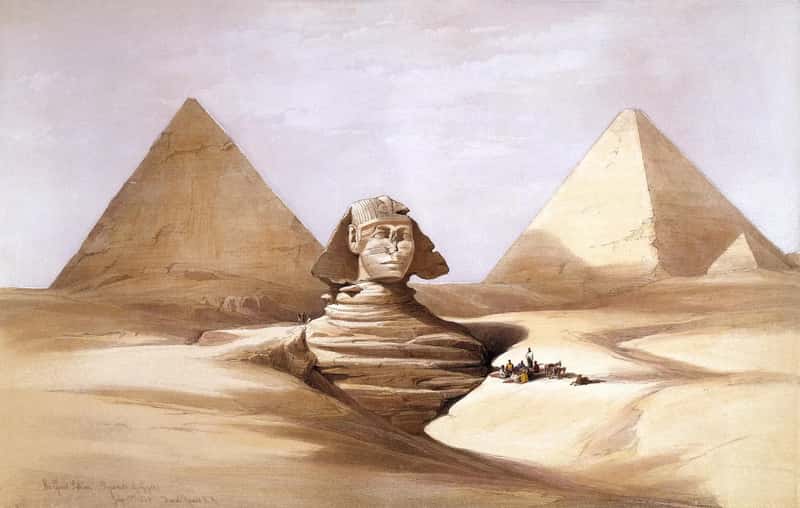
Skeptics sometimes dismiss the whole program as symbolic, but there are documented cases where the designation directly changed outcomes on the ground. Highway construction was halted near Egypt’s Pyramids of Giza, and a dam was stopped from being built[12] as a direct result of World Heritage considerations.
The mechanism behind this isn’t just reputational pressure. If added to the danger list, the World Heritage Committee can allocate immediate assistance from the World Heritage Fund to the endangered property, and the mere prospect of inscribing a site on this list often proves to be effective and can incite rapid conservation action.[12] Sometimes just the threat of the label is enough to shift government policy.
Tourism impact is more complicated than the headlines suggest
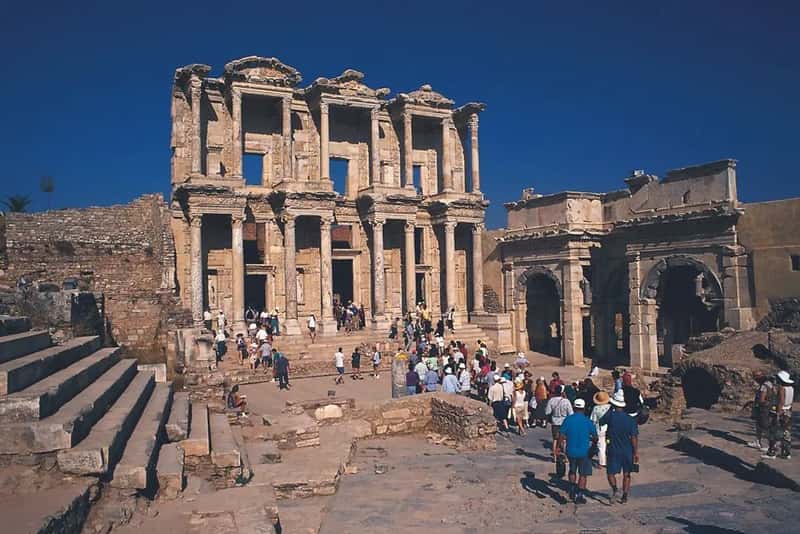
There’s a persistent assumption that World Heritage status automatically floods a destination with visitors, for better or worse. The research tells a messier story. Many other factors are far more important to tourists, including the economic situation, access, weather events, service quality and, importantly, a site’s relative quality compared to alternative destinations.[13]
Even being placed on the danger list doesn’t necessarily scare tourists away. Galápagos was listed as World Heritage In Danger from 2007 to 2010, primarily because of the impacts of tourism, and was taken off again once the Committee was satisfied its concerns had been addressed, with tourism continuing to grow afterward.[13] Meanwhile, critics have pointed to the opposite problem in places like Venice, where a site being added to the list can be a kiss of death, essentially designating a destination worthy of protection that then becomes a place of unsustainable levels of tourism.[12]
Some countries dominate the list, and geography still matters
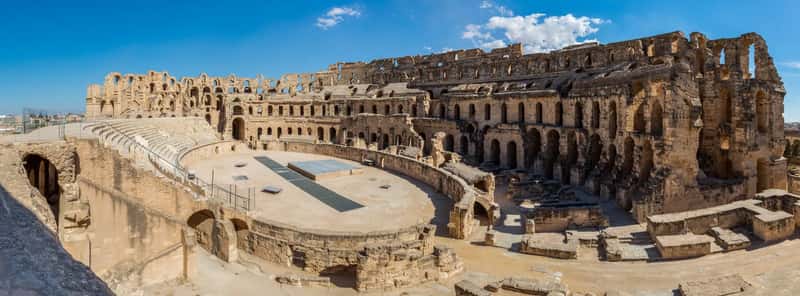
The distribution of sites across the globe is far from even. With 58 total UNESCO sites to its credit, Italy tops the list for reasons including its rich, extensive cultural heritage, especially that associated with the Roman Empire.[14] China, Germany, France, and Spain round out the next tier, each carrying decades of accumulated nominations.
This imbalance hasn’t gone unnoticed by UNESCO itself. The 2026 Busan session made a deliberate push toward correcting it. The Busan session marked a more geographically representative World Heritage list, with Comoros, São Tomé and Príncipe, and South Sudan securing places on the list for the first time, described by UNESCO as part of its commitment to ensuring the list better reflects the diversity of the world’s cultural and natural heritage.[1] There’s even a dedicated funding strategy now aimed at smaller island nations that have historically been underrepresented.
Recent additions show how broad the definition has become
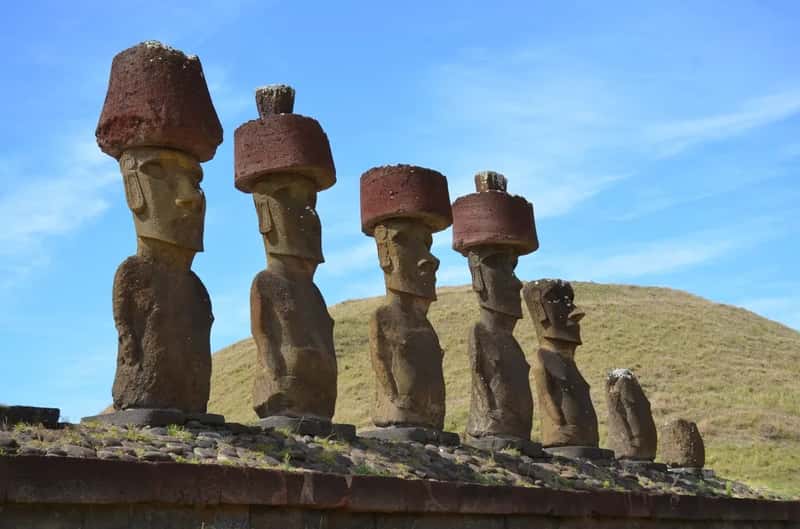
People often picture ancient ruins or untouched wilderness when they think of World Heritage sites, but the category has expanded considerably. The 2026 list includes everything from a collection of buildings designed by renowned Finnish architect Alvar Aalto, one of the pioneers of modern architecture[15], to the D-Day landing beaches in Normandy.
The Normandy inscription is a good example of how layered these designations can get. The inscription covers Utah, Omaha, Gold, Juno and Sword beaches, plus Pointe du Hoc, along with the remains of the German Atlantic Wall and the American Cemetery at Colleville-sur-Mer, a place many people have seen in war films now permanently protected as one of humanity’s most significant historical landscapes.[16] Other 2026 additions include ancient burial mounds tied to the Xiongnu Empire and historic Swahili coast towns, proof that the list keeps stretching to cover human history in all its forms.