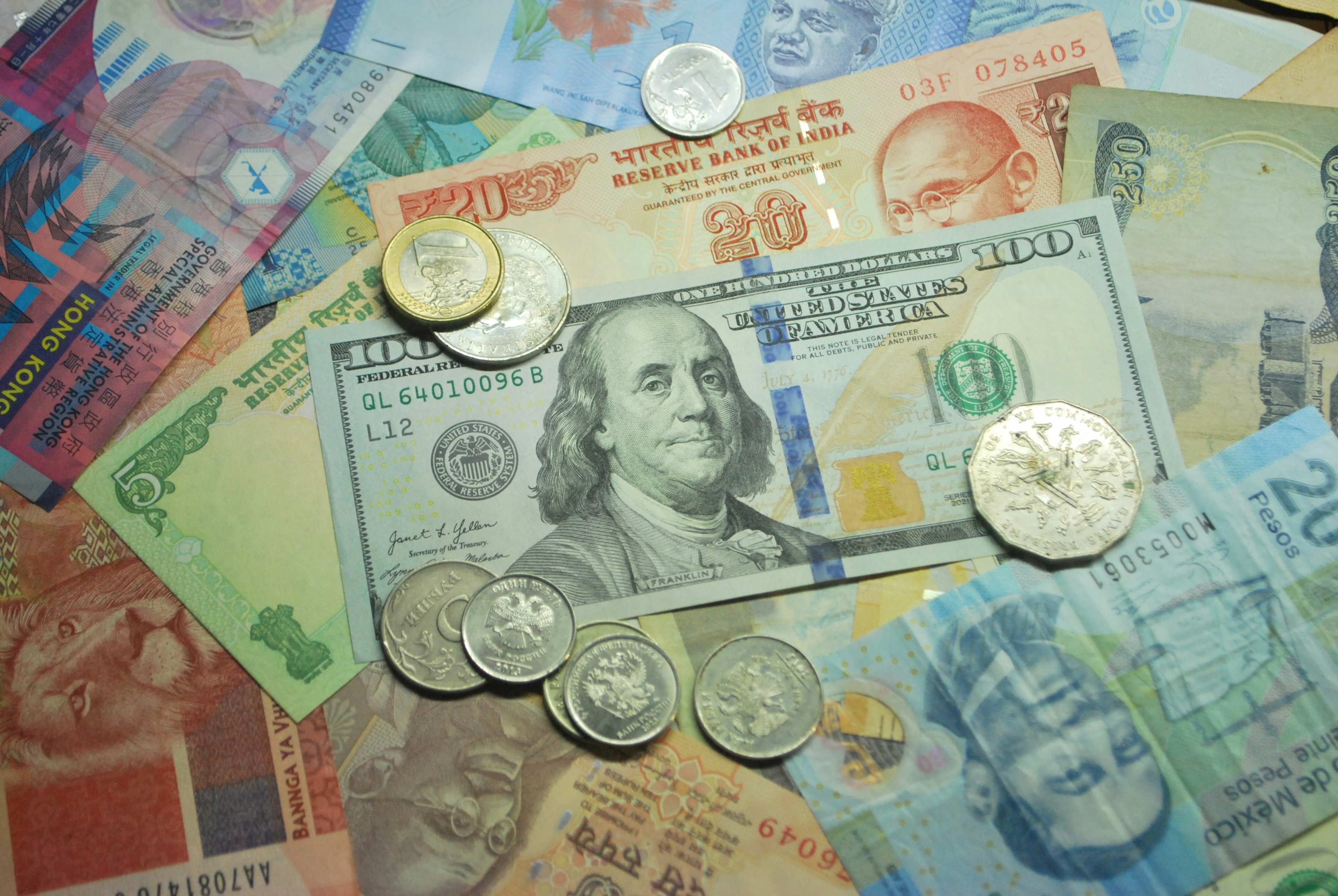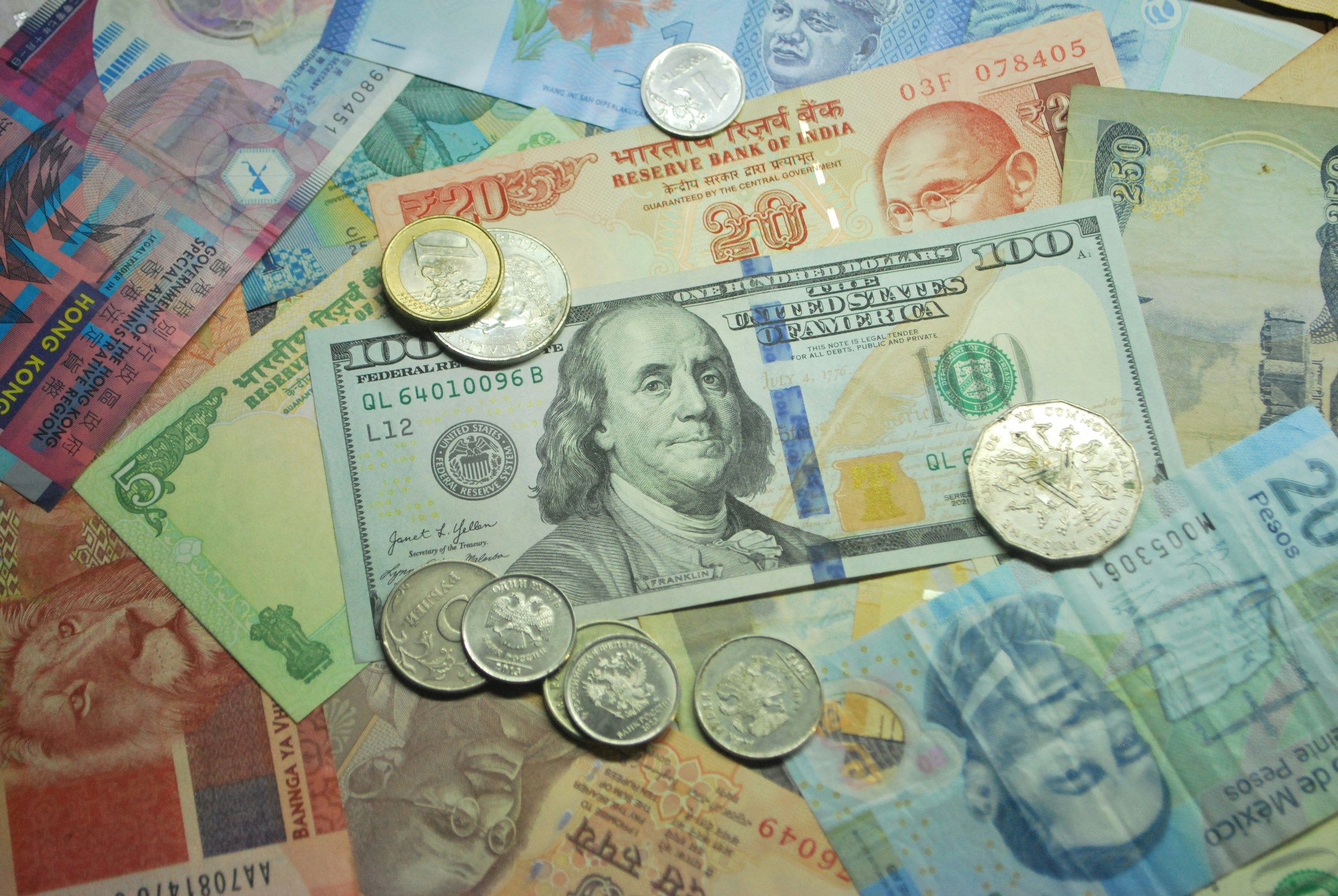
Ask ten travelers whether they needed pesos in Mexico and you’ll probably hear a few different answers. Someone who spent a week inside a Cancún resort barely touched cash. Someone who wandered the markets of Mexico City counted coins for every taco.
Both are right, because the answer depends on where you’re standing and what you’re buying. This article compares the three main ways to pay, using 2026 figures and recent travel money guides, so you can see where each one works and where it costs you extra.
The Short Answer on Pesos
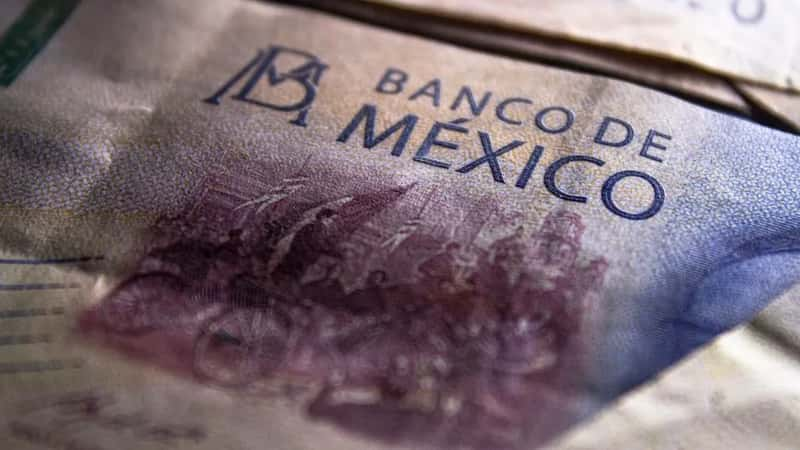
Yes, you should have some pesos. Mexico is not a cash only destination for tourists, but it is also not a place where every small transaction can be handled by card.[1] Pesos are the currency that works everywhere, including the places where nothing else does.
The need grows as you move away from resorts. Mexico ranges from all inclusive resorts where cash is barely needed to local Mexico City neighborhoods where cash is the only option.[2] Plan for the part of the trip with the most local contact, not the easiest part.
Where US Dollars Still Work
Dollars do get accepted in a good number of tourist places. They may be taken around Cancún, the Riviera Maya, Los Cabos, and resort zones.[1] Hotels, tour desks, and some shops in those areas will happily take your bills.
The catch is the exchange rate. You’ll get change in pesos, often at a slightly unfavorable rate.[3] Think of it as paying a small convenience fee on every purchase, one that never appears on the receipt.
What Paying in Dollars Really Costs
A worked example helps. One 2026 guide describes a 172 peso bill that a vendor converted at a made up rate of 15 pesos per dollar, which produced a charge of $11.47 USD.[4] At that point in early 2026, one US dollar was worth about 17.32 pesos[4], so the fair price would have been close to ten dollars.
That gap looks small on one meal, yet it repeats on every transaction. Another travel guide puts it simply: exchange rates for US dollars are often less favourable, so pesos are recommended for everyday purchases.[5] Over a week, the difference adds up to a nice dinner.
Where the Peso Stands in Late 2026
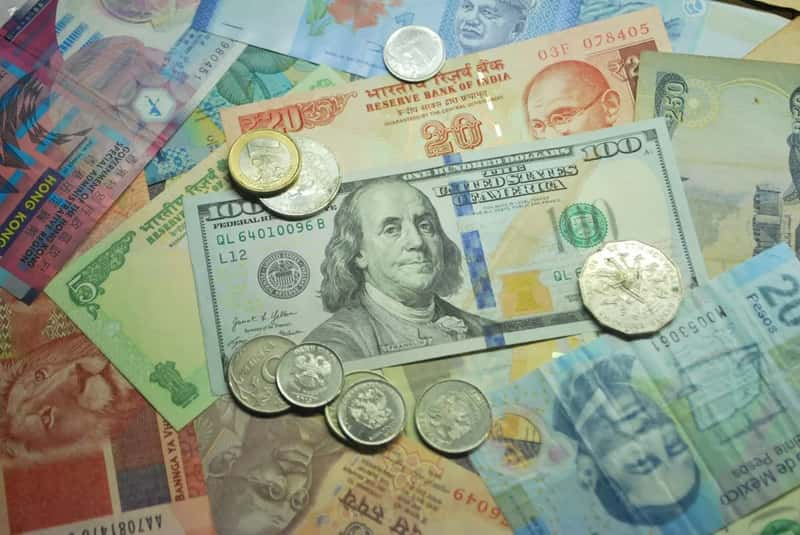
The peso spent much of 2026 in a narrow band. Monthly averages from January through June ranged from roughly 17.2 to 17.8 pesos per dollar.[6] Travelers who watched the rate in spring and summer saw very little drama.
That shifted a little toward autumn. One US dollar was 18.8542 Mexican pesos as of October 29, 2026.[7] A weaker peso stretches your dollars further, though it doesn’t change the advice about where and how to convert.
How Far Cards Will Take You
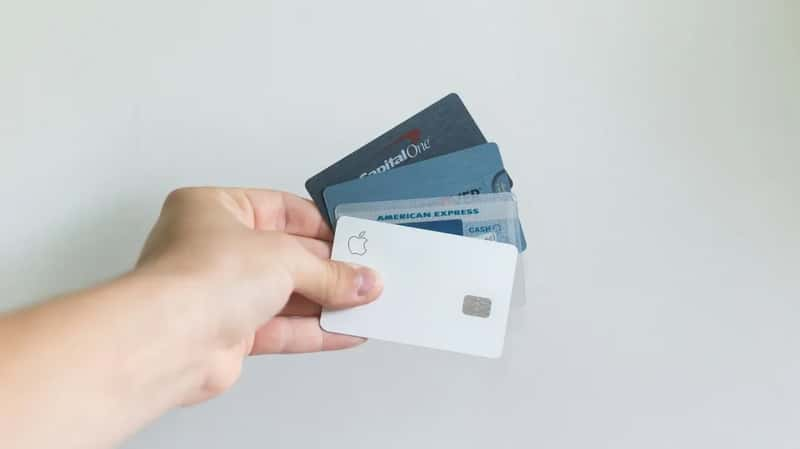
In the main tourist corridors, cards do much of the work. Travelers can usually use them at hotels, resorts, larger restaurants, supermarkets, department stores, car rental offices, and established tour companies.[1] Mexico City, Cancún, Playa del Carmen, Los Cabos, and Puerto Vallarta are all on that list.
Which card you carry matters too. Visa and Mastercard have the widest acceptance across Mexico.[8] Discover, by contrast, is spotty even in tourist zones[9], and American Express can be unreliable outside upscale hotels and restaurants.
Places That Still Want Cash
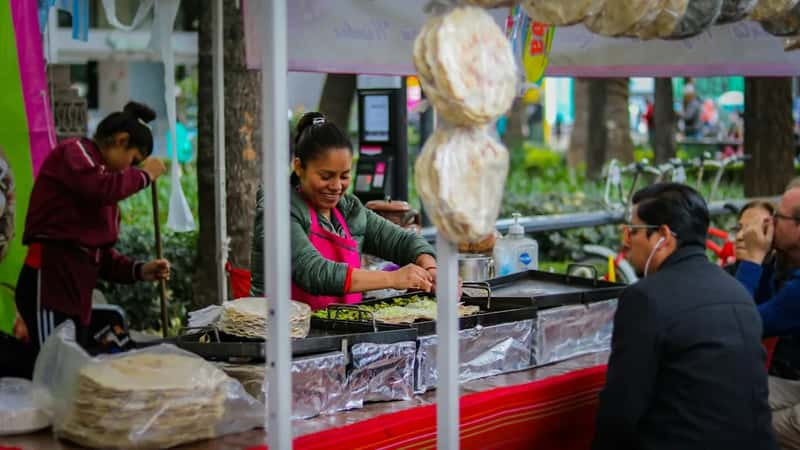
Street food is the clearest example. Vendors across Mexico are almost entirely cash only, including taquerías, elote carts, and market stalls.[10] Prices are low, too: a street taco in Mexico City costs 15 to 25 pesos.[11]
Cash also matters for getting around and sightseeing. Most independent street cabs only accept cash[12], and except for the more popular archaeology sites and museums, entry is cash only.[12] If you hire a local guide at a site, expect to pay in cash even if the site takes cards.[12]
Choosing the Right ATM
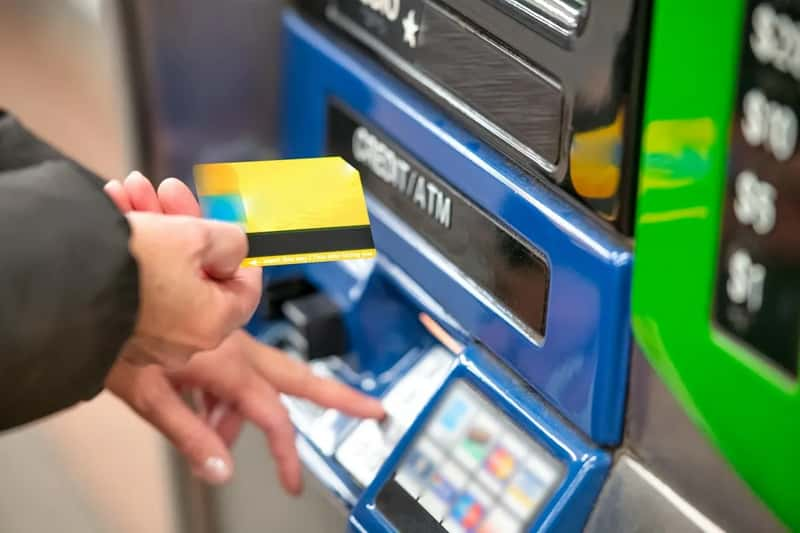
Not all machines are equal, and the difference is real money. Tourist ATMs like Euronet and similar unbranded machines charge 150 to 200 peso fees plus a markup on the exchange rate of roughly six to ten percent.[13] You’ll often find them in standalone boxes and convenience stores.
Bank branded machines cost far less. One 2026 comparison found withdrawal fees under 35 pesos at BanBajío, Banca Mifel, Banamex, and BanCoppel[14], while Banorte, HSBC, and Santander charged roughly 64 to 80 pesos.[14] Fees change, so read the on screen charge before you confirm.
The Currency Conversion Prompt
At some point a screen will ask whether you want to be charged in dollars or pesos. That’s dynamic currency conversion, and it works in the machine’s favor, not yours. Choosing pesos avoids it, and that usually gives you a better rate than your own bank’s alternative.[15]
The same prompt appears at restaurant card terminals. Always choose to pay in pesos when using your credit card to get the best exchange rate.[16] Say no to the home currency option, and let your card network do the math.
Airport Exchange Counters and Carrying Cash In
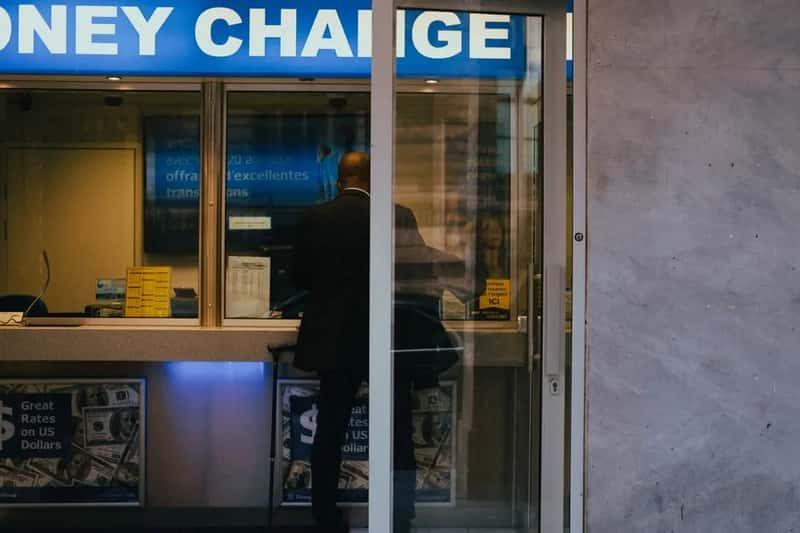
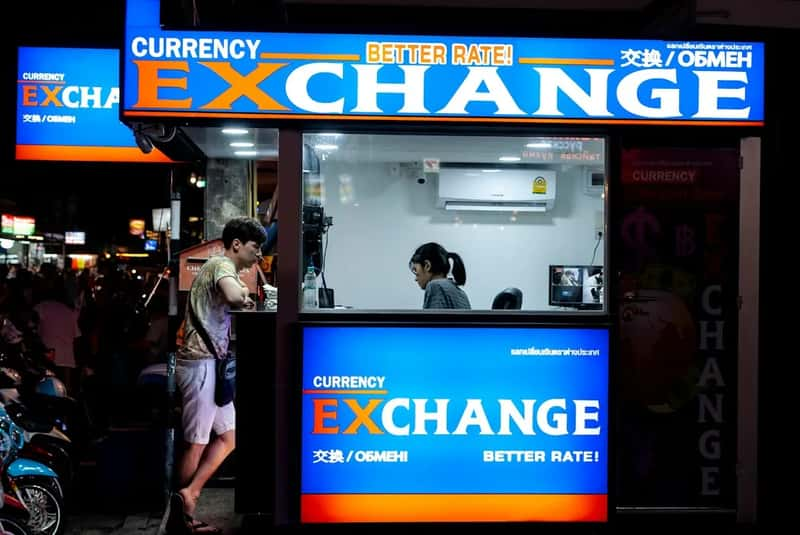
Arriving with some pesos is handy, though the airport counter is rarely the best place to get them. Airport exchange kiosks offer the worst rates, with margins of 8 to 15 percent below the mid market rate at Cancún and Mexico City airports.[11] Use them only if you need pesos right away.
If you’re bringing cash from home, the rules are straightforward. The legal limit for bringing cash into Mexico without declaring it is 10,000 USD per person, or the equivalent in any currency.[17] Dollars, pesos, euros, checks, and money orders can be added together[18], so count everything before you land.
Tips, Small Bills, and Everyday Change
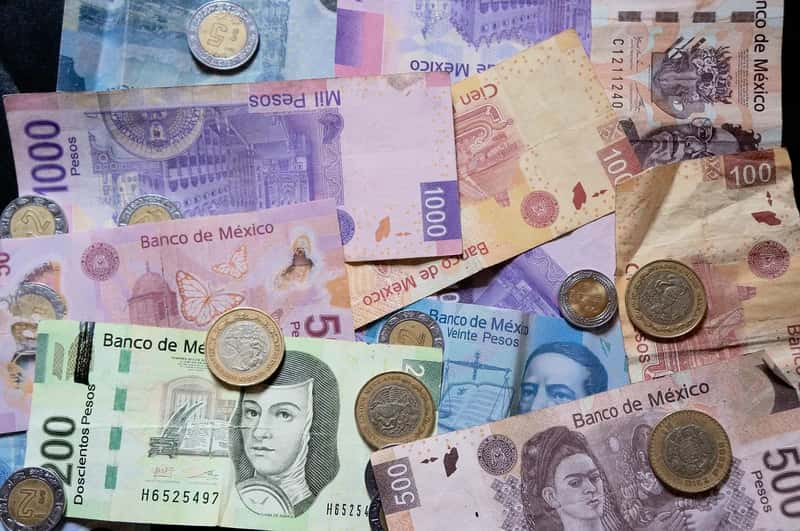
Tipping is where pesos earn their keep. Cash is strongly preferred over card tips, and pesos are generally considered more thoughtful than dollars, though both are accepted almost everywhere tourists go.[11] Smaller notes and coins make this much easier.
Also watch the price tags. Mexico uses the dollar sign for pesos, so a menu showing tacos at 35 means 35 pesos, about 1.90 USD at 18 to 1.[3] If you’re unsure how much cash to carry, one guide suggests bringing about a quarter of your overall budget in cash.[17]
A Practical Setup for Your Trip
Use a no foreign fee credit card for hotels, restaurants, and tours. Use a debit card only at bank branch ATMs to withdraw pesos, ideally one that reimburses ATM fees.[9] Pay in pesos whenever a terminal asks.
Keep enough pesos for taxis, markets, street food, entry fees, and tips. Street tacos, mercados, colectivos, and local transport are cash only, so carry at least 300 to 500 pesos.[2] Dollars are a backup, and a card is your main tool.