The brochure version of an overnight train is a rolling hotel suite with a window and a pillow mint. The regulars’ version has a bunk you climb into, a shower down the hall, a dinner slot you have to fight for and a train that may quietly split in two while you sleep. That gap between the picture and the real thing is where first-timers get caught.
Plenty of riders still swear by it, and some of the details below are genuinely charming. But a few of these tips could save you from a wrong-city arrival, a missed dinner or a very expensive bed. Stick around for #3, and for the last one, which might change whether you book the sleeper at all.
#12 – The “Sleeper” You Booked Might Not Exist on Your Train
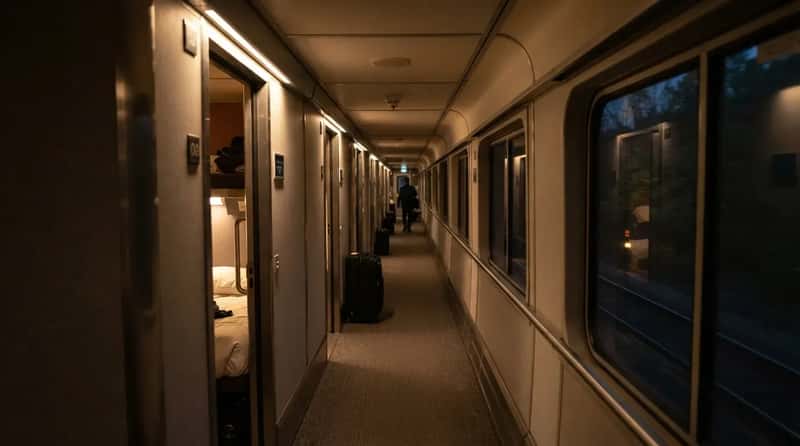
Not every train has a bed. Sleeper cars are available only on long-distance routes, so a private room on a short regional run simply doesn’t exist. Regulars check the train number before they check the fare.
Even on a sleeper route, the car type matters. Amtrak’s sleeping fleet has two types, Superliner and Viewliner. A Superliner has two levels of private rooms, while a Viewliner has a single level. That changes the stairs, the walk to the bathroom and the feel of the car at night.
Quick Compare
- Superliner: two levels of rooms, so expect stairs on the way to and from some beds.
- Viewliner: one level, so the walk to the bathroom stays flat.
- Your move: find out which car your train uses before you pick a room.
The bigger trap is route changes. One route guide described the Floridian as a temporary Chicago–Miami train that merged the suspended Capitol Limited and Silver Star, and said it was expected to run through 2026. A train you remember from a past trip may be running under a different name, or not at all. Confirm the current route on Amtrak’s site before you plan around it.
But the size of the room itself is the next thing nobody warns you about…
#11 – The Room Is Closer to a Closet Than a Hotel Suite
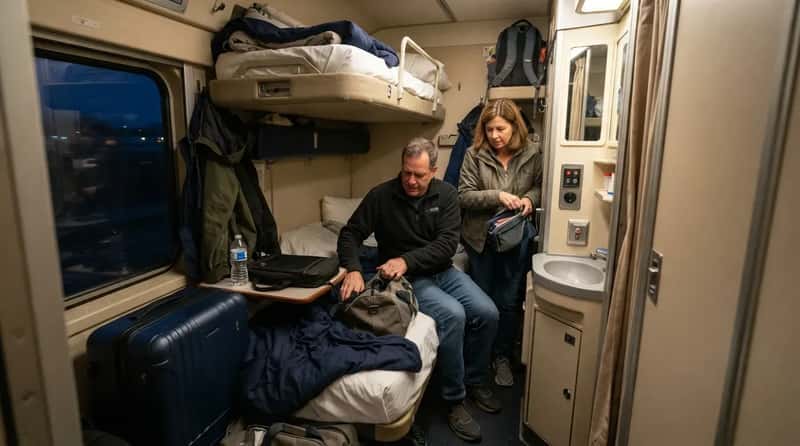
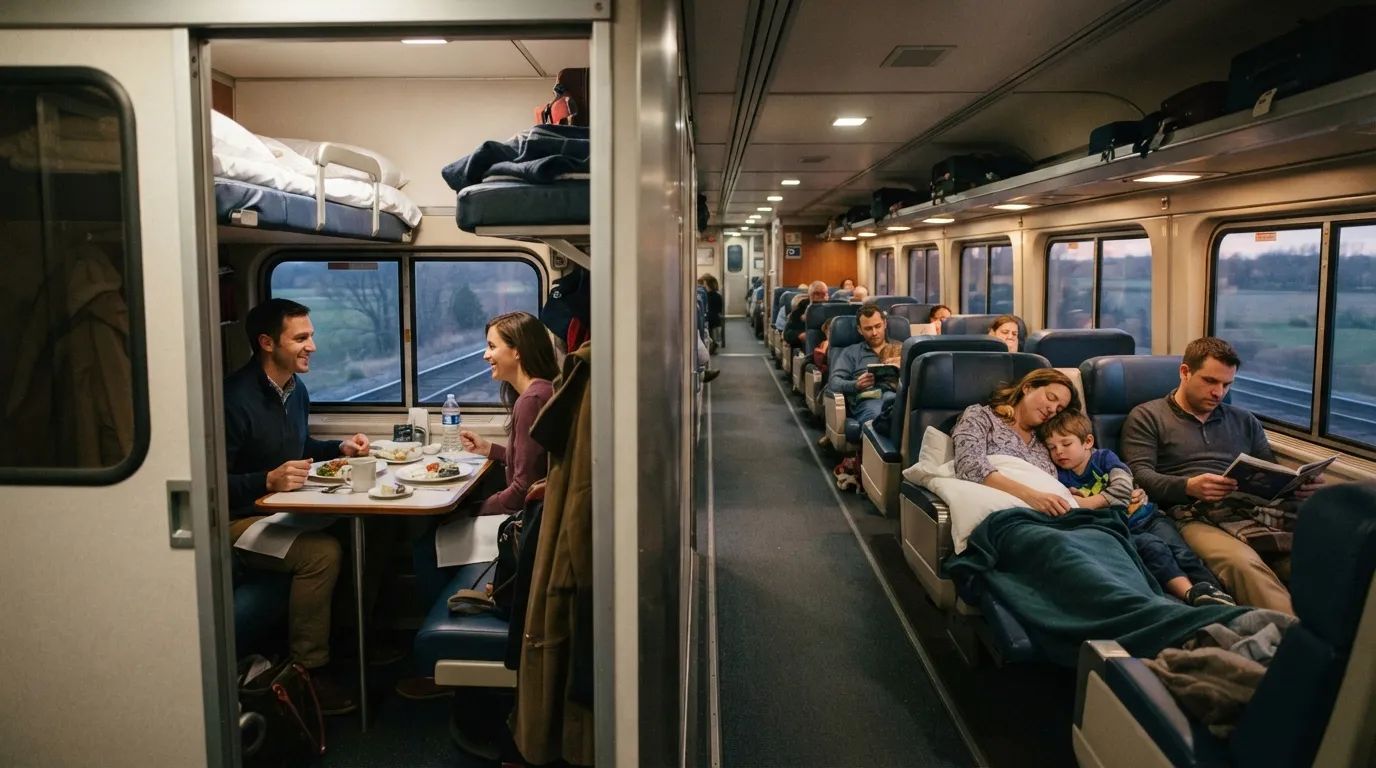
The roomette is cozier than the photos make it look. Amtrak lists the dimensions as 3’6″ by 6’6″, with room for two adults. That is the whole room, bed included. Regulars call it efficient, and first-timers often call it a shock.
Luggage is where people get burned. Roomettes can fit up to two adults and one to two suitcases. One unhappy Tripadvisor reviewer advised taking a very small bag to your sleeping quarters with just the essentials. Two adults and two big suitcases is not a plan, it’s a puzzle. Pack a small overnight bag for the room and leave the rest in the luggage area.
And the sleeping arrangement has a catch that doesn’t show up on the booking page…
#10 – The Top Bunk Isn’t for Everyone, and Neither Is the Midnight Walk
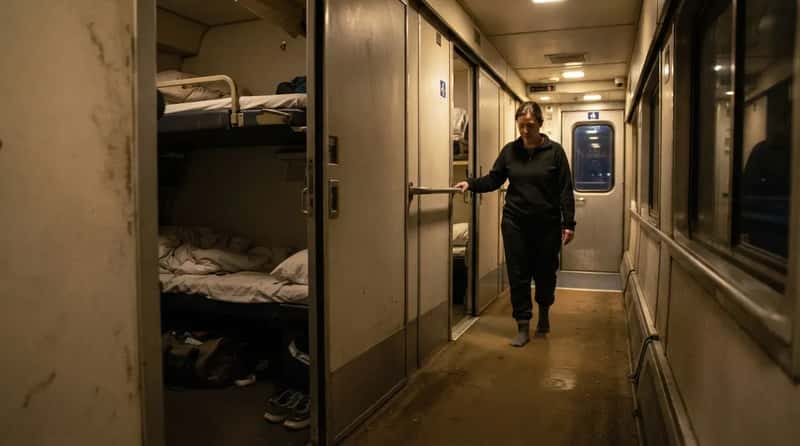
Bunk beds sound fun until you’re the one climbing up. By night, the roomette seats convert into a lower and an upper bunk. One reviewer put it bluntly: if you are a large adult, the top bunk will not work for you. Regulars sort out who sleeps where before the attendant makes the beds.
Then there’s the bathroom. The shared bathroom and shower are down the hall, which means midnight walks through swaying train cars. The same reviewer noted that two people in a roomette need a certain level of intimacy and coordination. Some riders say the roomette is less a romantic getaway than a stress test for couples. How fair that is depends on how well you two share a closet-sized space.
Still, the dining car causes even more drama than the bunks…
#9 – Where Your Car Sits Can Decide When You Eat Dinner
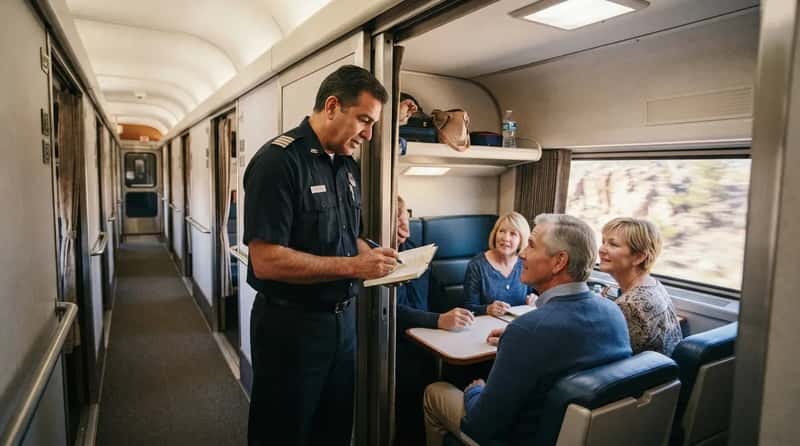
Dinner is the one meal that needs a plan. On one Empire Builder trip, breakfast and lunch were first-come, first-served, but dinner required reservations. Your attendant handles it. On that trip, the attendant came by shortly after boarding to take dinner orders.
The order of those visits can matter. A Tripadvisor reviewer in the last car said the attendant seemed to reach them last, which left only extremely early or extremely late reservation times. That is one traveler’s account, not a rule.
Even so, regulars say the earlier you speak up, the better your slot. Expect to share a table too. That same reviewer was seated with another couple for most meals.
But the meals themselves hide a few surprises about what’s actually free…
#8 – “All Meals Included” Has a Few Fine-Print Gaps
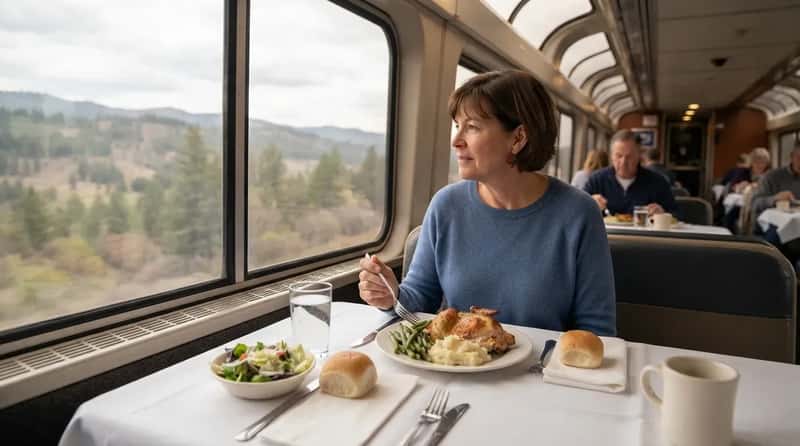
The included meals are the main reason roomettes feel less expensive than they are. Forum regulars explain that breakfast, lunch and dinner with non-alcoholic beverages are included. Portions are big, too. One attendant described a main, a side, vegetables, a salad and a roll, and said there is no need for extra food from the cafe car.
Now the fine print. Alcohol isn’t included, and anything from the lounge car costs extra. Tipping the dining-car server and your sleeping-car attendant is customary, though optional. Regulars say the real surprise is the tip, not the tab. Those tips are based on what the meal would cost on the menu, not on what you paid, which is nothing.
Next, a bathroom detail that makes regulars grin…
#7 – The Shower Everyone Assumes Will Be Awful Turns Out to Be Surprisingly Decent
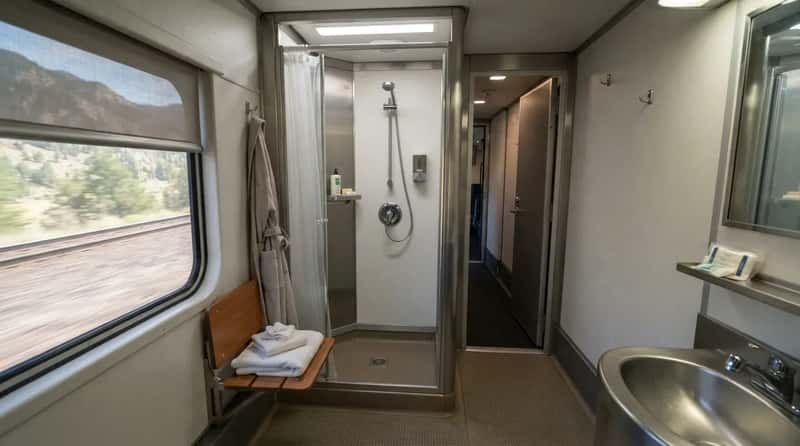
A shower on a moving train sounds like a bad idea. Sleeper passengers get one anyway. Each sleeper car has a shower shared by its sleeping-car passengers. Expectations are usually low, which is why the reviews tend to surprise people.
One Points Guy writer on an Empire Builder trip called it small but clean, with surprisingly good water pressure. It had a small space for changing, and soap, shampoo and towels were provided.
Worth Knowing
- The shower is shared by everyone in the sleeping car.
- Soap, shampoo and towels were provided on the reviewed trip.
- Water pressure impressed at least one skeptical writer.
- Only bedrooms come with a private bathroom of their own.
The same trip also came with a warning about toilets. Toilets on the lower level of most cars didn’t work at some point during the journey. Regulars stick to the sleeper car’s own facilities. Roomette riders also give up the privacy of an in-room bathroom, which only bedrooms have.
But the shower is nothing compared to the sleeping problem that catches light sleepers off guard…
#6 – The Train Rocks You to Sleep Until It Doesn’t
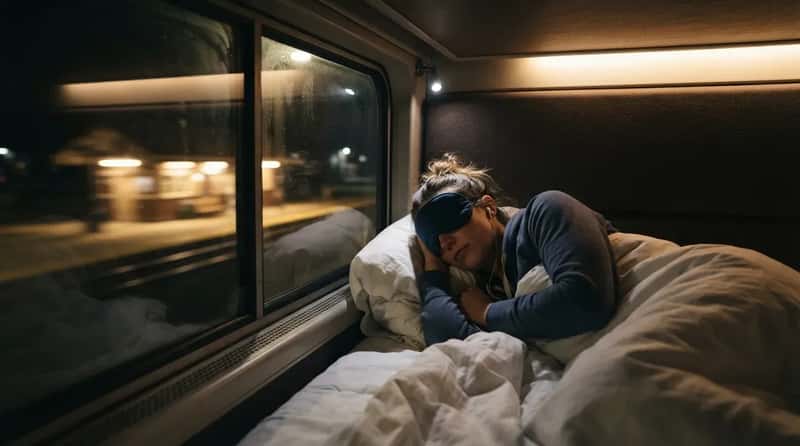
Rhythm is the train’s best sleep aid. The gentle sway and the sound of the tracks can work like a lullaby. Plenty of riders love waking up to a new view outside the window.
The catch is that stops, doors and station lights don’t care about your sleep schedule. Light sleepers may want earplugs because of the noise. One family that rode coach on the Empire Builder noted that eye masks helped with the occasional bright lights at stations.
Roomettes also come with individual climate controls, so you aren’t stuck with whatever temperature the car happens to be. The cheapest upgrade on the whole trip is a sleep mask.
Then there’s the one factor you can’t pack for: the clock…
#5 – Delays Are Part of the Ticket
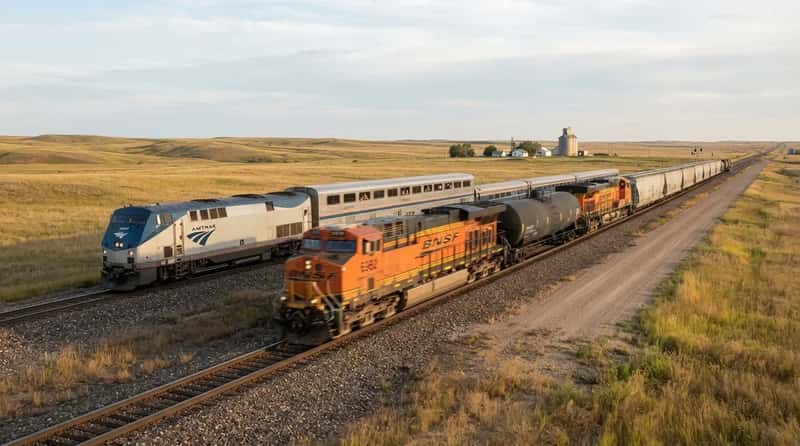
The timetable is a goal, not a guarantee. Delays are common on long-haul routes, because freight trains take priority on certain tracks. The history of the Empire Builder shows how bad it can get. Terrible delays plagued it for much of 2013 and 2014 because of increased freight traffic from the Bakken boom.
Sometimes the cause is less obvious. One Tripadvisor reviewer said their train waited for a crew that needed adequate rest time after being delayed.
The practical advice from a family who rode the same route is simple: set no hard deadlines on either side of your trip. Regulars never book a same-day flight or a tight event after a long-distance arrival. A hotel night at the end is cheap insurance.
And sometimes the problem isn’t timing but a missing car altogether…
#4 – Sometimes the Dining Car Isn’t There at All
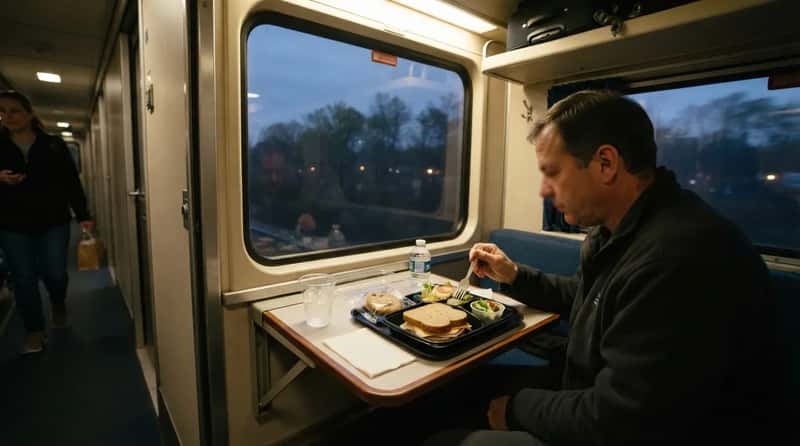
“Meals included” assumes there’s a kitchen on board. That isn’t true on every segment. The Points Guy reported that on one trip, Train 28 had no dining car between Portland and Spokane, so passengers were offered a modified cold dinner the first night. That was one trip, but it shows how route details can change what lands on your tray.
Dining also differs from route to route. One food guide explains that sleeper passengers get one of two types of dining, depending on the route. The meal you picture may not be the meal you get.
Fast Facts
- Train 28 ran without a dining car between Portland and Spokane on one reported trip.
- The fallback that night was a modified cold dinner.
- Sleeper meals come in one of two styles, depending on the route.
- Snacks from home cover the gaps when the schedule shifts.
Regulars check the dining setup for their exact train before they leave. Many also bring a favorite snack, since another traveler advises you bring your favorite item for late-night cravings.
Now for the trick that can send you to the wrong city…
#3 – The Train Can Split in Two Mid-Route, and Half of It Goes Somewhere Else
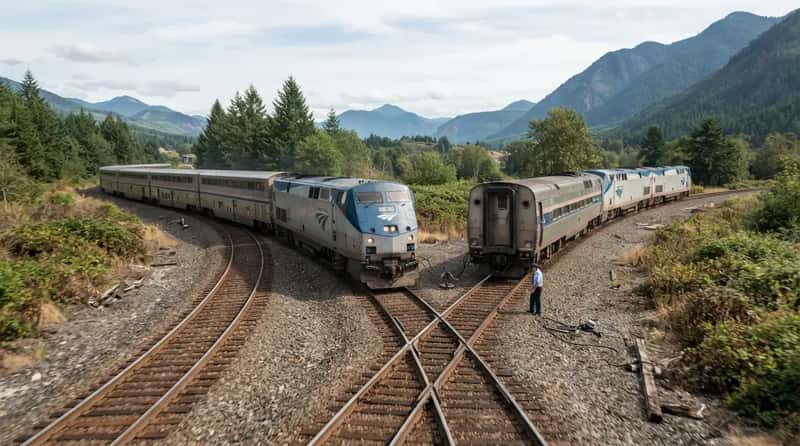
One train can turn into two while you sleep. A Tripadvisor reviewer warned that on the Empire Builder, the train splits in Washington State, with half going to Portland, Oregon and the other half to Seattle. The route has two numbered pairs to match: trains 7 and 8 serve Seattle, and trains 27 and 28 serve Portland.
The same reviewer had a strong opinion: if you have a choice, go to Seattle. Plenty of Portland-bound riders would disagree. Where you want to end up should decide which half you board, not which one is easier to find.
Confirm your car’s final destination with the attendant at boarding. A wrong car is a very long mistake to fix at 3 a.m.
Which brings us to the person who quietly prevents most of these problems…
#2 – Your Attendant Is the Secret Weapon Nobody Mentions
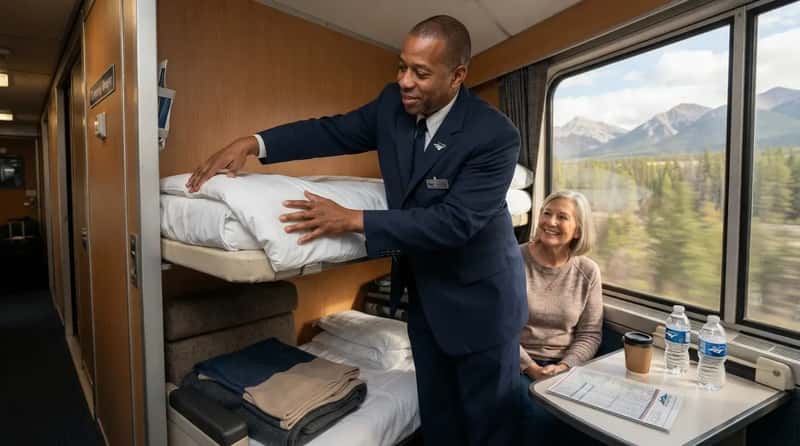
Regulars treat the attendant like a concierge. With a sleeper reservation, your dedicated attendant books meal reservations, makes and takes down your bed, and tells you when your stop is coming up. On one Empire Builder trip, the attendant set up the beds both nights and put them away during breakfast.
Amtrak’s own list also includes turndown, coffee and bedding service, plus bottled water. Your stop announcement can matter more than any gadget.
Why It Stands Out
- One person handles your dinner reservation, so you skip the scramble.
- Your bed is made at night and put away in the morning.
- Coffee, bedding and bottled water come with the sleeper service.
- You get a heads-up before your stop, even if you’re half asleep.
Still, regulars like a backup. One Empire Builder rider found a website called the Intercity Rail Map that tracks Amtrak trains, so she could see upcoming stops and how late the train was. Tips are optional, but regulars tend to give them.
But the biggest question isn’t how to ride. It’s whether you should pay for the bed at all…
#1 – The Sleeper Might Be the Worst Deal on the Train, or the Best
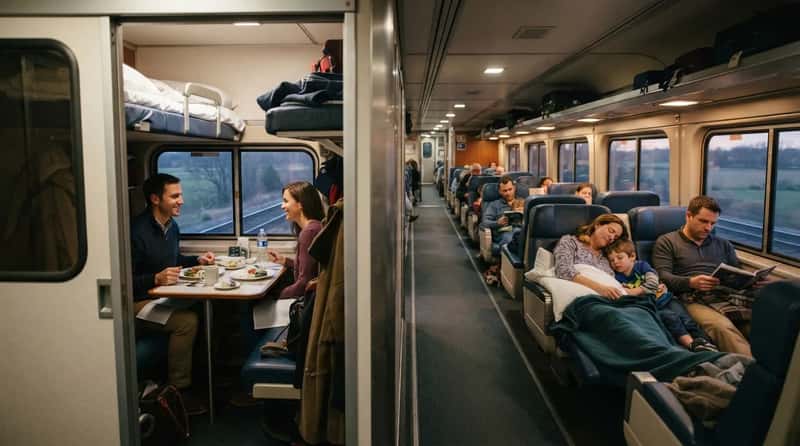
This is the debate that splits regulars. One guide says private rooms cost 3 to 6 times a coach ticket for a solo traveler, and at least twice as much for a couple. Another argues a roomette is often surprisingly cost-effective for two people because meals are included. Both can be true, depending on your dates and your appetite.
Coach has real defenders. One family of six paid $1,380 in coach, or $230 per person after child discounts, on a 24-hour trip. They called the seats surprisingly comfortable for sleeping.
If you do want a room, timing helps. One guide says Amtrak typically releases schedules 11 months in advance, but the same writer saw a lot of empty rooms and roomettes on two trips. Compare both fares before you decide.
An overnight train is a small room, a slow clock and a surprisingly good meal service. Confirm your train has a sleeper, pack light and sort out the bunks before the attendant turns down the beds. Grab a dinner slot early, check which half of the train you’re on, and never schedule anything important right after arrival.
The sleeper is not automatically the better deal, and coach riders and roomette riders both swear they made the right call. So which side are you on: pay for the bed, or save the money and bring a pillow?