Passports are strange things. They are just booklets, yet they decide where you can live, work, and travel without asking permission. In 2026, the gap between the fastest and slowest paths to a second nationality has never been wider, with some governments processing applications in weeks while others make foreigners wait decades, if they ever say yes at all.
The reasons behind that gap vary. Small nations short on cash have opened investment programs that hand out passports almost like memberships, while wealthy or culturally protective states keep their doors nearly shut. Below is a look at both ends of that spectrum, the countries making citizenship simple and the ones that treat it as something close to sacred.
Vanuatu: the speed record for investment citizenship
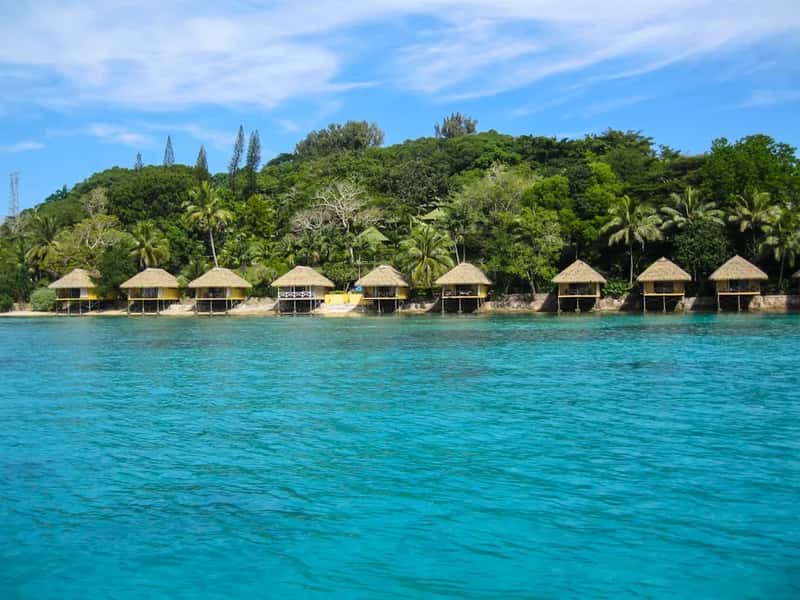
Vanuatu is often cited as one of the fastest and easiest countries to get citizenship, with qualification beginning at approximately $130,000[1]. Applicants and their families can typically receive a passport within one to two months, and the entire process runs remotely without a mandatory relocation. Once approved, investors can travel visa free to 95 countries, including the UK, Singapore, and Hong Kong[2].
That said, Vanuatu’s program has not been without turbulence. The country has faced diplomatic pressure that has affected visa free travel agreements[1]. Even so, it remains one of the go to choices for people who want a second passport without years of waiting.
Nauru: a new contender with remote everything
Nauru has one of the easiest and most affordable paths to second citizenship, allowing applicants to qualify through a government contribution starting at $115,000, or $90,000 if they apply before December 31, 2026[3]. The program stands out for fast and remote processing, since applicants can complete the entire procedure online, and processing takes three to four months[3].
Family members can also be included in a single application, including spouses, children, parents, grandparents, and siblings[3]. A Nauru passport provides visa free or visa on arrival access to 117 countries and territories, including Singapore, Hong Kong, the UAE, and Russia[3]. It is a relatively new entrant in this space, but it has quickly become one of the more talked about options among people shopping for a second nationality.
São Tomé and Príncipe: the world’s cheapest passport
São Tomé and Príncipe, a dual island nation off the west coast of Africa, launched its program in August 2025 and immediately became the world’s cheapest codified citizenship[4]. With processing times of about 45 days at the government stage and an all in cost of around $105,325 for a single applicant, it’s built to be a Plan B passport for people with strong primary nationalities[4].
What makes it particularly appealing is how little friction the process involves. The entire process is 100% online with no visit required, and since an April 2026 amendment, even the national ID can be issued remotely[4]. For a country most people could not point to on a map a few years ago, that is a remarkable jump in global recognition.
Turkey: a real estate route into a powerful passport
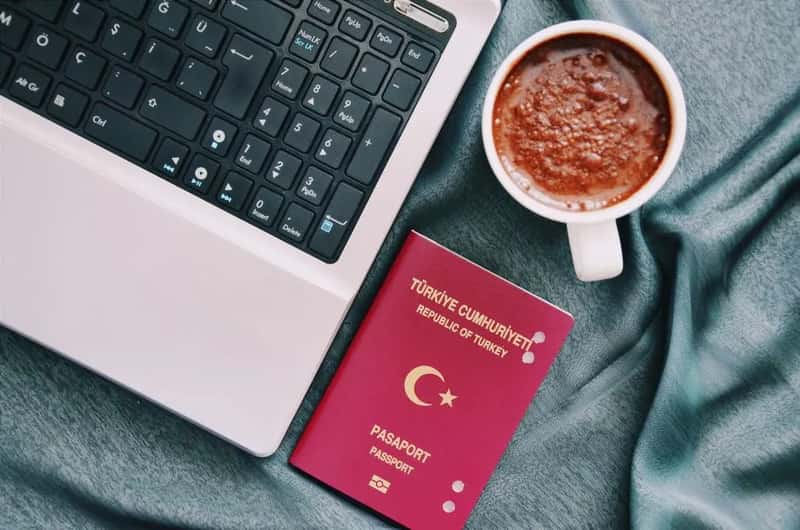
Turkey’s Citizenship by Investment program allows foreign nationals to obtain citizenship through an investment starting at $400,000 in real estate, with other options including a $500,000 bank deposit, government bonds, investment fund shares, fixed capital investment, or creating at least 50 full time jobs[3]. Applications are processed in around six to twelve months, and there are no language tests, education requirements, or long term residency obligations[3].
As of 2026, applicants and their spouses will need to travel to Turkey for biometric verification during the application process, but there is no minimum stay requirement beyond that visit[3]. With a Turkish passport, foreigners have visa free, ETA, or visa on arrival access to more than 136 destinations and become eligible to apply for the US E2 Visa[3]. It is a program that has aged well, staying attractive even as other European options have tightened.
Argentina: fast naturalization without a fortune
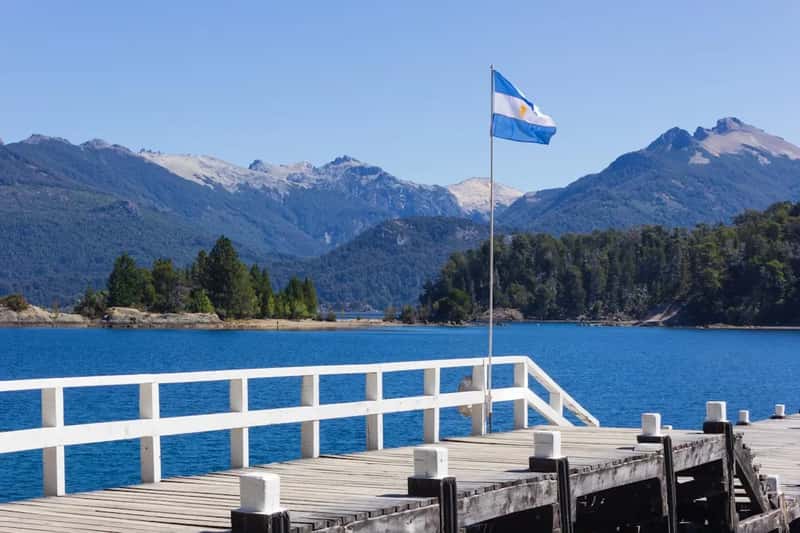
Argentina offers the shortest residency requirement in the world for naturalization, since after living there for just two years on a legal residency permit, which is relatively easy to get via a Rentista or Digital Nomad visa, applicants can apply for citizenship[5]. Applicants must show a basic level of Spanish and a clean criminal record[5], but there is no investment threshold to clear.
Marriage speeds things up even further. Argentina offers the quickest path through marriage, as one can apply the day after the wedding, and applications are typically processed within a few months[6]. In fact, Argentina is generally easiest to obtain citizenship in through naturalization, birth, or marriage[6], which is why it remains one of the most recommended countries for people who want to earn citizenship rather than buy it.
Qatar: a wealthy nation with a nearly closed door

Qatar is often seen as having the most difficult path to citizenship, mainly because long term residents still have almost no pathway to naturalization[7]. Foreigners seeking naturalization must reside in Qatar for at least 25 years, after which the government may still choose to deny approval[8]. Dual citizenship is not allowed, and applicants must renounce their previous nationality[8].
Proficiency in Arabic, proof of strong financial stability, and deep integration into Qatari society are mandatory[8]. In many cases, applicants must convert to Islam[8], and only a limited number of naturalizations occur each year[8]. For most foreign workers living in Qatar, citizenship simply is not a realistic goal, no matter how long they stay.
Switzerland and Austria: Europe’s long road to belonging
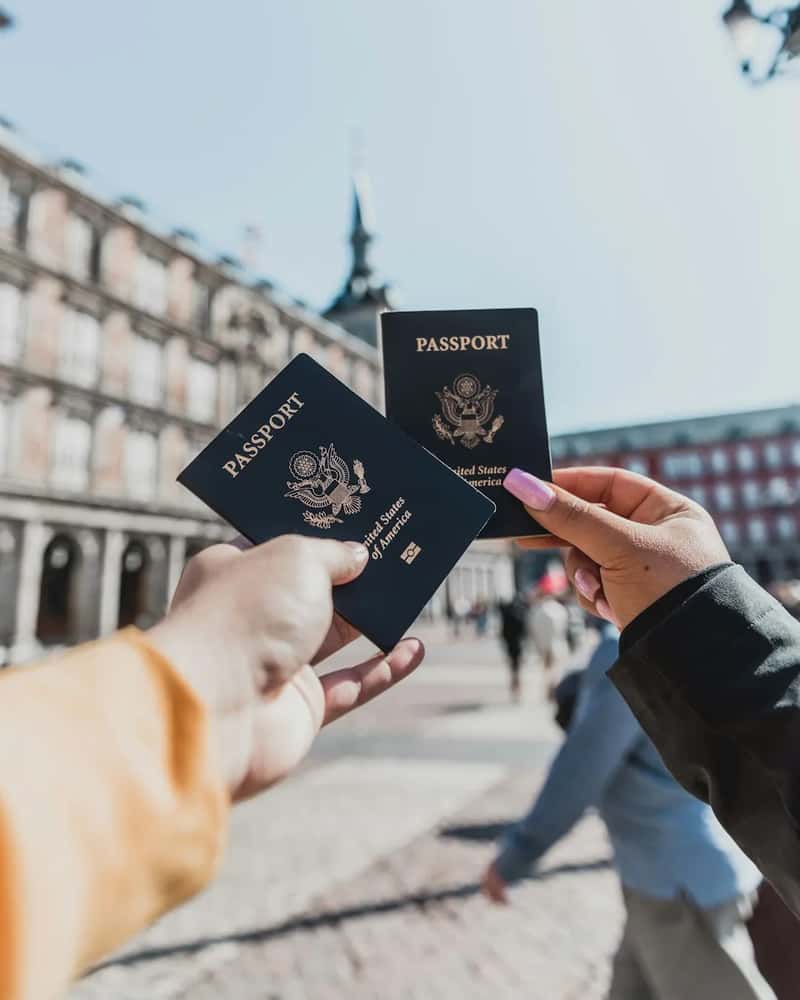
Switzerland complicates naturalization by design rather than by a single strict rule. The citizenship by naturalization process involves three approval stages, confederation, canton, and commune, and individual cantons and communes can set their own requirements for the process, making it even more challenging[9]. That layered system means the experience can differ enormously depending on where in the country an applicant lives.
Austria takes a different but equally demanding approach. It has one of the EU’s longest timelines to citizenship, requiring unbroken residency in the country for a minimum of 10 years before applying for naturalization[9]. Applicants must also sign a binding agreement to learn German to the required B2 standard, though reaching that level quickly can reduce the timeline to just six years of residency[9].
Liechtenstein: three decades to belong

Liechtenstein is one of the hardest countries to get citizenship, even after long term residence[7]. As one of the smallest and wealthiest countries in Europe, its citizenship requirements are some of the most stringent in the world[7]. Applicants must have lived in Liechtenstein for at least 30 years, prove they are financially stable and integrated into the community, and pass a language test[7].
Few countries anywhere ask for three decades of residency before even considering an application. It reflects a small nation’s determination to keep its population and identity tightly controlled, even as it remains one of the wealthiest places per capita on the continent.
Bhutan: citizenship tied closely to heritage

Bhutan keeps its citizenship rules strict to protect culture, making it one of the most difficult places to gain citizenship[7]. Citizenship can generally be acquired only after at least 20 years of residence, and applicants must have no criminal record while being proficient in the Dzongkha language and Bhutanese customs and history[2].
The rules go further when it comes to children. The Bhutan Citizenship Act requires both parents of a child to hold Bhutanese citizenship for that child to receive it, while those living with just one Bhutanese parent can apply for nationality within 15 years[9]. It is a system built around preserving a distinct cultural identity, sometimes at the cost of flexibility for mixed families.
Kuwait: Arab roots and religious expectations
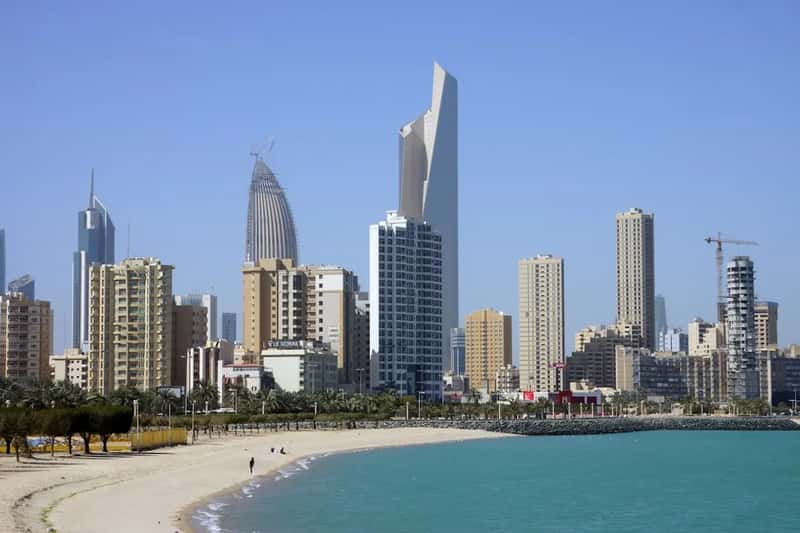
Kuwait is widely considered one of the hardest countries to get citizenship, especially for long term residents[7]. Citizens of any other Arab country can get naturalized after 15 years of residence, while others will need no less than 20[2].
All applicants must be fluent in Arabic, have a sustainable income, and be of good character with a clean criminal record[2]. Being Muslim is necessary, with at least five years of practice required if the applicant converted[2]. Given the size of Kuwait’s expatriate workforce, these barriers mean citizenship stays permanently out of reach for the vast majority of people who spend their working lives there.
The bottom line

The distance between these two groups of countries says something about how differently nations think about belonging. Some see citizenship as a transaction, a way to attract capital in exchange for a passport delivered in months. Others treat it as something closer to inheritance, guarded by decades of residency, language tests, and cultural expectations that few outsiders ever fully meet.
Neither approach is right or wrong on its own. It just depends on what a country is trying to protect, and what an applicant is actually looking for.