


Brazil remains one of the most rewarding destinations on the planet, a country of samba rhythms, endless coastline, and rainforest that stretches beyond the horizon. Yet 2026 has brought real changes to how travelers enter, move through, and budget for a Brazilian holiday. From a reinstated visa system to shifting currency values and new local taxes, this is not quite the same Brazil that backpackers wandered into a few years ago. Here is what you actually need to know before you book that flight.
The New e-Visa Reality for Many Nationalities
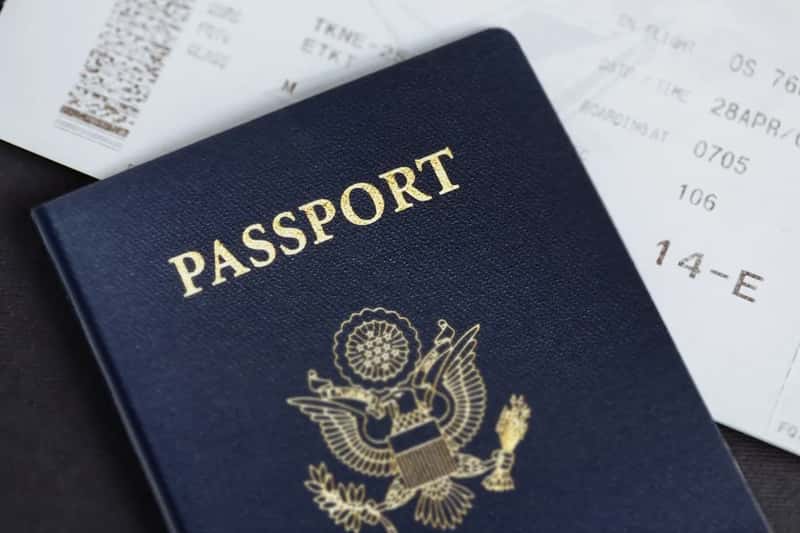
The single biggest shift affecting travelers this year is the return of mandatory visas for a long list of countries that used to enjoy visa-free entry. As of 10 April 2025, all US, Canadian, and Australian passport holders need an e-Visa to enter Brazil for tourism, business, transit, or short visits. After a year of postponements, the rule went live on 10 April 2025, and the supporting VFSeVisa e-Visa platform was fully activated in early 2026. Since January 2026, the requirement has expanded further, and the definitive return of mandatory electronic visas now applies to nationals of the United States, Canada, Australia, Mexico, France, Argentina and a long list of other countries that were previously visa-exempt.
The practical side is manageable if you plan ahead. The official application fee is US$80.90 per applicant, paid online by card during the application, and most approvals are issued within 48 to 72 hours. Validity differs by passport: for US citizens, the e-Visa is valid for 10 years with multiple entries, while for Canadian and Australian citizens it is valid for 5 years with multiple entries, with each individual stay capped at 90 days and total time in Brazil limited to 180 days within any 12-month period. Do not leave this until the last minute, since from early 2026 the e-Visa is fully integrated with airline departure-control systems, and boarding passes will not be issued to eligible nationals without a valid e-Visa code on file. On the flip side, plenty of nationalities are unaffected. British citizens, EU nationals except France, and most Latin American passport holders remain visa-free for short visits.
Understanding Brazil’s Safety Landscape
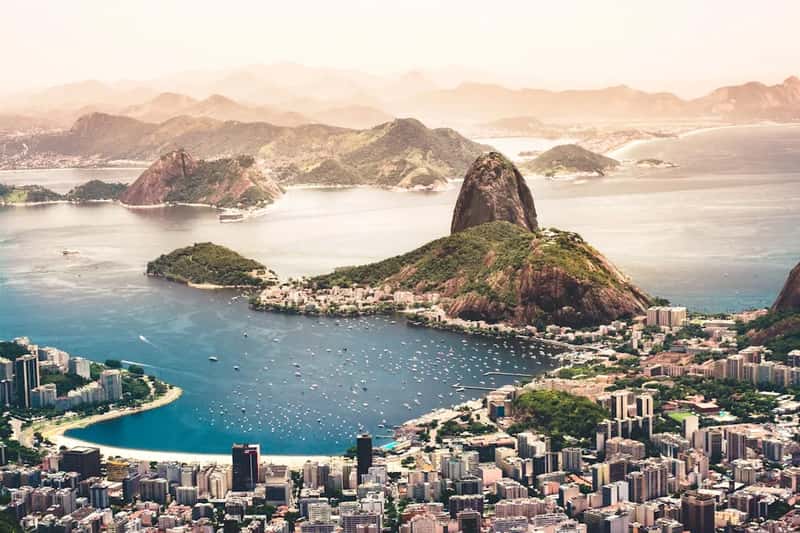
Brazil deserves an honest conversation about safety rather than either panic or false reassurance. The Brazil travel advisory from the US State Department currently sits at Level 2, Exercise Increased Caution, with a kidnapping risk indicator specifically added, and Canada joined the same caution tier on January 26, 2026. That does not mean the whole country is dangerous. It means certain zones warrant real avoidance while the rest calls for the same street smarts you would use in any large city.
Specific no-go areas are clearly defined by governments. Travelers are advised to avoid all favelas anywhere in the country at any time, international border zones within 160 kilometers of land borders, and Brasília’s Satellite Cities at night, all of which carry Level 4 Do Not Travel designations. There is some encouraging news too. Rio’s own numbers show real progress, since violent crime in Rio de Janeiro dropped 4% in 2025, marking the city’s third consecutive year of security improvements according to municipal police statistics. Popular tourist neighborhoods have benefited most, as the South Zone districts of Copacabana, Ipanema and Leblon benefit from enhanced police presence and community vigilance programmes.
Health Precautions Worth Taking Seriously

Yellow fever remains the most talked-about health issue for Brazil-bound travelers, and the rules are more nuanced than many assume. Officially, the yellow fever vaccine is not required for entry to Brazil. However, health authorities strongly encourage it anyway, since all travelers, even those on a typical 1- to 2-day itinerary, should be vaccinated against yellow fever. Coverage varies by region too: yellow fever vaccination is recommended for all regions except Fortaleza and Recife. Timing matters as well, because to be effective, the yellow fever vaccine must be administered 10 days prior to travel.
Yellow fever is not the only concern on the checklist. Health authorities also flag typhoid fever as a life-threatening disease that poses a substantial threat to travelers going to Brazil, with 4,955 suspected cases and 1,127 confirmed cases during 2010 to 2019, mainly in the Northern Region. Mosquito-borne illness deserves attention beyond yellow fever too, given that Brazil has the most chikungunya cases of any region globally. If your itinerary includes onward travel, double-check entry rules elsewhere, since other countries including Colombia, French Guiana, Suriname, Guyana, Bolivia, and Paraguay require travelers with recent entries into Brazil to show proof of vaccination for yellow fever and other diseases.
Money, Currency, and the Cost of Your Trip

The Brazilian real has had a genuinely volatile year, which affects how far your money stretches. As of late July 2026, the USD/BRL exchange rate fell to 5.0851 on July 24, 2026, down 0.29% from the previous session, with the Brazilian real having strengthened 2.10% over the past month and up 8.62% over the last 12 months. Trade tensions have added another layer of uncertainty, since the Brazilian real weakened slightly to 5.09 per USD in mid-July from 5.07 earlier in the month after the US announced a new 25% tariff on Brazilian imports, effective July 22nd. A stronger real compared to prior years means your dollars, pounds, or euros simply buy less than they used to.
Beyond the exchange rate, new fees are stacking up on top of the visa costs. Coastal destinations have started charging their own levies, as Angra dos Reis and Ilha Grande have approved a sustainable tourism fee of up to R$95 per visit, while Rio de Janeiro is considering re-activating a dormant hotel-bed tax in time for Carnival 2026. Broader tax reforms are part of the picture as well, with new regulations including required e-Visas, tax reforms, and municipal tourism taxes intended to increase revenue and manage tourism rolling out across the country this year. Budget a bit more cushion than you might have in past trips.
Timing Your Visit Around Carnival and Seasons

If Carnival is on your bucket list, mark your calendar carefully, because dates shift every year with the Christian calendar. The Rio de Janeiro Carnival 2026 dates run from Friday, February 13 through Saturday, February 21, 2026. The main competitive parades are concentrated in a shorter window within that stretch, with Access Group parades for smaller schools on February 13 to 14, Special Group parades as the main competition nights on February 15 to 16, and the Champions’ Parade with the top schools on February 21. Beyond the ticketed Sambadrome, the city comes alive through free street parties, since Carnival in Rio de Janeiro extends beyond the Sambadrome through over 500 free street blocos, neighborhood parties featuring live bands, dancing, and authentic Carioca culture.
Carnival season brings its own safety considerations that are worth planning around rather than ignoring. Carnival is Brazil’s highest-risk period for crime targeting visitors, with pickpocketing, phone theft, express kidnapping, and drug-facilitated robbery all surging during the festival. Sensible precautions go a long way here, and experts suggest travelers leave valuables at the hotel safe, carry minimal cash in a money belt, avoid bringing a primary phone to street events, travel in groups, and use hotel-based events with controlled access for a safer experience. If Carnival crowds are not your thing, Brazil’s shoulder seasons of April through June and September through November tend to offer milder weather and thinner crowds across most regions.
Getting Around a Country the Size of a Continent
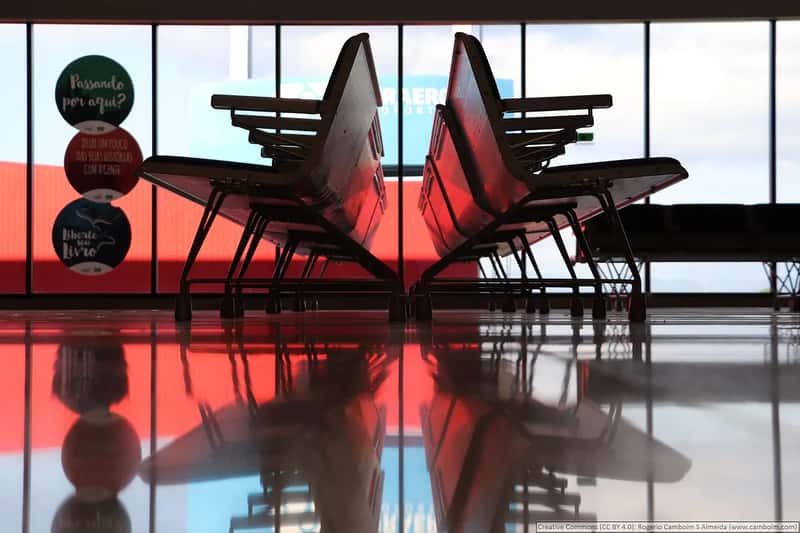
Brazil is genuinely enormous, larger than the continental United States excluding Alaska, so internal flights often make more sense than long-distance buses once you are moving between regions like Rio, the Amazon, and Iguazu Falls. Domestic air travel connects major hubs efficiently, though prices have crept up alongside the currency shifts and new tax measures affecting the broader tourism sector this year.
Within cities, official guidance leans firmly toward app-based transport over hailing cars on the street, particularly during crowded events. Security-focused travel resources recommend travelers order official ride-hailing or taxi apps at night instead of hailing cars on the street. This single habit, more than almost anything else, tends to reduce the petty theft and scam risks that dominate most negative travel experiences in Brazilian cities.
Where to Focus Your Itinerary
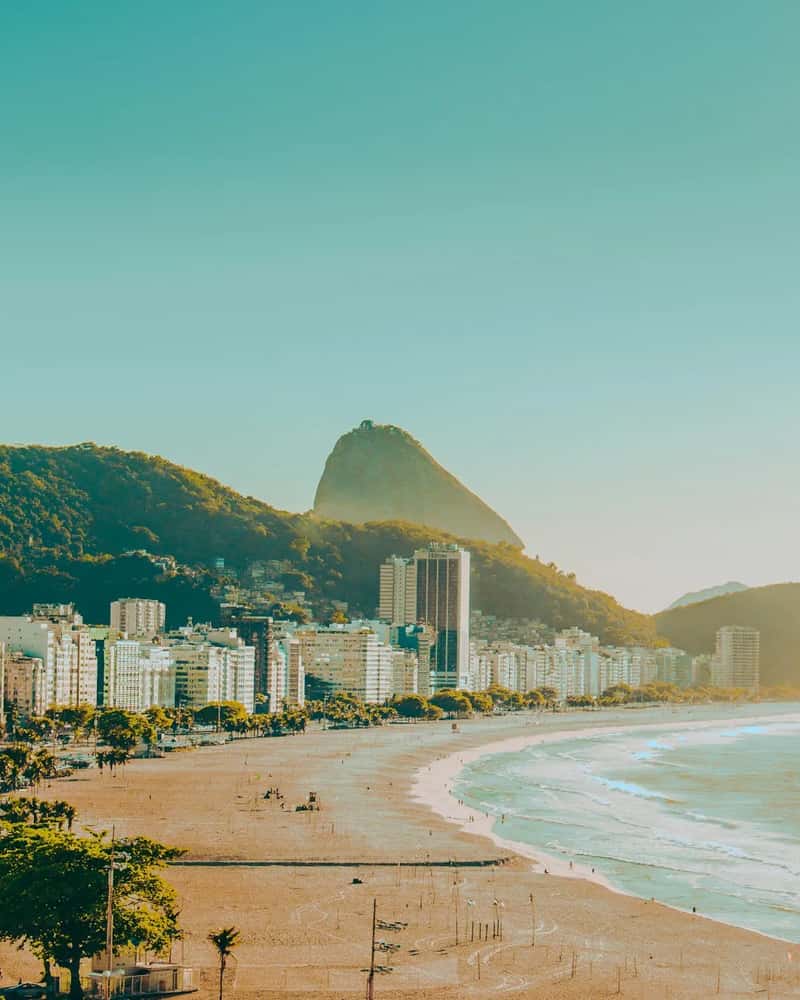
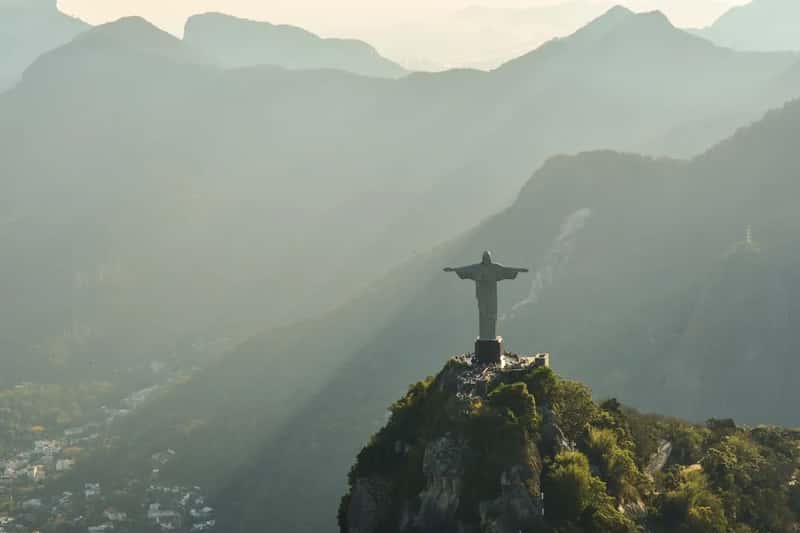
Despite safety headlines, Brazil’s tourist corridors remain busy and welcoming. Recent figures show the industry is still thriving, with tourist infrastructure in major cities continuing to operate normally, and 2.8 million international visitors recorded in the first quarter of 2026 according to the Brazilian Ministry of Tourism. Rio de Janeiro’s beaches, Sugarloaf Mountain, and Christ the Redeemer remain the obvious anchors for a first trip, while the Amazon basin and the thunderous Iguazu Falls draw travelers chasing something wilder.
Border regions require a bit more caution when planning excursions to natural wonders. The good news is that popular parks remain accessible even within restricted zones, since travel to Foz do Iguacu National Park and Pantanal National Park is still permitted within these zones despite border-area advisories. Salvador and the northeast coast round out a well-balanced trip for travelers wanting Afro-Brazilian culture and history alongside beach time.
Vaccinations and Everyday Health Habits
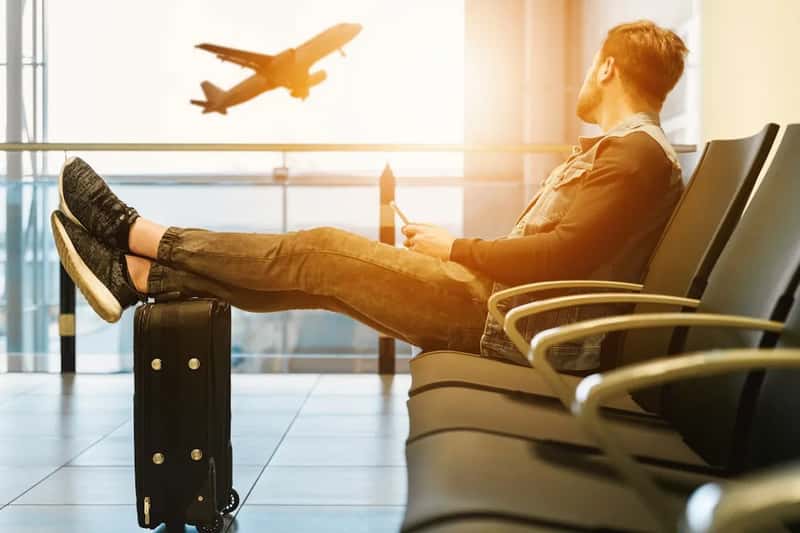
Beyond yellow fever, a broader vaccination checklist is worth reviewing with a travel clinic before departure. Recommended shots for most visitors include typhoid, hepatitis A, polio, and yellow fever, alongside routine boosters. Seasonal timing matters for at least one of them, since influenza vaccination is recommended for Brazil’s peak season, which runs from April to June.
Food and water safety deserve attention too, especially outside major hotels and resorts. Health guidance notes that while it is generally safe to eat meat and eggs in Brazil, some restaurants and small vendors may not consistently adhere to sanitary regulations, so travelers who are uncertain should request well-cooked poultry or meat dishes. Travel insurance with medical evacuation coverage is strongly worth arranging before you leave home, given the size of the country and the distance between major hospitals in more remote regions.
Bringing It All Together
Brazil in 2026 asks a little more of its visitors than it once did, from new visa paperwork to a currency that has swung meaningfully over the past year. None of that diminishes what makes the country worth visiting: the beaches, the music, the rainforest, the sheer scale of a place that refuses to be summarized in a single postcard. Preparation is simply the price of admission now.
Travelers who apply for their e-Visa early, respect the safety guidance around favelas and border zones, get their yellow fever shot with time to spare, and budget for the new taxes will find the trip runs smoothly. Brazil has not changed its character, only its paperwork. Go in informed, and the country will still deliver the kind of trip you tell stories about for years.


