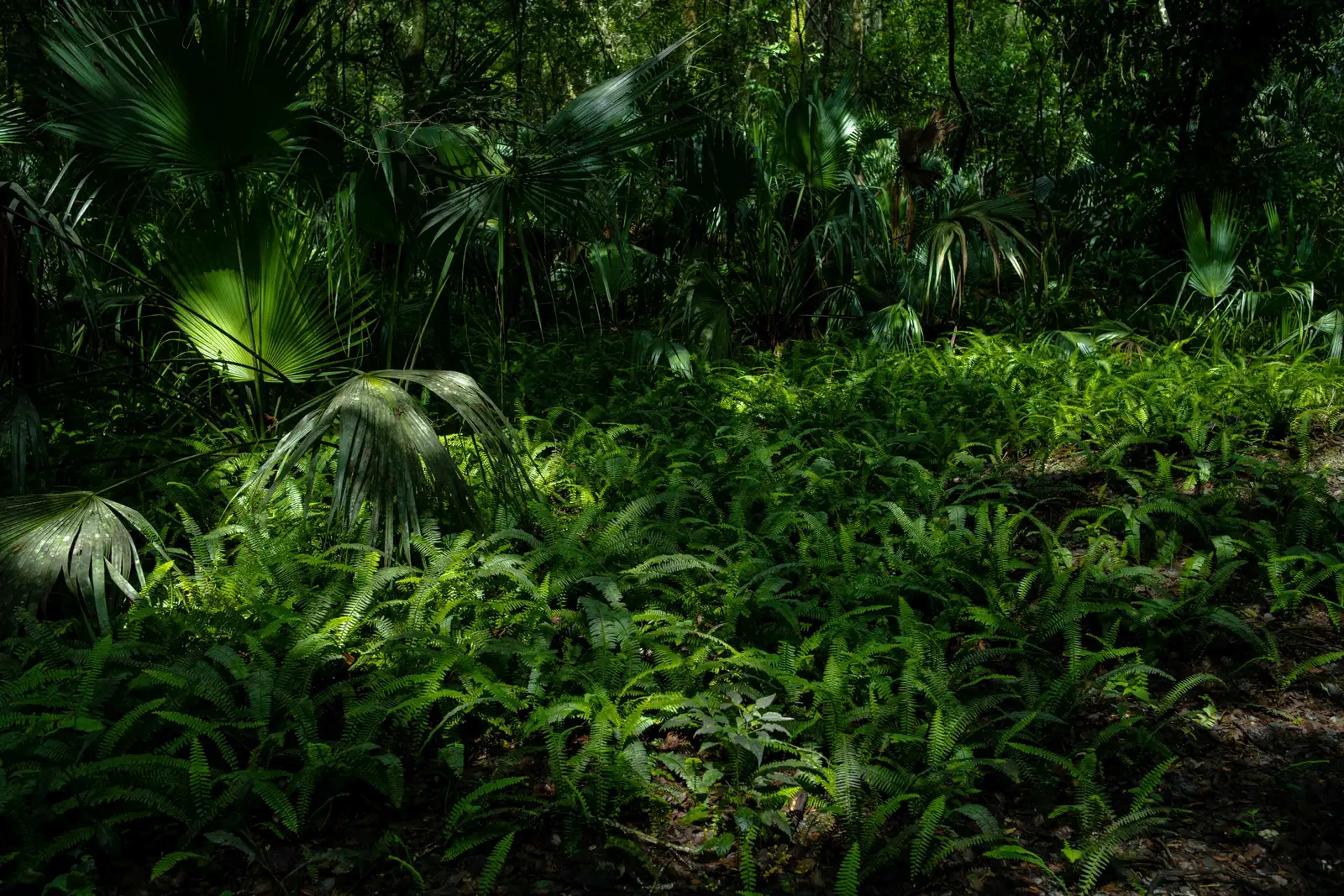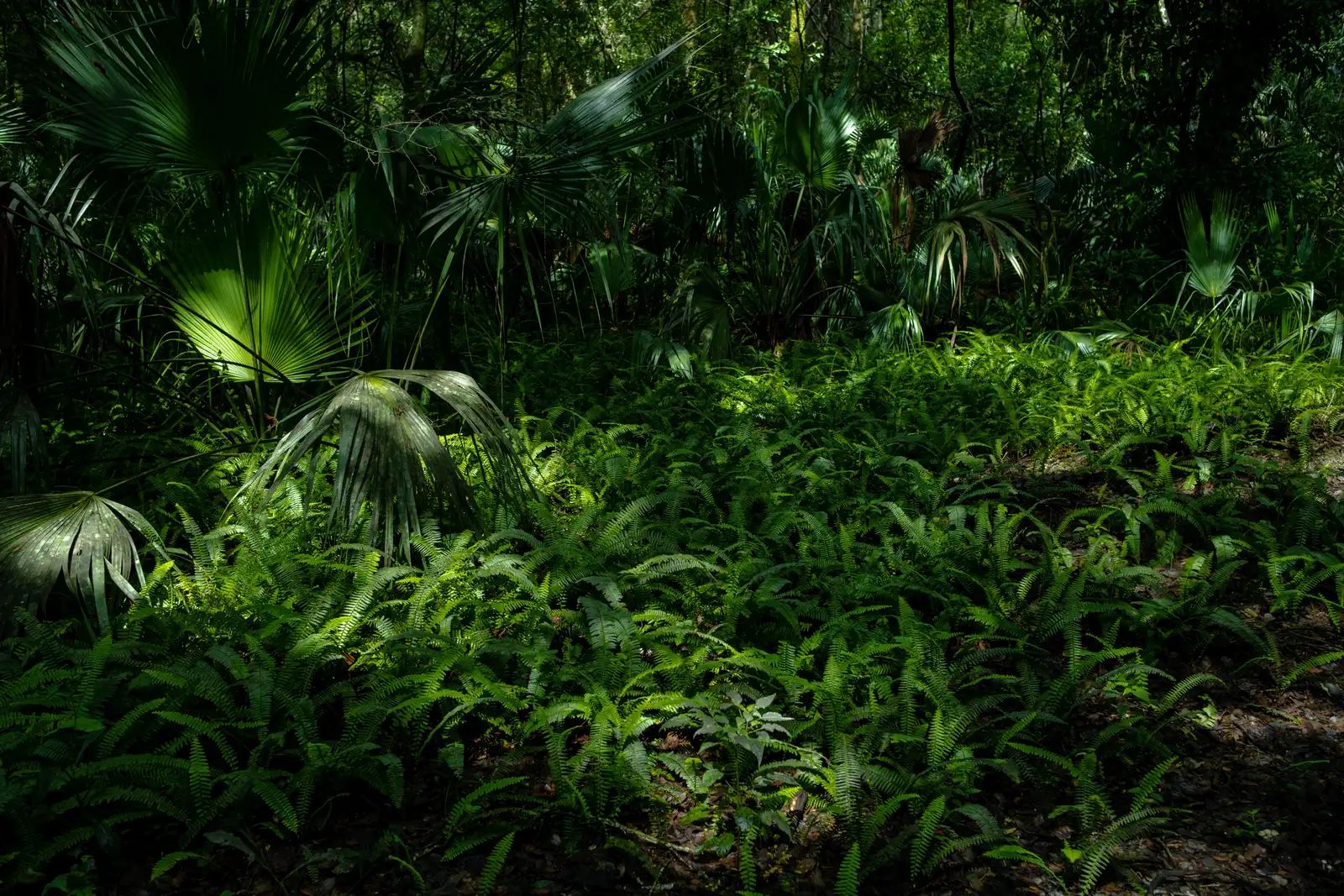
Florida continues to balance rapid population growth and development with pockets of remarkable biodiversity, and few places illustrate that tension more sharply than Fakahatchee Strand Preserve State Park. The preserve sits in the southern part of the state, tucked above the Ten Thousand Islands section of Everglades National Park and beside Big Cypress National Preserve. Its reputation as perhaps the wildest spot east of the Mississippi River has endured for decades, even as surrounding areas have changed dramatically. ([1])
A Reputation Forged in Mud and Darkness
The description of Fakahatchee as the wildest place east of the Mississippi first caught attention in the late 1980s among those seeking remote adventure. The park demands physical effort from visitors, with wading through water often replacing dry trails. Its environment mixes dense vegetation, abundant reptiles and amphibians, and iconic species that include black bears, Florida panthers, alligators, and crocodiles. Explorers who returned repeatedly described the evening soundscape as a powerful mix of frogs, insects, and birds. One observer later named the chorus the Fakahatchee Jam, capturing the intensity of the natural symphony. The setting stands in contrast to the developed corridors that now dominate much of southern Florida.
Wildlife Encounters That Demand Caution
Early trips into the preserve often began with sightings that set the tone for the entire visit. A Florida black bear appeared on one of the first outings, while panther tracks showed clearly in the soft mud along old tram roads. Snakes appeared regularly, including large rattlesnakes and thick-bodied water moccasins resting on partially submerged logs. Navigation required constant attention to footing. Waist-deep water hid potential hazards, and the group moved slowly, hoping any rounded shapes beneath the surface belonged to logs rather than alligators. The distance to medical help added another layer of risk in an era before widespread cell coverage.
Nature’s Power on Full Display
One memorable evening hike turned into a lesson in the preserve’s scale and unpredictability. After losing track of time on a prairie trail, three hikers headed back with only a single weak flashlight. An elongated shape ahead initially appeared to be a downed tree, yet it soon rose on four legs and slid silently into the water. The same group had favored a remote campsite on Comer Key in the Ten Thousand Islands. After Hurricane Andrew passed through in 1992, the island had vanished entirely when they returned months later. The event underscored how quickly natural forces can reshape even familiar landscapes.
Accessing the Preserve Today
Travelers can reach Fakahatchee Strand Preserve State Park by following Interstate 75 south, then turning east onto the Tamiami Trail. After passing Naples, the route continues to State Road 29 north toward Copeland, where the park entrance lies. Conditions remain demanding, though modern visitors benefit from improved awareness and equipment compared with earlier decades. The preserve continues to offer opportunities for those willing to accept its challenges. Its location near major population centers makes it accessible, yet the interior retains the remote character that first earned its reputation. Many who visit leave with a renewed sense of the raw landscapes that still exist within Florida’s borders.