Four people, thirty days, $400. That works out to about one hundred dollars per person for the month, or a little over three dollars a day each. In the United States, the USDA’s thrifty food plan for a family of four runs about $1,024 a month[1], so this budget looks out of reach at first glance.
Some countries still get surprisingly close, as long as you shop at local markets and cook at home. The figures below come from 2025 and 2026 cost indexes and price datasets. They describe groceries only, not restaurants, rent or flights, and a few of the numbers are rough, which I flag as I go.
Egypt: Groceries at Under a Third of US Prices

Egypt posts one of the lowest grocery readings on Numbeo’s 2026 mid year ranking. Its Groceries Index sits at 22.5[2], while the United States comes in at 76.4[3]. In plain terms, a shopping basket costs well under a third of what it does back home.
A separate dataset prices a basic monthly basket of milk, eggs, chicken and rice at about $27 per person[4]. One estimate puts a single person’s moderate food spending at about $110 a month[5]. A family aiming for $400 would need to be thriftier than that moderate tier, which means leaning on bread, rice, beans and seasonal produce.
India: Markets and Street Stalls Do the Heavy Lifting
India’s grocery index was also 22.5 in Numbeo’s 2025 ranking[6], matching Egypt at the bottom of the scale. The staple basket dataset lists India at $28 per person per month, with rice at $1.61 a kilogram[4]. These are national averages, so prices in the biggest cities will run higher.
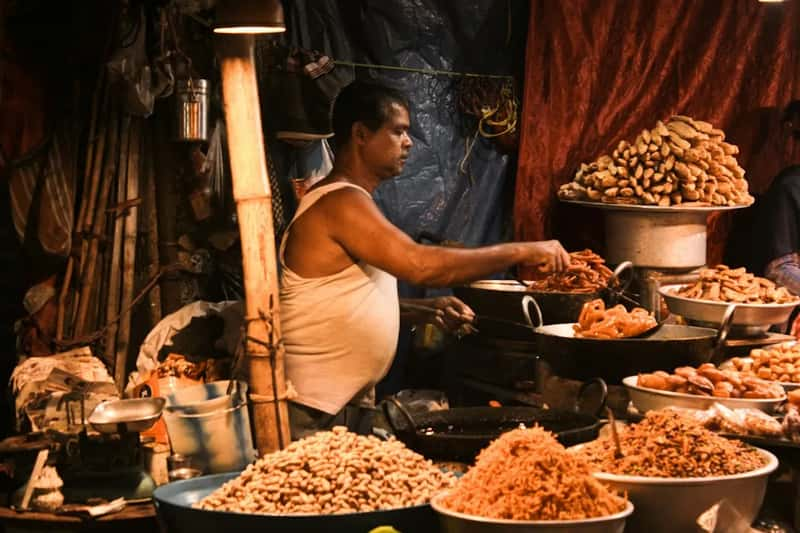
Neighborhood vegetable markets matter here. One roundup notes that street food stalls and neighborhood vegetable markets undercut supermarket chains even further[7]. Families who buy produce from local vendors instead of chain stores will find the $400 target far easier to hit.
Nepal: The Lowest Budget on Most Shortlists
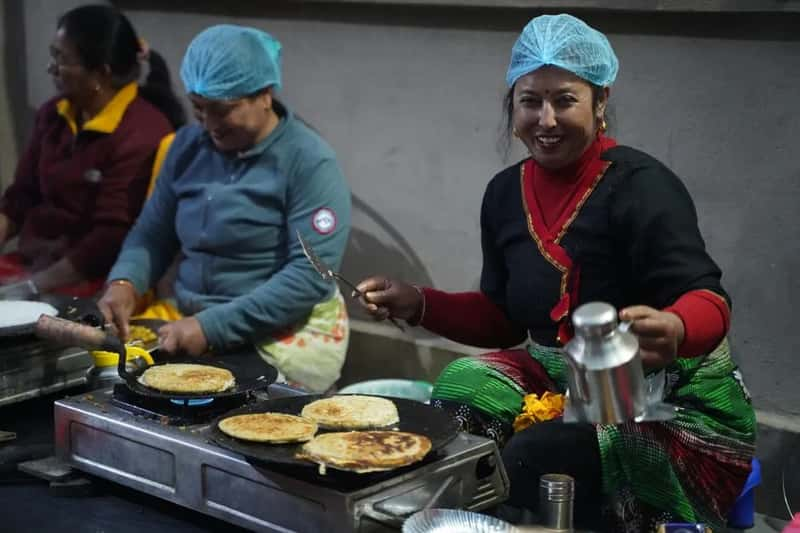
Nepal tops one 2026 comparison of the cheapest places to live, with a single person budget of $600 a month[8]. The same guide estimates that a full month of groceries for one person costs $60 to $100[8]. It also lists street food meals at $1 to $2[8].
Multiply that range by four and you get $240 to $400, right at the edge of the budget. A larger household isn’t always a straight multiple of one person[1], since people share staples like rice and lentils. Still, treat Nepal as a plausible fit rather than a guarantee, especially for families who want imported snacks or cheese.
Indonesia: Rice and Eggs Keep the Basket Light

Indonesia ranks third on a 69 country comparison of staple baskets, at about $25 per person per month[4]. The underlying prices show why: rice at $0.87 a kilogram, eggs at $1.83 a dozen and chicken at $3.08 a kilogram[4]. Those are the building blocks of a very ordinary family dinner.
Be careful with this number. The dataset prices only four staple items: milk, eggs, chicken and rice[4], so it isn’t a complete diet. Add vegetables, fruit, cooking oil and the occasional treat, and the real figure rises. Four people could still plausibly stay near $400 with disciplined market shopping.
Thailand: Cheap Staples, Pricier Tourist Zones

Thailand’s staple basket comes to about $30 per person per month, with rice at $1.08 a kilogram[4]. That makes it one of the more affordable countries for self catered family meals. Local markets and neighborhood vendors are the reason the numbers stay low.
Where you stay changes the picture. Numbeo’s city level figures put Bangkok at 45.5 and Phuket at 42.9[9], well above Egypt’s national reading of 22.5. Families who base themselves in the busiest tourist areas and shop at import friendly supermarkets should expect to overshoot $400.
Morocco: North Africa’s Affordable Markets
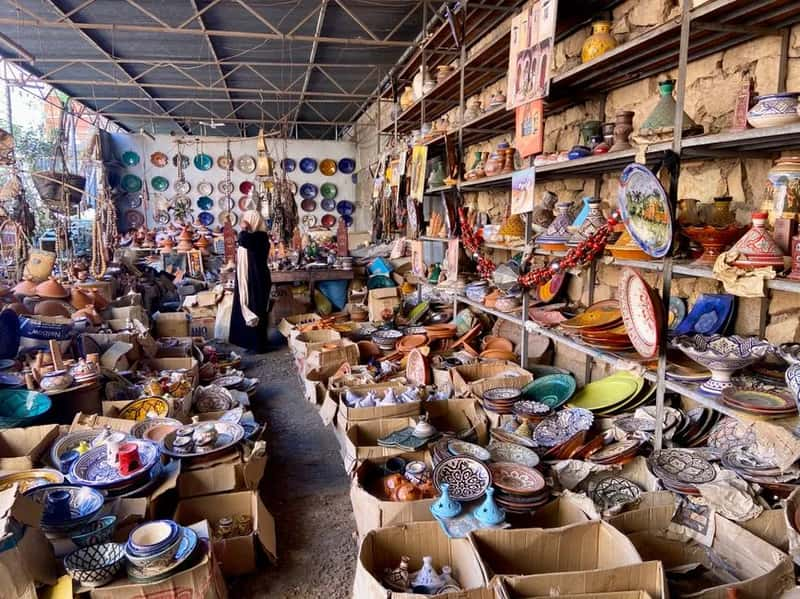
On Numbeo’s 2026 mid year ranking, Morocco scores 33.6 on groceries[2]. That’s less than half the United States figure and well below Mexico’s 49.6[10]. Its neighbors are in a similar range, with Tunisia at 35.3 and Algeria at 36.8[2].
Morocco sits at the middle of the group in this list, not the bottom. Reaching $400 for four takes a market first approach built around bread, vegetables, legumes and eggs. Families who rely on packaged or imported goods will see the total climb quickly.
North Macedonia: Budget Europe, With Caveats
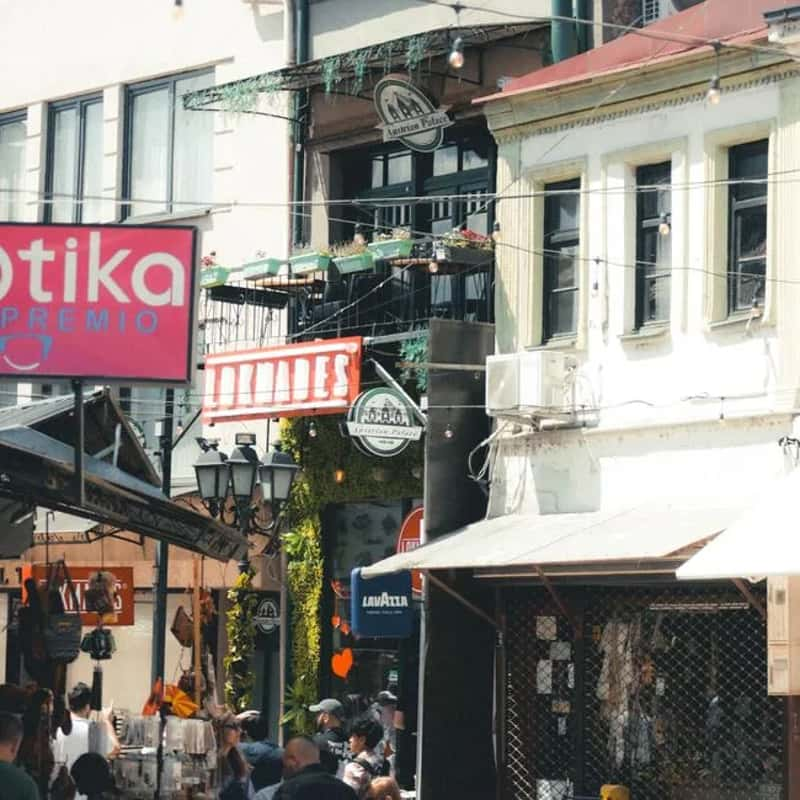
North Macedonia is one of the cheapest places in Europe for groceries. Its index is 34.6, compared with 51.7 for Greece and 63.8 for Italy[11]. Families who want European scenery without Western European supermarket prices will notice the difference.
Keep expectations realistic, though. According to Numbeo’s 2026 data, a family of four spends around €1,790 a month excluding rent[12], so the $400 figure only works for groceries. It also assumes you cook most meals instead of eating at restaurants.
Moldova: Europe’s Cheapest Grocery Bill
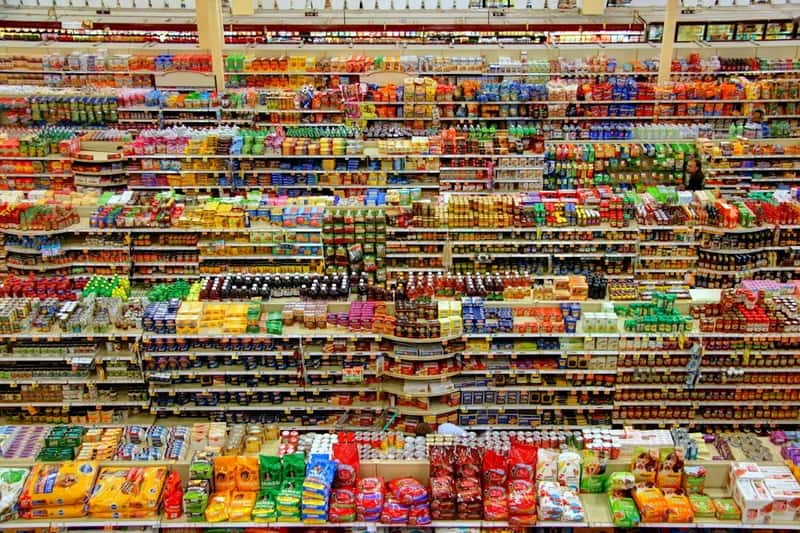
Moldova’s groceries index is 33.1 on Numbeo’s 2026 mid year ranking[11]. One guide calls it the cheapest European country to live in[12]. For context, Moldova’s reading is less than half that of the United States.
Overall costs are still well above $400 for a family. A single person spends around €545 per month excluding rent, and a family of four approximately €1,860[12]. Treat the country as a strong grocery bargain, and check your government’s current travel advisory before you book.
What Makes the $400 Budget Work
The $400 figure only holds up if groceries are the whole target. Flights, lodging, transport and restaurant meals sit outside it. For comparison, the global average cost of a healthy diet was $4.46 per person per day in 2024[13], measured in purchasing power parity dollars, so a $400 family budget is tight even in the cheapest places.
In practice, success depends on cooking at home, buying seasonal produce at local markets, and building meals around rice, bread, eggs and legumes. Egypt, India and Nepal offer the most room on the numbers. Indonesia, Thailand, Morocco, North Macedonia and Moldova are realistic if you stay disciplined.