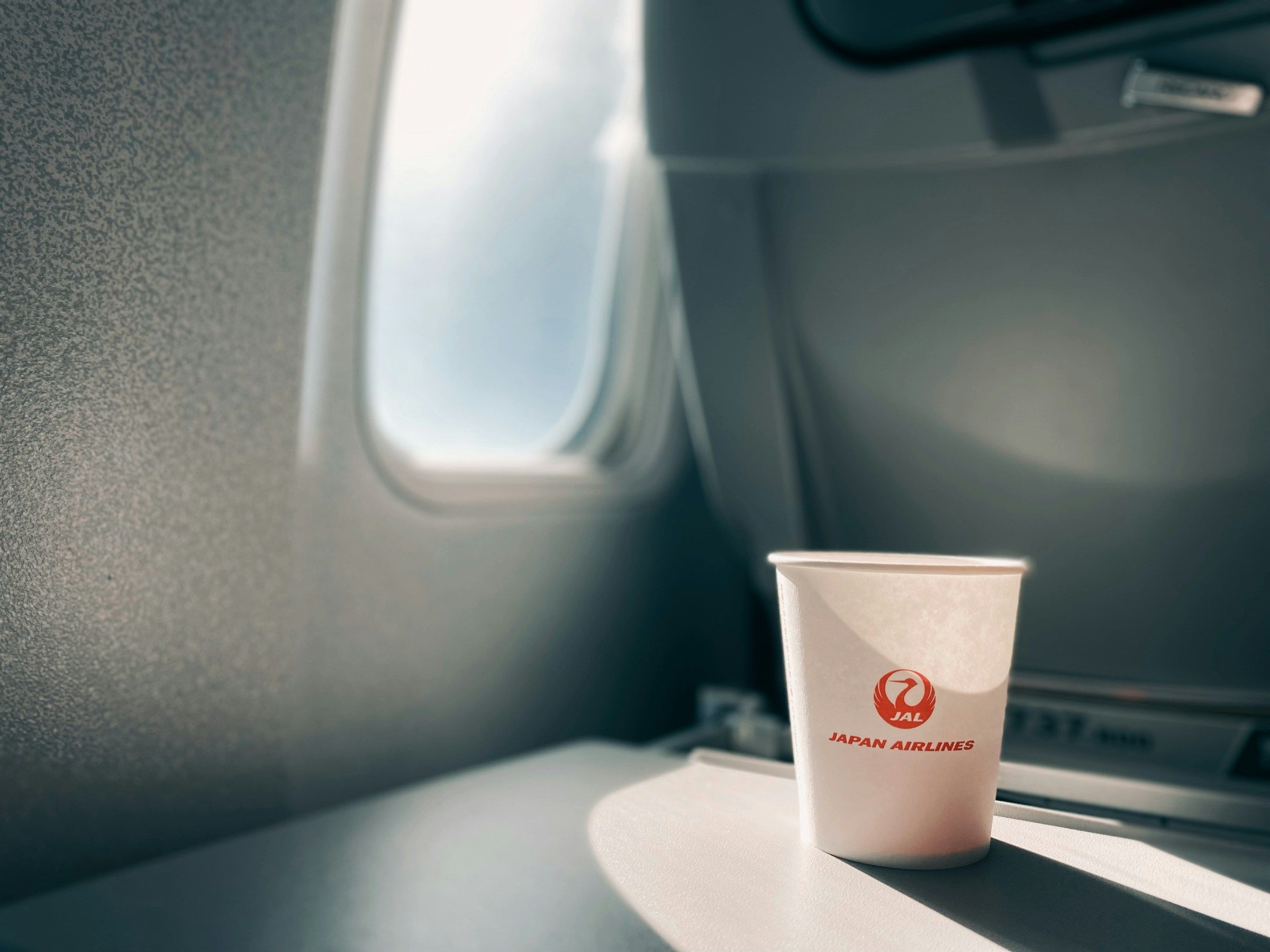
Cabin crew spend the whole flight pouring coffee and tea for other people. Many of them say they won’t drink it themselves.
That habit has circulated among flight attendants for years, and it has been repeated in travel media again and again. The explanation has little to do with the beans or the brewing. It comes down to what happens before the water ever reaches the pot, and to what caffeine does to your body at cruising altitude.
Why Crews Quietly Skip the Galley Coffee
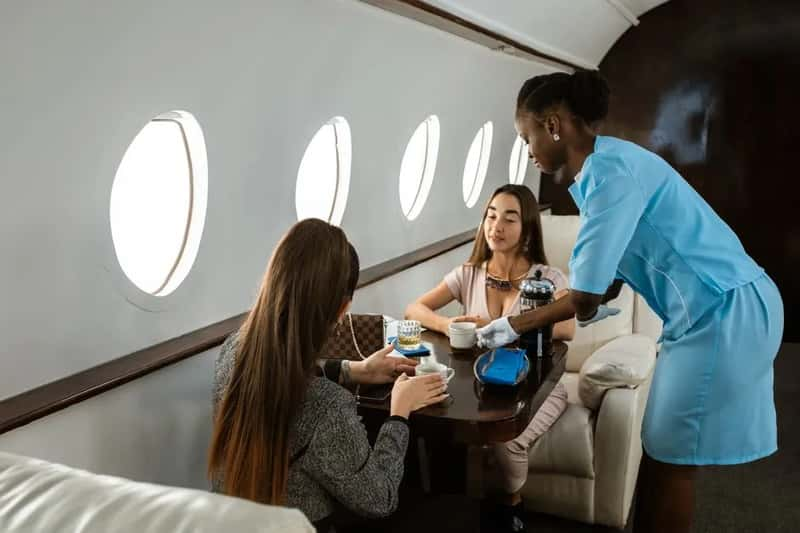
Several current and former flight attendants have told reporters that they avoid hot drinks made onboard. One former international flight attendant said she never consumed hot beverages made onboard, and neither did most of her colleagues.[1] A former Emirates flight attendant said crew were taught that the water tanks aren’t cleaned as often as they should be.[2]
The worry isn’t about flavor. The tanks supply water to the beverage makers for tea and coffee, and to lavatory dispensers on widebody long haul aircraft.[2] If you doubt the tank, the coffee is the first place that doubt shows up.
Where Airplane Water Actually Comes From
The coffee in your cup starts as tap water loaded at an airport. It’s stored in onboard tanks under changing temperature and pressure, then sent through a network of plumbing to the galleys and lavatories.[3] That’s a lot of steps between a municipal supply and a paper cup.
Aircraft age adds another variable. Many planes in service today are decades old, and not every airline follows the same maintenance schedule, even where the EPA requires routine checks.[3] Crew members who have seen the tanks during maintenance stops tend to be the most cautious.
What the EPA Found in 2004

The concern has an official paper trail. In 2004, the EPA found that all aircraft public water systems it examined were out of compliance with national drinking water regulations.[4] Media coverage at the time focused on coliform bacteria, which are used as an indicator of possible contamination.
That finding pushed regulators to act. The EPA established the Aircraft Drinking Water Rule in 2011, and it applies to U.S. carriers with onboard drinking water systems for passengers and crew.[5] It requires airlines to test onboard systems for total coliform bacteria and E. coli, and to disinfect and flush tanks at defined intervals.[6]
What the 2026 Airline Water Study Found
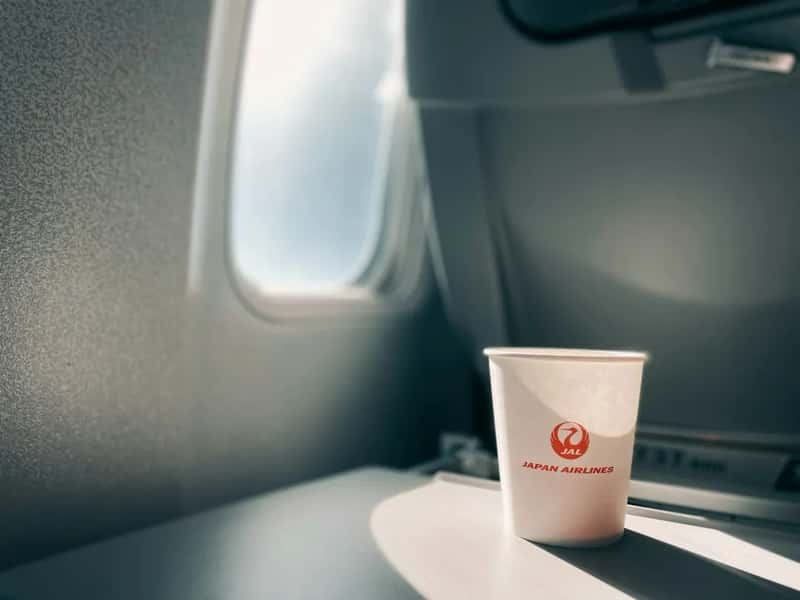
A recent analysis gave the debate fresh data. The 2026 Airline Water Study, from the Center for Food as Medicine and Longevity, looked at compliance records from October 2022 through September 2025 and ranked 10 major and 11 regional airlines.[7] Among the major carriers, Delta and Frontier scored highest, while American and JetBlue ranked lowest.[7]
The study also raised questions about enforcement. It found that the EPA rarely levies civil penalties against airlines for violations of the rule.[8] The study’s author noted that the data is self reported by the airlines, so enforcement depends on accurate reporting and follow through.[9] Even so, the researchers quoted in the coverage indicated this isn’t an overall health crisis.[9]
The Case That Airplane Coffee Is Fine

Not every crew member agrees with the caution. One flight attendant who has flown for more than a decade told The Points Guy she drinks the coffee and tea all day long.[10] Flight attendants and pilots have also been drinking tea and coffee made with this water daily for years, reportedly without issue.[2]
The industry’s position is similar. A spokesperson for Airlines for America denied that onboard water is unsafe and said providing clean drinking water is part of the airlines’ primary focus on safety.[11] The fair summary is that the water is regulated and often fine, but compliance varies and crews don’t share one view.
Dry Cabin Air and the Dehydration Question
Dehydration is the second reason to rethink that cup. The CDC notes that alcohol and caffeine can both cause dehydration, which can make jet lag worse.[12] The Cleveland Clinic likewise advises avoiding caffeine and alcohol after a long flight, since they can leave you more dehydrated.[13]
The science isn’t entirely one sided. One hydration guide points out that moderate caffeine usually isn’t dehydrating, though having it too close to bedtime can interfere with sleep.[14] The same guide puts cabin humidity at roughly ten to twenty percent.[14] In air that dry, every extra diuretic is working against you, even if its effect is mild.
Caffeine, Sleep, and Jet Lag
On a long flight, sleep is the real prize. The CDC says in flight sleep is best protected by limiting alcohol and caffeine.[12] Alcohol tends to shorten the time it takes to fall asleep, but it also fragments the sleep that follows.
Caffeine isn’t useless for travelers, though. One study of eastbound passengers found that 300 mg of slow release caffeine improved alertness, though the downside is a possible worsening of jet lag related insomnia.[15] The practical lesson is timing. Caffeine is more useful at your destination during local daylight than somewhere over the ocean.
Smarter Ways to Get Your Caffeine Fix

If you can’t face a flight without coffee, you have options. One suggestion is to buy a coffee in the terminal before boarding.[1] That keeps the caffeine and skips the tank.
For everything else, sealed is safer. The Cleveland Clinic recommends bottled water if you have any questions about water safety.[13] The study cited by The Points Guy goes further, advising travelers not to drink any water onboard that isn’t in a sealed bottle.[10]
The Practical Rule for Your Next Long Flight
Buy your coffee before boarding, and carry or request sealed water for the flight itself. Some crew members drink the galley coffee without trouble, but others avoid it, and the airline data shows compliance varies by carrier.
Save most of your caffeine for the daylight hours at your destination, and drink water during the flight. That approach covers both the tank concern and the dehydration and sleep concerns.