There’s something almost ritualistic about ordering a coffee shortly after takeoff. The cabin hum, the tiny foil creamer, the warmth of the cup – it feels cozy, even civilized. Yet the people who know planes best, the flight attendants who spend more time in the air than most of us spend in our own kitchens, consistently skip it. They don’t avoid it because they dislike coffee. They avoid it because they know exactly where that coffee comes from – and the truth is genuinely unsettling.
The Water Tank Problem Nobody Talks About

The foundation of every cup of coffee is water, and this is where the problems begin. Aircraft water tanks, the source for all brewed beverages, present serious concerns that make flight attendants wary. Aircraft drinking water systems present unique challenges that distinguish them from terrestrial water systems. Water is loaded onto aircraft at varying airports, stored in onboard tanks under fluctuating temperature and pressure conditions, distributed through complex plumbing networks to galleys and lavatories, and consumed by passengers and crew who have limited alternatives during flight. Unlike municipal water systems with continuous flow and regular monitoring, aircraft water systems experience periods of stagnation between flights, temperature variations during ascent and descent, and mechanical stress from aircraft operations.
Flight attendants themselves say they will not drink plain coffee or plain tea. The reason is that water in the plane doesn’t come directly from the water treatment facility, but from a tank that is usually not cleaned for months. As flight attendant Kat Kamalani stated publicly, those water tanks on aircraft are “never cleaned and they are disgusting,” and coffee makers are “rarely cleaned unless they are broken.” The challenges with aircraft tap water come down to several key factors, including aging water tanks – many airplanes in operation today are decades old and their water tanks reflect this wear – and irregular maintenance, as not all airlines follow the same schedules even where the EPA requires routine checks.
What the Science Actually Found in That Water
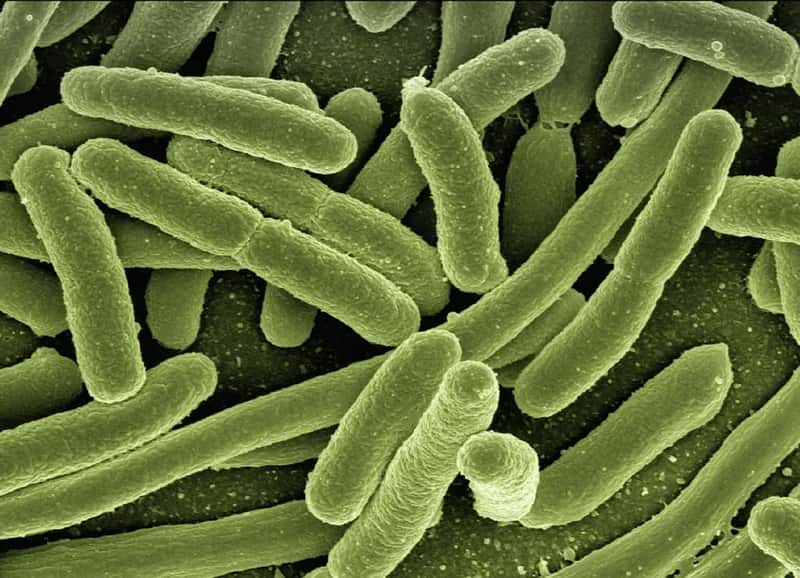
A 2026 airline water safety study shows that almost 3% of the water tested in circulation with operators in the United States is positive for coliform bacteria. There was a varying level of contamination observed with different carriers, indicating that American Airlines and JetBlue pose the highest risk. The study window analyzed 35,674 total sample locations tested for total coliform bacteria across all airlines. Of these, 949 locations, or 2.66%, tested positive for total coliform. Maximum Contaminant Level violations for E. coli were identified as the strongest downward driver of airline scores, with 32 such violations across the 21-airline universe during the study window.
Drinking potentially contaminated aircraft water can result in issues such as gastrointestinal illness and exposure to pathogens. The analysis found that 2.7% of samples tested positive for total coliform, a group of bacteria found in the digestive tracts of humans and animals, as well as in plants and soil. “Testing for coliform bacteria is important because their presence in drinking water indicates that disease-causing organisms (pathogens) could be in the water system,” the Center for Food as Medicine & Longevity said in its report. Opportunistic pathogens capable of causing infections in vulnerable individuals were also found, including Pseudomonas aeruginosa, Stenotrophomonas maltophilia, Acinetobacter baumannii, and several others.
The Coffee Pot and the Toilet Share a Disturbing Relationship
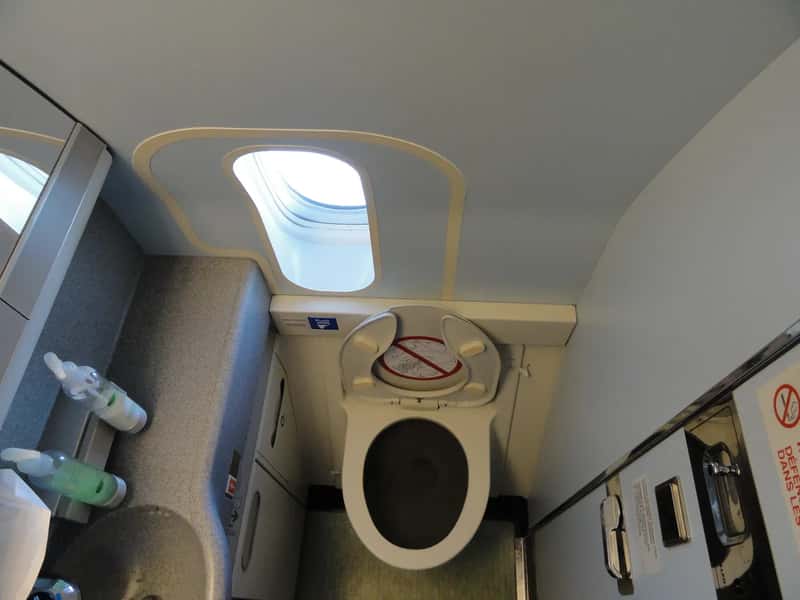
Flight attendants are supposed to clean coffee pots not in a sink. Rather, they drain the coffee jugs down the toilets. “When you take a coffee pot and dump it in the toilet, in order to not make a huge mess everywhere, you kind of have to get a little close to the toilet. And I imagine that there’s some kind of backsplash of particles, bacteria, whatever that goes directly back into the coffee pot which gets put right back into the coffee maker,” one crew member elaborated. That’s not speculation from a disgruntled employee – it’s a widely corroborated account from multiple cabin crew members who have spoken to outlets including Business Insider and viral social media platforms.
The presence of coliforms in tap water samples from aircraft suggests either cross-contamination via aerosols from the lavatory wastewater disposal system or bacterial colonization of the water system during normal passenger use of lavatory facilities. A 2015 study in the International Journal of Environmental Research and Public Health found there are more microorganisms in the water service vehicles than in the original water sources. The more bacteria in that truck, the more will be on the plane. The study also found that long flights had more water contamination than short flights.
Boiling the Water Doesn’t Fix Everything

According to the New York State Department of Health, boiling is best defined as pasteurization, not sterilization. Sterilization kills all organisms present, while pasteurization only kills organisms which harm humans, and only if the pasteurization is effective. This is determined by temperature and time. If flight attendants are rushed or don’t heat the water to a high enough temperature – which can be tricky since elevation affects a liquid’s boiling point – the water could still be contaminated. This is a critical distinction that many passengers simply don’t know about.
The water itself is where plenty of the problems start at altitude. Airlines are stuck with lower air pressure in the cabin, and this causes the water to boil at a much lower temperature than it would back on the ground. What this actually means for a cup of coffee is that the water never gets hot enough to extract the rich flavors locked inside the beans. Water temperature matters a lot for how coffee tastes, and most home brewers shoot for around 200 degrees Fahrenheit. On an airplane, though, the water boils at a much lower temperature, sometimes as low as 190 degrees or less. A 10-degree difference might not sound like much, but it has a massive effect on what ends up in the cup.
Weak Regulation and Even Weaker Enforcement
The United States Environmental Protection Agency established the Aircraft Drinking Water Rule under the authority of the Safe Drinking Water Act. The rule, which became effective in 2011, applies to aircraft operated by U.S. carriers that have onboard drinking water systems and serve passengers or crew on flights with at least one U.S. point of service. The Aircraft Drinking Water Rule establishes key requirements for covered carriers, including routine monitoring and testing where airlines must collect and analyze water samples for the presence of total coliform bacteria. That all sounds reassuring – until you look at how enforcement actually works.
The Association of Flight Attendants-CWA worries the current EPA standards don’t go far enough. “The regulation gives broad discretion to airlines on how often they must test the water and flush the tanks,” the group said in a statement. “AFA does not believe this regulation goes far enough or is sufficiently enforced.” The EPA rarely levies civil penalties to airlines that violate the Aircraft Drinking Water Rule. The study determined that the EPA was not enforcing effective oversight to ensure that safety standards are maintained on a regular basis, and the report granted a “shame on you” award to the EPA for its role in the results.
What Altitude and Dehydration Do on Top of All This
The average humidity level inside an aircraft cabin is around 10 to 20%, significantly lower than the 30 to 60% typically found in comfortable indoor environments. This low humidity can exacerbate the dehydrating effects of coffee consumption during air travel. A study published in the Journal of Applied Physiology found that for every 100ml of fluid lost through respiration at sea level, approximately 250ml is lost at cruising altitude due to the lower air pressure and humidity. Ordering a diuretic beverage made from questionable water in that kind of environment is, medically speaking, a double hit your body doesn’t need.
Caffeine causes dehydration, which is already a concern during flights due to low cabin humidity. It can also increase anxiety and interfere with sleep patterns, worsening jet lag. The combination of low air pressure and dry cabin air can dull your sense of taste by up to 30%, meaning that your usually delightful coffee might taste flat or bland regardless. Vulnerable populations, including young children, elderly passengers, pregnant women, and immunocompromised individuals, may face elevated risks from waterborne pathogens. For flight attendants who consume onboard water regularly as part of their occupational routine, chronic low-level exposure represents an additional concern. The verdict from researchers is straightforward: never drink water aboard an airplane unless it is sealed in a bottle – and that includes coffee or tea. Also, avoid washing your hands in airplane bathrooms, and use hand sanitizer instead.