Walk down the aisle of any overnight flight around hour nine and you’ll spot two kinds of passengers. One group is slumped, puffy-eyed, and picking at a cold roll. The other looks strangely fine, like they slept in a hotel instead of a seat. The gap rarely comes down to money or a fancy cabin. It comes down to a handful of quiet habits that most people never think to try.
Most of these regulars never talk about their routines, and some sound too small to matter. A few will make you wince at what you did on your last flight. Here’s the countdown, starting with a move that happens before the plane even pushes back, and ending with the one that quietly explains all the others.
#16 – They Change Their Watch Before the Wheels Even Leave the Ground
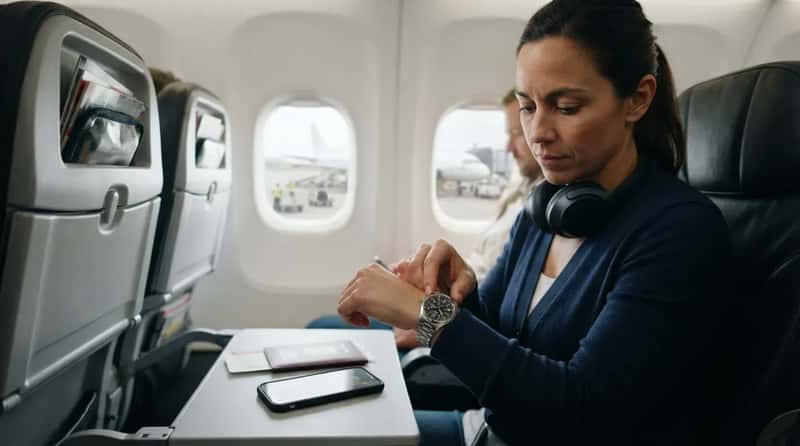
Long-haul regulars start living in the destination’s time zone while they’re still sitting at the gate. They switch their phone and watch at boarding, then plan meals, naps, and screen time around the new clock. Everyone else waits until the wheels touch down on the other side.
It sounds like a mind trick, and partly it is. Jet lag is your body clock out of step with local time, so the sooner you act on the new schedule, the sooner your body can start to shift. It’s also much easier to decide to sleep when your watch says it’s already 2 a.m. in Tokyo.
#15 – They Carry an Empty Bottle Past Security, Then Fill It Right Away
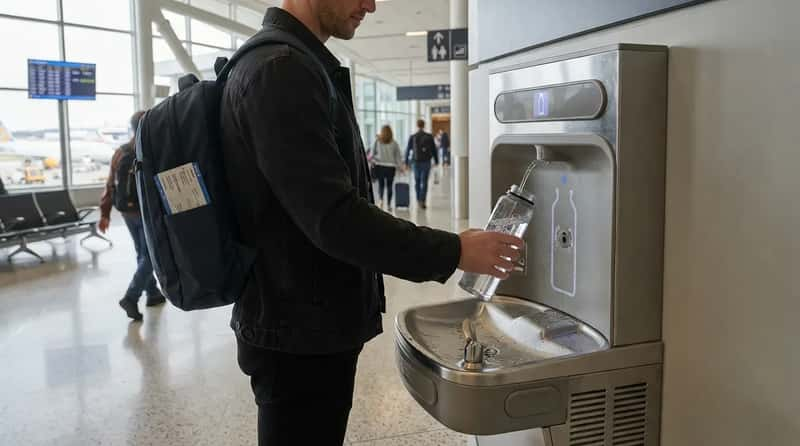
Regulars treat a refillable bottle like a second boarding pass. The TSA’s liquid limits mean a full one won’t make it through the checkpoint, so they carry it empty and fill it at a fountain before boarding. Now they have water on demand instead of waiting for a cart that might be an hour away.
A tiny cup every few hours doesn’t go far in cabin air this dry. Health advice for travelers keeps coming back to hydration as one of the easiest ways to feel better after a flight. Some flyers also ask the crew to top up the bottle during quiet stretches, which many airlines are happy to do. But water only solves half of the dry-air problem.
At a Glance
- The TSA’s 3-1-1 rule caps carry-on liquids at 3.4 ounces (100 ml) per container.
- Those containers must fit together in one quart-size clear bag.
- An empty bottle goes through the scanner with no trouble.
- Refill it at a fountain or filling station after the checkpoint.
#14 – They Pack a Saline Spray and Lip Balm Like Survival Gear
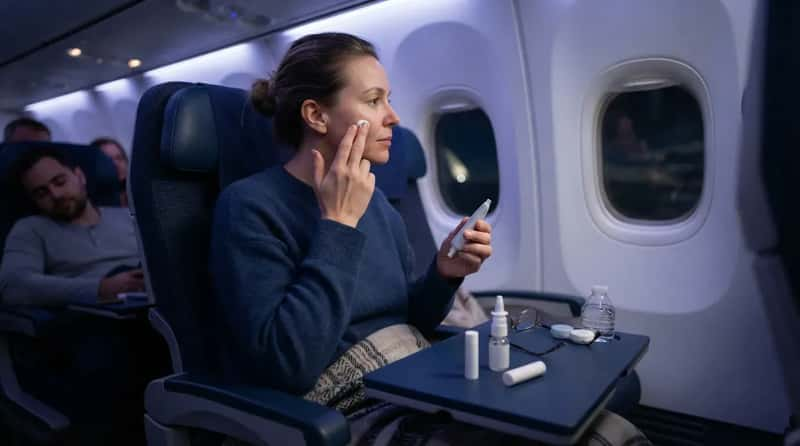
Dry cabin air is real, and regulars plan for it. Your nose, lips, and eyes feel it first. A small saline nasal spray, a lip balm, and a dab of moisturizer fit in a pocket and make a noticeable difference by hour ten.
Contact lens wearers often switch to glasses on long overnight trips, because lenses can feel gritty in low humidity. Skip that step and you can land with scratchy eyes and a morning that feels twice as long. Most passengers just tough it out and wonder why their face feels like paper on arrival.
#13 – They Book a Special Meal on Purpose, Even Without a Diet
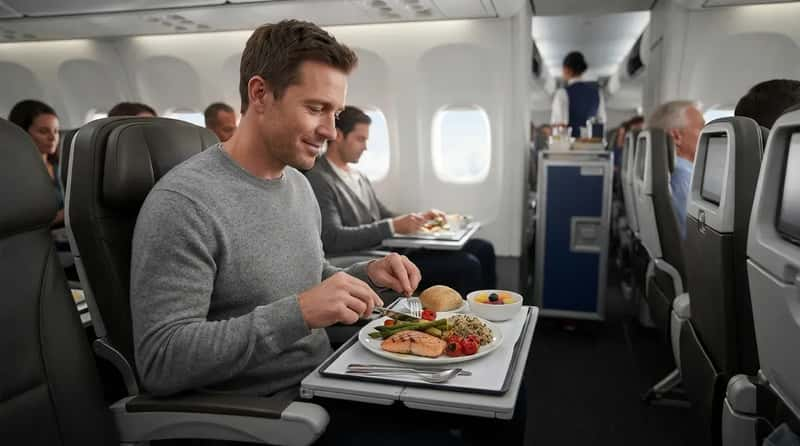
Here’s a secret frequent flyers swap quietly: special meals are often served before everyone else’s. Regulars order a vegetarian, fruit plate, or seafood option when booking, not because of a diet but because of timing. While the rest of the cabin waits for the cart, they’re already eating.
That’s not a guarantee, and it varies by airline and route. Many carriers want the request 24 hours or more before departure, so it takes some planning. The bonus is that you’re far less likely to hear the dreaded “we’ve run out of chicken.” Next up is a seat choice that goes against what most people believe.
#12 – They Skip the Window Seat Everyone Fights Over
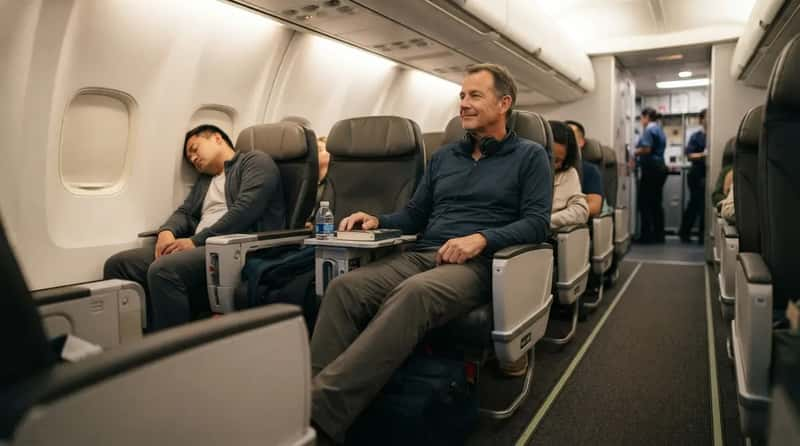
Many travelers rank the window as the best seat on any flight. Plenty of long-haul regulars now argue it’s the worst one for a 12-hour trip. Every bathroom break means climbing over a sleeping stranger, so a lot of window-seat people just stop going.
Aisle seats are where regulars live. They can stand, stretch, and walk without asking permission. They also check the airline’s seat map again in the days before departure, since seats shift. The trade-off is the occasional bump from the drinks cart, and some flyers still swear the window is worth it for the wall to lean on.
Quick Compare
- Window: a wall to lean on and control of the shade, but you’re boxed in by your neighbors.
- Aisle: easy walks and stretches, but you’ll get the occasional cart or elbow bump.
- Middle: the one almost nobody on a long-haul flight picks on purpose.
#11 – They Wipe Down the Tray Table Before Anything Touches It
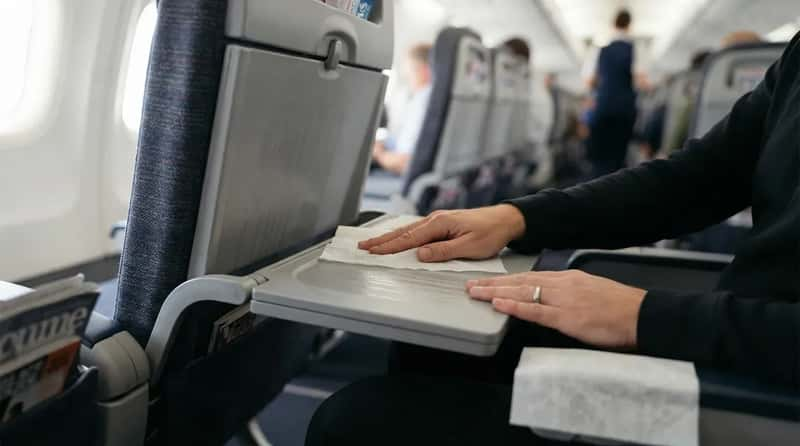
It’s not glamorous, but it’s nearly universal among regulars. They carry a few disinfectant wipes and clean the tray table, armrests, and touchscreen. Those are surfaces that get touched by hundreds of hands between deep cleanings.
Researchers at Auburn University tested how long bacteria like MRSA and E. coli can survive on airplane surfaces in a 2018 study. They found some lasted for days on materials found in cabins. It doesn’t mean flying is dangerous, but it explains why seasoned travelers don’t set their sandwich on a bare tray. Their next move is all about their feet.
#10 – They Swap Their Shoes Before the Cabin Door Closes
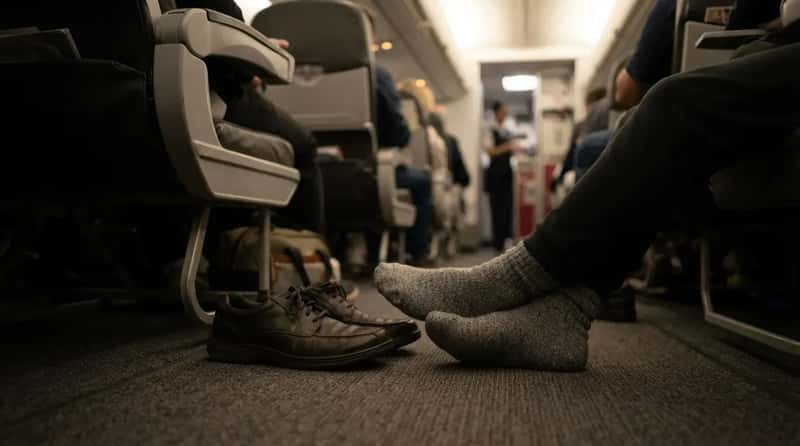
Regulars rarely stay in tight shoes for a whole flight. They bring thick socks or soft slippers and change early. Feet commonly swell on long flights, and forcing them back into stiff shoes at the end is a painful mistake.
They also keep their shoes within reach instead of stashing them in the overhead bin. That matters for bathroom trips and, more importantly, for any emergency. Some crews advise against bare feet in the aisle, so socks are the compromise.
#9 – They Pack a Mini “Arrival Kit” in the Seat Pocket
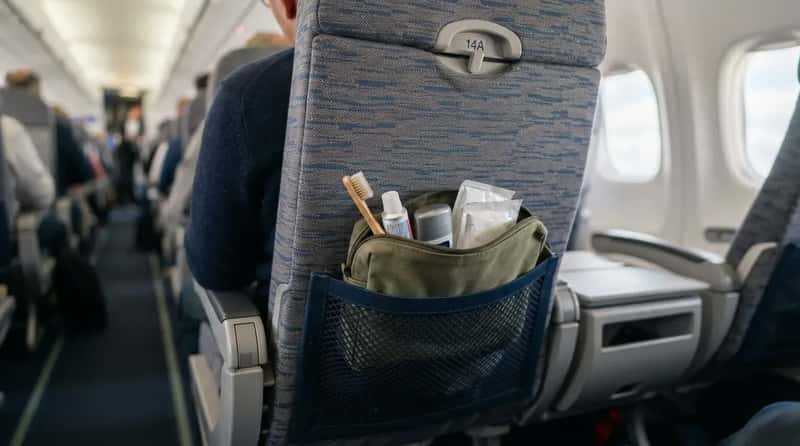
Regulars don’t dig through the overhead bin an hour before landing. They keep a small pouch at their seat with a toothbrush, travel toothpaste, face wipes, and deodorant. Then they freshen up in the lavatory while everyone else is queuing at the last minute.
A clean shirt tucked in a carry-on is the other half of the trick. It’s especially handy for anyone heading straight to a meeting or a connecting flight. Checked luggage can get delayed, but a spare set of clothes in the cabin goes where you go.
#8 – They Put the Seat Belt on Top of the Blanket
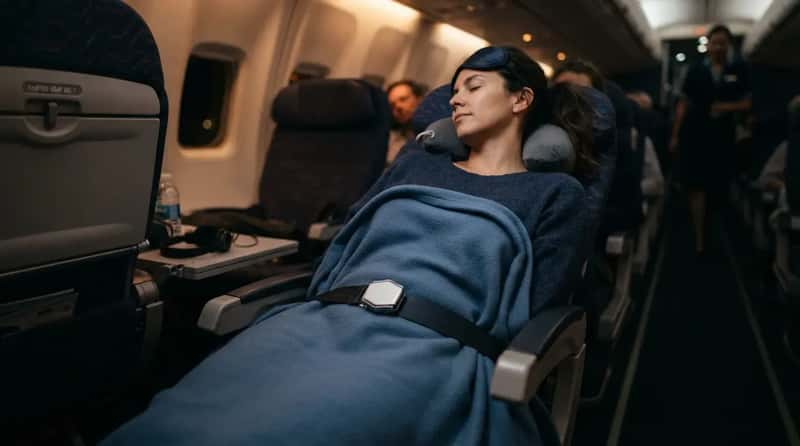
Ask a flight attendant and you’ll hear this one fast: keep your belt visible. When a passenger is asleep under a blanket, the crew can’t tell whether the belt is fastened without waking them. Regulars buckle on top and sleep in peace.
The result is fewer nudges in the dark, especially when turbulence is expected. It’s one of those habits the crew quietly appreciates. The passenger who tucks the belt under the blanket is the one who gets tapped awake at 3 a.m.
#7 – They Dress in Layers, Not Outfits
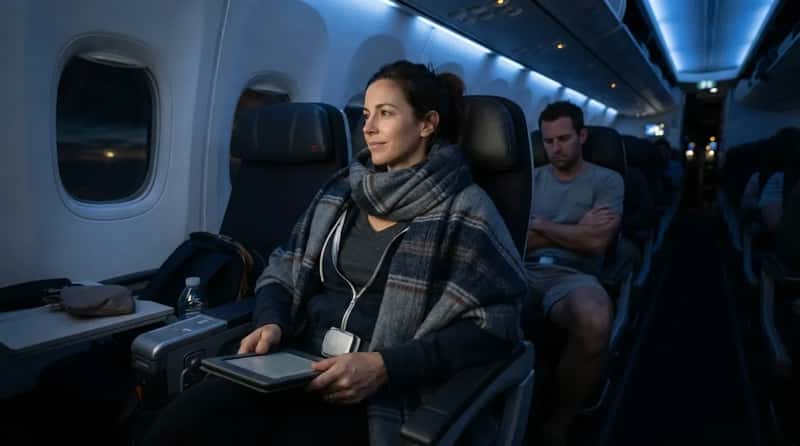
Cabin temperature swings are real. It can be warm during boarding, chilly at 3 a.m., and stuffy before landing. Regulars dress in light layers: a base tee, a zip-up, and a scarf that doubles as a blanket.
The scarf is the quiet favorite. It’s warm, packable, and doesn’t disappear like an airline blanket can. Meanwhile, the passenger in shorts and a thin tee is stuck asking for a second blanket that may not exist.
#6 – They Download Everything Before Leaving the House

Regulars never trust the in-flight Wi-Fi. They load movies, podcasts, playlists, and e-books at home, while the internet is fast and free. They also download offline maps for their destination, which helps when they land and the signal doesn’t cooperate.
A short charging cable and a power bank go in the bag too, because seat outlets can be broken or missing. A dead screen on a 14-hour flight is a very long, very quiet stretch. A little prep keeps it from happening.
#5 – They Turn Down the Free Drinks
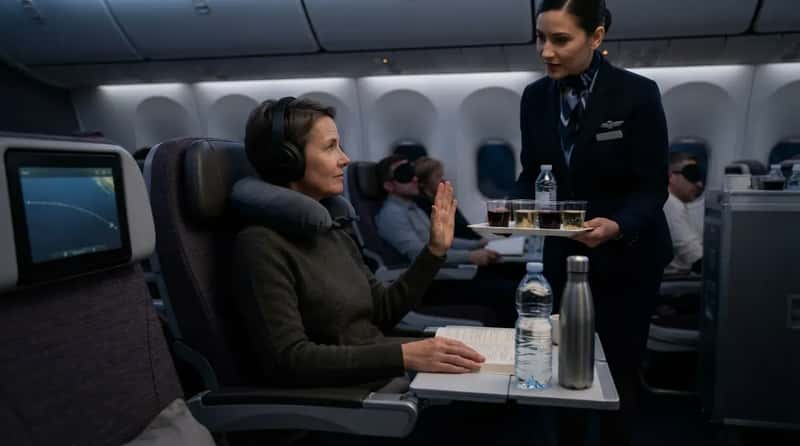
On many international flights, wine and cocktails are included. Regulars often pass. Alcohol and altitude together tend to disrupt sleep quality, and alcohol can make dehydration worse in already dry air.
Plenty of travelers disagree and say a glass of wine is the whole point of a long-haul cabin. Sleep and travel experts typically see it differently. That “free” drink can end up costing you the next day.
#4 – They Bring Their Own Flavor Because the Food Tastes Different Up There
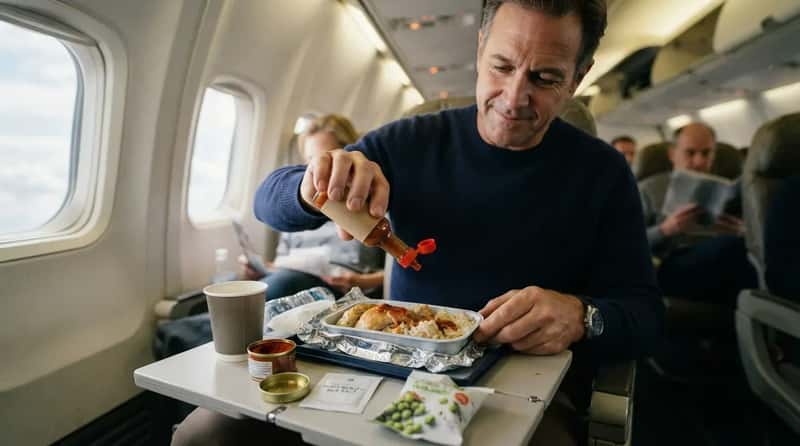
Your taste buds change in the air. A Fraunhofer Institute study run in simulated cabin conditions found that sweet and salty tastes were dulled by roughly 30 percent. The combination of low pressure and dry air is the likely culprit.
So regulars pack small hot sauce bottles, spice packets, or strong-flavored snacks. They know the meal may taste muted, and they’ve planned around it. It’s a tiny extra that most people forget while complaining about the food.
Fast Facts
- Cabins are pressurized to an altitude equivalent of no more than 8,000 feet, which is thinner air than on the ground.
- Dry air also dries out your nose, and less smell means less flavor.
- Cornell research has linked loud background noise to muted sweetness.
- Umami-rich flavors like tomato juice are often said to hold up better in the air.
#3 – They Treat the Aisle Like a Walking Track
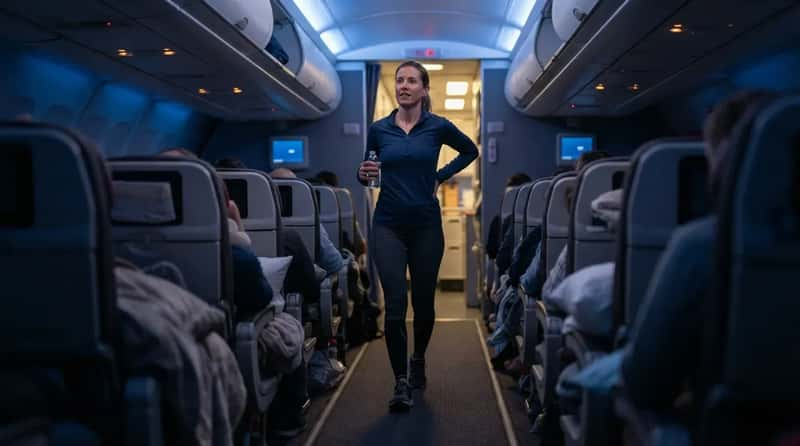
Regulars stand up, walk, and stretch every hour or two, especially on overnight flights. They do seated calf raises and ankle circles too. Sitting still for hours isn’t just uncomfortable, it carries a real risk.
The CDC notes that long travel slows blood flow in the legs, which raises the risk of blood clots. Some travelers wear compression socks as well, and many find they reduce swelling. If you have risk factors, check with your doctor before a long trip.
#2 – They Fight for Darkness, Not Just Sleep
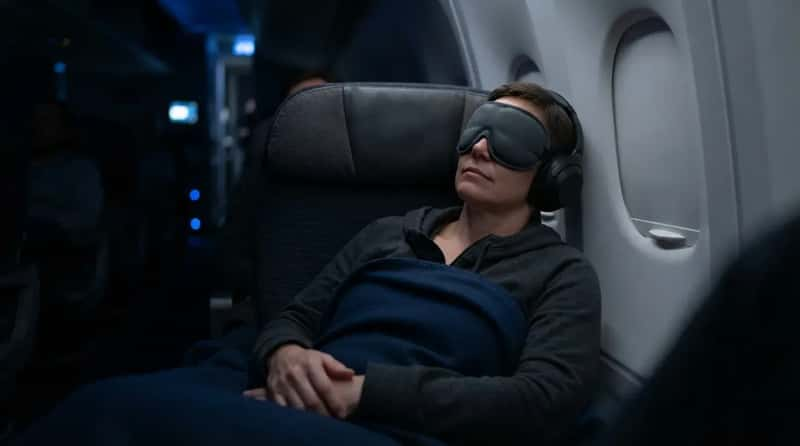
An eye mask isn’t optional for regulars. Light is one of the strongest signals your body uses to set its clock, so they control it on purpose. They block it when they want to sleep, and they seek it out when they want to be awake.
They’ll close the window shade even when everyone else leaves it open. Earplugs or noise-canceling headphones do the same job for sound. It’s the habit that separates real sleep from a restless doze.
Why It Stands Out
- It costs almost nothing, and a mask weighs next to nothing in a pocket.
- It works on the one signal your body clock listens to most.
- It protects sleep from the screens, reading lights, and galley glow around you.
- It flips around: open the shade and let daylight in when it’s time to wake up.
#1 – They Plan the First Night on the Ground Before They Board

The best long-haul regulars aren’t really thinking about the flight at all. They’re thinking about the first 24 hours after landing. Many aim to stay up until a local bedtime, get outside in daylight, and eat at local mealtimes.
It’s not always possible, and a short nap is a common compromise. But health agencies like the CDC list light exposure and adjusting your schedule among the standard ways to ease jet lag. Everything else on this list is really in service of this one. It’s the lesson most passengers learn only after a ruined first day.
None of these habits is flashy, and that’s exactly why most passengers skip them. The regulars aren’t tougher or luckier. They just treat the flight as part of the trip instead of a delay before it.
Next time you’re shuffling down the jet bridge, look around. The calm one in the aisle seat with the scarf and the empty water bottle probably isn’t calm by accident.