Air travel has a reputation for being impersonal, but ask any frequent flyer over 60 and they’ll tell you a different story. Behind the scenes, gate agents and flight attendants often bend routine procedures in small, quiet ways for older passengers, not because a rulebook demands it, but because experience tells them it matters.
Most of these accommodations never get announced over the intercom. They happen in a hushed exchange at the gate or a small nod from a flight attendant who’s seen enough travelers to know who might need a little extra help. Here’s a closer look at the requests that crews tend to honor most often, and why they matter more than passengers might realize.
1. Aisle seats with movable armrests
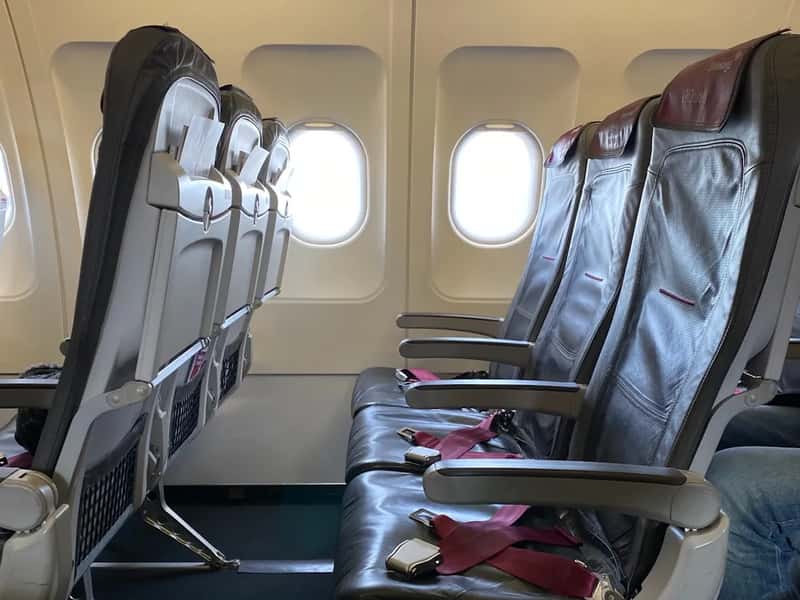
Seating is one of the easier accommodations for airlines to grant, and it makes a real difference for anyone dealing with stiff knees or a bad hip, since passengers may request aisle seats, movable armrests, seats with greater legroom, and adjoining seats for traveling companions who are providing assistance. Seat selection often ends up being the single most effective way to make a flight manageable for someone with limited mobility.
At least half the aisle seats on airplanes delivered or refurbished after 1992 that accommodate 30 or more passengers must have movable armrests. Passengers should notify the airline of their need for an aisle seat with a movable armrest at the time the reservation is made, or at least 48 hours before departure, and it’s wise to ask the gate agent to double-check that the assigned seat actually has one.
2. Early boarding without a fuss
Most major airlines allow seniors to board early on request, and passengers don’t need an elite frequent flyer card or a formal disability designation to ask. A simple question to the gate agent is usually all it takes. There’s no paperwork trail, no awkward explanation needed. Just a quiet word before the boarding call.
Southwest, for instance, allows seniors to board early if they need a special seat because of a disability or extra assistance, letting them board between the A and B groups, and nobody at the gate makes a scene about it since most other passengers never even notice the accommodation happening. It’s a small courtesy that saves a lot of stress before the flight even leaves the ground.
3. A free escort from curb to gate
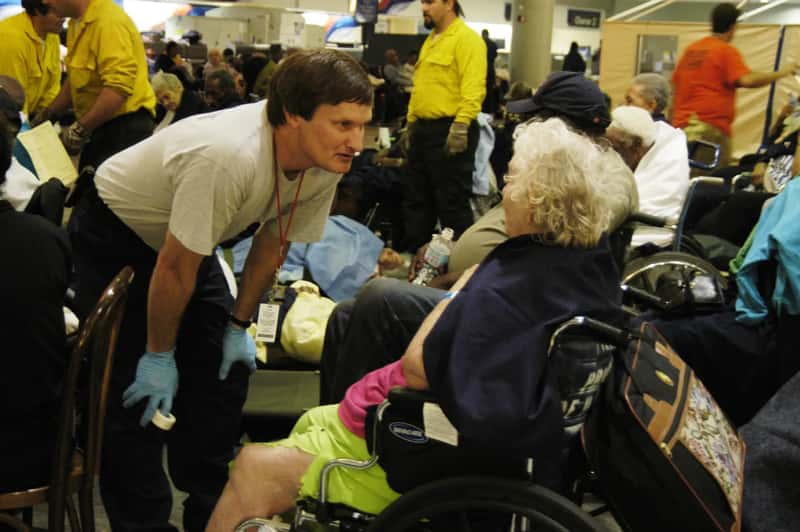
This one isn’t really a favor so much as a federal obligation, though almost nobody frames it that way at the check-in counter, and it kicks in when a passenger with a disability requests assistance. The escort service exists whether or not a traveler thinks of themselves as disabled in any formal sense.
The Air Carrier Access Act gives any passenger who needs extra time or physical help a legal right to free assistance from curb to gate, and travelers don’t need to use a wheelchair at home to qualify. It’s one of the more underused rights in modern air travel, largely because people assume it only applies to those with visible disabilities.
4. Onboard wheelchairs for lavatory access
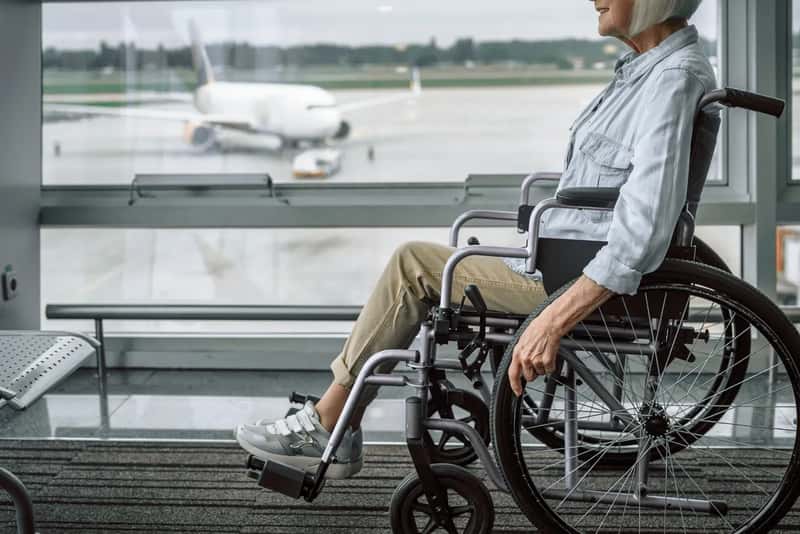
Flight attendants use onboard wheelchairs to transport passengers to and from lavatories and to and from their seats during boarding or exit, and while they assist with transfers between seat and wheelchair, they generally will not lift or carry passengers. This distinction matters because it clarifies what crews can and cannot physically do.
Any airplane with a wheelchair accessible lavatory must make onboard wheelchairs available, and any airplane seating more than 60 passengers must provide an onboard wheelchair to a disabled passenger who requests one, regardless of lavatory accessibility. Requesting this in advance, rather than at the last minute, tends to make the process smoother for everyone involved.
5. Seating near the front of the cabin
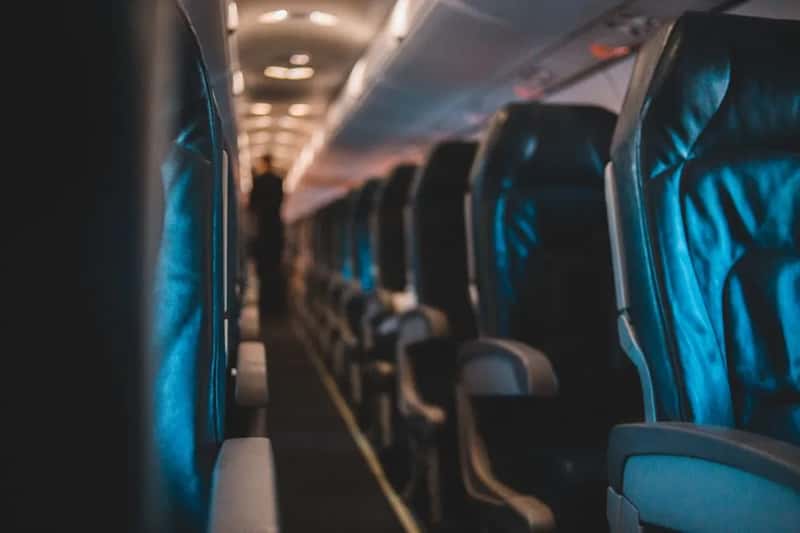
Many older travelers prefer sitting near the front of the plane, where it is easier to access the bathroom and get on and off the aircraft. It’s a practical request rather than a status one, and crews tend to understand that distinction quickly.
For seniors recovering from surgery or dealing with circulation issues, aisle seats can also make it easier to stand, stretch, and move around during longer flights, since regular movement may help reduce stiffness and swelling. Flight attendants who notice a passenger shifting uncomfortably will often quietly offer to help find a better spot if one opens up.
6. Adjoining seats for a traveling companion
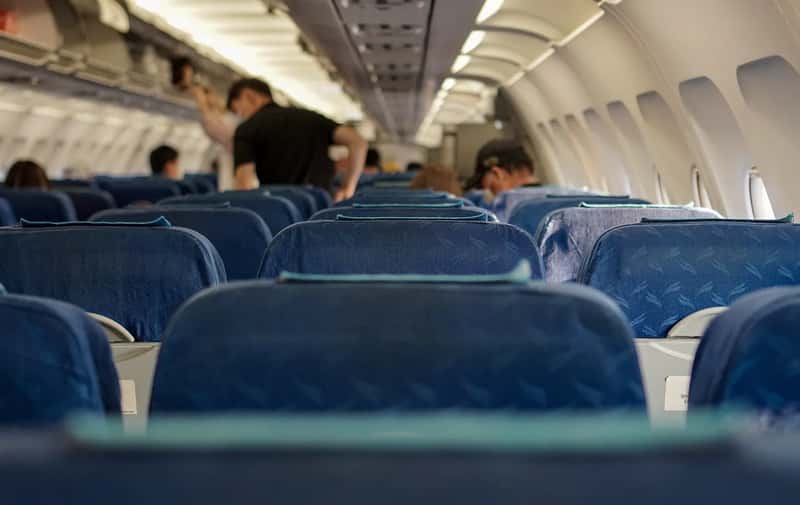
Adjoining seats for traveling companions who are providing assistance are part of the standard seating accommodations airlines try to honor, subject to availability. This isn’t just about convenience, it’s often the difference between a passenger managing independently and needing crew intervention mid-flight.
When making a reservation, it helps to specify the nature of the need and ask for a seat that’s easily accessible, since on aircraft with an upper and lower deck, for example, an elderly passenger might want to avoid a seat reachable only by climbing stairs. Crews who see a companion seated nearby tend to relax a little too, knowing help is close by if something comes up.
7. A dedicated TSA Cares escort through security
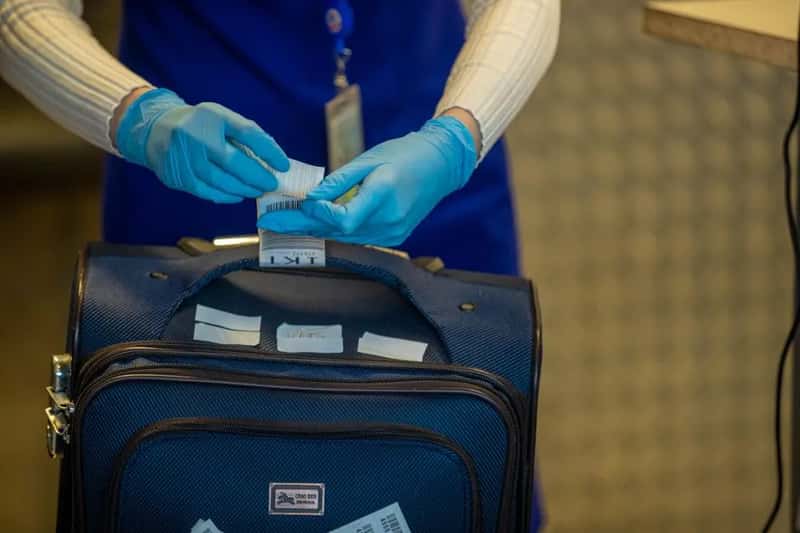
TSA offers a program called TSA Cares, which helps travelers with medical, mobility, or cognitive concerns, and seniors may request a Passenger Support Specialist to guide them through screening. This program exists specifically because standard checkpoint lines can be overwhelming for people managing joint pain, hearing loss, or memory issues.
This free assistance program assigns a personal guide through airport security, letting travelers skip the main line, get help organizing their items, and move through screening with less stress, though it’s best to call or fill out a form at least 72 hours before the flight to request a passenger support specialist. It’s one of the more generous accommodations available, and it costs nothing to use.
8. Priority rebooking during flight disruptions
Many airlines flag passengers under a “sensitive traveler” category, which includes seniors who request special assistance, and when a flight cancels and agents rebook the queue, those travelers often move first. It’s rarely advertised, but it exists as a quiet safety net during irregular operations.
The trick is knowing how to phrase the request calmly at the desk. Walking up and saying something simple and specific, rather than frustrated and vague, tends to get better results every time. Crews and gate staff respond more readily to a clear, calm ask than to raised voices.
9. Special meals tailored to health needs
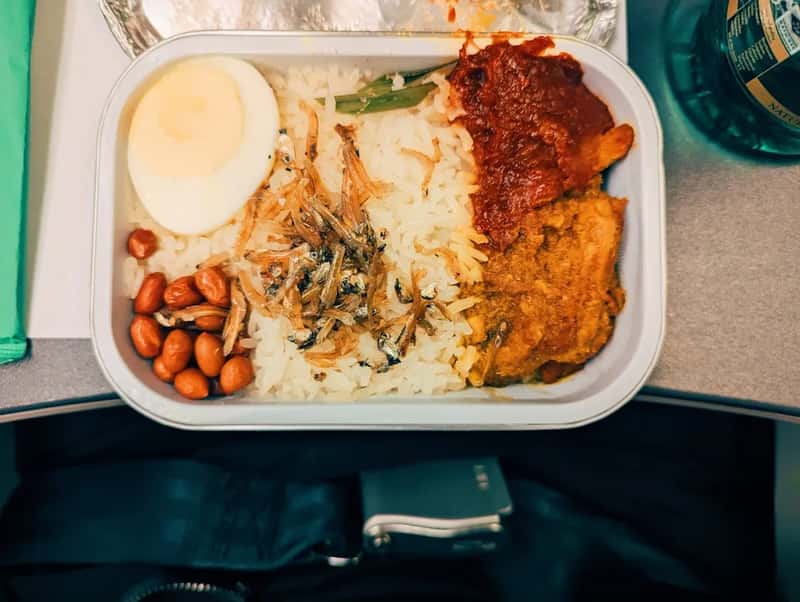
On longer flights, many airlines give senior passengers the option to request specialty meals that can accommodate dietary needs such as low-sodium, diabetic-friendly, or vegetarian options. For travelers managing chronic conditions, this small adjustment can make a multi-hour flight far more comfortable.
Asking about meal choices when booking a ticket helps ensure the food supports a passenger’s health and comfort throughout the flight. Crews handling these requests generally treat them as routine rather than exceptional, which takes some of the awkwardness out of asking.
10. Discreet help with carry-on luggage
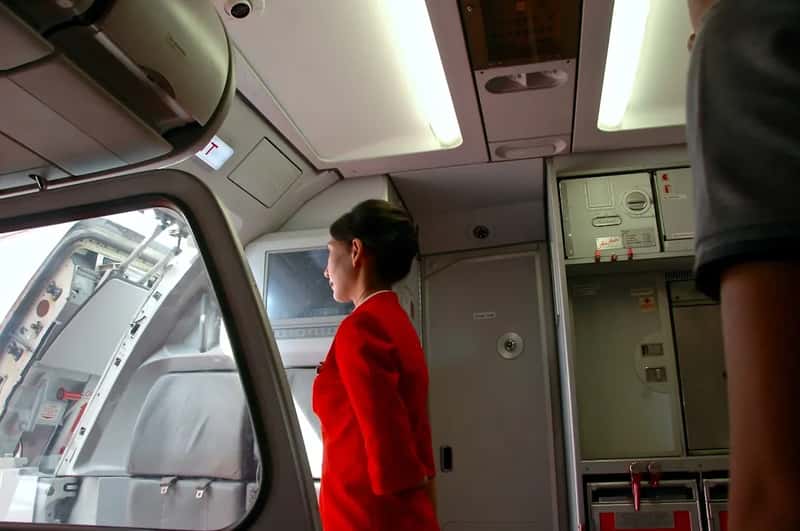
If a passenger sometimes needs help lifting a bag or standing up, airlines often have unpublished policies allowing flexibility for senior travelers, and the key is calling ahead, mentioning the situation, and calmly explaining it. Flight attendants notice this need almost immediately during boarding, especially when someone struggles with an overhead bin.
Flight attendants are trained to prioritize passengers who need assistance, but only if they know ahead of time. A quick heads-up to the gate agent before boarding tends to translate into a crew member being ready to step in without being asked twice.
11. A little extra time before the door closes
If a passenger sometimes needs help getting water or settling in during the flight, telling the gate agent before boarding lets the flight crew check in with them proactively. This kind of quiet flag rarely gets mentioned publicly, but it changes how attentive the crew is once the doors close.
Boarding groups exist for logistics, not to rush anyone. Crews who know a passenger needs a slower pace will often hold a beat before closing the overhead bins or starting the safety briefing, giving that traveler room to settle without feeling watched.
12. Assistance for those with hearing or vision changes
Passengers with visual or hearing disabilities should notify a flight attendant, since in-flight announcements will be personally conveyed to passengers who may not otherwise catch them. Many travelers over 60 experience some degree of hearing loss without formally identifying as disabled, which is exactly why this accommodation exists in a low-key form.
Crews trained under federal accessibility guidelines are used to repeating safety instructions quietly at a passenger’s seat rather than relying solely on the overhead announcement. It’s a small gesture, but for someone who missed the seatbelt sign announcement, it can matter quite a bit.
13. Quiet flexibility on age-based fares and credits
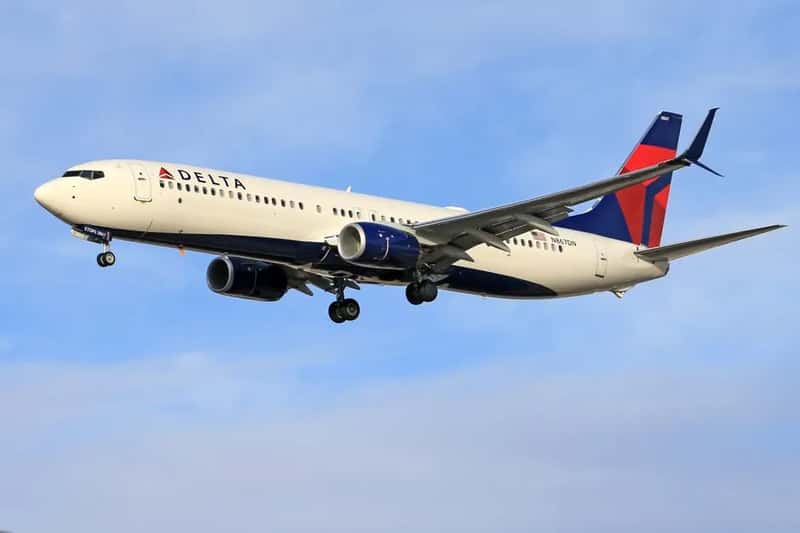
Delta, United, and American Airlines offer age-based fare discounts on select routes, usually for passengers 65 and older, though travelers typically need to call reservations directly to access them. These fares rarely show up in a standard online search, which is part of why so few people know they exist.
Some airlines also maintain unpublished policies that allow senior travelers to rebook or cancel flights without penalty due to health concerns or emergencies, even on tickets that are technically non-refundable. None of this is guaranteed, and outcomes vary by airline and situation, but a polite phone call asking directly tends to be the only way to find out.
None of these accommodations require a doctor’s note or a formal disability claim. Most simply require a passenger to speak up, whether at booking, at check-in, or quietly at the gate. Airlines rarely publicize these policies widely, but the people running the boarding line and walking the aisle tend to know exactly what they can offer once someone asks.