You probably think a hotel room goes private the second the door clicks shut. It doesn’t. By the time a housekeeper steps inside, she has already read the room like an open book, and her supervisor can do it in half the time.
Here’s the twist: the mess is rarely what gives you away. It’s the tiny, almost invisible habits you’d never think to hide. Some are petty, some are unexpectedly tender, and one of them has nothing to do with cleanliness at all. It’s a quiet signal that can matter far more than anything on the floor.
#15 – The Suitcase Explosion That Barely Registers
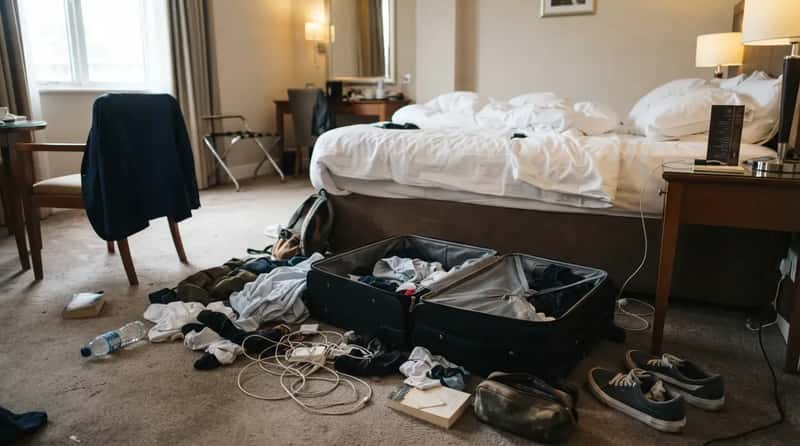
Here’s the first surprise: the clothes on the floor are not what supervisors judge. Nobody expects a guest to fold shirts into neat squares before heading out for the day. Housekeepers see open suitcases, tangled chargers and jackets draped over chairs all shift long, so a lived-in room reads as completely normal.
What they actually check is whether the room can still be cleaned around you. A suitcase explosion is a shrug. A buried tray of old food is a headache. Staff can sort one from the other in seconds, and that quick sort shapes how the rest of the room gets read.
#14 – The Takeout Tray Parked by the TV for Three Days
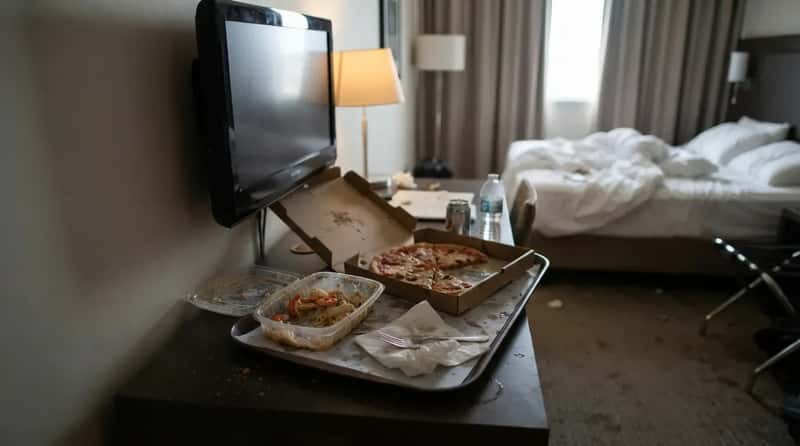
Ordering room service is fine. Leaving it behind is the problem. Pizza boxes on the desk, half-eaten takeout on the nightstand and trays beside the TV are instant red flags for housekeeping. They attract pests, and the smell sinks into fabric faster than most guests realize.
Seafood gets the worst reputation. Containers left in a closed room for days can leave a smell that clings to curtains, carpet and bedding, and it takes serious effort to get rid of. Setting the tray in the hallway takes ten seconds and spares the next person a genuinely unpleasant task.
Quick Compare
- Tray in the hallway: picked up fast, and the room never smells like last night’s dinner.
- Tray on the desk overnight: a stale smell by morning and an extra job for staff.
- Tray left for days: odor in the fabrics and an open invitation to pests.
#13 – The Towel Pile on the Floor That Starts a Whole Debate
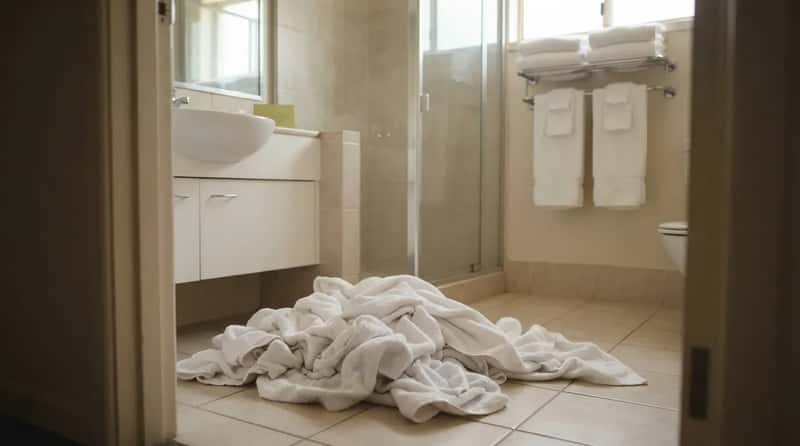
A towel on the floor and a towel on the rack look completely different from the doorway. Housekeepers read them as two different messages: “please wash this” or “I’m still using it.” That one small choice tells the cleaner what to do without a single word.
Some travelers see towel-reuse cards as a cost-cutting trick. Plenty of housekeepers argue that fresh towels every single day is the real waste, because it means extra laundry for towels that were barely used. The debate is far from settled. Either way, a floor covered in dry towels is an easy thing for staff to notice and an easy thing to remember.
#12 – The Mattress Seams They Check Before Anything Else
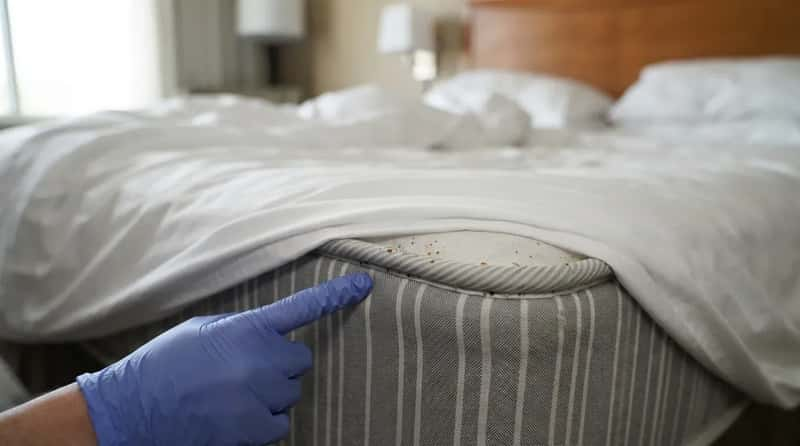
Supervisors don’t just look at how the bed was slept in. They look at what’s hiding in it. Staff are trained to watch for stains and for early signs of bed bugs, including small rust-colored spots, tiny dark specks along the seams and shed skins.
Public health agencies list the same warning signs. Housekeepers are often the first people to spot them, because they’re the ones stripping the beds. A single report can pull a room out of service before the next guest ever arrives. A guest who speaks up right away makes that process much faster.
#11 – The Light Switch Nobody Thinks to Wipe
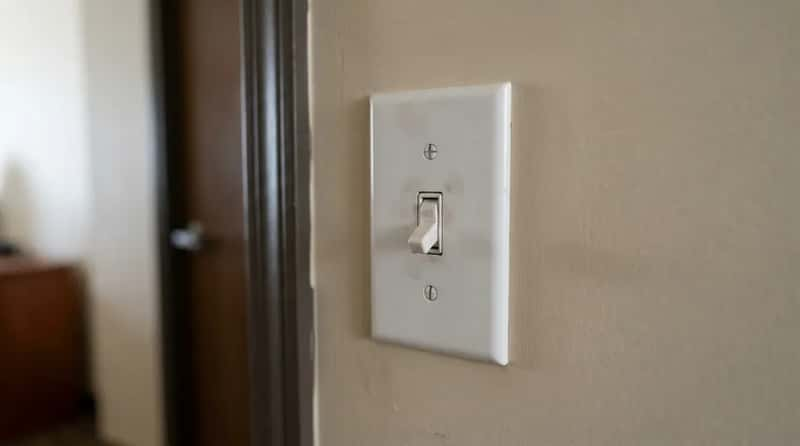
It’s the first thing you touch when you walk in, and one of the last things anyone cleans. In a well-known 2012 University of Houston study, researchers swabbed 19 surfaces in hotel rooms across Texas, Indiana and South Carolina. The results were awkward for the hotel industry.
High-touch spots like light switches, TV remotes and bathroom counters were among the most contaminated surfaces. Housekeepers aren’t surprised by this. A rushed cleaner can skip a switch without anyone ever noticing, which is why many experienced staff wipe it first and quietly notice which guests do the same.
#10 – The Burnt-Out Bulb and the Slow Drip Nobody Reported
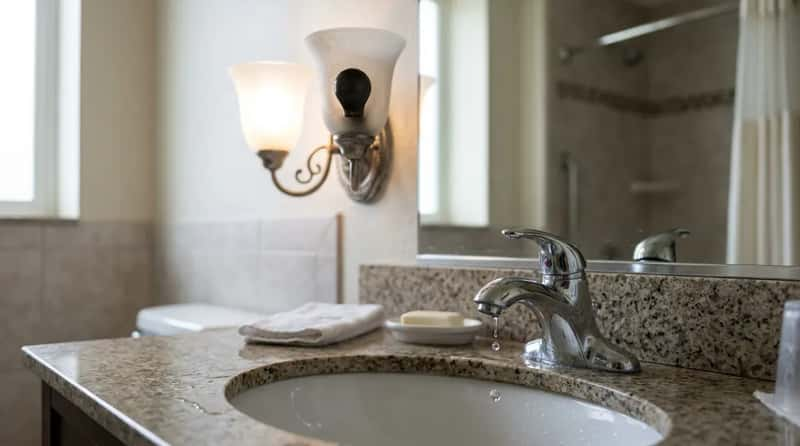
Housekeepers see every inch of a room up close. They spot the lamp with a missing bulb, the loose cabinet handle and the drawer that sticks. Most guests notice these things too. Very few ever say a word.
A small repair left alone can turn into a bigger one. A faucet drip or a running toilet gets worse with time, and the next guest inherits it. The guest who reports it early saves the hotel money and saves the next person a bad night. Supervisors remember who flagged problems and who walked right past them.
Worth Knowing
- The usual suspects are burnt bulbs, loose handles, sticky drawers, dripping faucets and running toilets.
- A running toilet keeps wasting water around the clock until someone fixes it.
- A call during your stay lets maintenance act before checkout, not after.
- Housekeepers see the problem, but guests are usually the first to live with it.
#9 – The Cash on the Nightstand With No Name on It
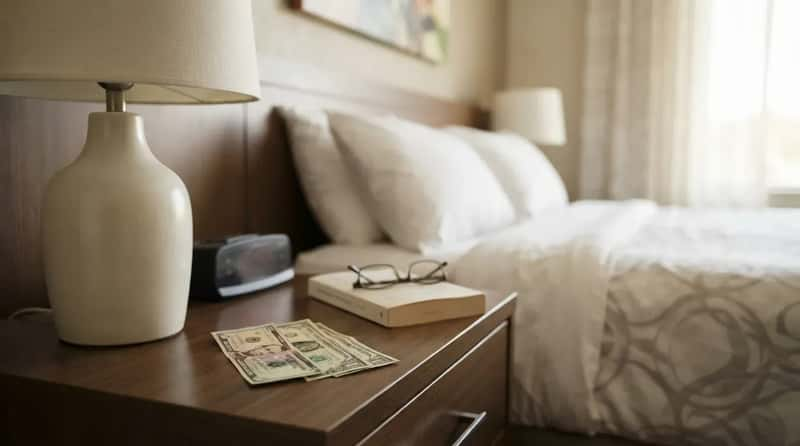
A tip left in plain sight isn’t always read as a tip. Housekeepers often can’t tell whether cash on a nightstand is meant for them or was simply forgotten. Many leave it untouched, and some hotels have policies that tell staff to do exactly that.
The American Hotel & Lodging Association has encouraged leaving $1 to $5 per night, and leaving it daily, since different staff may clean your room on different days. A lump sum on the last morning can miss the person who cleaned your room on day two. Some travelers hate that advice. Many housekeepers say it’s the only version that actually reaches them.
#8 – The Streaky Mirror Test Supervisors Run From the Side
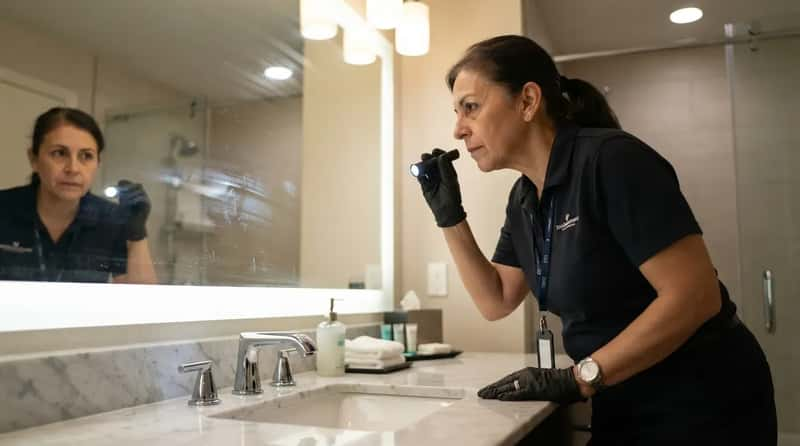
Supervisors don’t look at a room the way guests do. They check mirrors and chrome from a low angle, because streaks and water spots show up best from the side. It sounds harsh, but it’s a quality check, not nitpicking.
That angle also shows how the room was used. Toothpaste spatter, fingerprints and water rings tell a story about the sink. Most of it is perfectly normal. What stands out is a bathroom that looks like a wrecked movie set, and staff say that’s where normal use ends.
Why It Stands Out
- A side angle exposes streaks that head-on glare hides.
- Mirrors, glass and chrome are the fastest way to check a cleaner’s work.
- Normal use leaves light marks, and a wrecked bathroom looks very different.
- Most of the time, the supervisor is grading the team, not the guest.
#7 – The Burn Marks and Gouges Photographed Before Anyone Else Walks In
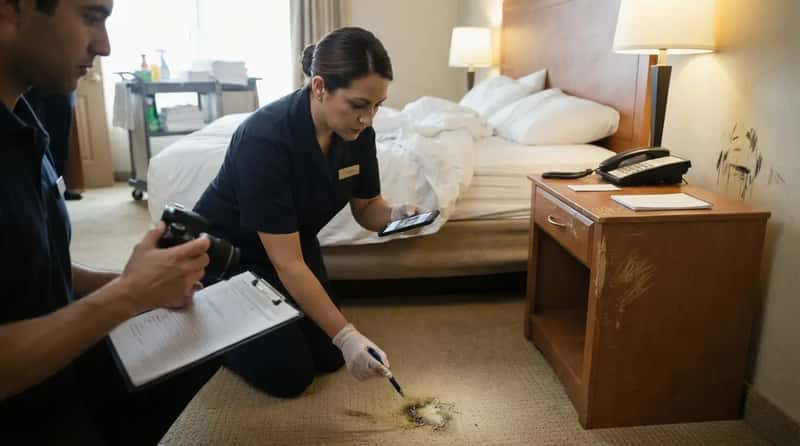
Damage doesn’t disappear when you check out. Cigarette burns in carpet, gouges in a nightstand and marker on a wall all get noticed. Housekeepers also spot furniture that has been moved, which can hide a stain underneath.
Hotels often document damage with photos at the time of cleaning, and those photos can become the evidence in a dispute later. Your room can become a file before the sheets are even changed. Staff say the hardest guests to deal with are the ones who deny everything despite the pictures.
#6 – The Things Guests Leave Behind and Never Come Back For
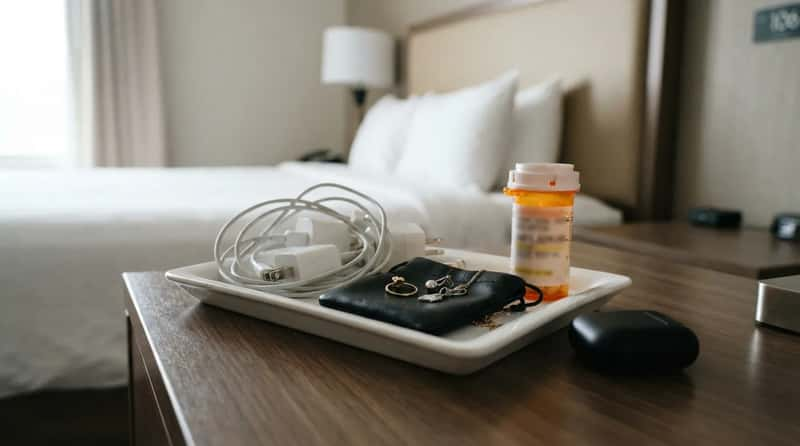
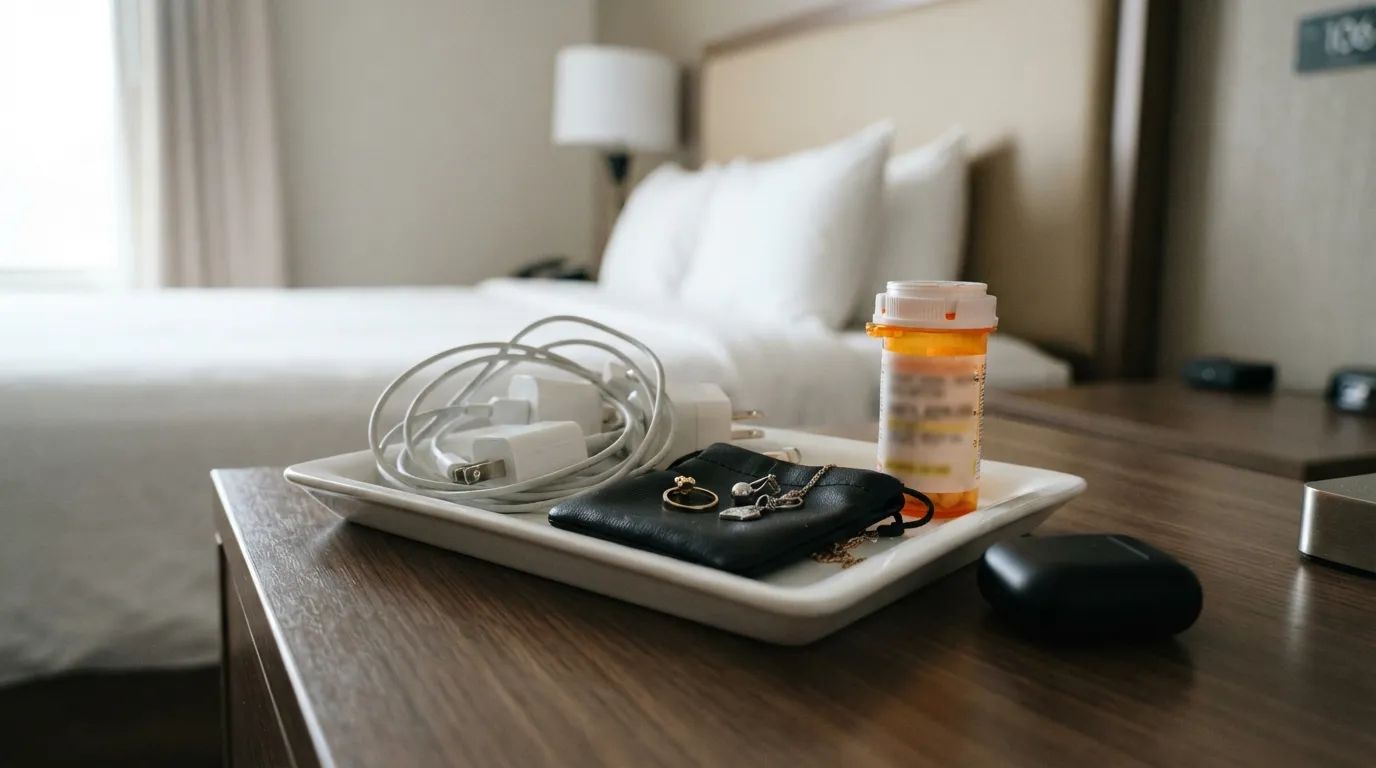
Supervisors see chargers, jewelry, medications and sometimes things far more personal. A forgotten phone charger is the classic. Hotels typically log found items and hold them for a period set by their own policy, which varies a lot from one property to the next.
At a Glance
- Quick returns: the guest calls the same day and describes the item well.
- Slow returns: the guest waits, and the hold period may run out.
- Policy gap: each hotel sets its own rules, so ask how long items are kept.
Wedding rings and prescription bottles are the finds that make staff rush to the phone. Those are the items someone will panic about within hours. Supervisors say guests who get things back fastest call quickly and describe the item well. Those who wait too long sometimes lose it for good.
#5 – The Thank-You Note Housekeepers Actually Remember
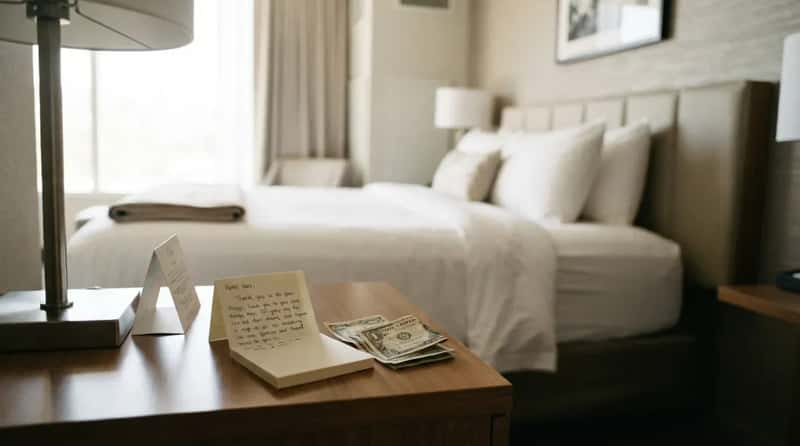
A handwritten line goes further than most guests think. Housekeepers notice a small tip or a quick thank-you, and it doesn’t take much to stand out. Even without cash, a short note can make a long shift feel seen.
That matters because tips are rare. Housekeeping is one of the least-tipped jobs in a hotel, and surveys have found that fewer than a third of guests leave anything. That means a plain “thank you” puts you in a small minority. It’s a tiny gesture with an outsized memory.
#4 – The Tip Envelope Campaign That Tried to Fix It
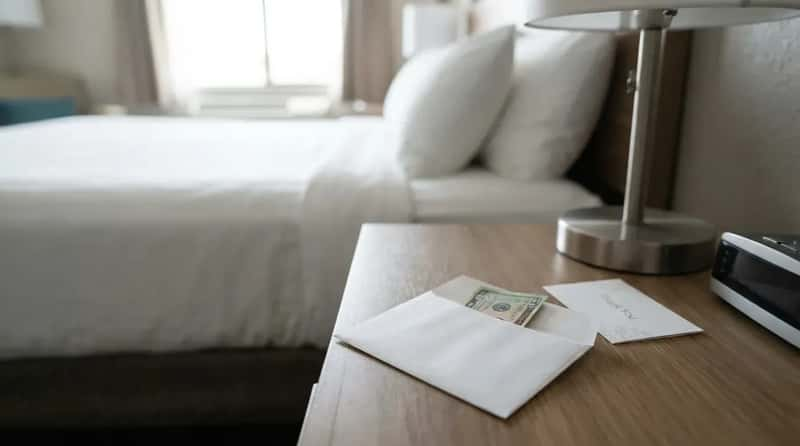
Hotels know about the tipping gap, and they’ve tried to close it. Marriott’s “The Envelope Please” program, backed by the American Hotel & Lodging Association, put envelopes in guest rooms so people could leave a tip or a note for the cleaner. It was a simple idea built on a simple truth: many guests never think about it.
But some travelers reacted to it as a nudge, or even as pressure. An effort to make tipping easier showed how awkward the whole subject still is. Even kind ideas can land strangely when money is involved.
#3 – The Smell That Hits Before the Cart Stops
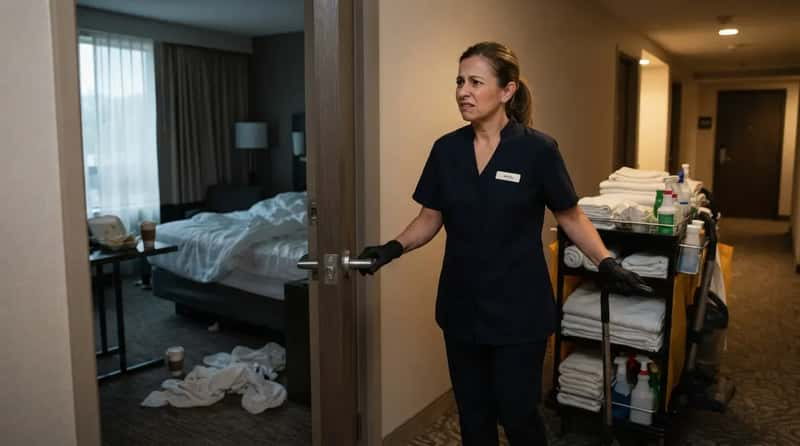
The first thing a housekeeper reads is the air. Smell, the bed, the bathroom floor and the trash can all tell her something before she parks her cart. A room can look tidy and still smell like three days of takeout.
Odors are hard to hide. Seafood is the famous example, but damp towels, smoke and spilled drinks do the same thing. Curtains, carpet and bedding hold smells long after the cause is gone. Staff say a room’s smell is the quickest way to tell how it was lived in.
#2 – The Do Not Disturb Sign That Never Comes Down
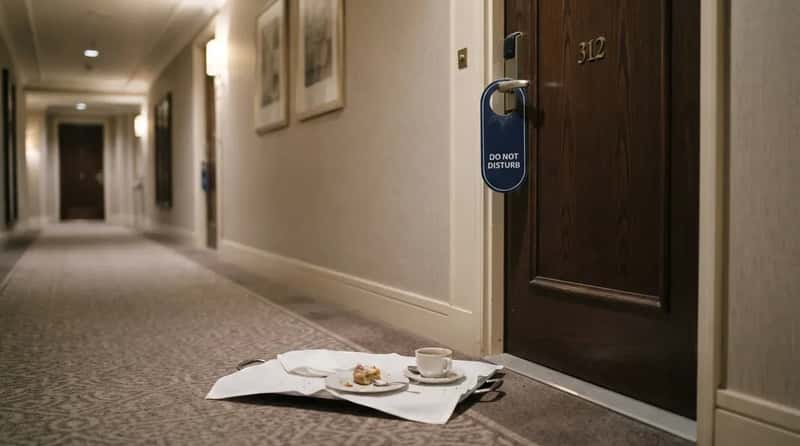
One of the most serious things a housekeeper notices is a sign that stays put. A day or two is normal. Several days in a row is a different story, and many hotels have policies for checking on a room after a set amount of time.
Staff can’t see inside, so they notice what’s outside: an untouched tray, an unchanged sign, no sound for days. This is about a guest’s safety, not how tidy the room is. The usual response is calm and careful: knock, announce, then bring in a manager.
#1 – Whether You Treat the Person Behind the Cart Like a Person
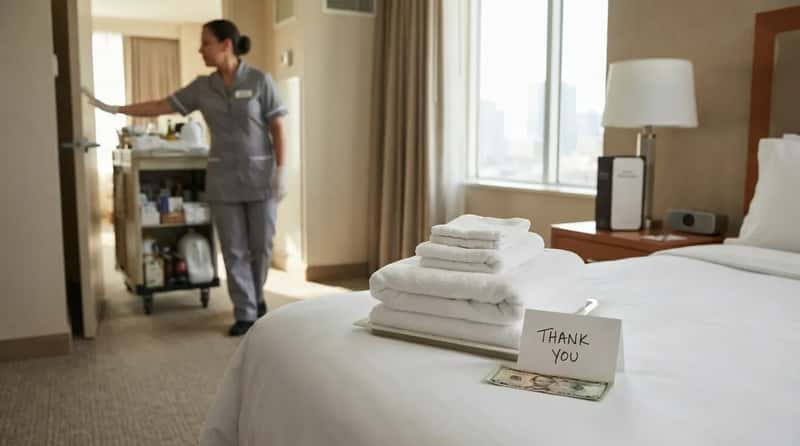
This is the one that ties everything together. Former and current housekeepers say small, everyday choices reveal whether a guest sees the person cleaning up after them as a human being. Every clue on this list is really a version of that question.
That’s why a stacked set of towels or a tray in the hallway matters. It’s also why a tip or a note gets remembered. Housekeepers read a room within seconds, and by day three they’ve formed a picture of the guest who lives in it. The room says it all, and you don’t even need to be there.
The biggest secret here isn’t a scandal. Housekeepers aren’t judging your messy suitcase. They’re noticing how you treat the space and the person who cares for it.
It takes so little to be the guest they remember: a stacked towel, a clear note, a tray in the hall. Your room tells a story whether you plan it or not, so it might as well be a good one.