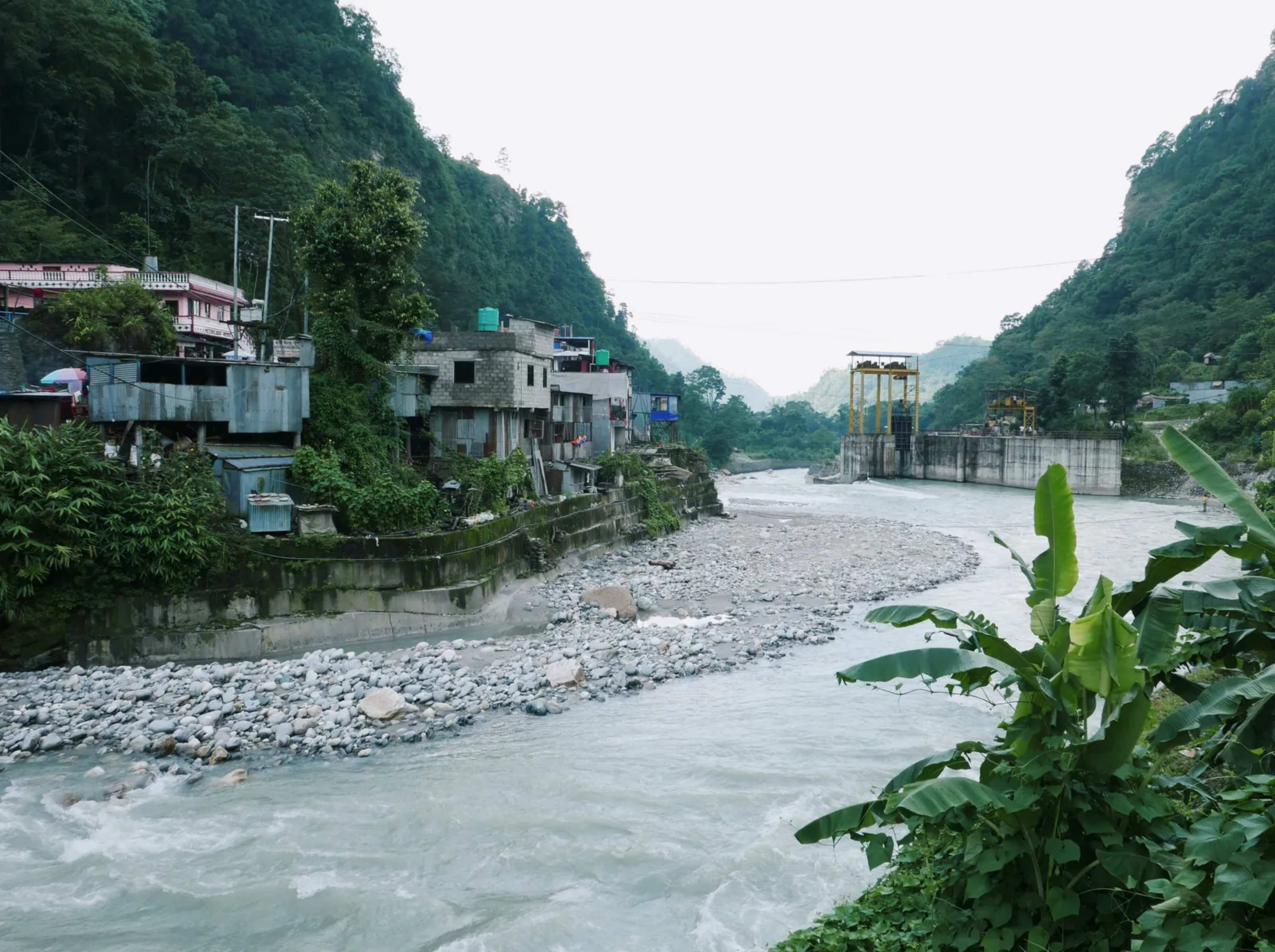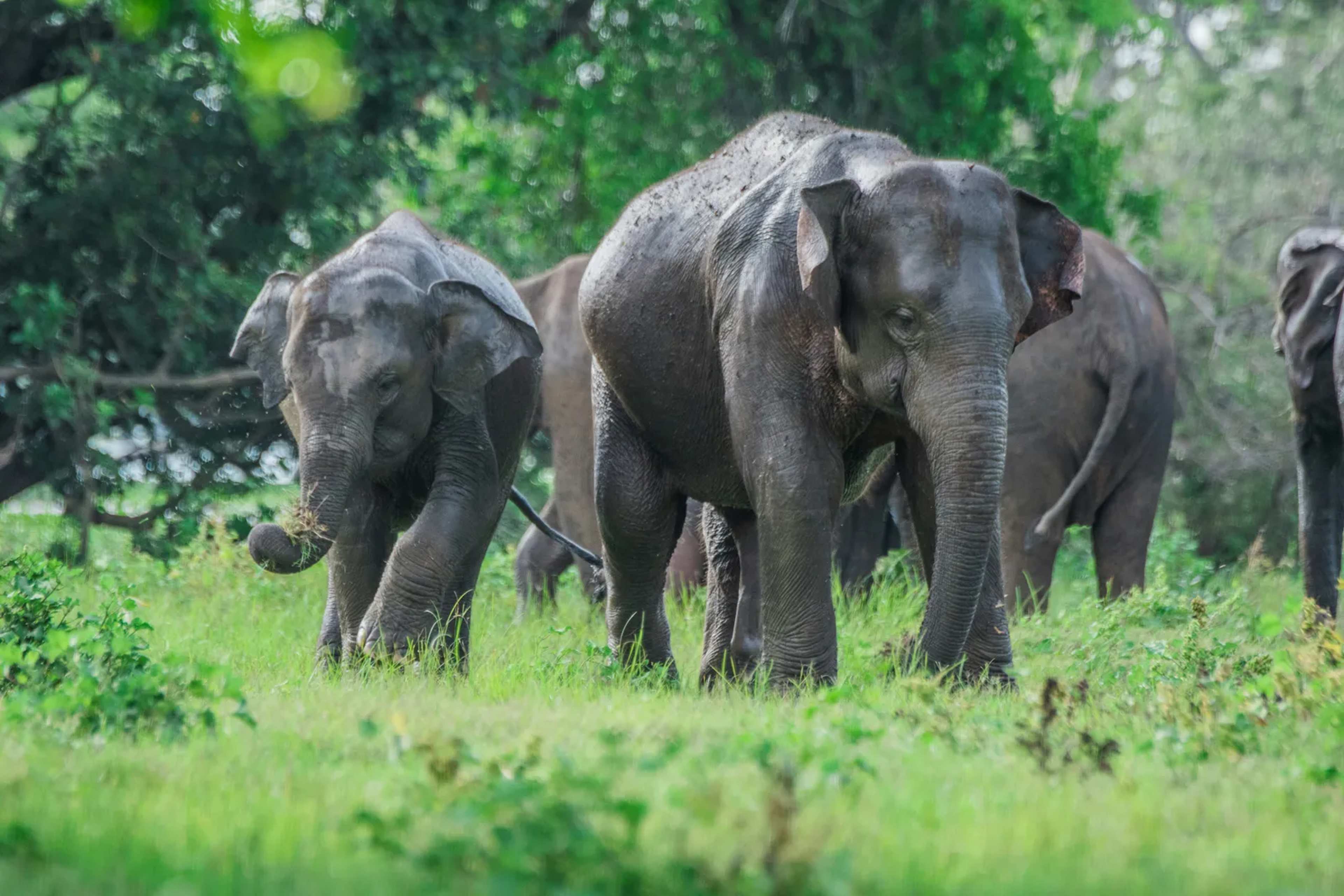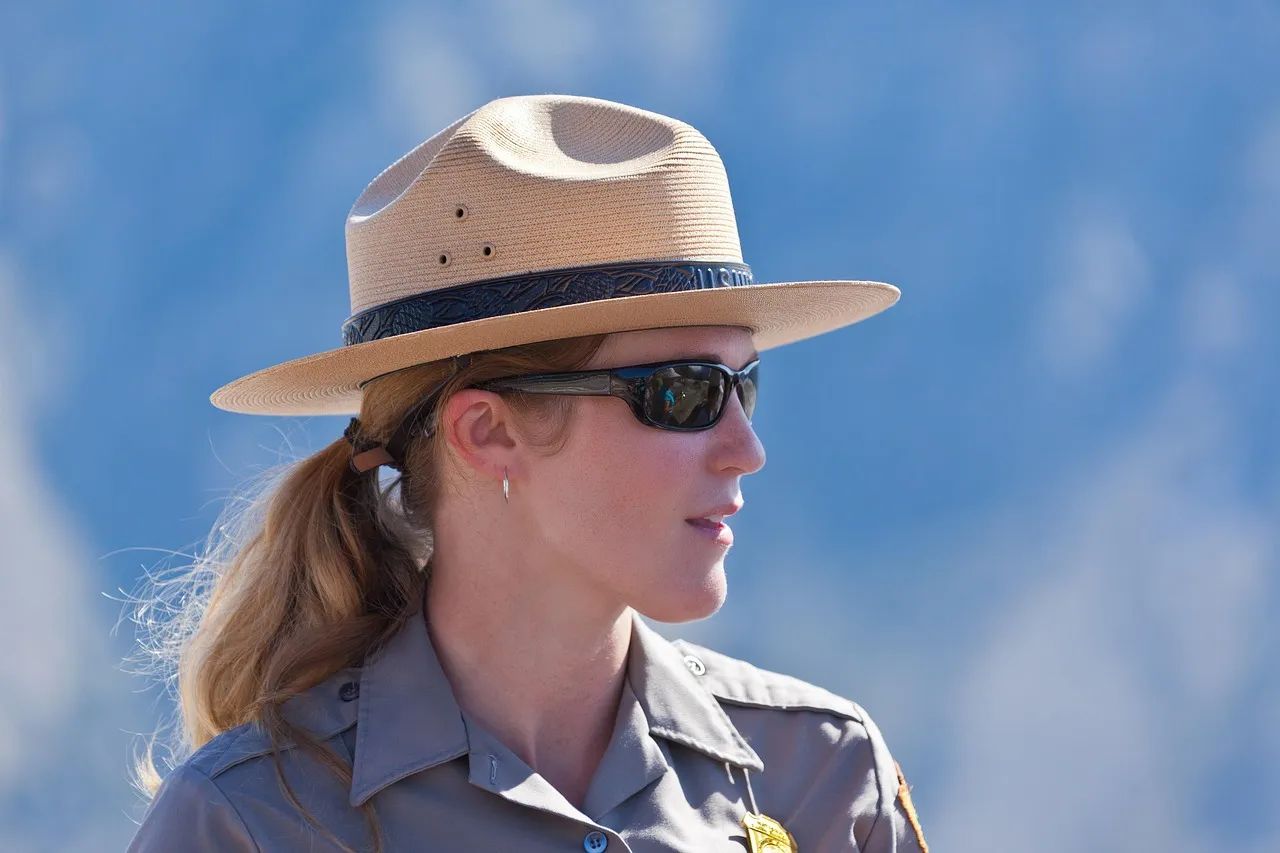
Zortapa, Liberia – Grace Kotee-Zansi grew up watching her grandfather hunt and farm in the forest that now falls under her watch. She works today as a biologist ranger in the East Nimba Nature Reserve, where her job is to stop hunters from killing protected animals. Her role stands out in a field long led by men, and it comes as the surrounding Mount Nimba landscape has lost forest cover. Her story, Mongabay [1], offers a close look at the people doing this work on the ground. ([1])
A childhood shaped by the forest
For Kotee-Zansi, the reserve is not an abstract conservation zone. It is the landscape she knew as a girl, when her grandfather’s hunting and farming were part of daily life. That history gives her work a personal weight that is hard to separate from the job itself.
The contrast is clear to her. The world her grandfather moved through is the same one she now monitors from the opposite side, where the goal is to keep hunters away from animals that are legally protected. She describes the work as a fulfillment of something she imagined as a child, which is a rare thing to say about a job with long hours and little public attention.
Months in the field, far from home
Patrols in the reserve can last for months. Rangers leave their spouses and children behind to spend long stretches in the forest, and the work is physically demanding and often isolated. The reserve covers 13,500 hectares, or 33,400 acres, and is a proposed extension to a UNESCO World Heritage Site, which gives its protection added regional significance.
Kotee-Zansi’s duties are varied and practical. Her work typically involves:
- Tracking poachers and recording signs of hunting activity
- Documenting animal footprints to understand which species are present
- Recording illegal human activity inside the park
- Checking cameras installed to capture both wildlife and people entering the forest
The camera checks in particular give rangers a way to verify what is happening in areas they cannot watch constantly. Each set of images helps build a record that can guide future patrols.
A field dominated by men
Men have carried out forest protection in Liberia for decades, and women have only recently begun to join the ranks in meaningful numbers. Official figures from the Liberian Forestry Development Authority (FDA) show how small that group remains across the country’s protected areas.
The FDA attributes the gap largely to recruitment. The agency told Mongabay that finding qualified women who are both willing and prepared to take on ranger work has been difficult. The FDA also said the country’s ranger workforce is expanding through various biodiversity initiatives, though detailed data on gender remains limited. Those figures are summarized below.
| Measure | Figure |
|---|---|
| Rangers deployed across Liberia’s protected areas | 143 |
| Women among those rangers | 17 |
| Approximate share of women | About 12 percent |
Why forest loss raises the stakes
The pressure on the landscape is measurable. A report using satellite imagery found that the Mount Nimba landscape lost roughly 9.9 percent of its total forest cover between 2013 and 2020. That loss adds urgency to patrols that already depend on a small number of staff covering a large area.
The effects reach beyond the reserve. Rangers, their families, and the wider communities that rely on the forest all have a stake in whether illegal hunting and tree cutting can be controlled. For Kotee-Zansi, the work is both a professional responsibility and a personal link to the place where she grew up.
Related Stories From Travelbinger


What matters now
Liberia has 143 rangers across its protected areas, and only 17 are women. The FDA says recruiting qualified women is a central challenge. Forest cover in the Mount Nimba landscape declined by roughly 9.9 percent between 2013 and 2020. Rangers like Kotee-Zansi are working to slow those losses from inside the reserve.
Kotee-Zansi’s story shows how a childhood memory can turn into a career in conservation. Her presence in the reserve also raises a practical question for Liberia’s protected areas: how to bring more women into the work so that the next generation of rangers reflects the communities they serve.