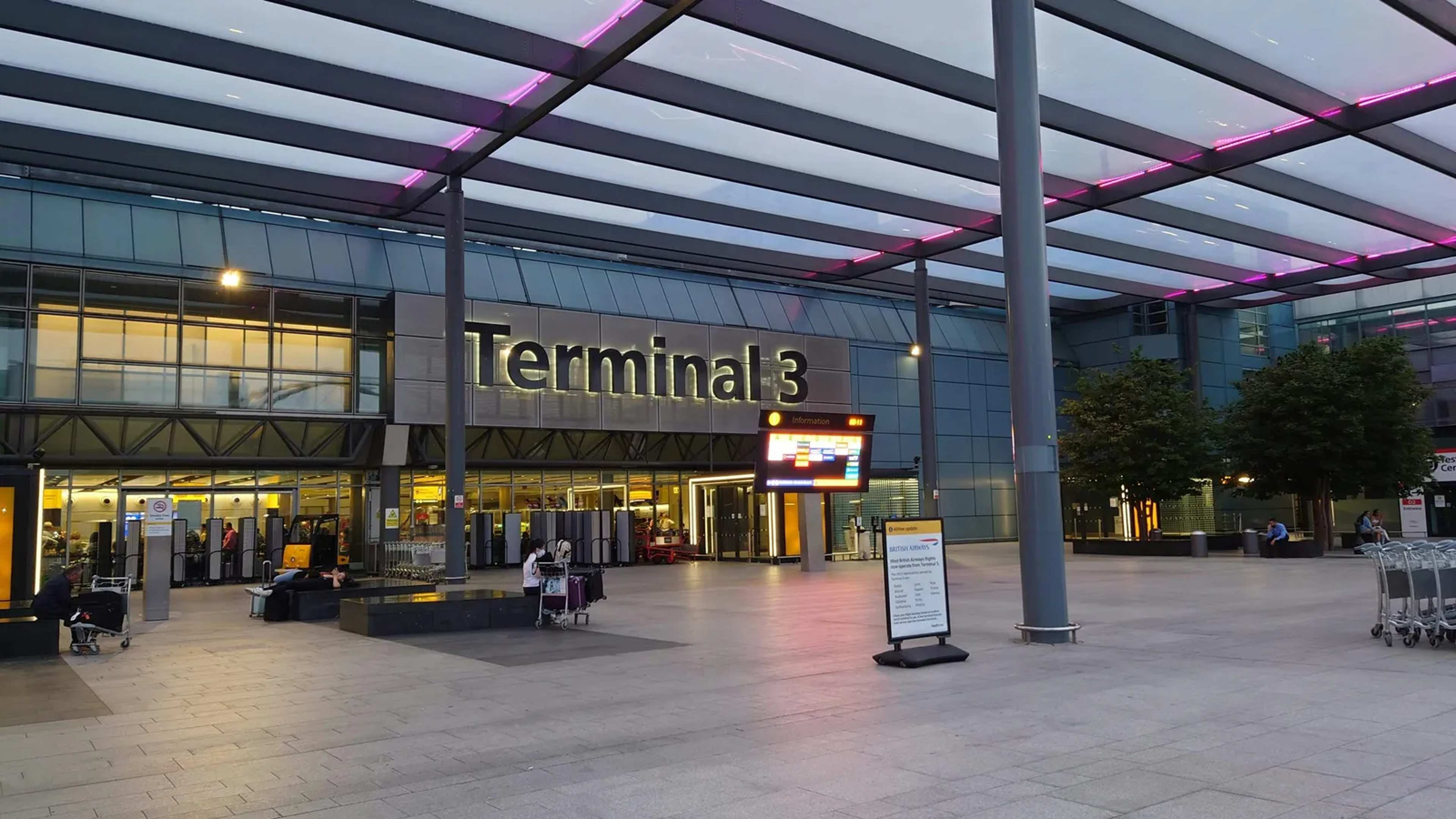
Manila’s main international gateway has seen several adjustments this year that affect how passengers move through the airport. American travelers heading to the Philippines should pay close attention to updated digital arrival procedures and ground transportation details at NAIA Terminal 3, the busiest of the complex. These changes, confirmed through official airport sources in late October, aim to streamline some processes while introducing new steps that first-time visitors often overlook. The terminal now serves a wide range of carriers, including United Airlines and Air Canada on routes from North America, alongside Cebu Pacific’s extensive domestic and international network.
Digital Arrival Steps That Now Apply to Everyone
Every passenger arriving in the Philippines, regardless of nationality, must complete an eTravel registration online no more than 72 hours before departure. The process is free through the official government portal, and travelers are advised to avoid third-party sites that add unnecessary charges. Eligible Filipino citizens with ePassports can use automated eGates upon arrival if they meet height and travel history requirements and have a valid eTravel record. First-time travelers and those who do not qualify proceed to staffed counters. The system rolled out more widely in 2026, but manual processing remains the default for many. Customs allowances remain straightforward for most visitors, with limits on tobacco and alcohol that match standard international rules. Currency declarations follow Bangko Sentral guidelines, and exchange services operate around the clock on the arrivals level.
Terminal Fees and Travel Tax Considerations
Departing passengers face a terminal fee of PHP 950 for international flights and PHP 390 for domestic ones, a rate that took effect in September 2025. Overseas Filipino workers receive an exemption on the international charge. Philippine passport holders also pay a travel tax of PHP 1,620 in economy class for most outbound trips, though exemptions and reduced rates exist for certain groups. A bill to eliminate the tax advanced earlier in the year but has not yet become law. Checking these costs in advance helps avoid surprises at check-in.
Ground Transfers and Avoiding Common Pitfalls
Getting from the terminal into the city requires knowing specific pickup locations on the arrivals curb. Coupon taxis wait across Bay 6 with fixed rates, while metered yellow taxis line up near Bay 8 and regular taxis near Bay 13. Grab rides have dedicated spots depending on the service type, and premium buses such as UBE Express depart from Bay 12. The cheapest option into central areas remains the Airport Loop bus to the nearby MRT station for PHP 40. Pre-booked private transfers through established platforms offer a more predictable experience for those traveling with luggage or arriving late. Dispatch slips provided by airport staff include complaint hotlines and should be retained.
Connecting Flights and Terminal Changes
Several airlines shifted operations earlier in 2026, moving from Terminal 1 to Terminal 3 in March and April. A free inter-terminal shuttle runs continuously for passengers with onward connections, though separate tickets require extra time between flights. Cebu Pacific passengers benefit from both domestic and international operations staying within the same building. What matters now is verifying your airline’s current terminal assignment directly with the carrier or the airport operator before travel, as earlier guides may no longer apply. American travelers who prepare for the eTravel requirement, note the exact transfer bays, and budget for the updated fees will find the arrival process more predictable. The terminal continues to evolve with passenger volume, but attention to these practical details reduces the chance of delays on the ground.