Let’s be real. We’ve all seen those stunning photos of Italy’s coastline, the pastel villages, the Mediterranean charm that seems to seep from every cobblestone street. Yet when the credit card bill arrives after that Italian getaway, the magic suddenly feels a lot less magical. The thing is, Italy has become almost too popular for its own good. Prices have skyrocketed. Crowds have multiplied. The authentic experience? Well, it’s increasingly hard to find beneath layers of tourist traps.
What if I told you there’s a corner of Europe that delivers nearly identical vibes, from dramatic coastlines to rich history and incredible food, for a fraction of what you’d spend in Rome or Venice? This place isn’t some made up fantasy. It’s real, it’s stunning, and honestly, it won’t stay this affordable for much longer. Let’s dive in.
The Budget Numbers That’ll Make You Book Tomorrow

Albania stands out as one of Europe’s most affordable destinations, with travelers spending around $109 per day on average, while budget travelers can manage on just $44 per person daily. Compare that to Italy’s reality. A typical traveler spends $237 per day in Italy, meaning you could potentially spend nearly 70 percent less by choosing Albania instead.
Think about what that means for your wallet. A one week trip to Albania usually costs around $762 for one person, covering accommodation, food, transport, and sightseeing. Meanwhile, a one week trip to Italy runs approximately $1,656 for one person. That’s more than double the expense for similar Mediterranean experiences. The math is pretty straightforward here.
Eastern Europe’s Best Kept Secrets Beyond Albania
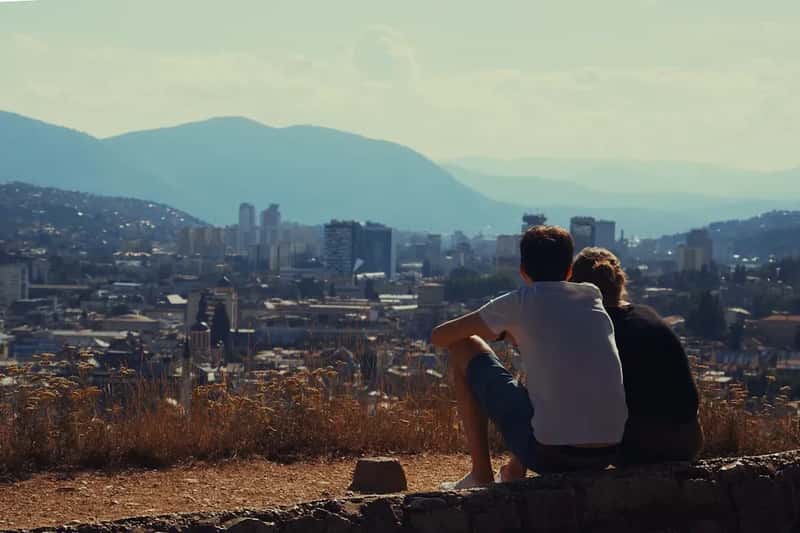
Albania isn’t the only destination where your money stretches impressively far. Albania, Bosnia and Herzegovina, and Serbia stand out as the most economical choices in the Balkans, with reasonably priced meals, transportation and places to stay. These aren’t second rate alternatives. They’re legitimate destinations with jaw dropping landscapes and fascinating histories.
In Ukraine before the conflict, travelers spent about $43 per day, while Bulgaria averaged around $44 USD per day. Serbia, Montenegro, North Macedonia… the list goes on. Each offers something unique while keeping your budget intact. An average of €32 to €42 a day across these Balkan countries is feasible, and honestly, that’s a game changer for anyone who wants authentic travel without the premium price tag.
When Coastal Dreams Don’t Require a Trust Fund
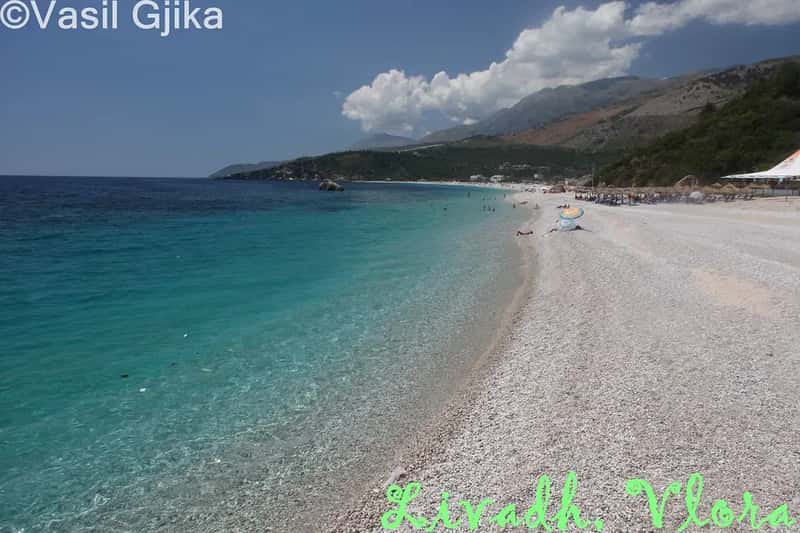
Here’s where Albania really shines. The Albanian Riviera stretches over 80 miles of coastline from Vlorë to Sarandë, with long Mediterranean summers and a coastline that rivals the French Riviera, fast becoming one of the most popular spots for a beach vacation in southeastern Europe. The water is crystal clear. The beaches are stunning. The vibe is relaxed.
Albanian Riviera beaches rival Greece at half the price, representing a rare travel opportunity with stunning beaches, rich history, and authentic culture at prices roughly half of famous neighbors. Think about it this way: you could be lounging on pristine beaches, eating fresh seafood, and sipping local wine for what you’d spend on a couple of overpriced meals in Positano. The Albanian Riviera delivers Mediterranean magic without the financial hangover.
Timing matters though. Peak summer brings sweltering heat, sky high prices and overcrowded beaches, with visitors trying to avoid the same issues in Greece and Croatia. Smart travelers know the secret: visit during shoulder season for better value and fewer crowds.
The Caucasus Region That Nobody Talks About
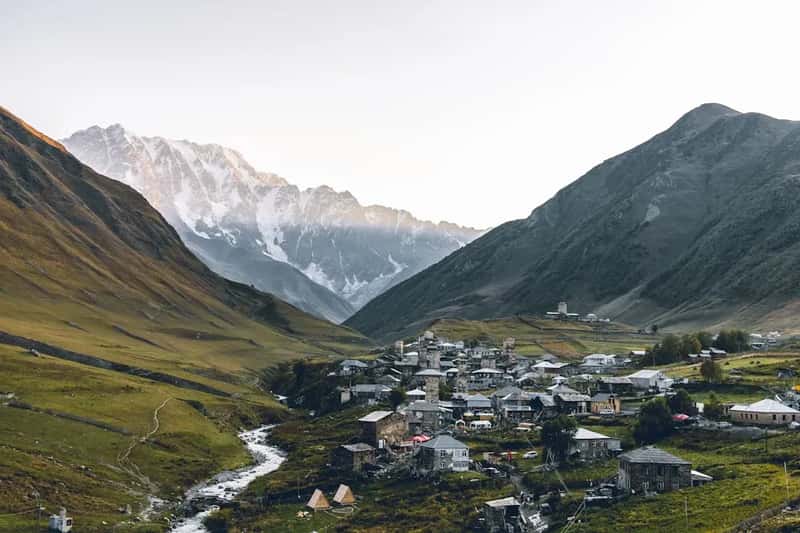
If you really want to blow people’s minds with your travel stories, consider heading even further east. Armenia, Azerbaijan, and Georgia are quickly becoming must see destinations for global travelers, brimming with rich culture, diverse landscapes, and jaw dropping historical sites. These countries remain seriously underloved by most travelers, which means you’ll discover places without fighting through Instagram crowds.
It’s possible to explore Azerbaijan, Georgia and Armenia in three weeks for under $1200, not by doing a touch and go trip or cheaping out on experiences. That’s incredible value for three countries packed with ancient monasteries, mountain scenery, and some of the world’s oldest wine regions. Tourism spending in Georgia alone reached GEL 6.2 billion in one quarter of 2025, marking an increase from the previous year, pushing the region to the forefront of economic prosperity. Translation: these destinations are emerging fast, so get there before everyone else figures it out.
What Eastern European Food Actually Tastes Like
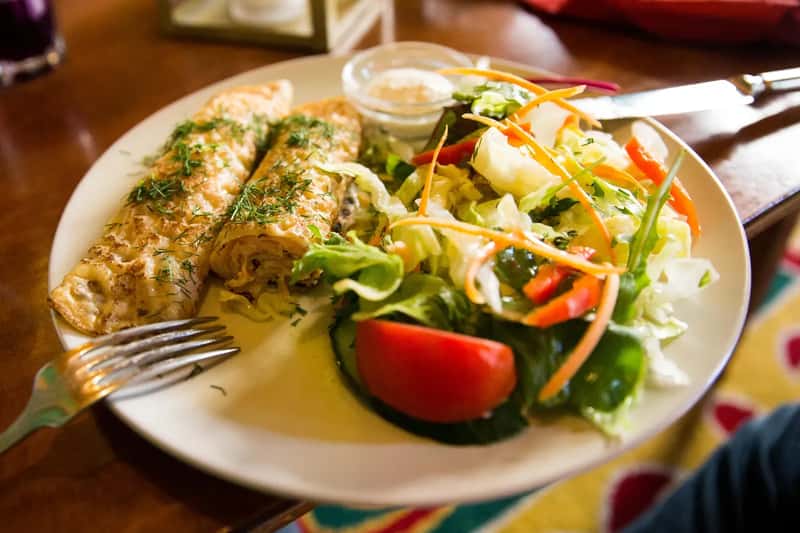
Let me clear something up right now. Budget friendly doesn’t mean you’re sacrificing quality, especially when it comes to food. Local restaurants in Prague serve filling dishes like goulash for $8 to $12 USD, while traditional restaurants in Budapest’s Jewish Quarter or Bucharest’s Old Town charge $15 to $20 USD for a main course with drinks. Compare that to Italy where even simple trattorias can easily hit $30 or more per person.
Albania serves up fresh Mediterranean cuisine with Balkan influences. Grilled meats, fresh seafood, locally grown vegetables, and that thick yogurt you’ll become addicted to. The Caucasus region brings its own flavor profile with khachapuri in Georgia, Armenian dolma, and Azerbaijani plov. These aren’t watered down tourist versions. This is authentic, home style cooking that locals actually eat, served at prices that won’t make you wince when the bill arrives.
Getting Around Without Breaking the Bank
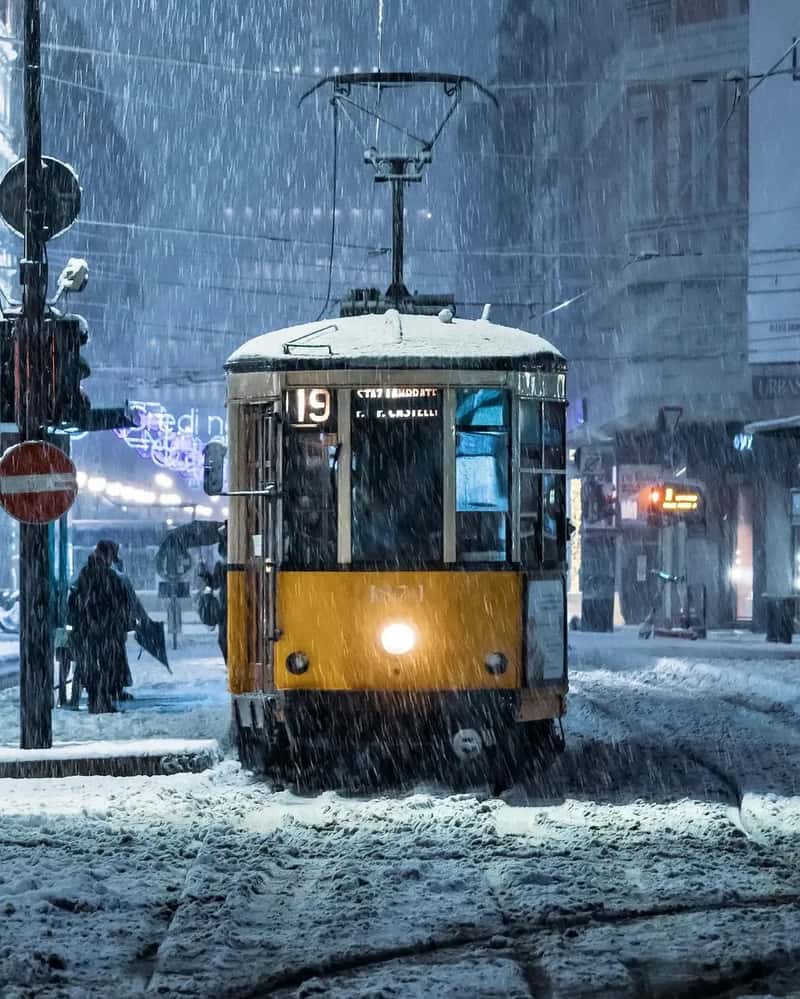
Transportation costs matter more than people realize. Buses in Albania cost from 300 ALL to over 1,000 ALL depending on distance, with a bus from Sarandë to Tirana taking about five hours and costing about 1,700 ALL, while Berat to Tirana costs about 400 ALL. That’s incredibly reasonable compared to Italian train fares, where high speed trains can jump significantly if you buy at the last minute, though they start around €15 to €30 for popular routes.
Eastern European buses and trains remain affordable and surprisingly comfortable. Sure, they might not be as sleek as Italian high speed rail, but they get you where you need to go without demolishing your budget. Many Balkan countries are relatively compact, meaning you can explore multiple destinations without spending days in transit or hundreds on transportation.
Where to Base Yourself for Maximum Experience
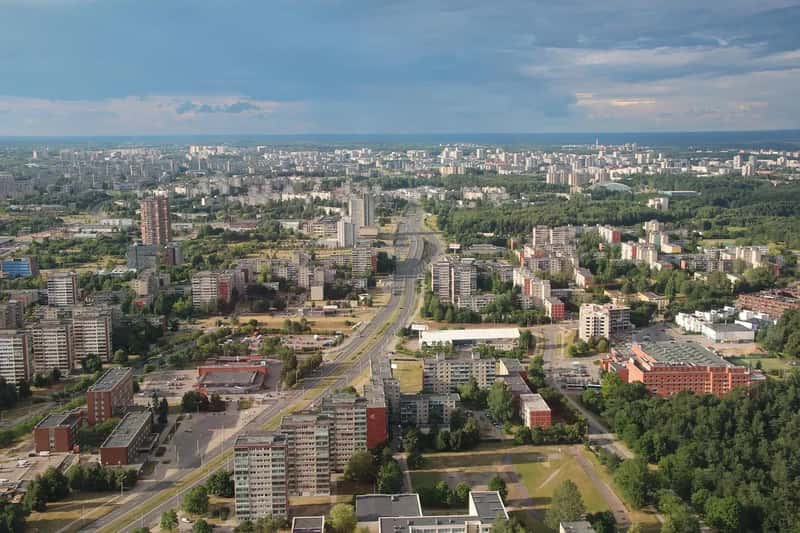
Budget travelers find excellent value in Eastern European cities, with meals and attractions costing far less than major Italian cities while still offering rich architectural and cultural experiences. Budapest delivers thermal baths, stunning architecture along the Danube, and vibrant nightlife. Bucharest surprises visitors with its eclectic mix of Belle Époque buildings and communist era relics. Both cities punch way above their weight class in terms of what they offer.
Tirana’s Skanderbeg Square and National Museum cost just a few euros, while cities like Belgrade and Sarajevo provide similar value. These capitals aren’t watered down versions of Western European cities. They’re the real deal with their own distinct personalities, fascinating histories, and enough coffee culture to satisfy any espresso lover. The difference? You won’t need to take out a second mortgage to enjoy them.
Accommodation That Won’t Eat Your Entire Budget
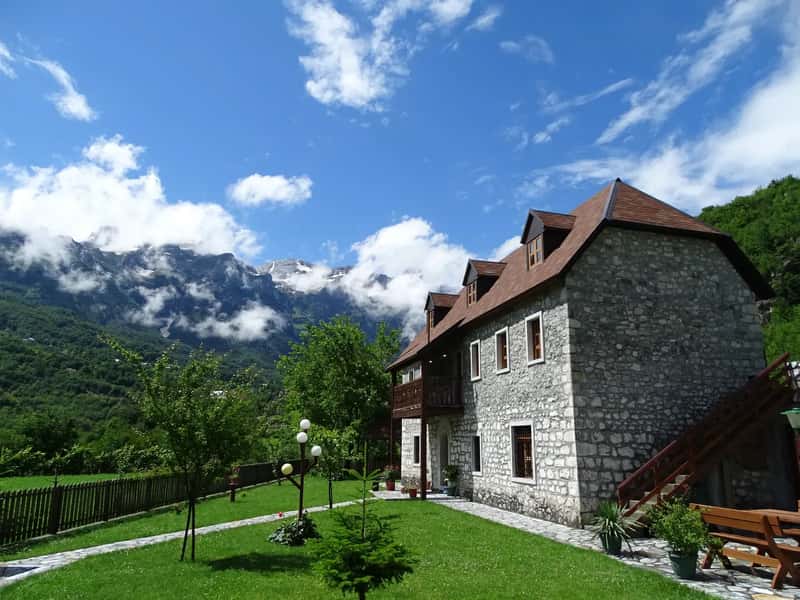
Let’s talk about where you’ll actually sleep. It is possible to visit Albania on a reasonable budget by staying in budget guesthouses, using public transport, eating local food, and squeezing in as many activities as possible. You’re not looking at hostels with twenty bunk beds crammed into one room. Many budget accommodations in Eastern Europe offer clean, comfortable private rooms with local charm.
Accommodation prices in Italy typically start around $95 per night for a double room in a two to three star hotel, with four star hotels requiring at least $150 per person per night. Meanwhile, in Albania and neighboring countries, you can find perfectly nice guesthouses and small hotels for significantly less. The money you save on accommodation is money you can spend on experiences, local food, or simply extending your trip.
The Cultural Richness Nobody Expects
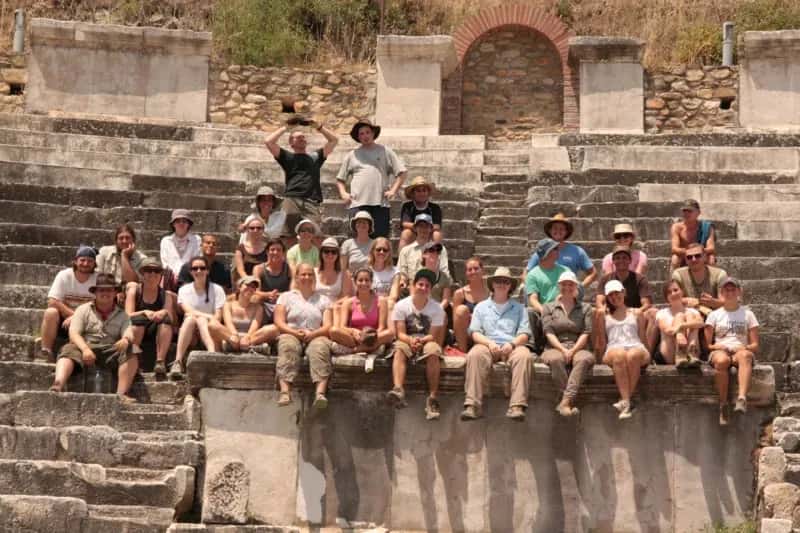
Here’s what surprised me most when researching Eastern Europe: the sheer depth of history and culture. The Albanian Riviera is ideal for those interested in Greek and Roman history, home to UNESCO sites such as Butrint Archaeological Site and National Park. Ancient ruins, medieval fortresses, Ottoman era architecture, and influences from empires that stretched across continents.
Many top attractions in Eastern European destinations are free or have minimal entrance fees, making sightseeing and cultural immersion highly accessible for budget travelers. You’re not sacrificing cultural experiences by choosing these destinations. If anything, you’re gaining access to places that feel less commercialized, where history hasn’t been packaged and sanitized for mass tourism. The stories are rawer, the experiences more authentic.
Why This Won’t Last Forever
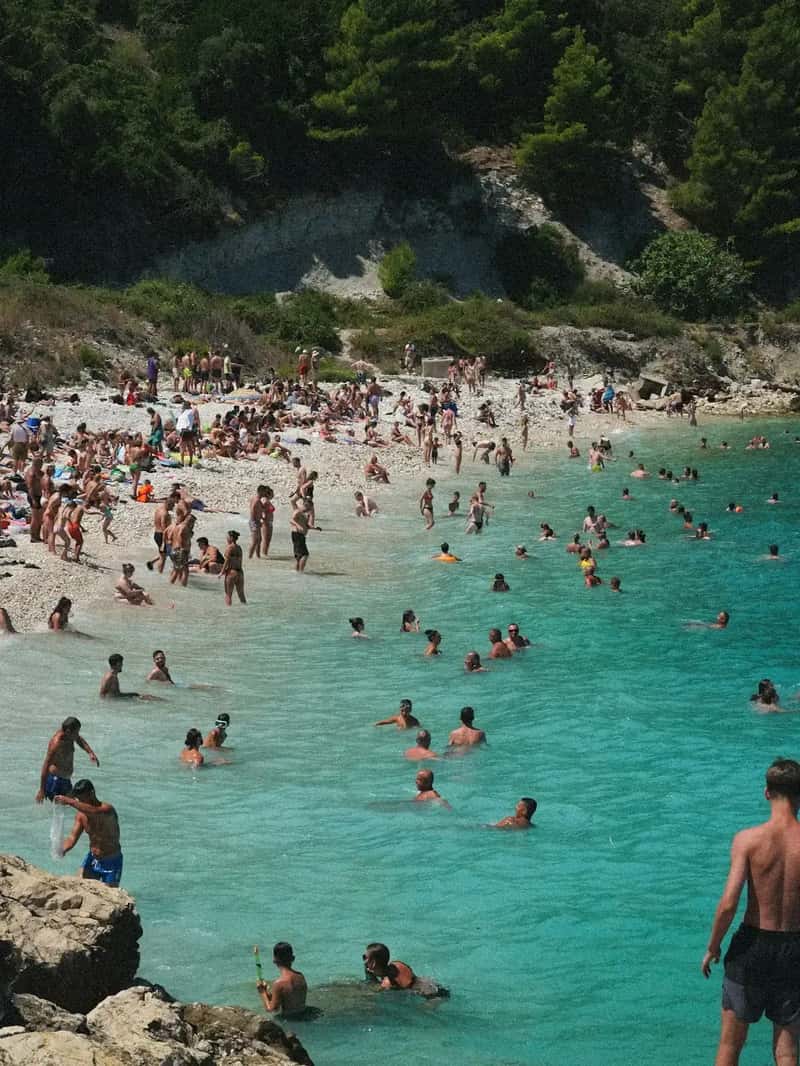
Albania tourism surged roughly one third in 2024, with tourism growth doubling year over year and international hotel chains arriving. The secret is getting out. Social media has discovered these destinations. Prices are rising as infrastructure improves and demand increases. While the internet is littered with articles declaring Albania the cheapest country in Europe, this is not the case in 2025, with prices steadily increasing over the past couple of years.
This isn’t me being dramatic. It’s simple economics. When travel bloggers descend on a place and declare it the next big thing, that place inevitably becomes more expensive and crowded. Albania, Georgia, and other Eastern European gems are following the same trajectory that Croatia, Portugal, and Slovenia took before them. The window for experiencing these places before they hit mainstream saturation is closing. Not in decades. In the next few years.
So what are you waiting for? The Mediterranean magic you crave exists beyond Italy’s borders, at prices that’ll let you travel longer, eat better, and stress less about money. Eastern Europe isn’t the consolation prize. It’s the insider secret that smart travelers have known about for years.