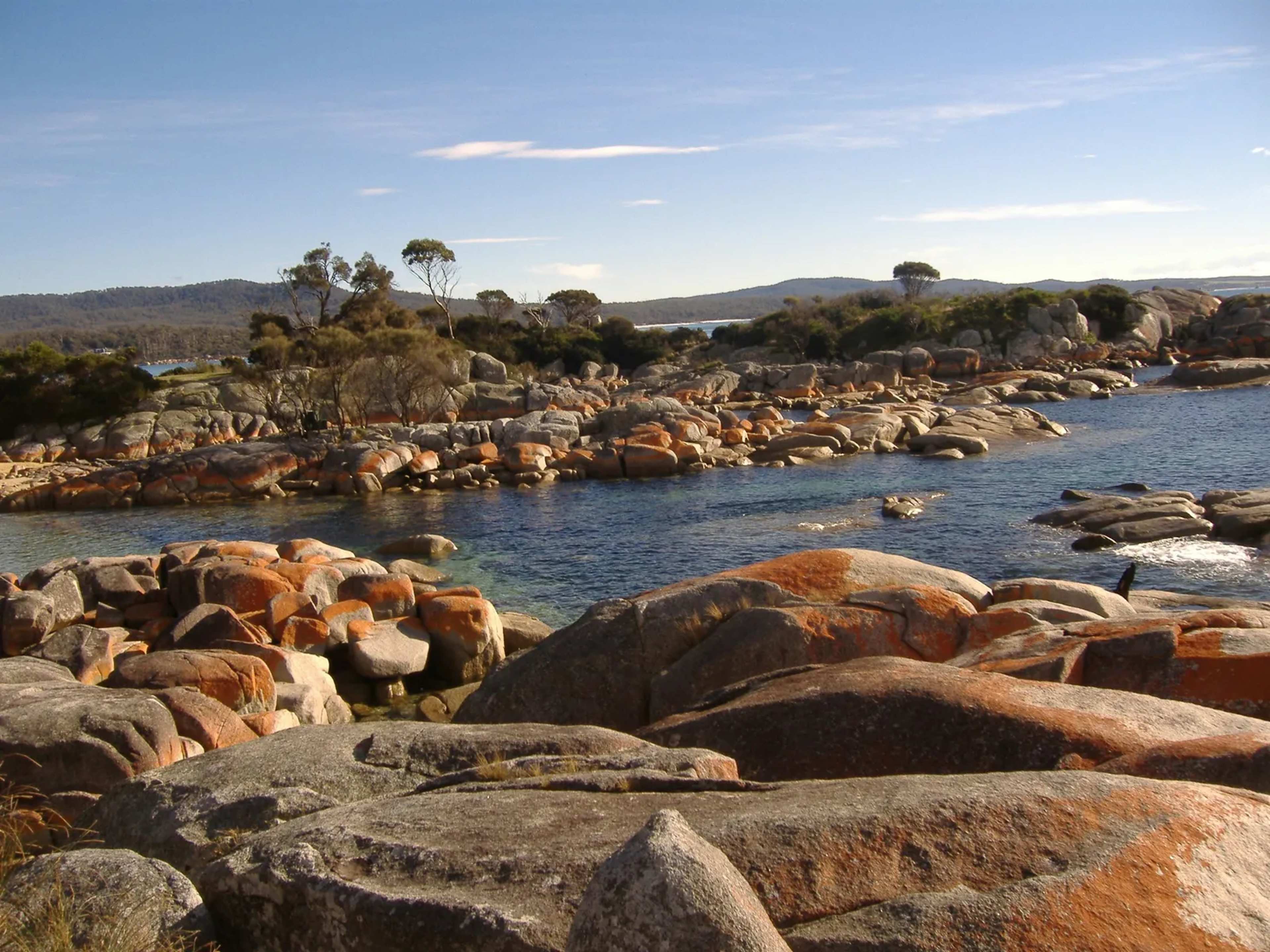
Six marine sanctuaries recognized as Blue Parks, four of them in Africa – Image for illustrative purposes only (Image credits: Unsplash)
Mombasa, Kenya – Four of the six marine sanctuaries newly designated as Blue Parks lie in Africa, a notable concentration that underscores the continent’s growing role in ocean protection. The recognitions were announced during the Our Ocean conference held here from June 16 to 18, where more than 6,000 delegates from governments, nonprofits and industry discussed practical steps to meet global marine targets. The Blue Park Awards, presented by the Marine Conservation Institute, highlight protected areas that demonstrate measurable conservation results rather than paper designations alone.
Why These Designations Matter Now
The awards arrive as countries work toward the 30×30 target set under the Kunming-Montreal Global Biodiversity Framework. That 2022 agreement calls for protecting 30 percent of the world’s land, freshwater and marine areas by 2030. Effective marine protected areas form a core part of that effort, yet many existing sites fall short on enforcement or management.
The six new Blue Parks show that strong outcomes are possible under varied governance models. They span different regions, legal systems and community arrangements, offering concrete examples rather than abstract goals. Conference participants noted that such models can be adapted elsewhere when local conditions and political will align.
The Six Sites Receiving Recognition
The Marine Conservation Institute selected the following areas for their documented ecological performance:
- Banc-des-Américains Marine Protected Area in Canada
- Rapa Nui Marine Protected Area in Chile
- Kawawana Indigenous Community Heritage Area in Senegal
- Nosy Hara National Park in Madagascar
- Sahamalaza-îles Radama National Park in Madagascar
- Nosy Tanihely National Park in Madagascar
Four of the six therefore sit on the African continent, reflecting both the scale of marine habitats there and the increasing capacity of local institutions to manage them. Each site operates under distinct rules, from indigenous community oversight in Senegal to national park frameworks in Madagascar.
Travel Relevance for Ocean Destinations
These sanctuaries already attract visitors interested in diving, snorkeling and low-impact wildlife viewing. Madagascar’s island parks, for instance, draw travelers seeking coral reefs and lemur habitats in the same itinerary. Senegal’s Kawawana area offers community-led tours that combine fishing heritage with marine observation.
Chile’s Rapa Nui site surrounds one of the world’s most remote inhabited islands, while Canada’s Banc-des-Américains provides accessible cold-water diving near the Gulf of St. Lawrence. Recognition as a Blue Park can encourage operators to maintain or strengthen sustainable practices, giving travelers clearer signals about where their visits support genuine protection.
Practical Steps Ahead
Lance Morgan, president of the Marine Conservation Institute, described the cohort as evidence that effective marine protection can succeed across cultures and political systems. The awards do not create new legal protections but instead verify that existing rules are producing results on the water.
Stakeholders at the Mombasa meeting emphasized the need for continued funding, monitoring and community involvement. Without those elements, even well-intentioned designations can lose effectiveness over time. The 30×30 deadline remains less than four years away, so the performance of these six sites will be watched closely as models for replication.
Looking Forward
The Blue Park announcements in Mombasa illustrate how targeted recognition can spotlight working examples amid broader policy discussions. For travelers, the designations point to destinations where conservation efforts are demonstrably active rather than aspirational. Continued attention to management quality will determine whether these sites deliver lasting benefits for both marine ecosystems and the communities that depend on them.