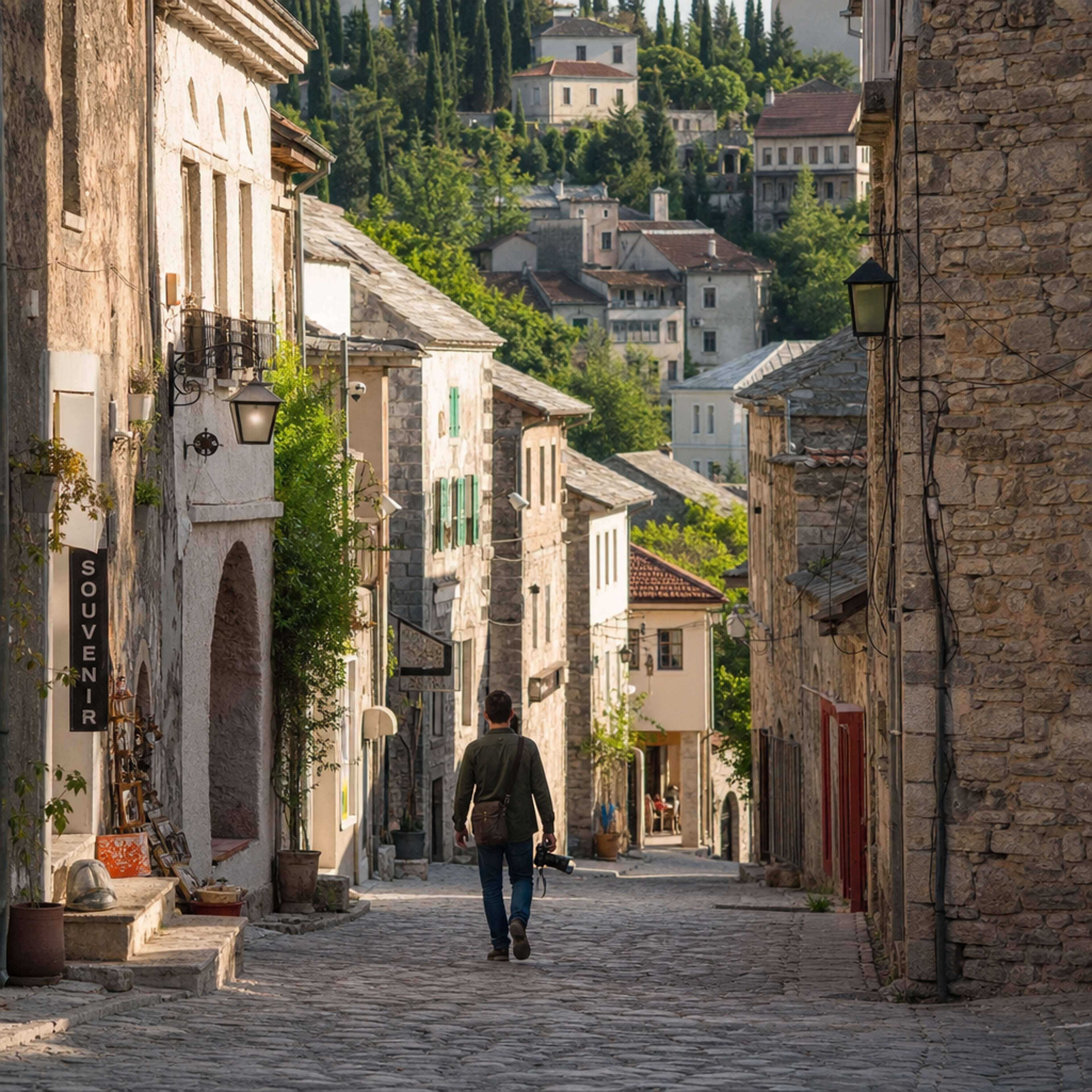

Spain is one of those countries that seems to have it all — world-class food, vibrant festivals, rich history, and a lifestyle that embraces both energy and ease. For cultural travelers, Spain is like a living museum where every city tells its own story. From the architecture of the Moors and Romans to the flamenco rhythms that echo through Andalusia, every corner of the country offers something uniquely captivating.
Unlike destinations that rely on a single highlight, Spain thrives on its variety. In one trip, you could wander through medieval streets, marvel at futuristic buildings, and end your evening sharing tapas in a buzzing plaza. The country invites you not just to see it, but to live it — through food, music, art, and tradition that have been shaped by centuries of influence.
What makes Spain truly special is how culture is woven into daily life. Festivals aren’t staged for tourists — they’re lived passionately by locals. Meals aren’t rushed but savored, often turning into social events that last hours. For travelers eager to dive deep into tradition, there’s no shortage of cities that deliver unforgettable experiences. Here are Spain’s best cities for cultural travelers.
Madrid
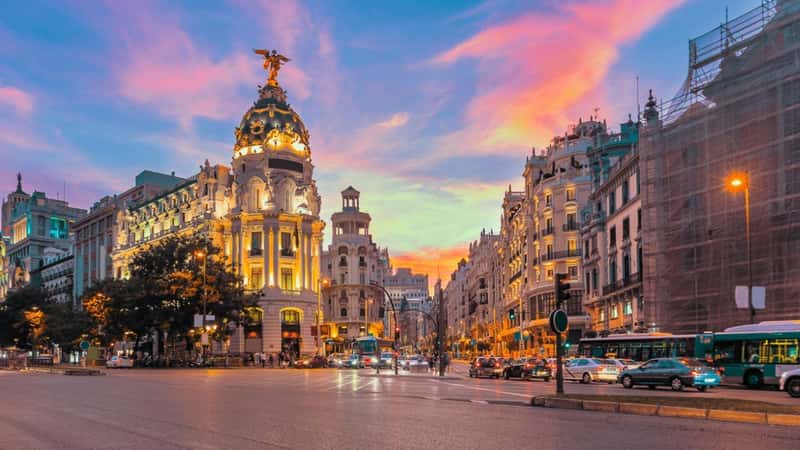
As Spain’s capital, Madrid is a cultural powerhouse that blends history with modern energy. Home to the “Golden Triangle of Art” — the Prado, Reina Sofía, and Thyssen-Bornemisza museums — the city is a paradise for art lovers. You can stand in front of masterpieces by Goya, Velázquez, and Picasso all in the same day. Beyond the museums, the city’s grand boulevards, royal palaces, and leafy parks make every walk feel regal.
But Madrid isn’t just about formal culture. It’s a city that comes alive at night, where tapas bars spill into the streets and locals gather in plazas until the early hours. Flamenco tablaos offer intimate performances that stir your soul, while traditional Sunday afternoons at El Rastro flea market let you glimpse the city’s more bohemian side. In Madrid, high culture and everyday traditions blend seamlessly, creating an experience that feels both sophisticated and deeply local.
Barcelona
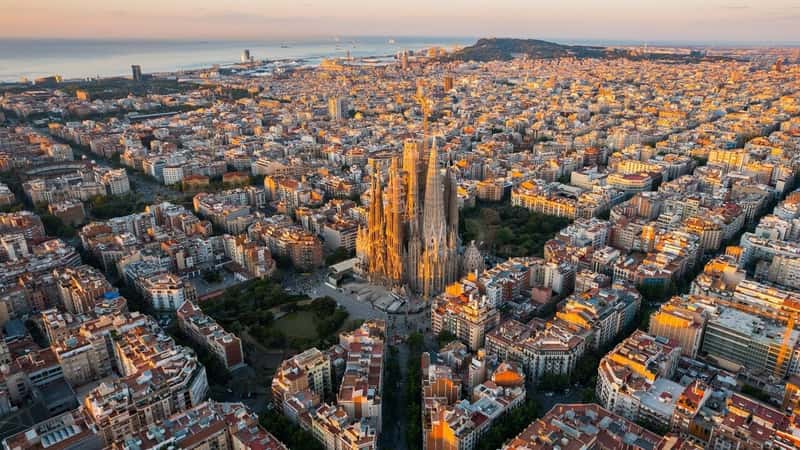
Barcelona is a city that dazzles with creativity and flair. Famous for the surreal architecture of Antoni Gaudí, its skyline is unlike any other. The Sagrada Família, Park Güell, and Casa Batlló are must-sees, showcasing a city that celebrates bold design and imagination. Yet Barcelona is more than just its buildings — its energy flows from the Mediterranean, filling the city with vibrancy and warmth.
Culturally, Barcelona is also the heart of Catalonia, giving visitors a chance to explore traditions distinct from the rest of Spain. The language, festivals, and cuisine reflect this regional pride. Try calçots (charred green onions dipped in romesco sauce) during local food festivals or witness the breathtaking human towers known as castells. Between beachside strolls and late-night tapas, Barcelona shows how tradition and innovation can coexist beautifully.
Seville
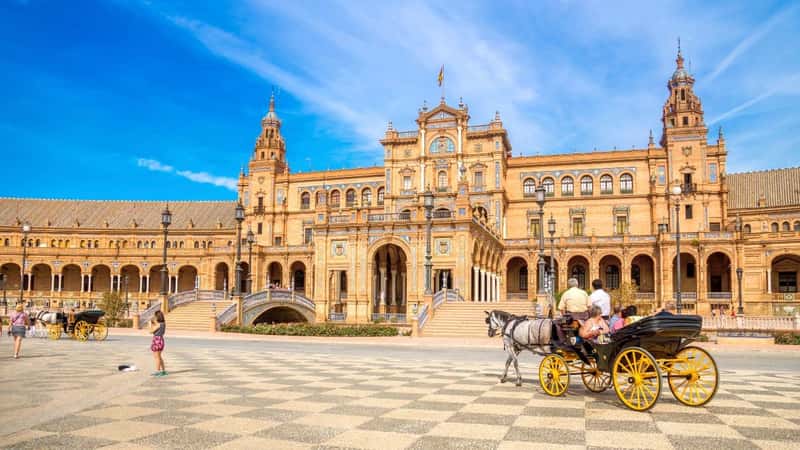
If Spain has a soul, many say it beats strongest in Seville. This Andalusian gem is the birthplace of flamenco, where music and dance are not performances but a way of life. Watching an authentic flamenco show in a small, dimly lit venue is one of the most powerful cultural experiences you can have in Spain. The city is also home to stunning landmarks like the Seville Cathedral, the Giralda tower, and the Real Alcázar — each a testament to centuries of Moorish and Christian influence.
Seville’s cultural calendar is packed with iconic events. Semana Santa (Holy Week) and Feria de Abril (April Fair) transform the city into a stage of tradition, where processions, music, and colorful costumes dominate the streets. Between festivals, you can wander through orange-tree-lined courtyards, sample Andalusian tapas, and soak up the city’s undeniable charm. Seville is passion, history, and tradition rolled into one unforgettable destination.
Granada
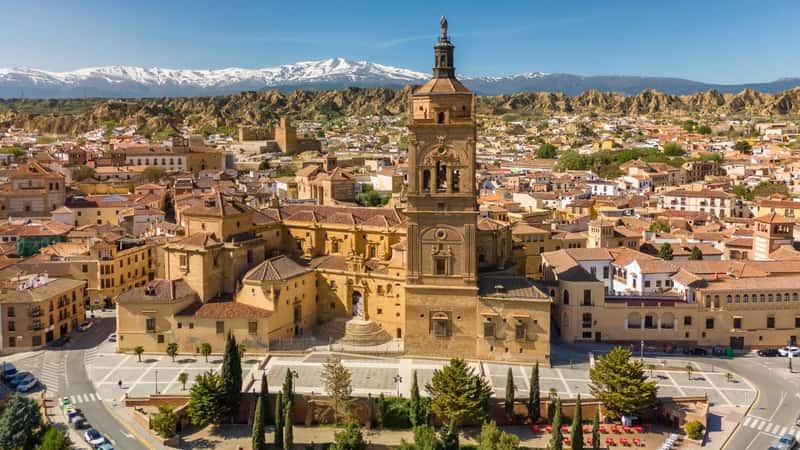
Granada is where Moorish culture lingers most vividly in Spain. The Alhambra, a breathtaking palace and fortress complex, is reason enough to visit. Its intricate Islamic art, lush gardens, and sweeping views of the Sierra Nevada mountains make it one of the most remarkable landmarks in Europe. Walking through its halls, you feel the layers of history that shaped Spain.
Yet Granada isn’t stuck in the past. Its old Albaicín neighborhood, with winding cobblestone streets, still buzzes with life, while tapas culture here is legendary — many bars still serve free tapas with every drink. The city blends Islamic, Christian, and modern Spanish traditions seamlessly. At sunset, join locals and travelers alike at the Mirador de San Nicolás for views of the Alhambra glowing in golden light — a moment of pure cultural magic.
Valencia
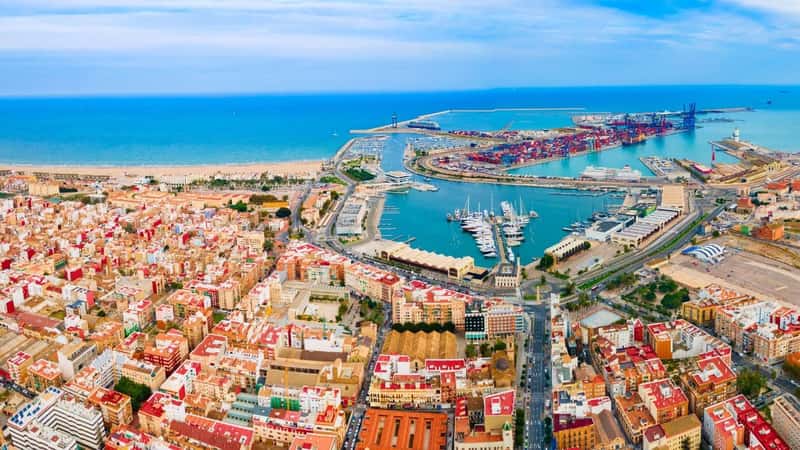
Valencia strikes the perfect balance between old and new. On one hand, you have the historic Silk Exchange and the lively Central Market, both UNESCO World Heritage treasures. On the other, the futuristic City of Arts and Sciences complex shows how boldly the city looks toward the future. This duality makes Valencia a fascinating cultural stop.
Food is central to Valencia’s identity, as it’s the birthplace of paella. Sharing a traditional paella by the sea is more than just a meal — it’s a ritual of community and celebration. Festivals also play a huge role here, with Las Fallas standing out as one of Spain’s most spectacular events. Giant sculptures are paraded, admired, and ultimately set ablaze in a fiery display of tradition and creativity. In Valencia, culture is both rooted and ever-evolving.
Bilbao
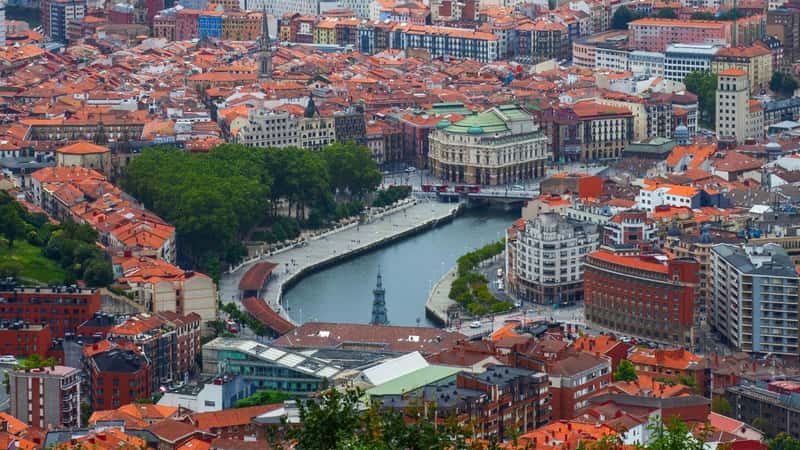
Bilbao may not have the global fame of Madrid or Barcelona, but it’s one of Spain’s most exciting cultural cities. The Guggenheim Museum, with its futuristic design by Frank Gehry, has transformed Bilbao into a hub for modern art and architecture. Yet beyond the landmark, the city has a thriving culinary and creative scene that gives it real depth.
Bilbao is also at the heart of Basque Country, which means its traditions and identity feel distinct. Pintxos — the Basque version of tapas — are central to the local lifestyle, best enjoyed hopping from bar to bar in the old town. Add in folk music, strong regional pride, and dramatic coastal landscapes nearby, and you have a city that shows a different, equally fascinating side of Spain.
Córdoba
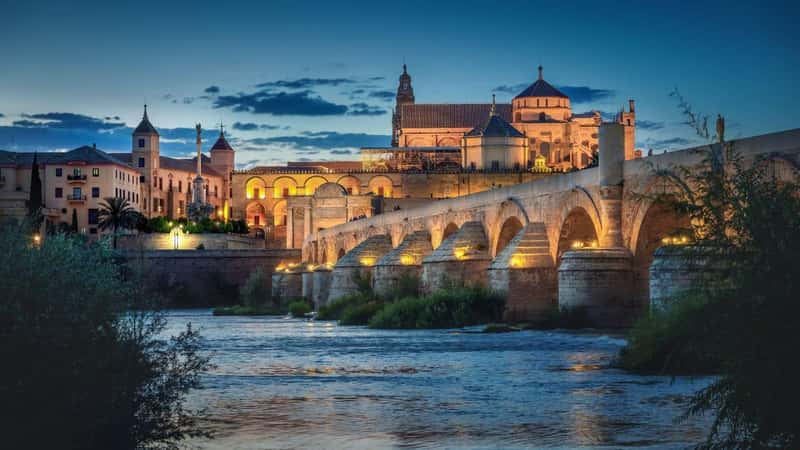
Córdoba is where Spain’s multicultural history shines brightest. The Mezquita, a mosque-cathedral with striking red-and-white arches, is one of the most extraordinary architectural wonders in the world. It reflects centuries of Islamic, Christian, and Jewish influence in one awe-inspiring space. Wandering through Córdoba’s historic quarter feels like stepping back in time.
The city is also famous for its patios — courtyards filled with flowers and fountains that locals proudly display during the annual Patio Festival. This celebration of beauty and tradition has earned UNESCO recognition, making it a highlight of Spanish cultural life. Between sampling local dishes like salmorejo and exploring quiet corners away from the crowds, Córdoba offers a serene yet deeply enriching experience.
San Sebastián

San Sebastián is a cultural feast for both the eyes and the palate. Set along the Bay of Biscay, the city is famed for its beaches and Belle Époque architecture. But what truly sets it apart is its culinary scene — San Sebastián has one of the highest concentrations of Michelin-starred restaurants in the world. Food here is not just sustenance but artistry, and exploring its pintxo bars is a cultural journey in itself.
Beyond the dining, San Sebastián hosts renowned cultural events like the International Film Festival, drawing creatives from around the globe. The city balances sophistication with seaside charm, offering travelers a chance to enjoy both high culture and laid-back tradition. Watching the sunset from Monte Igueldo or joining locals for a night of pintxo-hopping captures the city’s irresistible spirit.