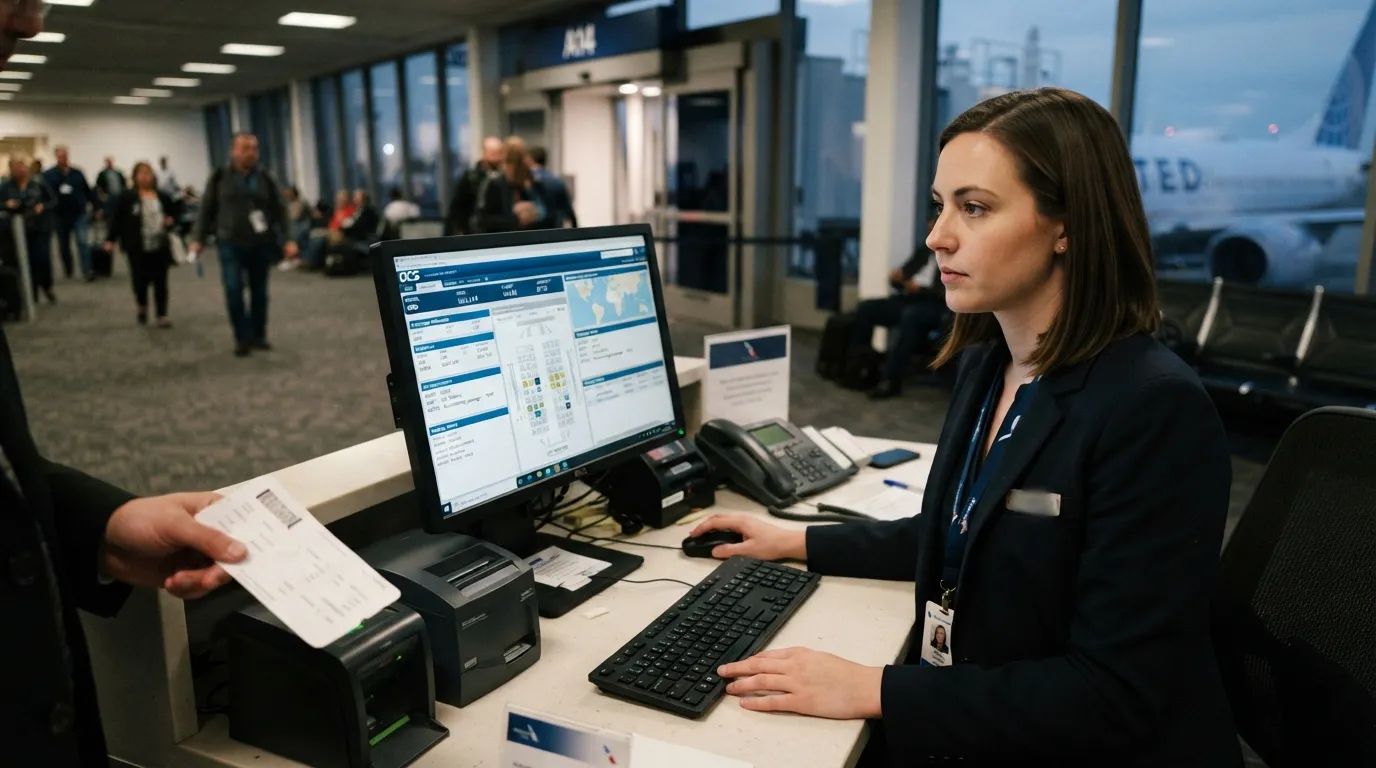
You probably think a gate agent’s job starts when you scan your boarding pass. It doesn’t. By the time you step up to the podium, the person behind it has often already read the room, the line, and you.
Agents and travel insiders say the details they catch are smaller and stranger than most people guess. A few of them can decide whether you get help, a better seat, or a very expensive afternoon. And the one at #1 explains why the rest matter so much.
#22 – The Wrong-Gate Walk-Up Is Spotted From Across the Terminal
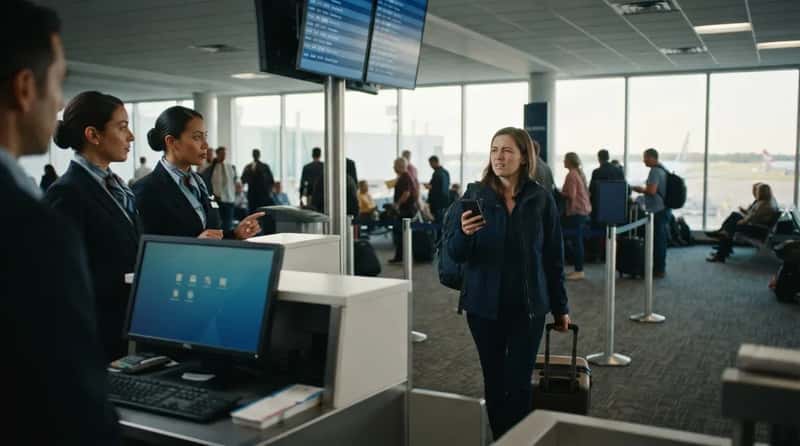
Agents see the lost passenger coming. Travel-industry write-ups say travelers turn up at the wrong gate more often than airlines like to admit.
The giveaways are squinting at a phone, glancing back at the departure board, and drifting toward a line that isn’t theirs. Gate changes happen constantly at busy airports, and the update doesn’t always reach you in time.
Redirecting people is a routine part of the job. A quick correction at the podium beats watching the wrong jet bridge door close on your trip.
#21 – The “Personal Item” That Is Secretly a Second Carry-On
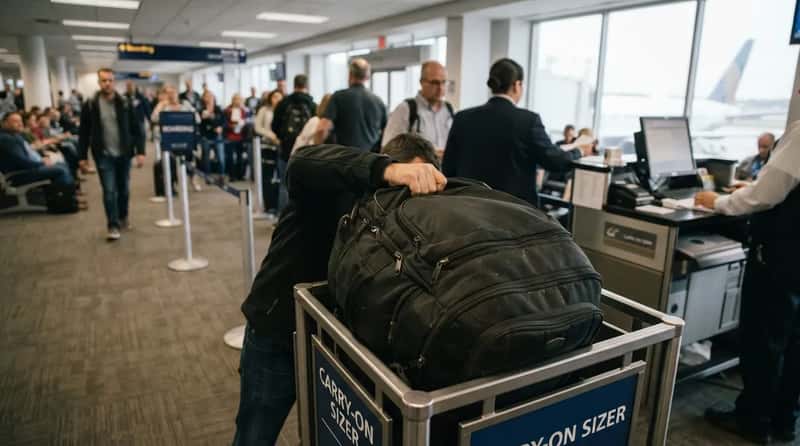
Agents don’t need a tape measure to spot an oversized bag. They watch how it’s carried, how hard it’s being shoved, and whether the zipper is losing the fight.
A bag that bulges like a loaf of bread usually gets noticed before it reaches the boarding lane.
Most airlines have sizers at or near the gate, and on a full flight the overhead space disappears fast. Agents would rather tag a bag at the podium than argue about it in the jet bridge. The friendliest treatment often goes to the passengers who offer to gate-check before anyone asks.
At a Glance
- Several major U.S. airlines list 22 x 14 x 9 inches as the standard carry-on limit, with handles and wheels included.
- Personal item limits are smaller and differ by airline, so the “fits under the seat” test isn’t universal.
- Some budget carriers charge for a full-size carry-on, and gate fees can cost more than paying in advance.
- On full flights, many big airlines will gate-check a carry-on at no charge.
#20 – Hovering at the Podium Won’t Save Your Overhead Bin Space
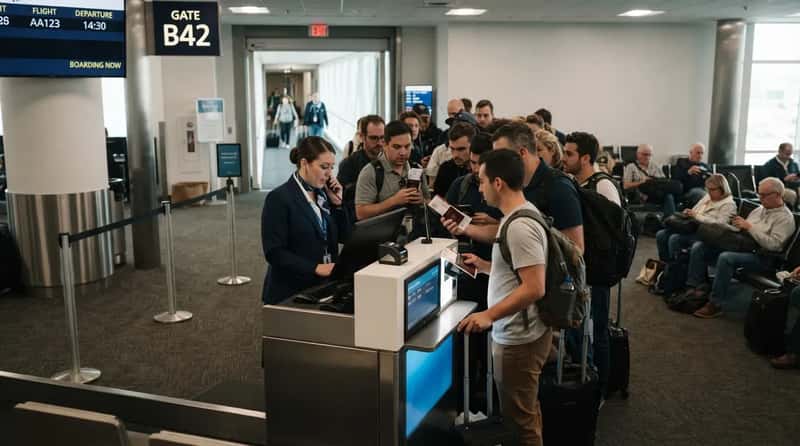
Many travelers believe standing near the desk protects their spot. Plenty of agents would say it does the opposite. Your boarding group decides when you board, not how close you stand.
One travel-industry write-up says agents notice the calm passengers who stay seated and skip the early shuffle. Not hovering, not jostling into the lane early. That quiet impression can matter later.
#19 – Eye Contact Was Once a Written Rule
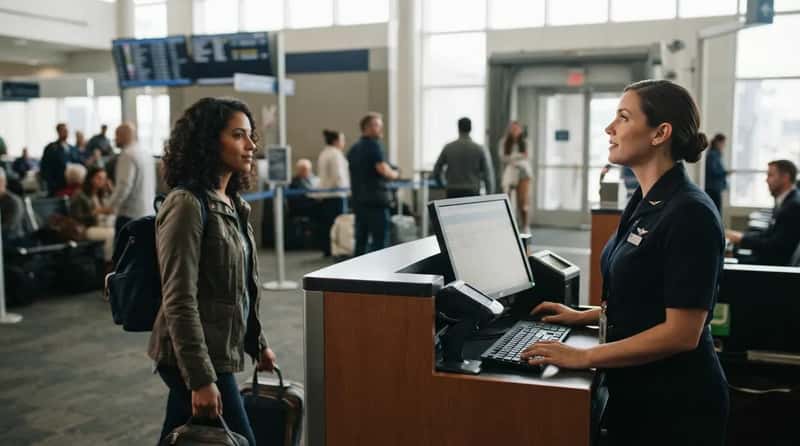
Agents are trained to keep scanning the room. Delta Air Lines reportedly once required agents to make eye contact with anyone within five feet of the podium every five seconds. It sounds extreme, but the habit spread.
Eye contact lets an agent catch a worried look before it becomes a problem. Travel-industry sources say agents spot mobility challenges, hearing aids, medical equipment, and visible fatigue this way, often before any announcement. If you want to be noticed, look up and meet their eyes.
#18 – The Boarding Pass Fumble That Stalls the Whole Line
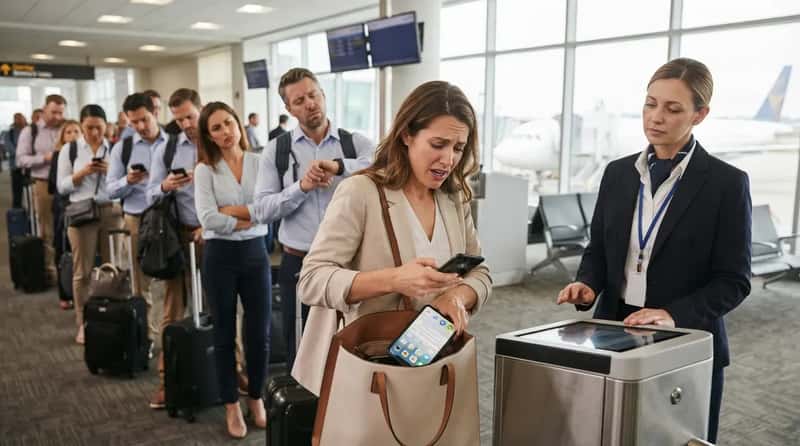
Every agent knows the scene. Someone reaches the scanner, then starts hunting through email, screenshots, and a cracked phone screen while the line stacks up behind them.
One person without a ready pass can stall dozens of people.
Agents notice who has the pass open and who is still searching in the lane. The prepared traveler glides through and tends to get the benefit of the doubt later. The scrambler collects a chorus of sighs from the line behind.
#17 – A Name That Doesn’t Match Is Spotted in Seconds
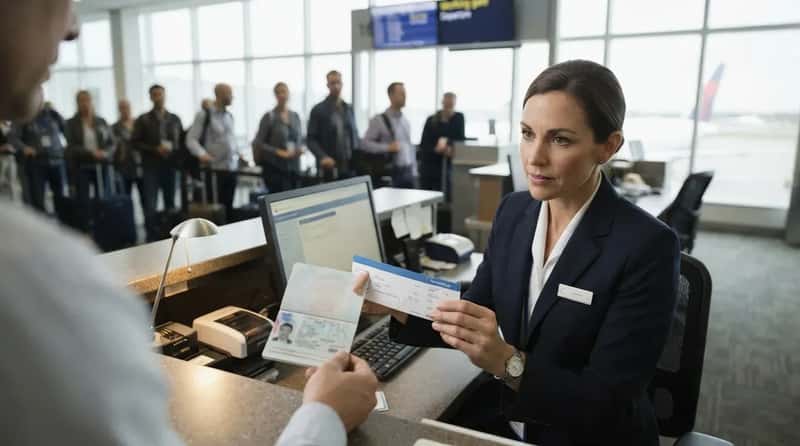
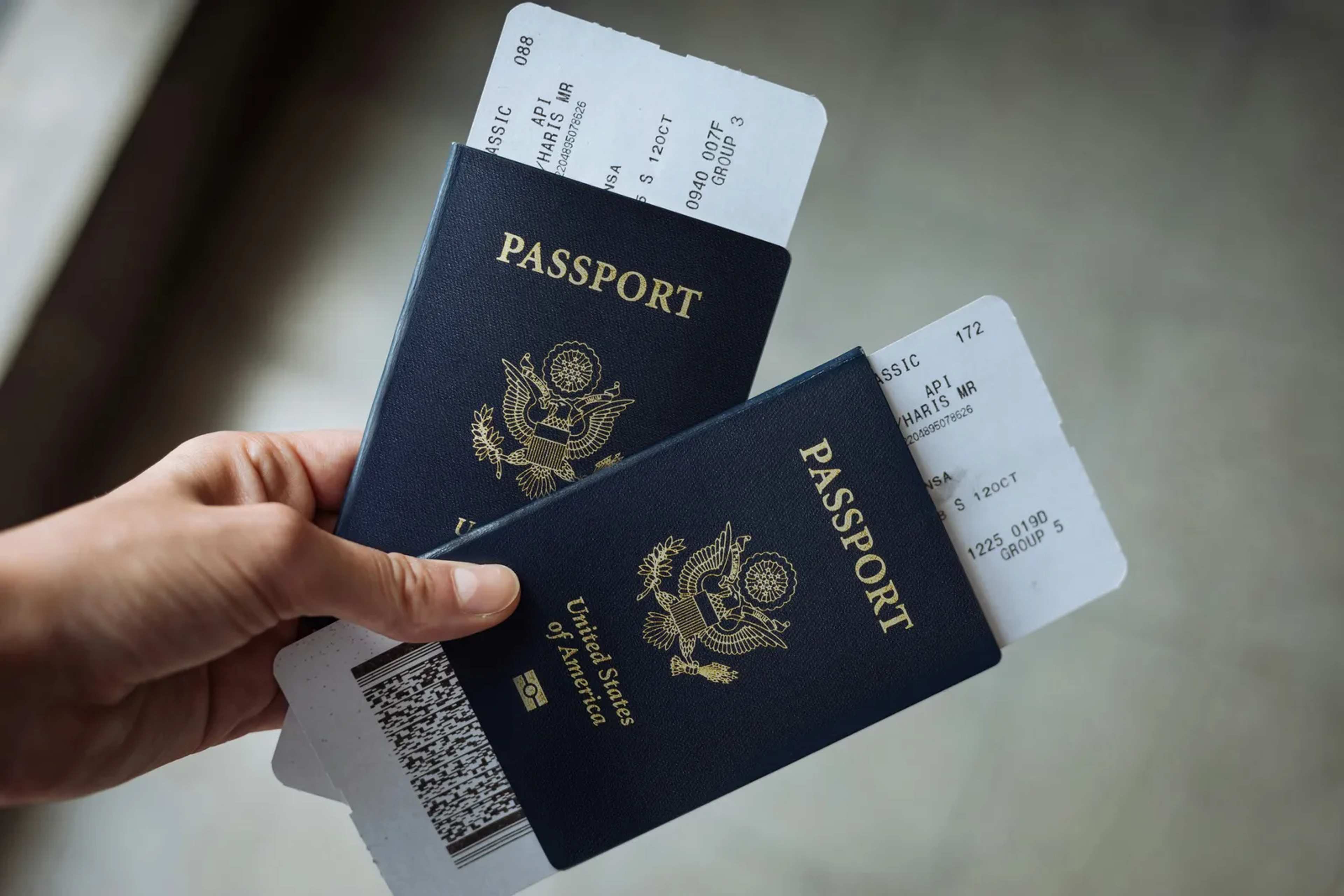
Your name on the ticket has to match your photo ID. Even a missing hyphen or a swapped letter can trigger a flag. Travel-industry write-ups say agents are trained to catch mismatches in under five seconds.
A mismatch can be more than a paperwork hiccup. In the worst cases, it can mean you don’t board at all.
It’s one of the few gate problems that has nothing to do with attitude, and agents hate delivering that news.
#16 – The $45 Fallout of the REAL ID Scramble
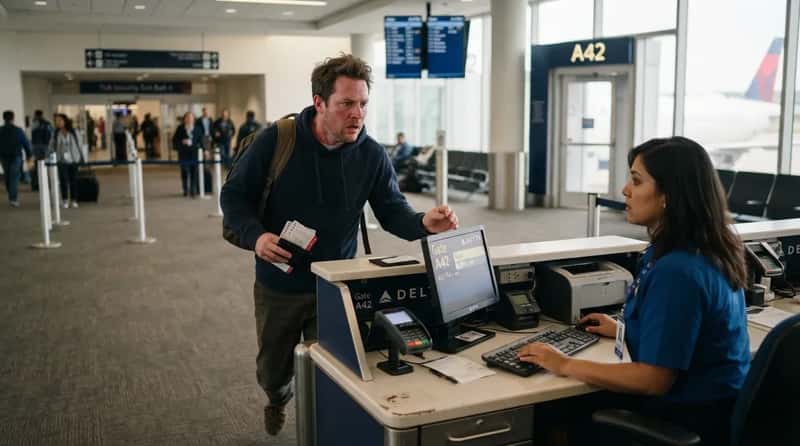
Agents don’t run the TSA checkpoint, but they see who comes out of it rattled and late. Since February 1, 2026, TSA has offered a paid ID-verification option called ConfirmID for travelers who arrive without proper identification. The cost is $45.
TSA says the process can take up to 30 minutes, and travelers without acceptable ID who haven’t paid may face delays that could cause a missed flight. Reports also say PreCheck benefits don’t apply during that screening. So the passenger who finally jogs up to the gate has often just burned through their entire buffer.
Fast Facts
- REAL ID enforcement at TSA checkpoints began on May 7, 2025.
- ConfirmID has been available since February 1, 2026.
- The fee is $45.
- The verification can take up to 30 minutes, and PreCheck perks reportedly don’t apply.
#15 – Mobility Aids and Medical Gear Get Flagged First
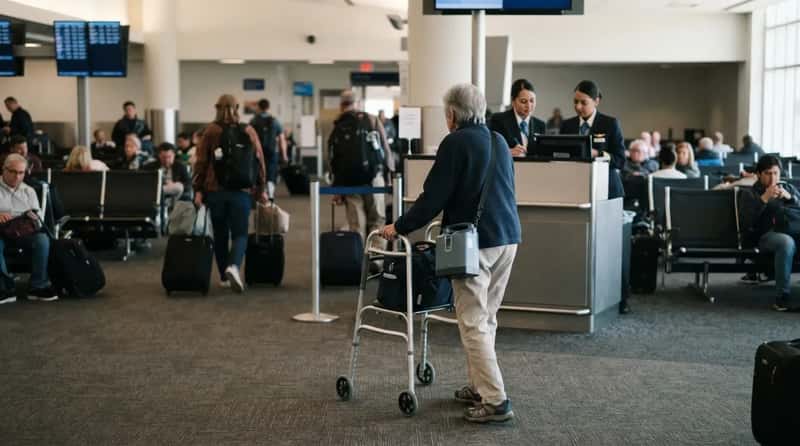
Before the first announcement, trained agents are already checking the room for travelers who may need extra time. They look for canes, walkers, medical bags, oxygen equipment, and hearing devices.
Many of the most useful accommodations start with an agent noticing, not a passenger asking.
An agent who spots a need can plan around it. They may adjust the boarding order, check seat assignments, or coordinate with the crew. Passengers also have a direct way to ask, which shows up again at #10.
#14 – Parents Scattered Across Seat Numbers
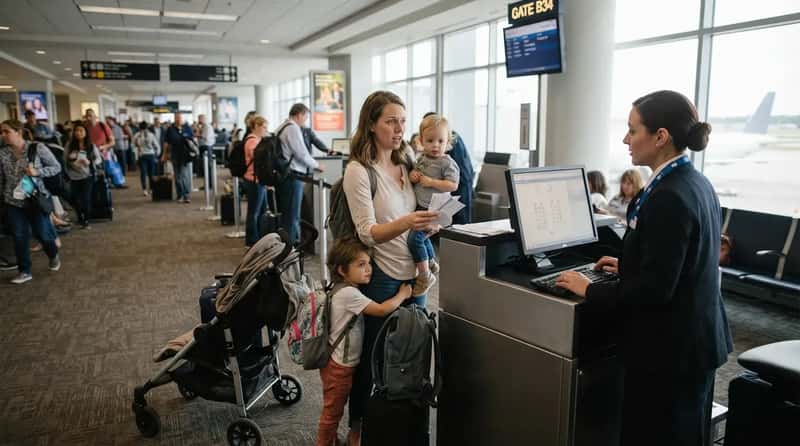
When an agent sees a parent juggling two kids and a stroller while the boarding passes show seats in different rows, they know a problem is coming. Split families are common on packed flights.
Travel-industry sources say gate agents can often fix it on the spot, even on a sold-out flight.
The agent isn’t just reading a seat map. They’re figuring out who is willing to swap and which fix won’t upset a different family. Calm, specific requests tend to work better than a flood of complaints.
#13 – Standby Hopefuls Get Watched Like Hawks
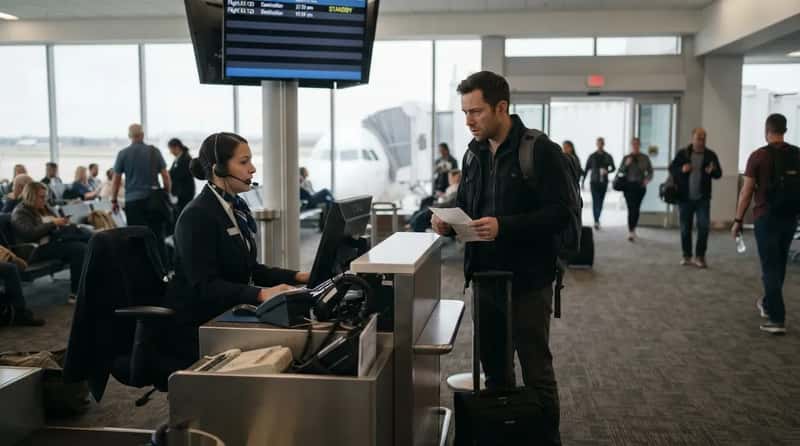
Standby passengers hover the most because they know a seat could open at any moment. A travel-industry write-up says you’re expected at the gate from about an hour before departure until the jet bridge door closes. Agents notice who stays close and who wanders off for a coffee.
The hard truth is simple. You aren’t confirmed until you hear your name called. Nothing printed on the pass counts until that moment.
Agents watch standby passengers freeze at the edge of the podium, and they can’t answer every “any updates?” The wait is brutal for everyone involved.
#12 – The Boarding Group Number Reads Like a Tell
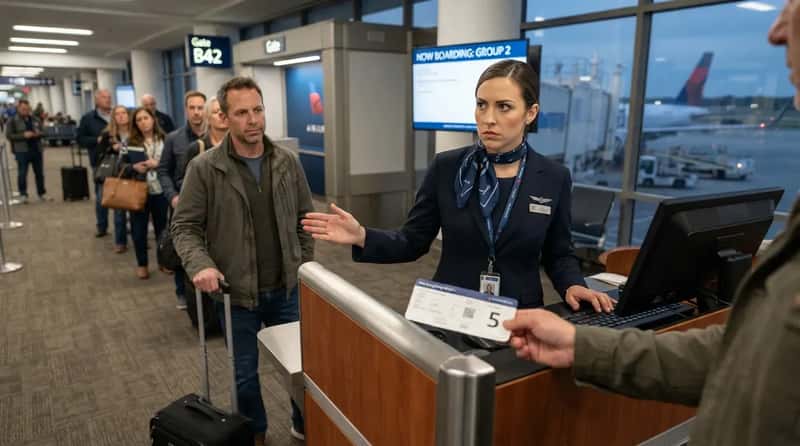
The group on your boarding pass tells an agent a lot. On many airlines it reflects fare type, status, or how early you checked in. One travel guide says checking in early online keeps your number low, while arriving at a kiosk an hour out can put you near the back.
The agent who catches someone boarding out of order has seen it hundreds of times. The line moves faster, and the agent stays friendlier, when people wait their turn.
#11 – The Sudden Limp at Priority Boarding
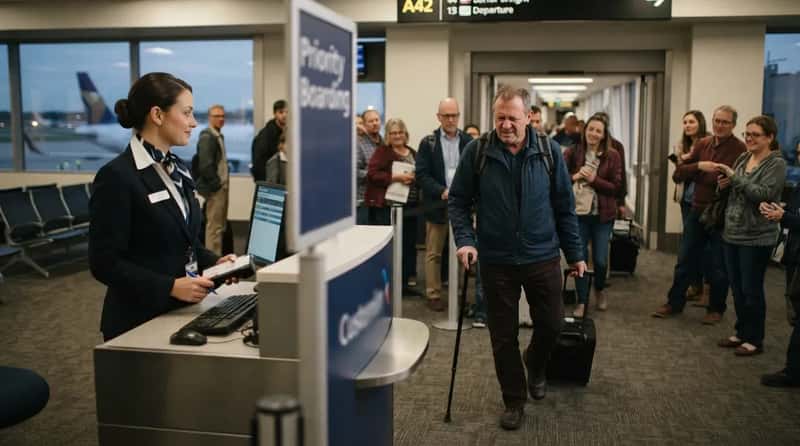
Agents have seen the miracle limp. Travel-industry write-ups describe passengers who develop a limp, a stroller, or an urgent connection the moment priority boarding is called. Often the “emergency” fades once they’re through the door.
Agents rarely call it out in front of other passengers, since they can’t see anyone’s medical history. They just notice the pattern and grow a little more skeptical. The real cost lands on passengers who truly need early boarding and get met with suspicion.
#10 – One Sentence Gets Real Help, No Doctor’s Note Required
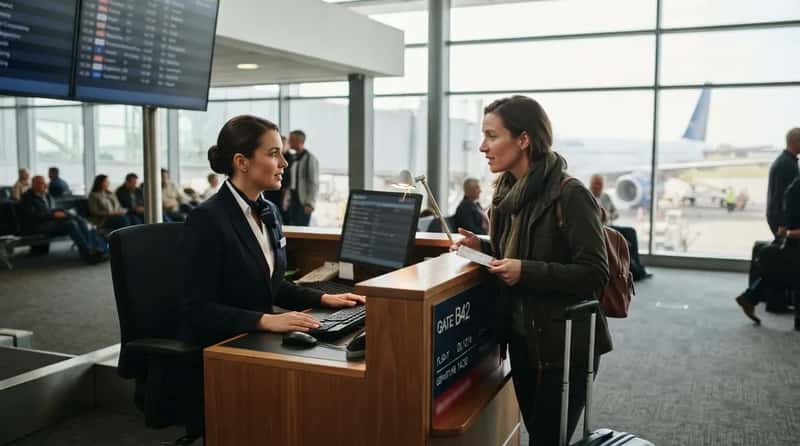
If you need extra time or help, tell an agent before boarding begins. A travel-industry guide notes that early boarding is available if you self-identify to a gate agent before boarding starts, with no doctor’s note required. Most people don’t realize they only have to ask.
Agents say a plain, specific request beats a vague hint. “I need extra time on the jet bridge” is easier to act on than a sigh near the desk. And timing matters, because asking late creates problems of its own.
#9 – Who Looks Ready for a Voluntary Bump
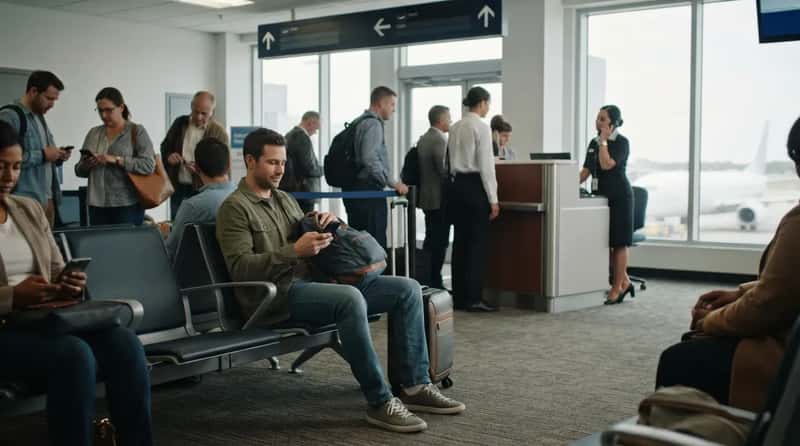
On oversold flights, agents first look for volunteers willing to give up their seats for compensation. They notice who looks relaxed and unhurried, and who is clearly racing to a wedding. The passenger with no deadline is the one they’ll quietly approach first.
If no one volunteers, someone may be bumped involuntarily. In that case, the DOT requires cash compensation, not just airline vouchers. The amount can rise to 400% of the one-way fare, capped at $2,150, if the substitute transportation gets you to your destination much later.
Worth Knowing
- Airlines must ask for volunteers before bumping anyone involuntarily.
- There’s no federal formula for volunteer offers, so the deal is whatever the airline and passenger agree on.
- For domestic flights, an involuntary bump that gets you in 1 to 2 hours late pays 200% of the one-way fare, up to $1,075.
- Past 2 hours late, it’s 400% of the fare, up to $2,150.
#8 – The Checked Bag Count Starts a Silent Clock
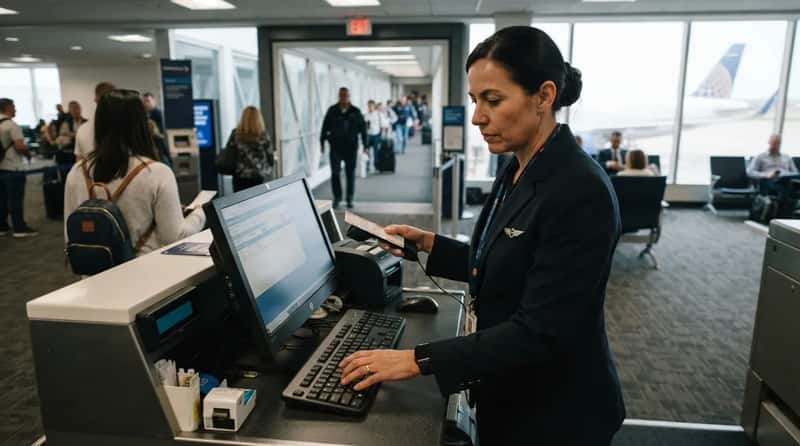
The number of bags checked under your booking matters at the gate. A travel-industry explainer says that if a passenger is a no-show, their bags must come off the plane as a security requirement. One missing traveler can stall an entire departure.
That’s why agents seem to count heads as boarding winds down. The late passenger is also the reason ground crews are digging suitcases out of the hold. The agent knows exactly who is missing.
#7 – Four Letters on a Boarding Pass Change Everything
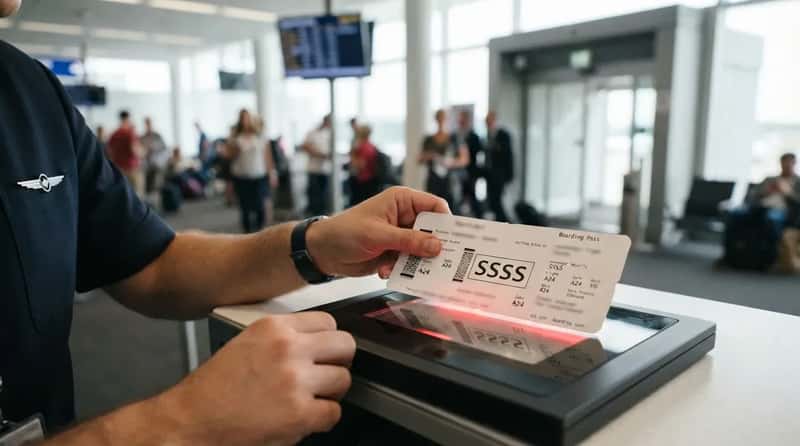
Some boarding passes carry a bold code that tells staff something about security screening. SSSS stands for Secondary Security Screening Selection, and it flags passengers for more thorough TSA inspection. Most travelers have no idea what triggers it.
Agents see the code and know the passenger may have been delayed, searched, or both. They tend to offer extra patience, because many have watched someone arrive at the gate flustered and out of breath.
#6 – Outlet Guarding and Seat Hogging Say More Than You Think
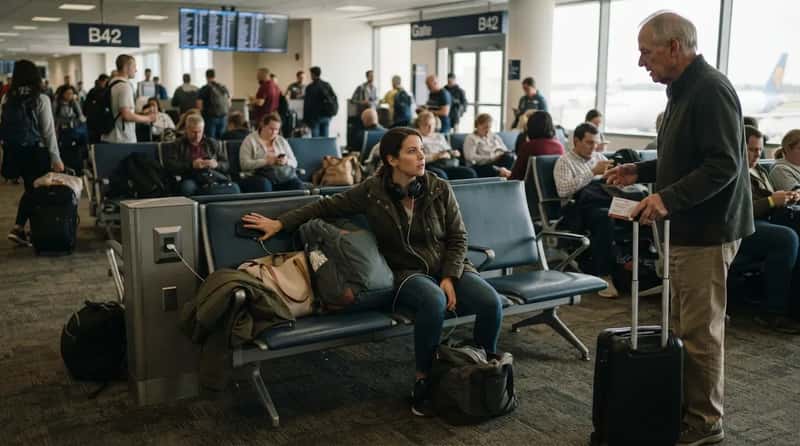
Travel-industry write-ups say crews notice small gate-area behavior. Who moves their bag the second someone needs a seat, and who pretends not to see the person standing. Agents also notice travelers who guard charging outlets like property.
Agents don’t police this, but the behavior tends to carry over. People who share space easily often board calmly later.
The ones who bristle at an outlet often bristle in line. It isn’t a formal test, but agents keep an informal tally.
#5 – Rude Behavior Can Follow You Into the System
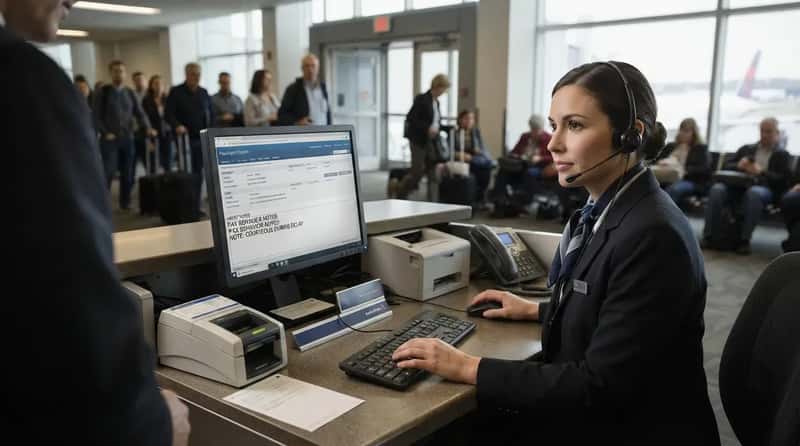
Some travelers assume a bad moment at the gate disappears when they walk down the jet bridge. One travel-industry source says agents can and do make notes on a traveler’s record, though the practice varies by airline. A heated exchange could be sitting in your file the next time you need a favor.
Most agents say they remember the passenger who stayed courteous during a delay. Not every note is negative, and not every airline logs behavior the same way. Still, it’s a good reason to keep your cool at the podium.
#4 – Checked In Isn’t the Same as On Time
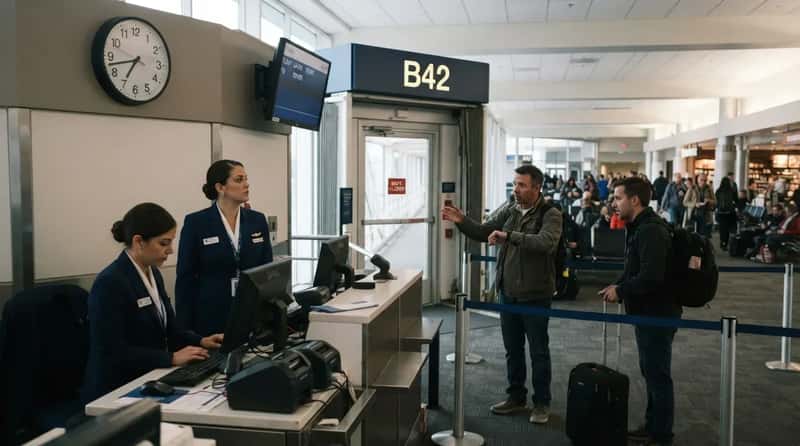
Here’s a rule that costs passengers real money. Checking in isn’t enough, because you also have to be at the boarding gate before it closes. Passengers who miss the gate cutoff may lose their right to denied-boarding compensation.
Agents watch the clock because the airline has to close the flight out. DOT guidance says passengers who check in and reach the gate on time generally can’t be involuntarily bumped after their pass is scanned. The window for being safe is smaller than many people think.
Quick Compare
- Checked in, but late to the gate: you may forfeit denied-boarding compensation.
- Checked in and at the gate on time: you’re in the strongest spot if the flight is oversold.
- Cutoff times: they vary by airline, so the number on your confirmation is the one that counts.
#3 – The Rattled Passenger Gets Read in a Second
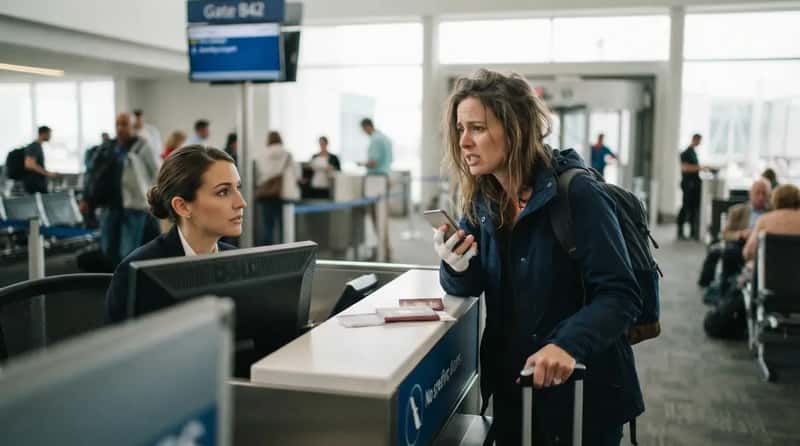
Agents can spot a stressed passenger from the lane. It’s the tense shoulders, the fast talking, the phone clutched in a white-knuckled hand. The traveler who’s already panicking is the one most likely to leave the desk unhappy.
Agents handle frustration all day, and a clear, calm request is a relief. A travel-industry write-up says it takes roughly ten seconds to make a first impression at the gate. That’s a short window, but it’s real.
#2 – Who Shows Patience When Everything Goes Wrong
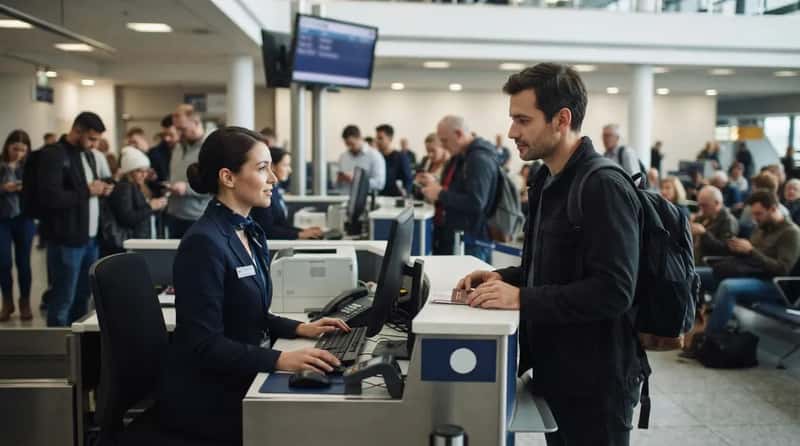
Delays, crew shortages, and weather problems put agents in a tough spot. They often have little control, but passengers see only the person at the podium. The agents who get shouted at are often the same ones with the power to rebook you.
Agents say they notice who treats them as a person, not an obstacle. One travel-industry write-up says calm, patient travelers are easier to help when a seat needs filling quickly. That doesn’t promise an upgrade, and no honest agent would say it does. But it shapes how hard an agent digs for a solution.
#1 – They Can See Almost Everything About Your Ticket
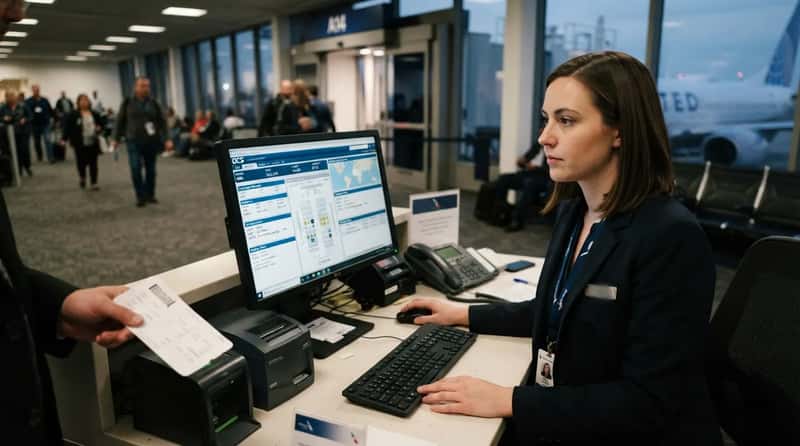
Here’s what most passengers forget. Gate agents can see a lot about each customer’s flight ticket. That includes your itinerary, fare, status, seat, and the notes on your record.
So when you walk up, the agent often knows your story before you start telling it. They know the connection is tight, the seat is a middle, or the plane is full. They’re also the person who decides how hard to look for a fix.
In a job built on noticing, the most noticed thing is whether you made their next ten minutes easier or harder.
Gate agents aren’t mind readers, but they read a lot. They watch where you stand, what you carry, whether your name matches, and how you act when the plan falls apart.
Most of it comes down to being ready and staying calm. Which of these have you seen a gate agent catch before you even opened your mouth?