Ask five different expats what they spend each month in Mexico City and you’ll get five different answers, sometimes off by a thousand dollars. Part of that comes down to neighborhood, part of it comes down to lifestyle, and part of it comes down to a rental market that has shifted noticeably since the pandemic-era remote work boom sent thousands of foreigners searching for apartments in Roma Norte and Condesa. The peso has also played its own role, staying relatively strong against the dollar through much of 2025 and 2026, which has quietly made everyday costs feel less like a bargain than they did a few years ago.
Rather than rely on vague averages, it helps to walk through what an actual monthly budget looks like, category by category, using current 2026 pricing across the neighborhoods where most foreigners settle.
Rent in the neighborhoods expats actually choose
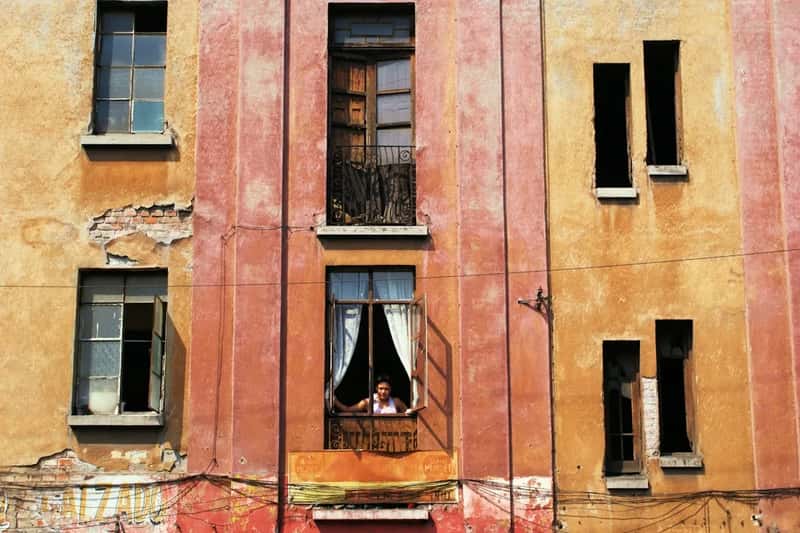
Housing is where the real variation shows up, and it starts with location. In Roma Norte and Condesa, the two most popular landing spots for newcomers, a furnished one-bedroom runs $900 to $1,600 USD per month, while Polanco is higher at $1,400 to $2,500. Prices climb even further at the very top end, since prime apartments in Polanco, Roma Norte and Condesa often rent from MXN 35,000 to MXN 75,000 per month, or about USD 2,000 to USD 4,285.
Move just a few colonias over and the math changes considerably. In neighborhoods like Narvarte or Escandón, you can find comparable quality for $600 to $900. That kind of gap, sometimes 30 to 40 percent, is a big reason so many long-term residents eventually drift away from the trendiest streets once the novelty wears off.
Utilities, internet, and the monthly bills nobody talks about
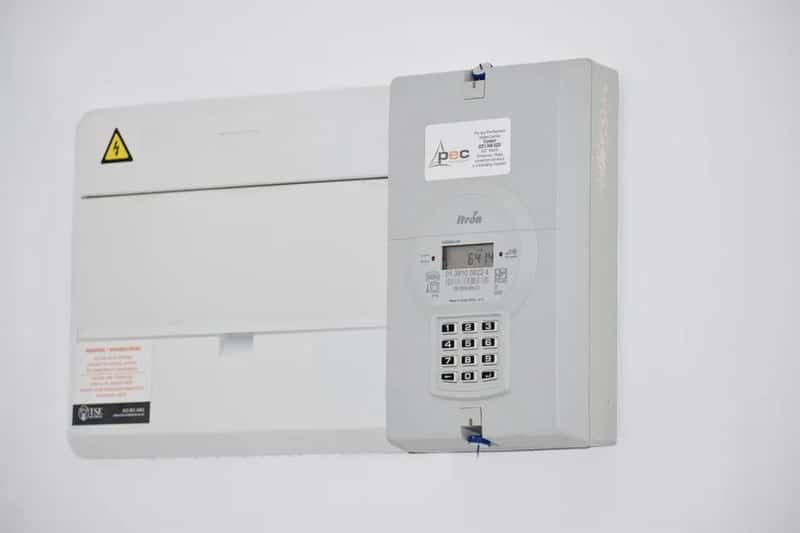
Utilities in Mexico City tend to be modest compared to coastal cities, largely because the climate rarely demands air conditioning. Most sources place utilities at $80 to $150 including electricity, water, and internet for a typical one-bedroom apartment. That figure holds fairly steady whether you’re in Condesa or somewhere less central, since usage rather than location tends to drive the bill.
Internet quality has also improved noticeably in expat-heavy areas. Most expat areas have fiber internet at 100 to 500 Mbps for $25 to $60 a month, which is more than enough for video calls and remote work. Mobile plans add another modest line item, usually folded into that same general utilities range.
Groceries and the cost of feeding yourself

Grocery spending depends heavily on where you shop and how much you lean on imported products. A realistic monthly range sits around $200 to $350 per month shopping at Chedraui, Superama, or local markets, though that number can climb quickly once you start buying imported cheese, wine, or specialty items that aren’t produced locally. Imported goods cost significantly more, which surprises a lot of newcomers who expect everything to be cheap.
Shopping at local mercados rather than international supermarket chains tends to shave costs down noticeably, especially for produce, meat, and staples. Many longtime residents end up doing a hybrid approach, buying fresh items locally and reserving supermarket trips for packaged goods or anything harder to find at a market stall.
Eating out in a city built around food

Mexico City’s food scene is one of its biggest draws, and it spans an enormous price range. On the low end, street tacos cost $1 to $2 each, while a solid sit-down meal in Roma Norte runs $8 to $20. At the top of the market, fine dining at a top restaurant is $40 to $100 per person, reflecting the city’s growing reputation among internationally ranked restaurants.
Put together, most expats spend $200 to $500 monthly on food out, though people who eat out constantly can push well past that. It’s worth noting that eating out in Mexico City remains far cheaper than in most U.S. or European capitals, even as prices at trendy spots in Roma and Condesa have crept upward alongside rents.
Getting around: metro, Metrobús, and Uber
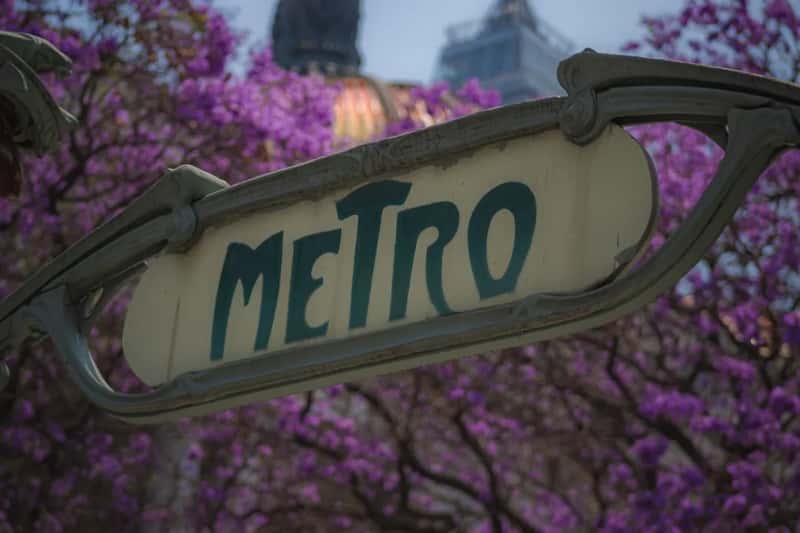
Transportation is one category where Mexico City genuinely delivers value. The Mexico City Metro is one of the most remarkable systems in the world for the price, twelve lines covering most of the city for $0.25 per ride. That makes it, by a wide margin, the cheapest way to move around the capital.
For trips outside the metro’s reach or after dark, ride-hailing fills the gap. Most cross-city trips cost $4 to $10, and combined with occasional metro or bus use, monthly transport typically runs $60 to $120. Owning a car is generally more trouble than it’s worth, since Hoy No Circula restrictions mean your car cannot be driven one day per week based on license plate number, and traffic during peak hours can be brutal regardless.
Health insurance and medical costs

Healthcare costs vary dramatically depending on whether you go public, private Mexican, or international coverage. On the public side, IMSS offers voluntary enrollment for foreign residents at approximately $600 USD per year, making it the cheapest legal option, though it comes with real trade-offs. Routine specialist appointments can be 2 to 6 months out under the public system, which pushes many expats toward private alternatives.
For private Mexican coverage, a Mexican Esencial-tier plan from GNP, AXA, Allianz, or Mapfre starts at $120 to $190 USD per month for an adult under 35. International plans cost more but offer broader flexibility, typically running $200 to $600 USD per month. The good news for anyone who needs care without insurance is that private treatment remains a fraction of U.S. pricing, since the private sector provides high-quality, English-speaking medical care at 30% to 50% of the cost of equivalent care in the United States.
Visa and residency costs to factor in
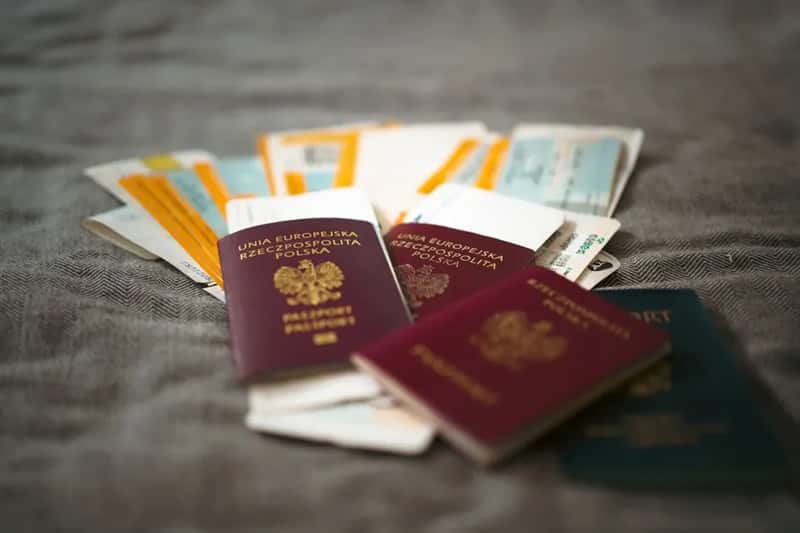
Many expats stay on tourist status initially, but anyone planning a longer stay eventually looks at the Temporary Resident visa. Financial requirements have risen in recent years, and applicants generally need to provide proof of stable income or savings of at least USD $4,400 per month over the last six months OR at least USD $74,000 in savings over the last 12 months. That threshold catches a lot of newcomers off guard, since it’s noticeably higher than it was just a few years back.
Once approved, the temporary resident visa is initially issued for exactly one year, and it can be renewed for additional years before eventually qualifying for permanent residency. There are also smaller, recurring costs tied to residency status, including the mandatory RFC tax registration and, for U.S. citizens, ongoing FBAR and FATCA reporting obligations tied to any Mexican bank accounts.
What a single expat actually spends per month

Pulling all the categories together, most current estimates land in a fairly consistent range. A comfortable single-person budget generally falls between $1,800 to $3,500 USD depending on neighborhood and lifestyle, covering everything from rent to entertainment. More budget-conscious arrivals, particularly those willing to live outside the trendiest colonias, often manage on roughly US$1,600 to US$2,400 a month.
Couples typically need more room in the budget but benefit from shared fixed costs like rent and utilities. Couples can live very well on $2,200 to $4,000, a range that holds up well against comparable spending in most U.S. or European cities of similar size and cultural weight.
Why Mexico City costs more than it used to
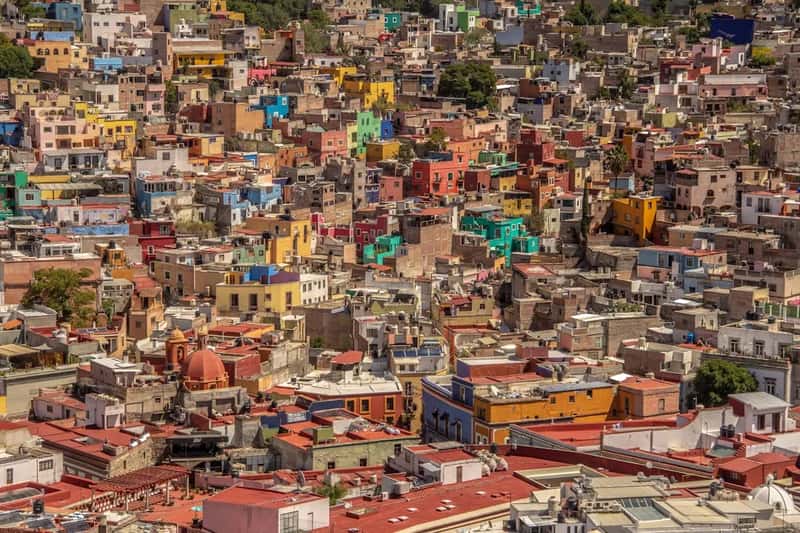
The city’s affordability reputation hasn’t disappeared, but it has softened. Recent rental data shows Mexico City rents climbing roughly 9% year-over-year in early 2026, and the pressure is even sharper in the most desirable pockets. Rents in Roma and Condesa are up 20 to 30 percent since 2020, a shift driven largely by the wave of remote workers who arrived during and after the pandemic.
That price growth hasn’t gone unnoticed locally. Rents in Roma and Condesa have climbed 20 to 30 percent since 2020, pricing out many local professionals, and in mid-2025 anti-gentrification protests in those neighborhoods drew significant attention. It’s a reminder that the same low costs drawing foreigners in are, for many longtime residents, no longer quite so low.
Where your money stretches further

For anyone willing to look past the five or six neighborhoods every expat guide mentions first, the savings can be substantial. Areas like Narvarte, Del Valle, and Escandón sit adjacent to the popular zones but come in notably cheaper, and Tier 2 areas such as Narvarte, Del Valle, and Escandón usually range from $750 to $1,050 for a comparable one-bedroom. That’s a meaningful discount for anyone comfortable with a slightly quieter, less Instagram-famous stretch of the city.
The tradeoff is usually a short Uber ride rather than a walk to the cafes and coworking spaces clustered in Roma and Condesa, which for many people turns out to be a fair exchange. Given how compact central Mexico City actually is, living two or three colonias away rarely means giving up much in terms of access or convenience.
The bottom line on budgeting for CDMX

There’s no single “cost of living in Mexico City” number that applies to everyone, and treating any one figure as gospel is a mistake. The honest range for a single person spans roughly $1,600 on the frugal end to $3,500 or more for those who want central real estate, private healthcare, and regular restaurant meals, with couples needing proportionally more room in the budget.
What’s changed most in the past few years isn’t the ceiling but the floor. Mexico City is still dramatically cheaper than New York, London, or San Francisco, but the days of treating it as an effortlessly cheap escape are largely behind it. Anyone planning a move now does better to budget like the city is what it’s become: a genuinely global capital with global-capital prices creeping in around the edges.