Most travelers assume valet parking works the same for everyone: hand over your keys, take a paper ticket, and hope the car comes back with the same number of scratches it had going in. But talk to enough attendants off the clock, and a strange pattern keeps surfacing. When an older guest slips a bill into their hand right at drop-off instead of waiting until pickup, something in the whole interaction quietly shifts.
None of this is written in a training manual, and no hotel chain will ever confirm it on the record. Yet the same behaviors show up again and again once that early tip changes hands. Here’s what actually happens next.
#13 – They Memorize Your Name Before the Front Desk Does
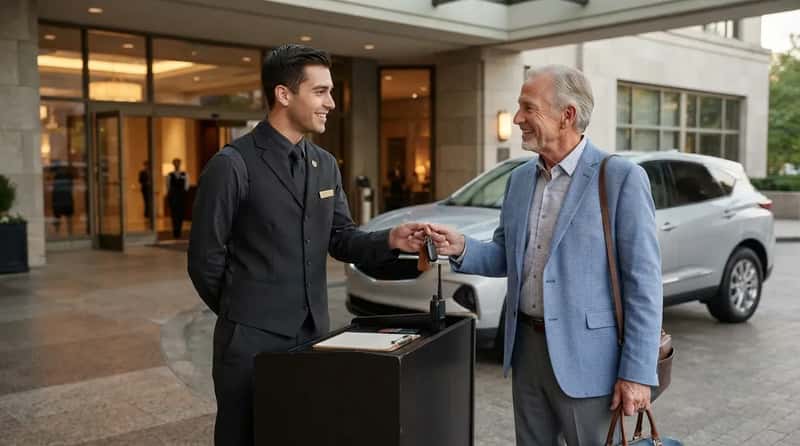
A tip at drop-off does more than buy goodwill – it makes a driver instantly memorable in a lot full of identical gray sedans and SUVs. Valets are trained to notice faces and vehicles, but a guest who tips early gets extra attention almost immediately. Many attendants admit they’ll glance at a name tag or catch a first name during check-in specifically so they can use it later.
For older guests, this small detail carries weight. Being greeted by name at pickup, especially after a long day of appointments or sightseeing, feels less like a transaction and more like being remembered somewhere new. It’s a tiny gesture, but it sets the tone for every interaction that follows.
#12 – Your Car Moves Up in the Retrieval Line
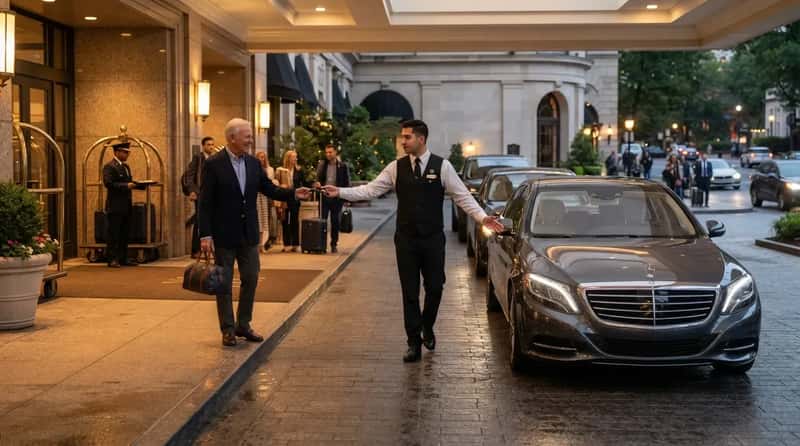
Standard tipping guidance suggests $2 to $5 per exchange, but the timing of that tip matters just as much as the amount. Handing over cash at drop-off, rather than waiting until the car comes back, is widely described as a way to signal appreciation before the work even starts. A small tip when handing over your keys can go a long way, and attendants often remember who tipped upfront – sometimes leading to faster retrieval or a better parking spot.
For drivers over 60 who may be juggling luggage, medication schedules, or an early dinner reservation, shaving even five minutes off a wait matters. Valets won’t call it favoritism. They’ll just call it remembering who was kind first.
Fast Facts
- Standard valet tipping in the U.S. typically runs $2 to $5 per exchange.
- Tipping at drop-off, rather than pickup, is the detail attendants say sticks with them most.
- A few extra dollars often costs less than a single valet parking fee, yet reshapes the whole interaction.
- Attendants juggle dozens of vehicles per shift, so early impressions matter more than most guests realize.
#11 – They Park You Closer, Not Just Faster
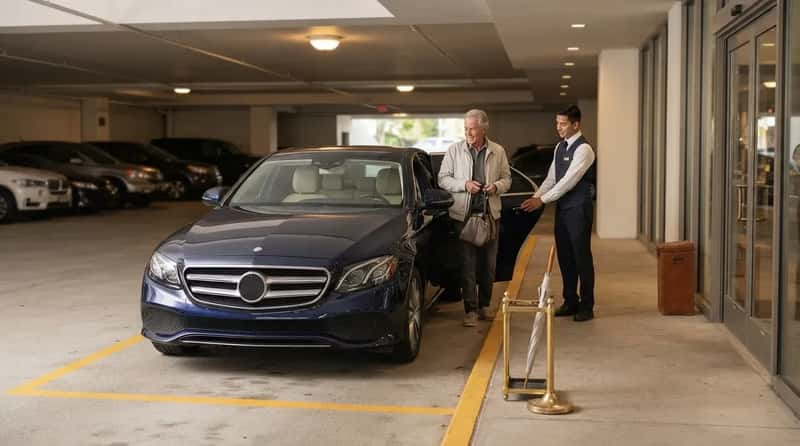
Beyond speed, there’s positioning. Attendants juggling dozens of vehicles in a tight garage have some discretion over where cars land, and a driver who tips early often ends up parked somewhere more convenient for a quick pull-out. It’s a small logistical favor, but it adds up over a multi-night stay.
Older travelers frequently mention shorter walks to the pickup curb, or cars staged near the front instead of buried three rows back. Nobody promises this outright. It just tends to happen once a valet has a reason to think of a guest as considerate.
#10 – Weather Warnings Come Before You Even Ask
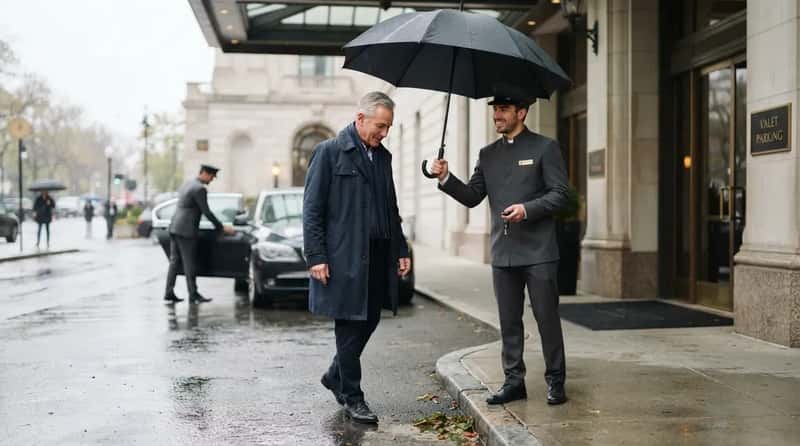
Valets stand outside for a living, which means they notice incoming rain or ice long before guests glance at a weather app. A driver who’s already tipped generously tends to get a heads-up – an umbrella offered proactively, a suggestion to bring a coat, or advice on which door avoids the wind.
This isn’t scripted customer service. It’s the kind of small, unofficial courtesy that experienced hospitality workers say naturally flows toward guests who treated them well from the start. For someone managing mobility issues or sensitive joints, a five-second warning about ice on the curb can prevent a genuinely bad fall.
#9 – They Double-Check Mirrors and Seat Settings
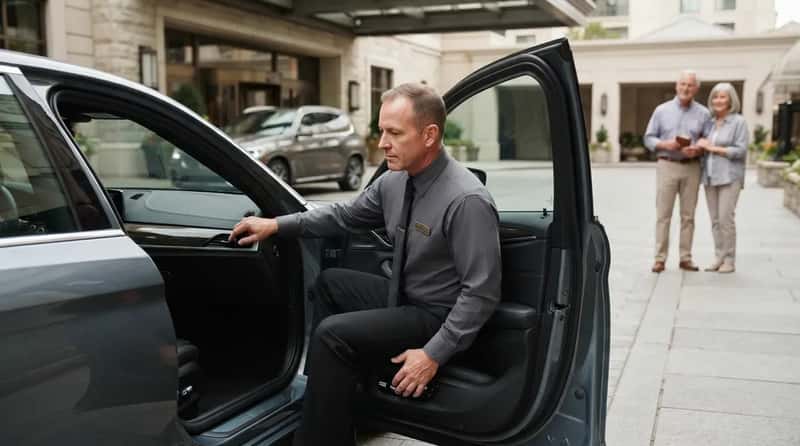
Returning a car exactly as it was left sounds basic, but busy valet stands handle vehicles fast, and small resets – mirrors, seat position, radio volume – sometimes get skipped. Attendants say they’re more likely to slow down and reset everything carefully for guests who’ve shown appreciation early on.
For older drivers, this matters more than it sounds. A seat pushed too far back or a mirror knocked out of place isn’t just annoying; it’s a real safety issue before pulling into traffic. A driver who tips at drop-off is more likely to get a car handed back exactly how they left it, down to the seat and mirrors.
#8 – Directions Come With Local Insider Detail
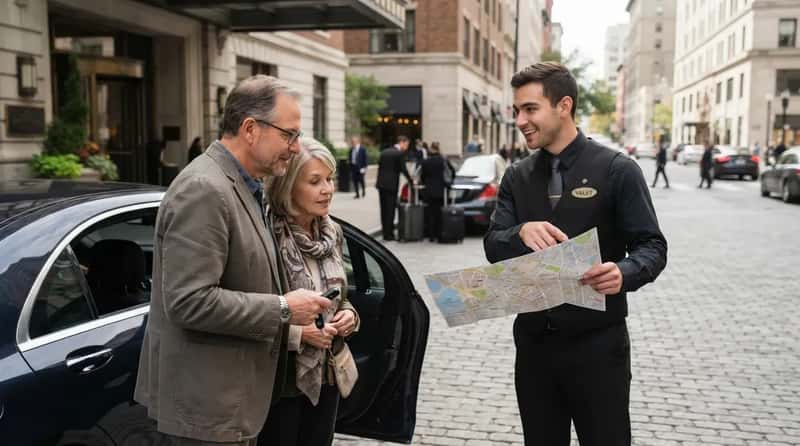
Ask any valet where the nearest pharmacy or good breakfast spot is, and most will answer. But guests who’ve already built rapport through an early tip often get more – specific street advice, warnings about confusing one-way sections, or a tip on which entrance to use during construction.
For older travelers navigating an unfamiliar city, this kind of detail can save real frustration. It’s the difference between generic directions and the kind of guidance a local friend would give, delivered by someone who genuinely wants the guest’s day to go smoothly.
#7 – They Watch for Luggage and Bags You Might Forget
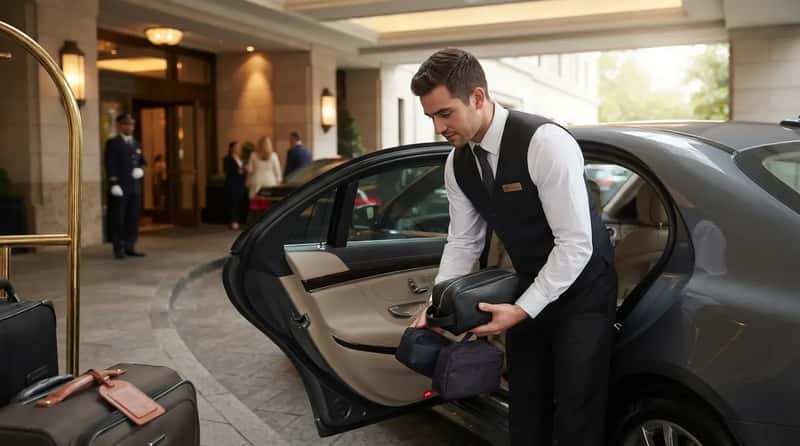
Forgotten bags, sunglasses, and phone chargers left in cars are a daily occurrence at valet stands. Attendants who’ve connected with a guest tend to pay closer attention during drop-off and pickup, glancing at back seats and cupholders before waving a car forward.
This small habit isn’t official policy anywhere – it’s personal diligence. But older guests, especially those traveling with medication bags or important documents, benefit enormously from a valet who’s quietly keeping an extra eye out. Many attendants say they’ve caught forgotten prescriptions specifically because they were paying closer attention to a guest who’d tipped early.
#6 – Wait Times Shrink During Peak Rush
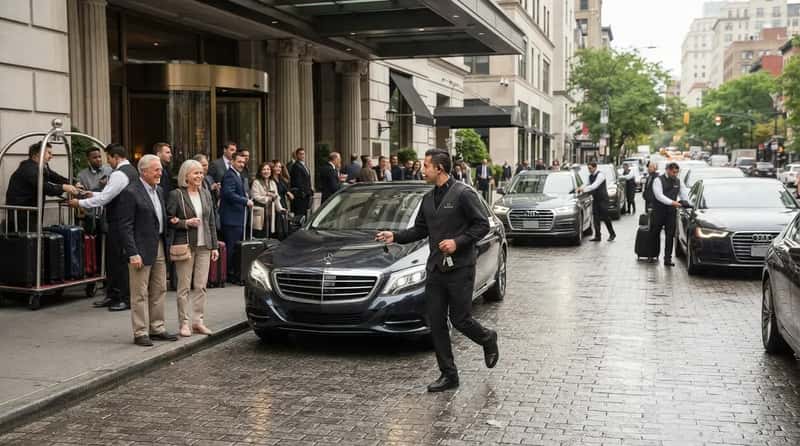
Checkout mornings and dinner rushes turn valet stands into chaos, with a dozen cars needed at once. In that crush, attendants naturally prioritize based on memory and goodwill, and guests who’ve built a rapport through early tipping often find their cars pulled up sooner rather than later.
This isn’t about cutting corners for everyone else. It’s simply human nature: when a valet is sprinting between forty vehicles, the faces they recognize as considerate tend to get handled first. For an older driver who doesn’t want to stand in a hot parking garage for fifteen minutes, that difference is significant.
Quick Compare
- No early tip: car retrieval during rush can stretch on with no particular urgency.
- Early tip: attendants often recall the guest by face and prioritize their vehicle sooner.
- No early tip: guests wait behind whoever’s car happens to be parked closest.
- Early tip: guests tend to get mentally flagged as “handle first” during chaotic shifts.
#5 – They Offer a Hand Without Being Asked
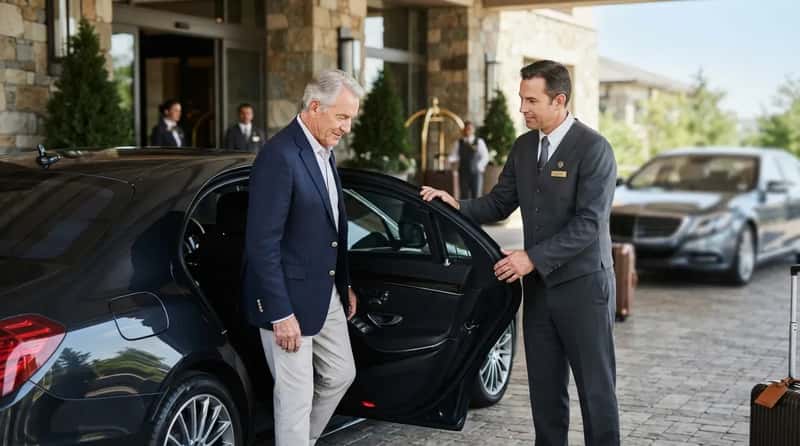
Some guests hesitate to ask for help getting in or out of a car, worried it draws attention to mobility struggles. Attendants who’ve already connected with a driver tend to notice this hesitation and simply offer an arm or open the door a beat sooner, without making it a production.
This kind of quiet assistance rarely gets mentioned in reviews, but valets who’ve worked hotels for years describe it as instinct built through repeated interactions. A driver who tips early and treats the valet with respect is far more likely to get help offered proactively, rather than having to ask for it.
#4 – Vehicle Damage Gets Reported Immediately, Not Ignored
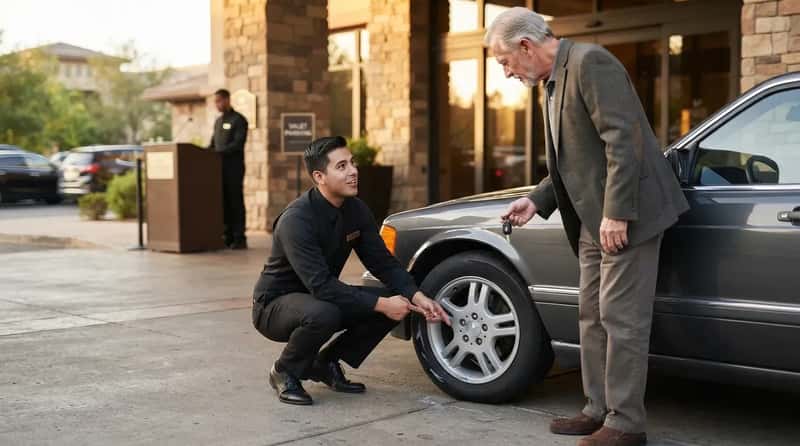
Minor scuffs, curb rash, and door dings happen in busy valet operations, and how they’re handled varies. Attendants who feel a genuine connection with a guest are more likely to flag an issue honestly and immediately, rather than hoping it goes unnoticed.
This matters enormously for older drivers who may not inspect their car as closely at pickup. Prompt, honest reporting protects both the guest and the valet team, and it tends to happen more consistently with guests who’ve built trust from the very first tip.
Worth Knowing
- Minor curb rash and door dings are common at busy valet stands, especially during peak travel season.
- Honest, immediate damage reports protect both the guest and the valet team from later disputes.
- Older drivers are statistically less likely to inspect a car closely at pickup, making staff trust more important.
- Guests who’ve built rapport early are more likely to get flagged proactively if anything happens.
#3 – They Remember Specific Requests From Day One
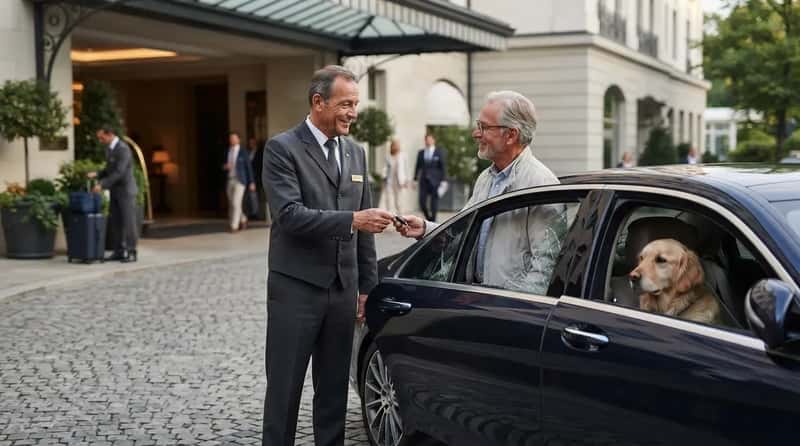
Ask a valet to park your car facing out, or to leave the windows cracked for a dog waiting inside, and most will comply once. But guests who tip early and treat staff kindly often find that request remembered automatically for the rest of their stay, without needing to repeat it.
For older travelers managing routines around medication timing or a pet’s needs, this consistency reduces daily friction. It’s a small thing, but repeated over a five-night stay, it starts to feel like genuinely personalized service instead of a rotating cast of strangers.
#2 – They Flag You to Bell Staff and Doormen

Hotel staff talk to each other constantly, and valets are often the first point of contact a guest has with the property. A driver who’s been generous and kind at the car often gets quietly mentioned to bell staff or the front desk – not through any formal system, just casual word passed between coworkers during a shift change.
The result is a guest who somehow finds every department a little warmer and more attentive, without ever knowing why. Valets frequently say the goodwill from one early tip ripples outward to other staff who never even touched the car. It’s one of the more overlooked ways hospitality actually works behind the scenes.
Why It Stands Out
- Word about a kind guest spreads between staff without any formal system in place.
- One small gesture at the car can shape how a guest is treated by an entire hotel staff.
- This kind of goodwill costs a guest nothing extra beyond the tip already given.
- It’s one of the most overlooked forms of hospitality happening behind the scenes.
#1 – They Genuinely Look Forward to Seeing You Again
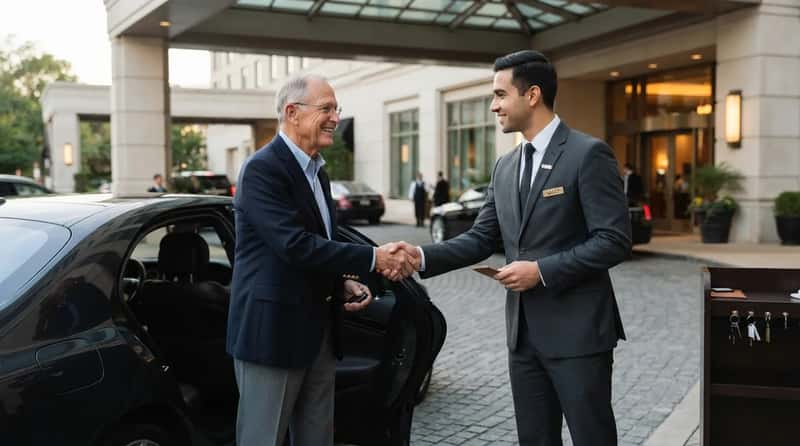
This is the one attendants mention most often, and it’s less about money than it sounds. A guest who tips early, says thank you by name, and treats the job with basic respect becomes someone valets actually enjoy seeing pull back into the lot. That shift changes everything else on this list – the faster retrieval, the extra care, the small warnings and courtesies.
For older drivers especially, this genuine warmth stands out. Many report that a single hotel stay, handled this way, turns an anonymous parking garage into the one place during a trip where they felt truly looked after. Valets describe this kind of guest not as a “big tipper,” but simply as someone worth taking care of. It costs nothing extra to become that person, just a little kindness offered first.
None of this is official policy, and no valet company will ever put it in writing. But the pattern holds up across enough hotels and enough attendants that it’s hard to dismiss as coincidence. A tip at drop-off, paired with basic warmth, tends to buy far more than a faster car – it buys attention, care, and a small sense of being looked after in a place designed to feel impersonal.
Maybe that’s the real trick of valet parking nobody advertises: the keys change hands twice, but only one of those moments actually decides how the rest of your stay feels.