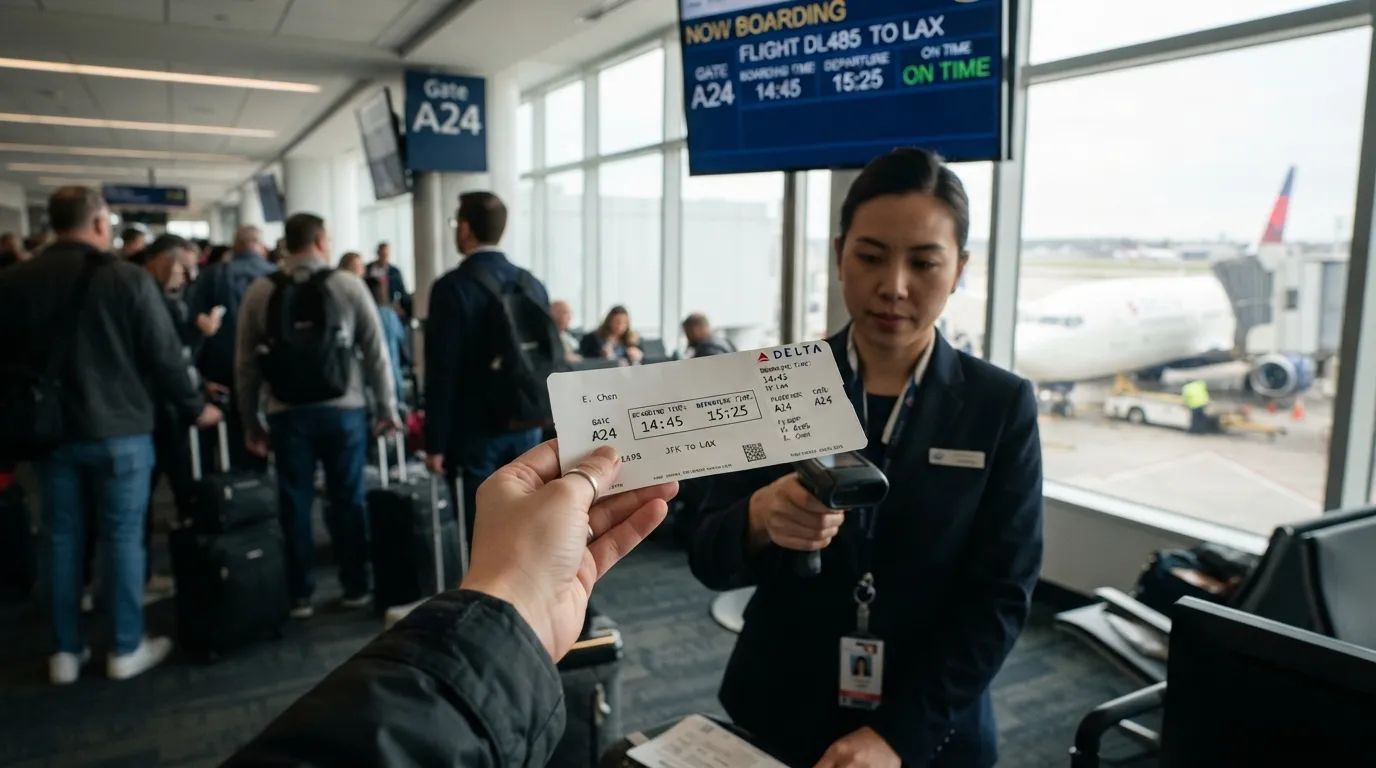
There was a time when getting on a plane meant carrying a small stack of paper just to prove you had a seat. Packing for a trip abroad meant folding a booklet of checks into your money belt, and if you got lost on the highway, a human being at a AAA desk drew your route by hand.
Most of that world has quietly vanished over the last two decades, replaced by apps, chips, and digital confirmations that arrive in your inbox seconds after you book. Some of these items disappeared so gradually that most travelers barely noticed the last one being issued. Others ended with a specific date, a company announcement, or a industry mandate that changed air travel overnight.
American Express Traveler’s Checks
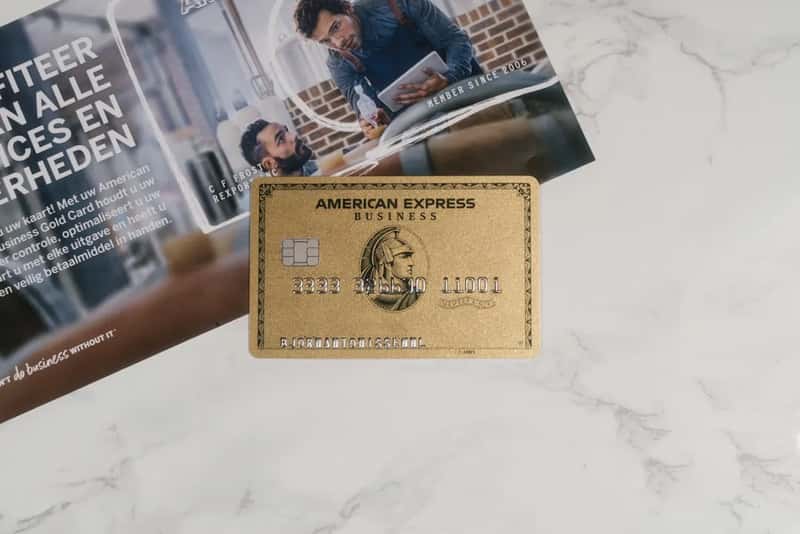
For more than a century, the traveler’s check was the safest way to carry money abroad without risking cash in a stolen wallet. American Express developed a large-scale international traveller’s cheque system in 1891, to supersede the traditional letters of credit.[1] The product survived two world wars, the rise of credit cards, and decades of currency swings before finally losing its purpose.
Although travelers cheques were a great business with high returns and a growing clientele, they were one of the first victims of the internet and disappeared quickly within a decade starting around 1990.[2] By the 2010s, banks and merchants abroad had little interest in honoring them, and even institutions like American Express, which issued traveler’s checks for over a century, have ceased to issue new checks, although those already issued continue to be honored with no expiration date.[3]
Paper Airline Tickets
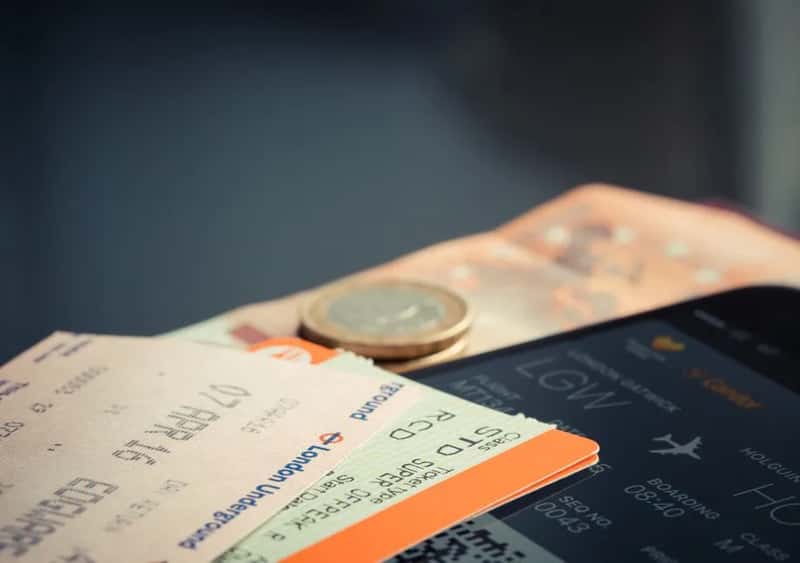
Before the mid 2000s, flying meant holding a thin cardboard ticket booklet with carbon copies tucked behind each flight coupon. Losing it was a genuine crisis, since airlines treated it almost like cash. That changed fast once the industry decided paper simply cost too much to keep producing.
The paper airline ticket came to the end of its life when 240 carriers belonging to the International Air Transport Association switched to all electronic ticketing on June 1, 2008.[4] Issuing a paper ticket cost an airline about ten dollars compared to roughly one dollar for its electronic replacement, and IATA calculated the shift would save fifty thousand trees a year.[4] The change also meant travel agents lost the ability to hand travelers a physical keepsake of their trip, something today’s email confirmations never quite replaced.
AAA Paper TripTiks and TourBooks

For generations of American road trippers, a AAA branch visit was practically a rite of passage before any long drive. Before the internet existed, a traveler would go to their local AAA branch, tell the office their starting point and destination, and an agent would draw the route with a highlighter across a series of numbered maps.[5] The first modern TripTiks, spiral bound notebooks filled with maps, were made in 1937, with AAA starting mass production the following year.[5]
That hand drawn version of the service is now gone. Traditional printed paper TripTiks are no longer available from AAA, though the organization still offers online tools for trip planning and options for ordering other physical travel materials.[6] The companion guidebooks fared similarly, since paper TourBooks were discontinued in 2021[7] in favor of downloadable digital guides.
Concorde Supersonic Flights
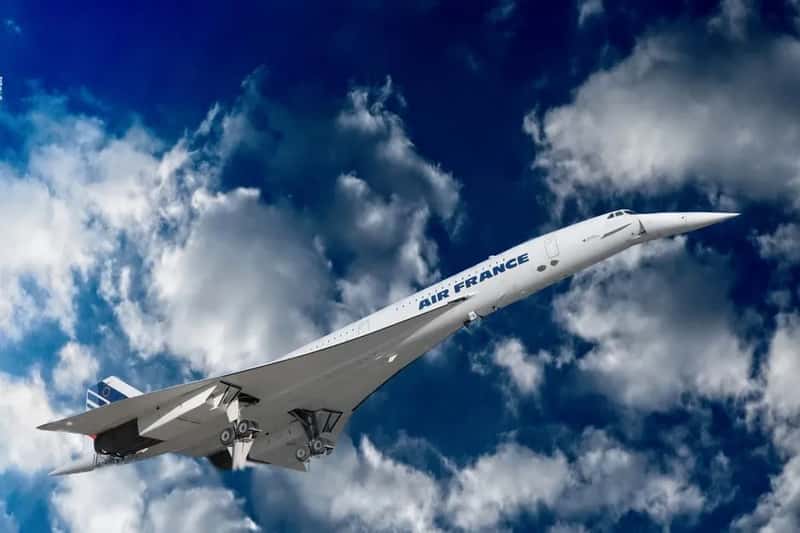
For anyone who traveled between New York and London in the 1980s or 1990s, Concorde was the ultimate travel essential for those who could afford it, cutting a transatlantic crossing to roughly three hours. The needle nosed jet flew at more than twice the speed of sound, a feat no commercial passenger aircraft has matched since it stopped flying.
Concorde’s retirement came after the fatal Air France crash near Paris in July 2000, which shook confidence in the aircraft and drove up insurance and maintenance costs at a moment when ticket sales were already softening. British Airways and Air France both ended commercial Concorde service in 2003, closing the book on the only supersonic passenger jet to see sustained commercial use. More than two decades later, no airline has brought supersonic passenger travel back into regular service, though several startups are still working toward it.
In-Flight Smoking Sections

It sounds almost unbelievable now, but airplane cabins used to be divided into smoking and non-smoking rows, often separated by nothing more than a few empty seats and a thin curtain. Ashtrays were built directly into the armrests of airline seats, a design detail that lingers on some older aircraft even though lighting up is long forbidden. Flight attendants carried lighters as part of the standard cabin service kit on many carriers well into the 1980s.
US regulators phased out smoking on domestic flights starting in 1990, and most major airlines around the world eliminated it on international routes by the end of that decade. The shift was driven by growing awareness of secondhand smoke risks combined with pressure from flight attendant unions and health advocates. Today the ban is so complete that airlines rarely even mention it, aside from a brief note during the safety demonstration that smoking, including e-cigarettes, is prohibited throughout the flight.
Extra Visa Pages for US Passports
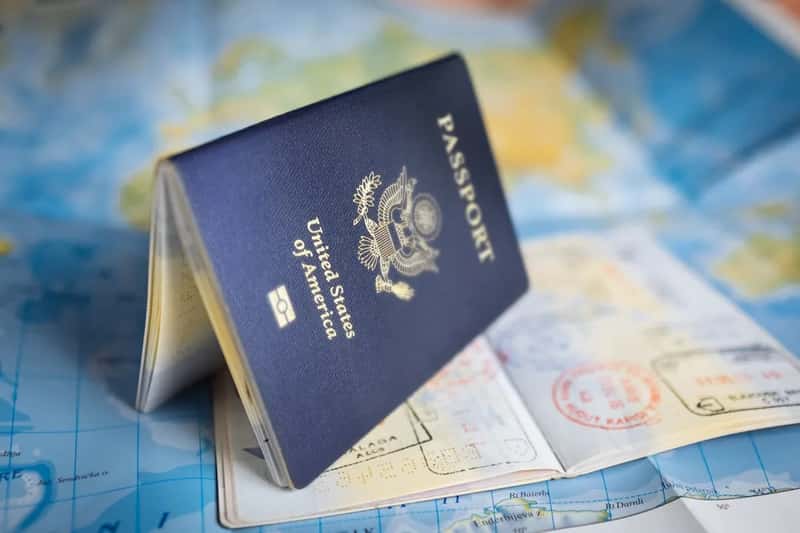
Frequent international travelers used to have a simple fix when their passport filled up with stamps: pay a fee and get extra pages sewn in rather than starting over with a full renewal. That option is gone now. The State Department stopped adding visa pages into US passports beginning January 1, 2016, after previously letting passport holders pay for the insertion of additional 24-page visa inserts when their books ran out of space.[8]
The reasoning behind the change was straightforward. Officials said the decision to discontinue the service was made to enhance the security of the passport and to abide by international passport standards.[9] To soften the blow, the Department began issuing 52-page passports to all applicants outside the United States starting October 1, 2014, at no additional cost[8], and domestic applicants can now request the larger book when they renew.
SkyMall Catalog

Tucked into every seatback pocket for nearly three decades, the SkyMall catalog turned long, boring flights into an odd little shopping ritual. Passengers flipped through pages of oversized garden gnomes, robotic vacuum cleaners, and gadgets nobody actually needed, half as entertainment and half as genuine temptation during a layover haze. It became such a cultural fixture that it showed up as a punchline in sitcoms and stand up routines for years.
The company behind the catalog filed for bankruptcy in 2015, and most major airlines pulled it from seat pockets shortly after as inflight entertainment shifted toward seatback screens and personal devices. A handful of attempts to revive it online followed, but none recaptured the specific boredom driven charm of flipping through a physical copy at thirty five thousand feet. For travelers who grew up on long family flights, its absence from the seat pocket still feels a little strange.
Original Polaroid Instant Film
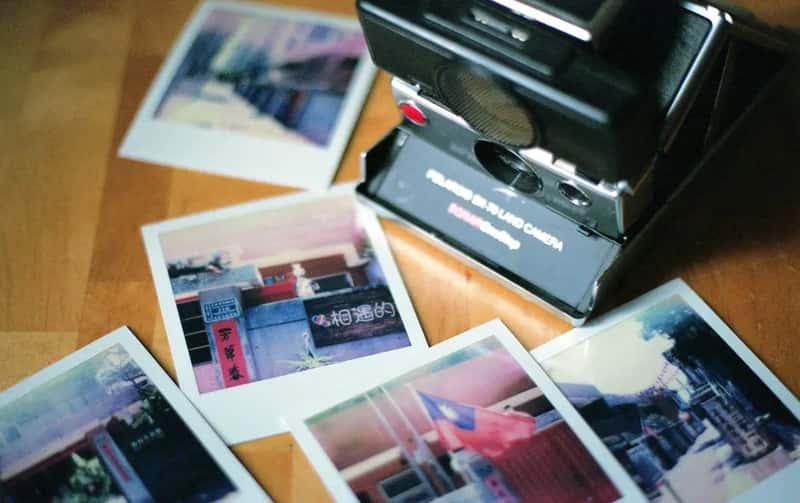
Before smartphones made instant photo sharing effortless, a Polaroid camera was the closest thing travelers had to seeing a picture develop right in front of them. Tourists carried them to snap quick souvenirs at landmarks, and the format’s chemical based film became a genuine travel essential for anyone who wanted a physical print without waiting for a photo lab. The distinctive white bordered square photo became shorthand for candid, unpolished travel memories.
Polaroid Corporation announced in 2008 that it would stop manufacturing its classic instant film, closing its last production plants as digital cameras and early camera phones took over the market. The original chemistry behind that instant development process was retired along with it, even though a group of enthusiasts later relaunched instant film production under new branding. For a stretch of years, though, genuine vintage Polaroid film simply could not be bought new, making the format a relic almost overnight.
Thomas Cook Package Holidays
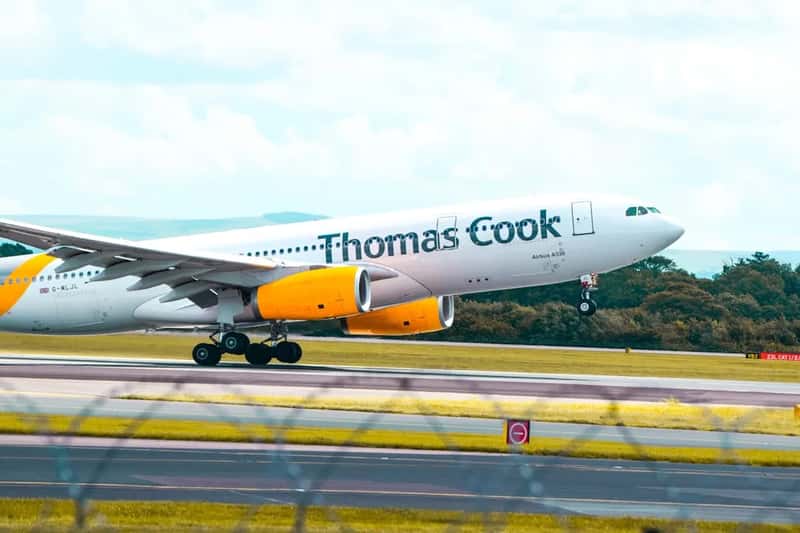
For generations of British and European travelers, booking a package holiday meant walking into a Thomas Cook branch on the high street and picking a brochure off the rack. The company had been arranging trips since the 1840s, making it one of the oldest travel brands in the world and a household name across multiple countries. Its all inclusive packages to Mediterranean resorts became a defining feature of European summer travel for decades.
The company collapsed in September 2019, ceasing operations abruptly and triggering one of the largest peacetime repatriation efforts in British history to bring stranded travelers home. Its failure was tied to a mix of heavy debt, competition from budget airlines, and the rise of travelers booking flights and hotels separately online rather than through a single agent. The brand name has since been licensed and revived in a smaller, largely online form, but the original high street travel agency experience it represented is gone.
Metal Hotel Room Keys

Older travelers will remember the specific weight of a brass hotel room key, often attached to a bulky plastic fob so guests would not accidentally walk off with it. Front desk staff handed them over after a manual check in process, and losing one usually meant an awkward conversation and a locksmith visit rather than a quick reprogram. The design had barely changed for most of the twentieth century.
Hotel chains began replacing metal keys with magnetic stripe key cards through the 1980s and 1990s, largely for security reasons since a card can be deactivated instantly if a guest loses it. That shift has continued even further in recent years, with major chains rolling out smartphone based digital room keys that let guests bypass the front desk entirely. The plastic key card itself, once the modern replacement for metal keys, is now gradually becoming the next item on this list of fading travel habits.
Printed In-Flight Magazines
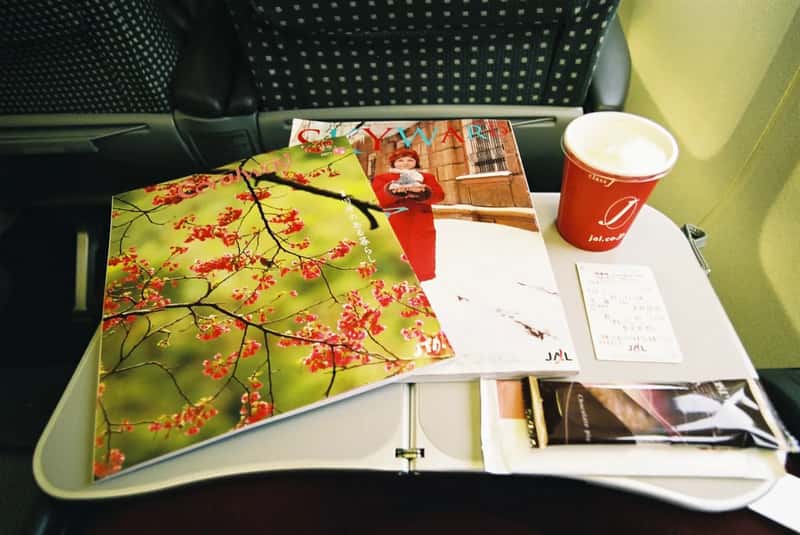
Every seatback pocket used to hold a glossy inflight magazine, filled with destination features, route maps, and duty free advertisements meant to fill the dead time before takeoff. Airlines used them as a branding tool, often commissioning original travel writing and photography that readers wouldn’t find anywhere else. For many passengers, flipping through one was simply part of the ritual of settling into a flight.
Several major carriers quietly ended their print inflight magazines during the pandemic years, when airlines pulled paper items from cabins over hygiene concerns and never fully brought them back. Content that once lived in glossy print pages moved to airline apps, streaming entertainment systems, and QR codes printed on tray tables instead. The shift saved airlines printing and distribution costs, but it also ended a small, quiet form of travel writing that had existed almost exclusively inside airplane cabins.
Looking back at this list, what stands out is how recent some of these endings really are. A few, like paper airline tickets, ended with a clear industry deadline. Others, like printed inflight magazines or metal hotel keys, faded out so gradually that most travelers only notice the absence when they try to explain it to someone younger.